Search

GEOGRAPHY EDUCATION

Supporting geography educators everywhere with current digital resources.

Month

November 2012

Inside North Korea

Go undercover with National Geographic correspondent Lisa Ling as she journeys into mysterious and reclusive North Korea.

We know so little about life in North Korea since they have the world’s least free press (that is not hyperbole–Freedom House ranks countries from 0 to 99 with 0 being the most free and 99 being the least free.  North Korea has recently “improved” its rating to 97, the worst in the world). Official coverage is highly censored and filled with government propaganda. This 2009 glimpse is incredibly poignant.

Tags: East Asia, development, states, poverty.

See on www.youtube.com

NatGeo on Instagram

I’m not a photographer, so Instagram isn’t one on of my preferred social media platforms.  However, since National Geographic is world renowned fror their images, this is a perfect outlet to share more images that wouldn’t fit into their articles or other collections.  According to their social media expert, this foggy image of NYC is their most viewed image on Instagram.

See on instagram.com

Unnatural Landscapes

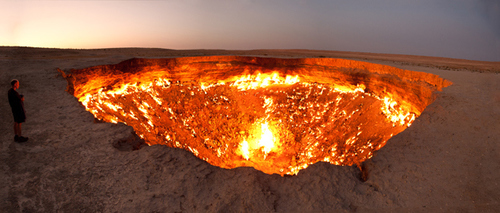
In a world where photoshop has made the unreal seem ordinary, these unearthly seemingly landscapes might seem likely fakes.  The world can be that extraordinary.  Pictured above is”Door to Hell” in Turkmenistan.  Rich with natural gas, Soviets were drilling in 1971 when the drilling rig collapsed and left a huge (230 feet wide) hole.  In an attempt to stop gas leaks they hoped a fire would burn off any discharge, but it is still burning today.  Enjoy this gallery of 25 ‘unnatural’ images.   

See on www.buzzfeed.com

Climate Change, Disaster Mitigation and City Planning

TED Talks As Vicki Arroyo says, it’s time to prepare our homes and cities for our changing climate, with its increased risk of flooding, drought and uncertainty.

Our major cities are suceptible to environmental catastrophes for a whole host of reasons.  Cities depend on a smooth of goods, money and services provided by infrastructure that we take for granted and assume will always work 24/7.  Presented in the video are some ideas about how we should rethink our cities with a different ecological paradigm to protect our cities more in the future.

Tags: planning, urban ecology, environment adapt, sustainability.

See on www.ted.com

The First Thanksgiving Student Activities

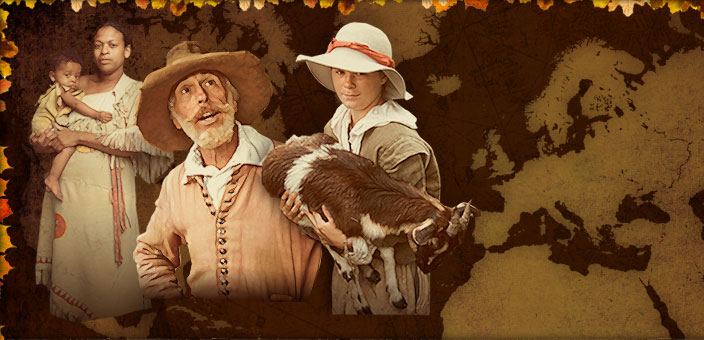
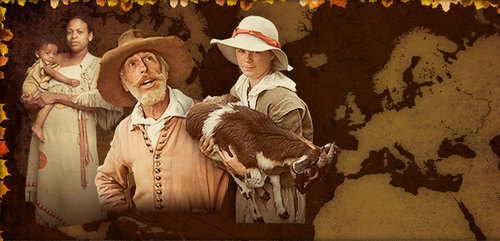
Find out how the Pilgrims and the Wampanoag Native Americans celebrated the first Thanksgiving together at Plymouth Plantation.

Thanksgiving is right around the corner and this is a great resource with videos, primary documents, virtual field trips and lesson plans for all grades, K-12.  Students can see aspects of lifestyles, housing types and economic activies of both the Pilgrims and the Wampanoags.  For more resources about the Mayflower and the historically re-enacted village, see the Plimoth Plantation website.

Tags: K12, seasonal, historical, colonialism, virtual tours.

See on www.scholastic.com

Illegal Immigration

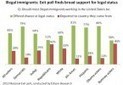
Illegal immigration is always a very touchy political topic that is all about cultural geography and communal identity.  This chart shows how various demographic consituencies feel about illegal immigration.  As this article insinuates, the Republican platform does not resonate with most of the voting public.   

See on www.washingtonpost.com

A Sense of Place

THERE WAS SOMETHING odd about the black car at the junction of Sutter and Hyde Streets. It was an ordinary saloon. Its windows were clear, and it looked in good…

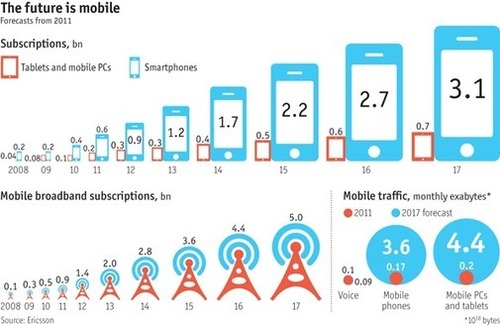
Technologies today have allowed us to be digitally connected from anywhere.  This impacts geographic patterns from outsourcing to local businesses that rely on interpersonal communications to connect potential demand with resources.  Some may see this as geography becoming less of a barrier, and consequently, less relevant.  This article in the Economist argues that as that these technologies have rendered location more important than ever since they rely on geospatial technologies.  “The reports of the death of distance have been much exaggerated.”

Tags: technology, globalization, location, place.

See on www.economist.com

2012 Election Cartograms

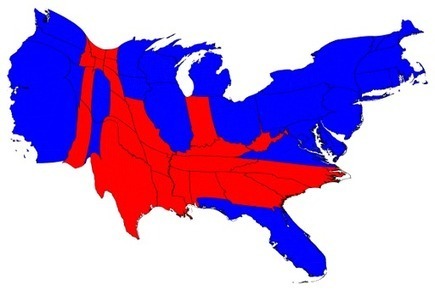
I’m sure most of you have seen the 2008 version of these fantastic maps and cartograms and they’ve been a go-to reference for me since the last election.  The typical red state/blue state map conceals much concerning the spatial voting patterns in the United States and fails to account for the population densities of these distributions.  That’s what makes this county level voting maps and cartograms so valuable.  

Questions to Ponder: What new patterns can you see in the county map that you couldn’t see in the state map?  What do the cartograms tell you about the United States population?  

Tags: cartography, mapping, rural, zbestofzbest.

See on www-personal.umich.edu

Expat Explorer Survey – world’s largest expat survey from HSBC Expat

If you were moving abroad, what would you want to know? Find out the results from the largest ever global independent survey of expats. Gain a unique insight into how expat life differs across the globe.

The labor market is increasingly becoming a global market.  These countries are the leading places for expatriate workers based on economic and experience factors (based on survey data).  You can adjust the criteria to see how the HSBC ranks these 30 countries as destinations for workers that aren’t afraid to move internationally.

Tags: labor, globalization, industry, economic.

See on www.expatexplorer.hsbc.com

Create a free website or blog at WordPress.com.

Up ↑