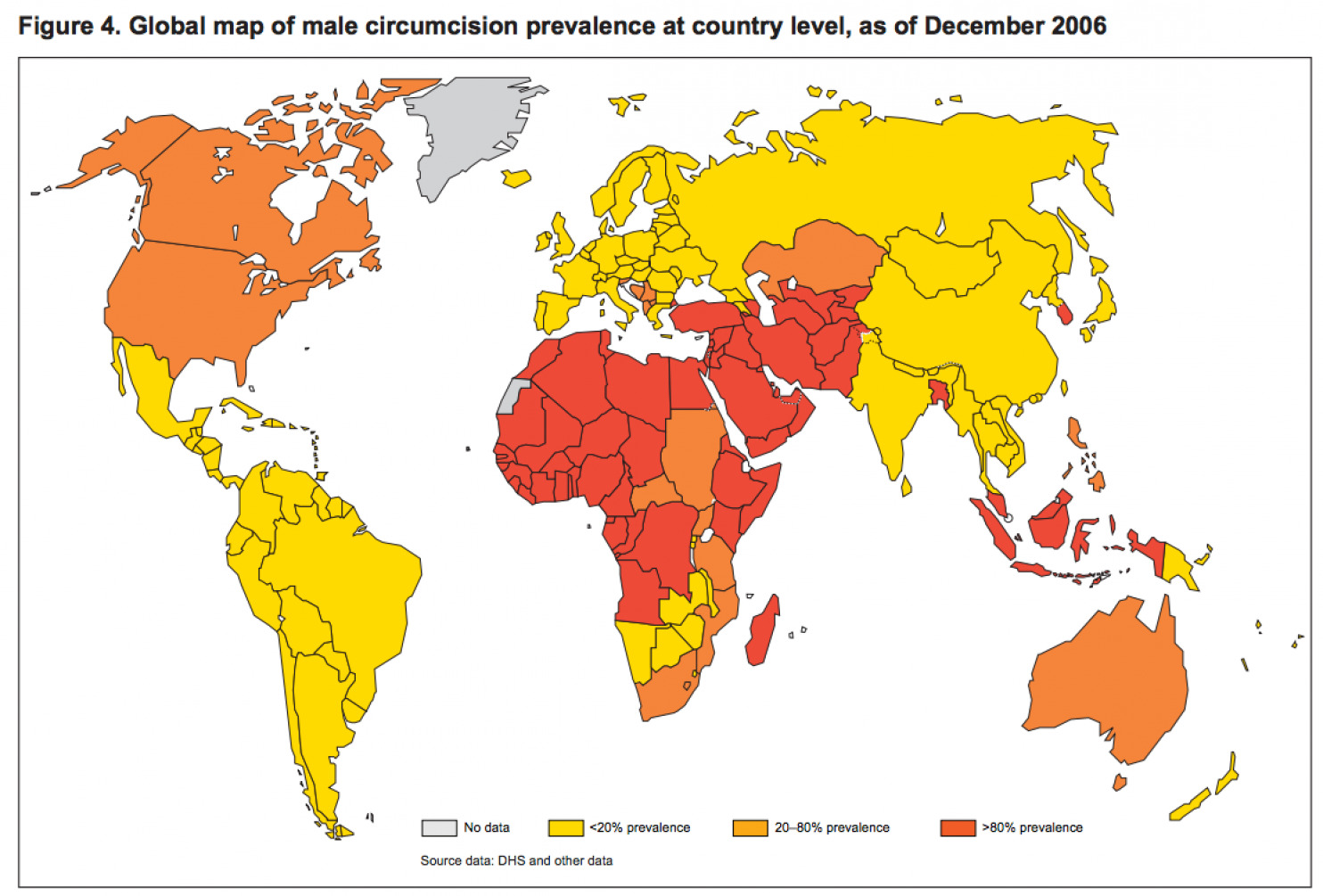
“There’s no question that among the world’s wealthy nations, the U.S. stands out when it comes to circumcision. The WHO estimates that the overall male circumcision rate in the states is somewhere between 76 and 92 percent. Most Western European countries, by contrast, have rates less than 20 percent. But even these numbers mask considerable regional variation within countries.”
The world’s population is projected to reach 11 billion by the end of the century. Feeding that many people will be a challenge, and it is further complicated by the impact of climate change on agriculture. That is why some people advocate an unusual way to boost the food supply and feed people sustainably: by eating less meat, and more insects.
While it might make economic, nutritional, and environmental sense, I’m sure that many are squeamish at the idea of insects primarily because in violates many deeply engrained cultural taboos. The main reasons listed in the video for promoting the production and consumption of more insects:
Insects are healthier than meat.
It is cheap (or free) to raise insects.
Raising insects is more sustainable than livestock.
Questions to Ponder: Would you be willing to try eating insects? How do you think this idea would go over with your family and friends? What cultural barriers might slow the diffusion of this practice?
“The reason why some countries are rich and others poor depends on the quality of their institutions, the culture they have, the natural resources they find and what latitude they’re on.“
I can’t say I agree with all the arguments put forward in this video, but it can be a nice starting point to get students to critically analyze the ideas put forth and assess the merits of the claims being made.
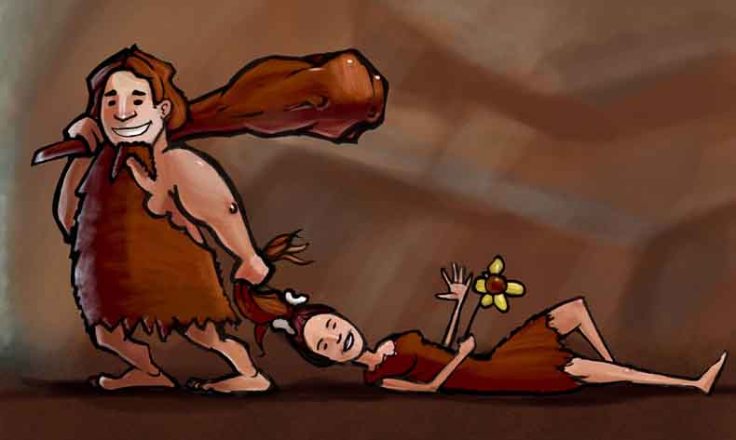
There is still this wider perception that hunter-gatherers are more macho or male-dominated. We’d argue it was only with the emergence of agriculture, when people could start to accumulate resources, that inequality emerged.
“K-pop sensation Psy was everywhere once but little has been heard since. What happened to him? Having earned an estimated $55m (£36m) from his work in the West, Psy is now racking up similar amounts from the lucrative Chinese market, where his collaboration with world-class pianist Lang Lang is currently producing a run of consecutive number ones. Psy’s decision to focus on the Asian music market may be an indication of where the entertainment industry turns over the highest profits for musicians.”
In 2012, we were analyzing the cultural geography of a viral sensation, that seemed to fizzle out so we dismissed it as a one-hit wonder. So often we assume that being culturally and economically viable in the West is of greatest importance, but truly savvy brands aren’t sleeping on East Asian markets. This “one-hit wonder” in the West strategically moved on to even larger markets.
TELEVISION DOCUMENTARY: Examines the slum areas of Cincinnati, Ohio, and provides extensive views of substandard housing in various parts of the city. Describes the problems of the uneducated and unemployed who cannot escape from poverty, but finds a “ray of hope” in a young school child. Offers no solution for eliminating urban poverty, but states that everyone “must try.”
While some of the technological presentation and the intellectual framework are certainly outdated, it is a glimpse into how America thought about poverty during the LBJ administration and the famous “War on Poverty.”
Let’s make “10 not 12!” a new mantra for saving our cities and towns.
[12 foot lanes] are wrong because of a fundamental error that underlies the practice of traffic engineering—and many other disciplines—an outright refusal to acknowledge that human behavior is impacted by its environment.
Greetings from Cincinnati, OH, home of the 2015 AP Human Geography reading. Over 600 professionals are here to score over 160,000 exams. I’ve been delighted to share here the Professional Development activities in past years (2012: Roger Downs on Geographic Expertise; 2014: James Johnson on Disruptive Demographics). This year, we will have two professional development nights. The first one featured Dr. Barry Brunt and was titled,The European Union: Demographics and Geographics (Powerpoint slides and PDF here). The second was with Dr. Sarah Bednarz, President-Elect of the AAG; she discussed Best Practices in Geographic Education (Powerpoint slides and PDF file here). Below you can find the digital copies of the daily newsletters for this event will be archived.