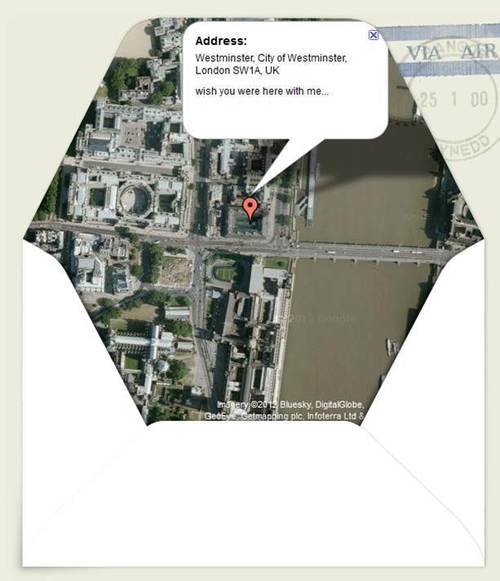
Print your own customized, place-based envelopes using Google Maps imagery.
See on www.mapenvelope.com
Print your own customized, place-based envelopes using Google Maps imagery.
See on www.mapenvelope.com
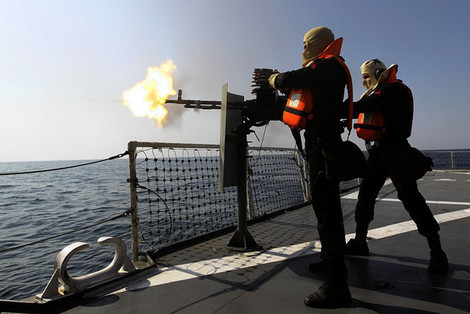
To understand today’s global conflicts, forget economics and technology and take a hard look at a map, writes Robert D. Kaplan.
This is a timely article that shows the importance of geography in understanding current events throughout the world. Also included in this link are videos and pictures connected to an interactive map that highlights a few global conflicts. Students would benefit from reading this article in preparation for completing a news article assignment. Geographic context always matters; it might not tell the whole story but it will certainly shape it.
Tags: Geography, GeographyEducation, Unit 1 GeoPrinciples.
See on online.wsj.com
Any cartographic fine-tuning of borders that you would suggest? What truths does this map obscure?
Tags: regions, sport, mapping.
See on i.imgur.com
This is the truly global project that asks the children of the world to introduce us to the people of the world. We’ve seen videos and resources that ask the question, “if there were only 100 people in the world, what would it look like?” This takes that idea of making demographic statistics more meaningful one step further by asking student in schools for around the world to nominate some “representative people” and share their stories. The site houses videos, galleries from each continent and analyze themes that all societies must deal with. This site that looks at the people and places on out planet to promote greater appreciation of cultural diversity and understanding is a great find.
Tags: Worldwide, statistics, K12, education, comparison.
See on www.100people.org
In the Mid-Morning Plenary Session of the ESRI User Conference, it was apparent that students can learn in meaningful ways by applying GIS to real-world situations.
Tags: GIS, edtech, GeographyEducation.
See on blogs.esri.com

The undersea work & world of Michael Lombardi…
MIchael Lombardi is a both a scientific and commericial diver; as an author and environmentalist and an Explorer in Residence with the National Geographic Society. This Saturday he will be the guest speaker for the Rhode Island Geography Education Alliance meeting and I am incredibly excited to hear from him.
Tags: water, National Geographic, RhodeIsland, physical, biogeography, environment.
See on www.oceanopportunity.com

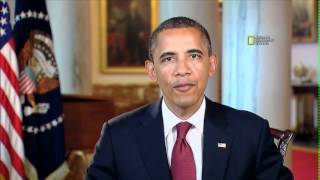
“The study of geography is about more than just memorizing places on a map. It’s about understanding the complexity of our world, appreciating the diversity of cultures that exists across continents. And in the end, it’s about using all that knowledge to help bridge divides and bring people together.”
–President Barack Obama
Tags: Geography, GeographyEducation, video, geo-inspiration.
See on www.youtube.com
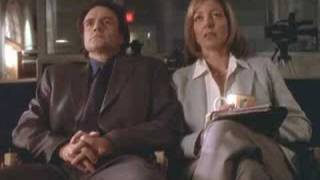
This is a clip from the TV show West Wing (Season 2-Episode 16) where cartography plays a key role in the plot. In this episode the fictitious (but still on Facebook) group named “the Organization of Cartographers for Social Justice” is campaigning to have the President officially endorse the Gall-Peters Projection in schools and denounce the Mercator projection. The argument being that children will grow up thinking some places are not as important because they are minimized by the map projection. While a bit comical, the cartographic debate is quite informative even if it was designed to appear as though the issue was trivial.
Questions to Ponder: Why do map projections matter? Is one global map projection inherently better than the rest?
Tags: Mapping, geospatial, video, visualization.
See on www.youtube.com
Authoritative weekly newspaper focusing on international politics and business news and opinion.
Tags: Economic, currency, visualization.
See on www.economist.com