In February of 2022, I could not imagine a scenario where Ukraine, without any other military allies, would be able to repel a Russian invasion, much less start winning back some territory that they lost. True, many got it wrong, but what did we not see? I overestimated the competency of the Russian military and assumed greater demographic resources would be sufficient to explain the result of the conflict. More importantly though, I underestimated the galvanizing force that nationalism would have on a country under attack. If Ukraine wasn’t the most cohesive ethnic group with a cohesive national identity, this Russian invasion strengthened the cultural cohesion and the political identity to successfully fight back. The video below is a good explanation of the changes in the war from 2021 to Sept. 2022.
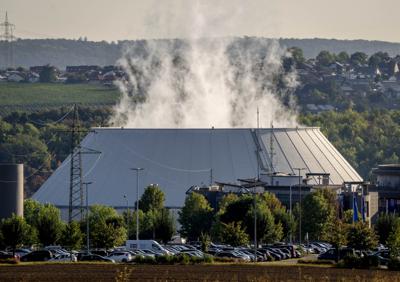
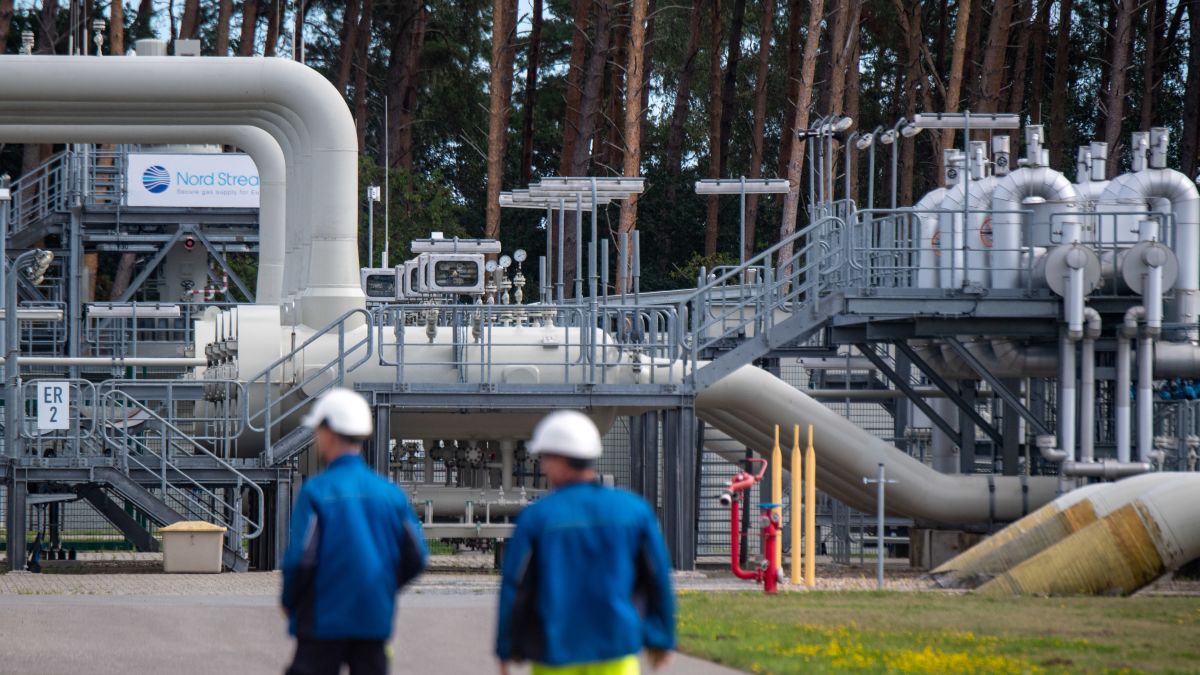
Energy prices have risen across Europe in the last year, and as winter approaches many fear that an energy crisis might be on the horizon. This brings up many questions, with the first and most obvious one being, why did energy prices rise? Complex global markets are, well, complex, but large geopolitical events are often the stage for trade disruptions that can lead to shortages. The Russian invasion of Ukraine in April 2022 was a major move, one that many European countries were quick to condemn. Russia is an energy exporter with large oil, coal and natural gas reserves. Russia supplied 40% of the EU’s natural gas before the war, but only 9% now after the Nord Stream 2 pipeline ceased being utilized. Nord Stream 1, which pipes gas through the Baltic to Germany, has a very limited flow currently (officially, this is annual maintenance, but skeptics note that the flow is lower than regular maintenance and suspect Russia is putting the squeeze on the EU). This summer’s heat wave wouldn’t have been as big and issue if energy were abundant and relatively cheap in Europe.
Europe has stumbled into an energy crisis because of these geopolitical maneuverings. Natural gas is a primary energy source, but one that is especially used for heating and therefore, more critical in the wintertime. The United States and European countries sought to impose strong economic sanctions against Russia, hoping to cut into Putin’s revenue stream and stop the war; or at least not feel as though they were funding the war. This overvalued the power of an embargo of an and underappreciated the reliance of the European economy and standard of living on access to affordable energy.
Natural gas prices in Europe were at times in the summer, 7 to 8 times more expensive than gas in the United States. Many private individuals, small businesses, and any business with a thin profit margin, felt the squeeze of energy bills. Russia isn’t backing down from any economic sanction, saying that other regions besides Europe will gladly buy Russian gas. China has kept Russian production from grinding to a halt, effectively breaking the westward embargo, by sending it East. Consequently, Europe is facing the negative consequences of the economic sanctions more so than the Russian energy sector.
Europe has diversified natural gas and other energy sources, and launching a package of emergency proposals to get through the winter. Some analysts are optimist that Europe has solved the energy crisis before winter, by building more storage, increasing domestic production, and diversifying their supply. . Countries like Germany have been reluctant to use their nuclear power and were caught flat-footed. Coal, nuclear energy, and other energy sources that were dismissed for carbon emission concerns or environmental concerns are being reevaluated as the need is high in an energy-hungry market. The prices will continue to fluctuate but this is an issue worth keeping an eye on in the next few months.
TAGS: Europe, energy, geopolitics.
The collapse of the Sri Lankan government was a shock, but outside of regional experts, few were paying attention to the South Asian Island nation during the global pandemic to worry about their agriculture and economy. Now is the time for us to reflect and consider. There was a currency crisis, food shortages, energy shortages, a suffering tourism industry during COVID, a popular uprising, but underneath it all were the policies that destabilized the whole system. Policies that sounded seductively enticing, and generated global admiration from the WEF and sustainable agriculture advocates. Sri Lanka received a glowing ESG score, but despite this international acclaim, it came with one fatal flaw—the policies didn’t support the people of Sri Lanka.
I will focus primarily on the agricultural aspects of crisis (since it fits best with human geography curriculum) but yes, there were other political and economic factors. Organic farming is only for the wealthy in developed countries that can afford organic food as a lifestyle choice, or the very poor in rural, underdeveloped regions that engage in subsistence agriculture without access to Green Revolution technologies. Organic food accounts for 1% of the global food trade, and most of humanity relies of the technological advancements made by the Green Revolution for their food supply.
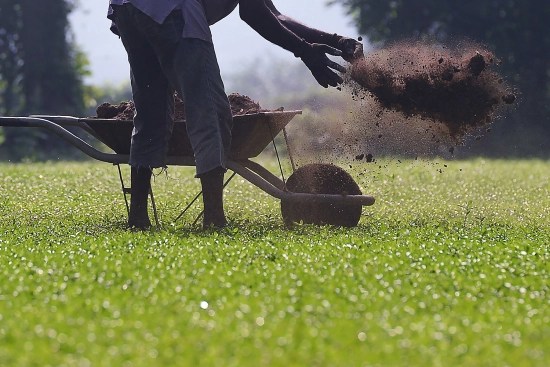
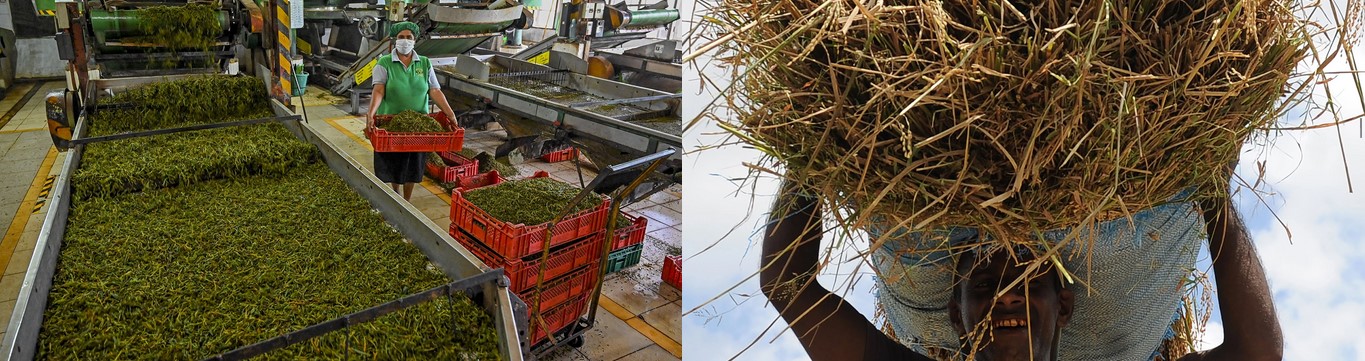
The government of Sri Lanka announced a 10-year plan to transition to 100% organic farming, by banning synthetic fertilizers and pesticides (the very inputs that double Sri Lanka’s yield in the 1960s from the Green Revolution). Over 30% of Sri Lankan farmland lay dormant without enough manure and other approved replacements. Something else that we often forget is the modern agriculture is heavily dependent on fossil fuel usage for the heavy machinery to replace manual labor. As the economy struggled, fuel prices went up and resources were rationed so that farmers couldn’t run their machinery and couldn’t get they products to the market. 85% of farmers suffered crop losses and overall production declined by over 20%, which might not sound like much as the 4th largest tea exporter in the world and a country that primarily consumes rice, crashing the rice and tea markets in catastrophic.
Sustainable agriculture sounds lovely as a goal, but not if the needs of the people are not being met first. Sri Lanka serves a cautionary tale for countries prioritizing international environmental aims over policies that will promote economic growth and human flourishing within their borders. The romanticism of organic agriculture is a fine choice for those who can afford it, but horrible to impose on those who cannot.
Main Sources: Foreign Policy, BBC World Service Podcast.
Tags: agriculture, political, Sri Lanka, agribusiness, South Asia.


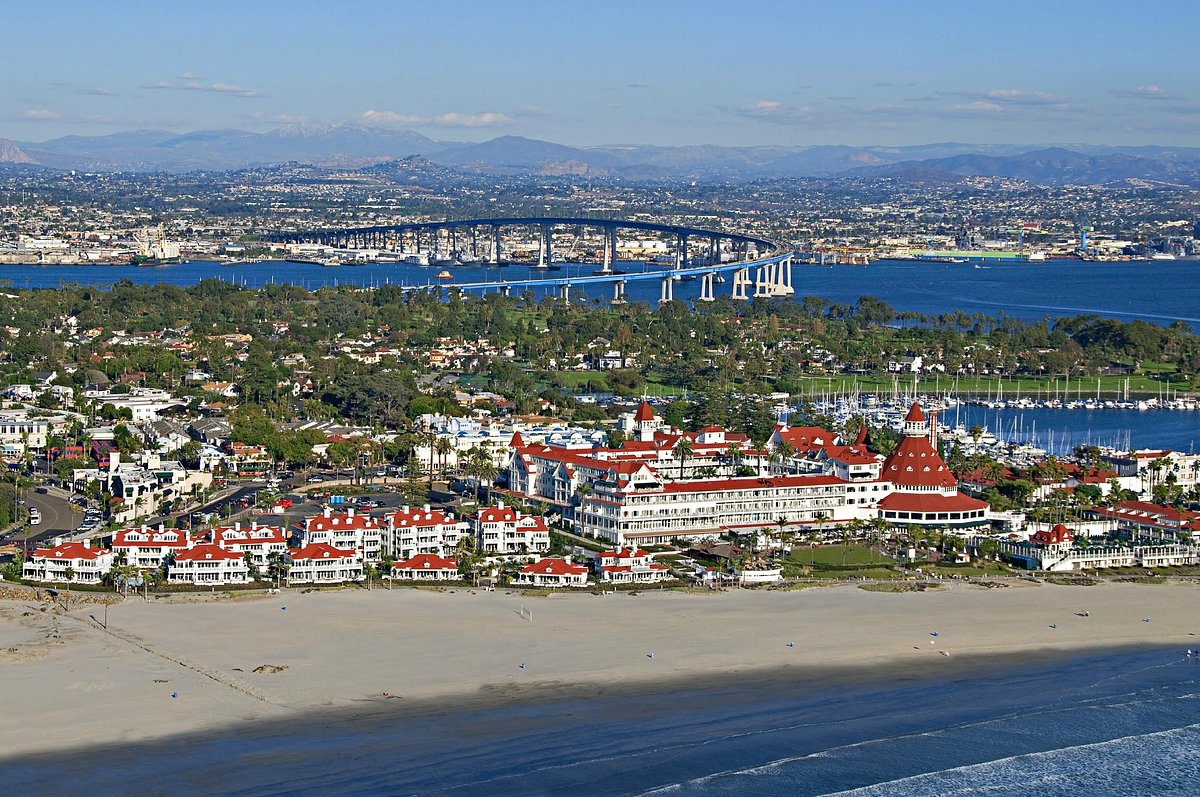
I was in the waves, enjoying the beach on my vacation to San Diego, when the importance of geographic scale to political governance hit me (I know, I’m a geography nerd…guilty). Local, state, national, and international organizations administer laws and regulations over space, and there are going to be overlapping jurisdictions and different priorities at different scales. I visited the two beaches I always went to as a kid, Coronado and Imperial Beach (IB). These are the two most southern beaches in California, and Coronado is now famous for the Top Gun: Maverick beach scenes with Point Loma in the background. Not surprisingly, tourism is incredibly important to these beach communities, especially in the summer. As is often the case, this little case study shows how geographic topics and scales are interlinked on the ground (or in the water as it were).

INTERNATIONAL CONTEXT: The Tijuana River flows through downtown Tijuana and crosses the U.S. border before emptying into the Pacific Ocean. The river is heavily industrialized in Mexico with pollutants and sewage from the major urban area of Tijuana, but the river is treated as a wetlands wilderness preserve in the once it crosses into the United States (downstream of the pollutants).
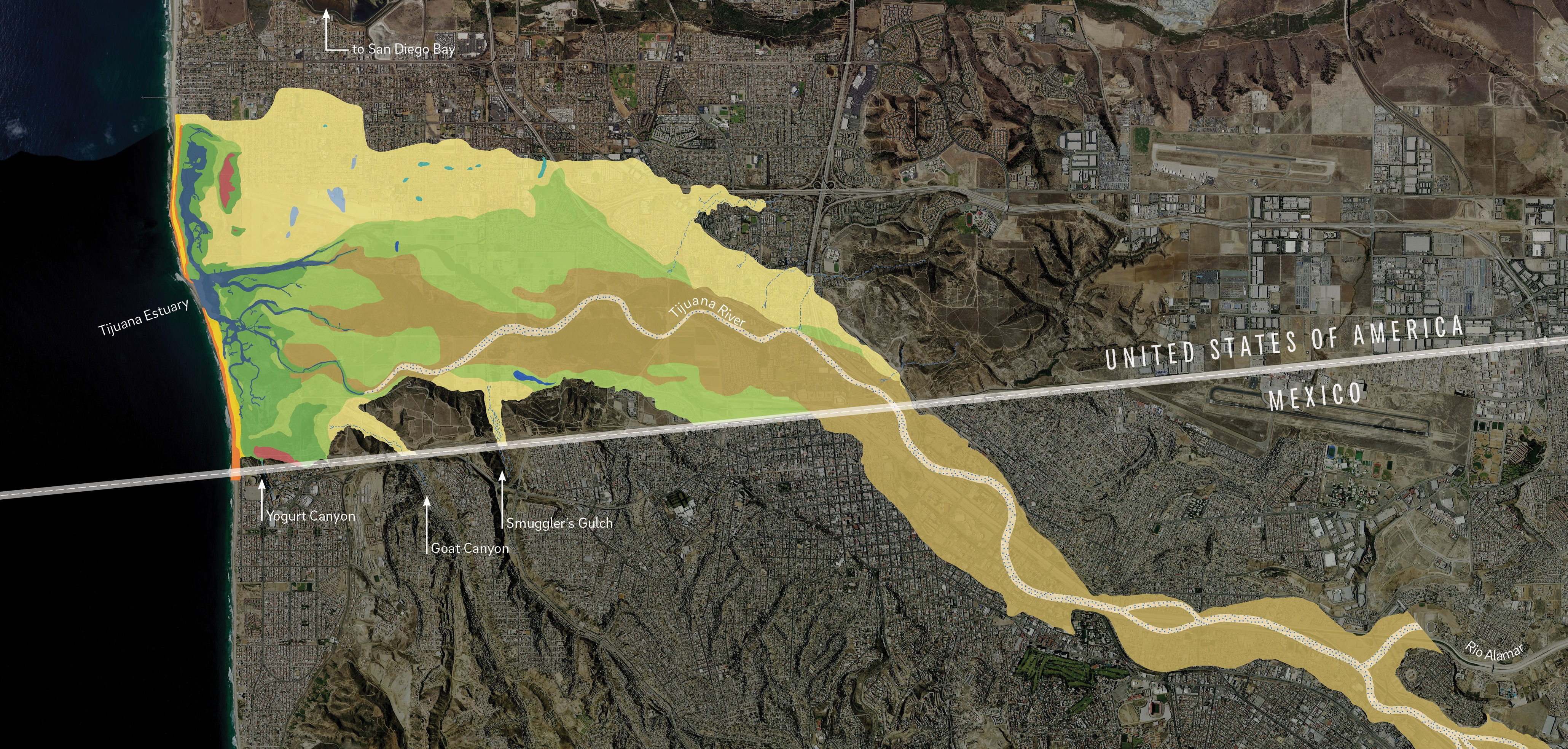
LOCAL (CITY) CONTEXT: The South Bay beach communities have built a summer economy around surfing, sandcastles, and chilling at the beach. This municipalities generate a substantial portion of local revenue from the shops, restaurants, and businesses (Hotel Del Coronado is the most famous seaside venue here).
COUNTY CONTEXT: In May, 2022, San Diego County changed their methods of testing water quality. They implemented a DNA test to screen for bacteria in the water. This test is more sensitive that the older tests and San Diego County is the only county in the U.S. using this heightened standard to measure water quality at the beach.
PANDEMIC CONTEXT: Public health is more on the forefront of people’s radar and many agencies are more risk averse than individuals.
SITUATION: The water at Imperial Beach, Silver Stand, and Coronado failed the new 2022 test more often than not even if it would have passed by the old standard. May and early June, the beaches were closed over 50% of the time. San Diego County cities can’t control the Tijuana River much before it crosses back into the United States, so they are limited on options to clean up the river, but the Federal government though, through the EPA, announced in 2021 that a $300 million initiative in conjunction with the Mexican government. This summer, Coronado has had to cancel large regional events and now the mayors, city councils, business leaders, and residents are pushing back against the new county testing procedures, citing economic damage to their communities. They have settled on a new advisory system that includes a comprise warning—one where the state is acknowledging that the water is polluted (3% chance of getting sick), but that people who have been to these beaches for years can choose for themselves to swim or not.
What is the right choice? Depends on your priorities (maintaining the tourist economy or public health benefits?) and the scale at which you are looking at the situation.
Tags: California, coastal, scale, environmental, political, pollution.
“It’s not often a country asks to be annexed and even rarer that the answer is no. Yet this is what happened when Mongolia asked the USSR for just that. So why did the USSR say no? To find out, watch this short and simple animated documentary.” SOURCE: YouTube
I haven’t shared much information about Mongolia on this site before (FUN FACT: Mongolia is the least densely populated county in the world). Most social studies educators are well aware of the history of the Mongolian Empire hundreds of years ago, but we lose the thread of Mongolia in the larger world history narrative. So modern Mongolia: why is it an independent country? It is a classic buffer state between Russia and China and has been used as either a puppet or a pawn by its larger neighbors.
TAGS: Mongolia, historical.
Lake Volta, the largest reservoir in the world, covers over 3% of the Ghana’s land. This video does a great job explaining the economic and political rationale that led the newly independent country of Ghana to sacrifice such a large portion of their territory (Super quick answer—to get electricity to fuel their economy and become the world’s leading aluminum producer). This hits on a variety of geographic themes: human and environmental interactions, modifications to the landscape, economic development, neocolonialism, migration through displacement, globalization, etc.
Tags: Africa, development, Ghana.


Let’s first dispel some mistaken ideas about Taco Bell (Malcolm Gladwell’s excellent podcast, Revisionist History discussed Taco Bell extensively in an episode that was primarily about the concept of cultural appropriation in music and food).
Myth #1: The Bell represents the Spanish Mission of the Southwest. Fact: Glen Bell is the founder so the family name is the rationale for the iconic bell.
Myth #2: Taco Bell makes bad, cheap Mexican food. Taco Bell’s goal is not trying to make Mexican food, but to make an interpretation of Mexican food for a broader audience with a different palate. They search for the familiar in the unfamiliar and make it all seem new.
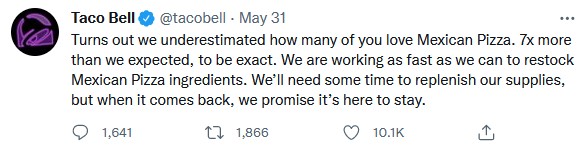
One of these “interpretations” of Mexican food is the Mexican Pizza (not a thing in Mexico). While the name doesn’t sound American, the creation of this is a distinctly American concoction. The cultural creation of this on the surface seems like a simple mash-up, but the cultural dynamics are a little more interesting than that. Yes, the fusion is of two familiar ideas, but the reaction to and how cultural innovations are received is culturally mediated. This may seem surprising, but South Asian immigrants to the United States especially love Mexican Pizza (NPR article) because it 1) it has a combination of flavors and spices that is reminiscent of South Asian traditional foods, 2) it can be made to be vegetarian which aligns with the religious customs of Hinduism, and 3) eating fast food with a friends of all backgrounds feels like an All-American activity for young immigrants and children of immigrants.
The cultural reception of the Mexican Pizza shocked Taco Bell executives since the planned for it to be a seasonal part of the menu, like the McRib is for McDonalds’. Sure, it was partly supply chain issues, but they drastically underestimated that this particular menu item would culturally resonate beyond their normal consumer base as demonstrated by this tweet below:
TAGS: culture, diffusion, food.
The video I REALLY want you to watch is Video #3, but I need to explain a few things first because more than just the music and dance styles are getting mashed up, but cultural styles and influences are converging to create new forms of expression.
In the Punjab region (in India as well as Pakistan), the musical and dance tradition of bhangra is a deeply connection to local customs, religions, and traditions as they vary in different regions. The coming of spring, weddings, and ceremonies were known for large-scale bhangra dances which are tailor-made for audio-visual extravaganzas. In 2008, the song Aaja Ni Aaja was released and through online channels it became linked to a larger, global audience.
Decades earlier, Elvis Presley was the biggest name in Rock ‘n Roll and was becoming a cross-over star, appearing in movies with infused with some of his hits. The 1957 movie Jailhouse Rock made a hit song out of the song of the same title, infusing African-American blues and Southern Country.
Both of these bits of cultural context are necessary for understanding the following cultural production that is embedded in the video below (finally! the video I really wanted to share). It’s an ingenious mashup that combines the audio of a bhangra song with Elvis’ video. At the core of the mashup is the idea that incredibly distinct cultural productions are not so incredibly different after all and the commonalities in many cultural expressions exhibit universal impulses. Music and dance, like all cultural expressions, are not authentically pure representations for one place and time, but have many influences and can diffusion in so many ways. Enjoy the “If Elvis were Punjabi” video!! (And how did I find this? On social media of course).
BONUS CLIP: I did go down a few rabbit holes writing this post to get some of the cultural context that I was missing and it was helpful for me to understand the South Asian culture more. India’s movie industry, a.k.a. Bollywood, has been the perfect platform to make many local, folk cultures to become more prominent and accessible to a larger, and more geographically dispersed audience. Below is a video showing some of the differences between traditional bhangra dance moves with a more modernized Bollywood version.
TAGS: culture, music, diffusion, India, South Asia.


For years I’ve enjoyed the clips on YouTube of “My First Errand” where it’s been running for decades in Japan. The very existence of the show demonstrates how we think about parenting and childhood are impacted by our cultural influences. Young kids go on their first unsupervised errand, but with an army of cameramen and shopkeepers prepared for the situation. Japanese parenting is designed to build resilience, trust in the community, and independence. Given that Japan’s culture this is perfectly reasonable, but now that the show is on Netflix as “Old Enough!”, American parents that parents quite differently, has more than a few parents watching this nervously and scared that it might even be dangerous.
The NPR article include an editor’s note about how this might not be acceptable to bring here because of local laws. CBS highlights the parenting debate, but in Australia, the Sydney Morning Herald sees this as a whole glimpse into childhood innocence and growth. Some just see an adorable show. We are caught off guard in the United States, and Netflix viewers are rooting for these toddlers that are given far more autonomy and responsibility than toddlers are given here. Other note that while this might work in a Japanese cultural context with pedestrian-friendly infrastructure, they don’t see how it could work in an American context.
Personally, I love that they are teaching children that they can develop some independence, resilience, and competence. We often assume we are the norm, and this is one case that shows American parenting culture in 21st century suburbs, does not represent the what has been normal throughout history, nor in other places. Some like Greg Lukianoff and Jonathan Haidt have argued that “the Coddling of the American Mind” has had some negative consequences as children who never were allowed to grow and experiment then reach college campuses (I highly recommend the book since this 1-sentence synopsis doesn’t do it justice).
The Daily Show even bit a bit saying that the show “divides parents.” (5:48-9:00 in the clip below)
TAGS: Japan, culture, cultural norms.



 GEOGRAPHY EDUCATION