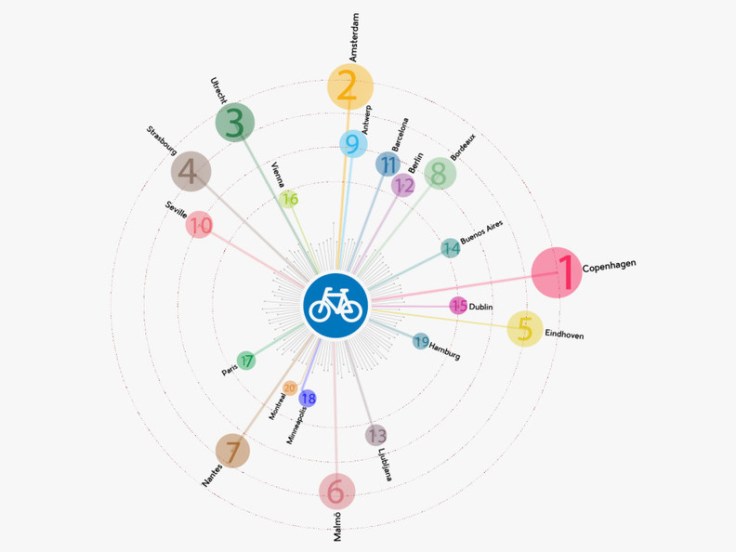
Investment in bicycle infrastructure is a modern and intelligent move. Many cities get this. Many don’t.
Tags: urban, place, transportation, planning, urbanism, architecture.
Source: www.wired.com
Investment in bicycle infrastructure is a modern and intelligent move. Many cities get this. Many don’t.
Tags: urban, place, transportation, planning, urbanism, architecture.
Source: www.wired.com
“President Barack Obama designated tens of thousands of acres of Maine forest as a national monument on Wednesday, one day before the 100th anniversary of the National Park Service. The area, known as the Katahdin Woods and Waters National Monument, spans 87,500 acres of the state’s stunning northern woods. The area is named for Mount Katahdin, which is Maine’s highest mountain and is located within the adjacent Baxter State Park.”
Tags: conservation, physical, biogeography, environment.
Source: vimeo.com
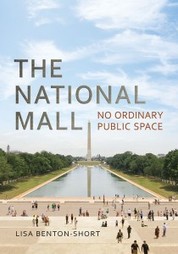
Lisa Benton-Short, author of The National Mall: No Ordinary Public Space talks about the overlooked urban National park sites, getting inspired by her own neighbourhood, and more.
Source: utpblog.utpress.utoronto.ca
The National Mall has been transformed so much in that last 200 years. Lisa Benton-Short, in this interview about her book says, “The Mall has been a place where I connect to American history and identity, and our country’s founding principles and ideals. It is place where you can feel the power of the monuments and memorials, the legacy of events, marches and protests. The Mall is an incredibly meaningful place. This book is the result of my intellectual curiosity as a scholar, but also my personal attachment to this place.”
Tags: historical, space, monuments, place, landscape.
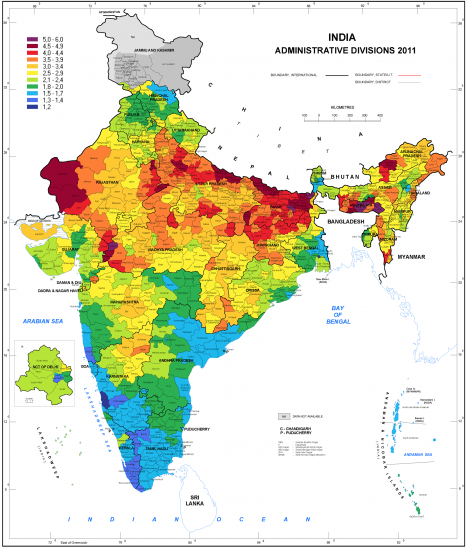
“An important aspect about country level data of fertility to keep in mind is that there can be considerable heterogeneity within countries, which are hidden in the mean fertility which were discussed in this entry. The mean Total Fertility Rate for India in 2010 was 2.8 (UN Data): But this average hides the fact that the fertility in many Southern Indian regions was below 1.5 (which is similar to the mean fertility in many European countries), while the fertility in Northern India was still higher than 5 children per woman (which is as high as the mean of the African countries with the highest fertility).”
Source: ourworldindata.org
This is a stunning example of uneven development and regional differences within countries. Too often we discuss countries as if the situation inside the borders of one country is the same throughout it, even if the geographic contexts can be wildly different.
Questions to Ponder: Why are the fertility rates in so different in northern and southern India? How does this regional imbalance impact the country? What are other examples of major differences within a country?
Tags: regions, population, demographic transition model, declining population, models, unit 2 population, India, South Asia.
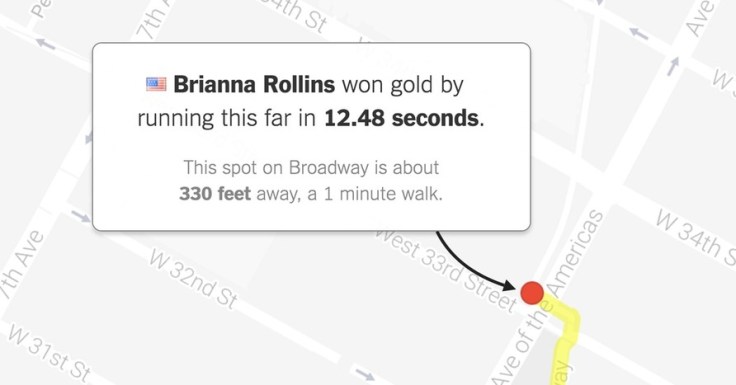
“What would Olympic races look like if they took place near you? Enter your address below to find out, or keep clicking the green button to explore races that begin in where you live.”
Source: www.nytimes.com
I thought I was done with the Olympics, but this just sucked me right back in…in the most geographically relevant way possible. Scale and distance are important geographic concepts and realizing JUST HOW FAST these Olympians are on the TV can be deceptive when they are paired up with other great Olympians. Seeing how far in your own neighborhood you would have to go to beat the 400m champion–or the 5000m. Since the United States doesn’t use the metric system, this map is a good way to contextualize these measurements and try to run the race in your own backyard. Let the Backyard Games begin!!
Tags: mapping, fun, scale, distance, sport, unit 1 GeoPrinciples.
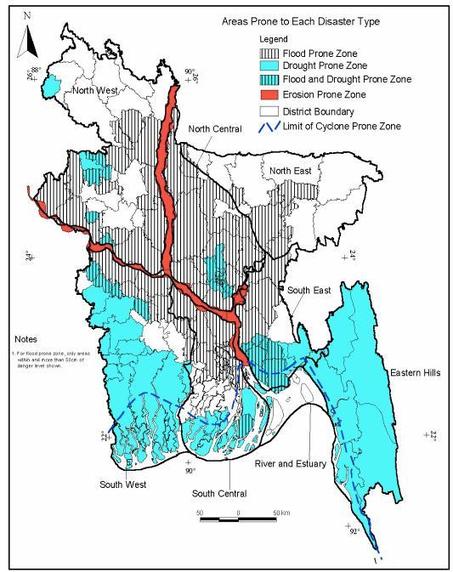
Bangladesh is exposed to threat of hazards resulting from a number of natural disasters and remains classified as one the most vulnerable countries. Majority of the country is affected by cyclone, drought and floods.
Source: www.saarc-sadkn.org
Bangladesh is regularly hit with different types of natural disasters. The impact of these natural disasters costs the country millions making it dependent on foreign aid. Disaster clean-up and relief aid after major floods, droughts, and hurricanes.
Tags: disasters, environment, Bangladesh, South Asia, development.
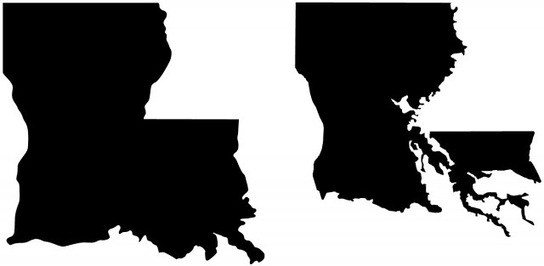
Unlike the many maps we have seen that show what Florida, Boston, or some other coastal location would look like with higher sea levels, the figure above compares the iconic outline of Louisiana with the present-day outline of its dry land. An important caveat is that some of the removed areas are wetlands, meaning they are not under water all the time, but those lands are not available for most human uses (aside from fishing), so this outline warrants attention.
Source: environmentalgeography.blogspot.com
Last month I was in New Orleans, Louisiana and I’m so disheartened to know that thousands have their homes under water. As stated in this article, “the boot is at best an inaccurate approximation of Louisiana’s true shape and, at worst, an irresponsible lie.” To explore the issue yourself, this gorgeous interactive map pulls together some high quality source materials on a wide range of issues to look at this environmental issues of this region in a holistic manner.
Tags: environment, weather and climate, coastal, water, disasters.
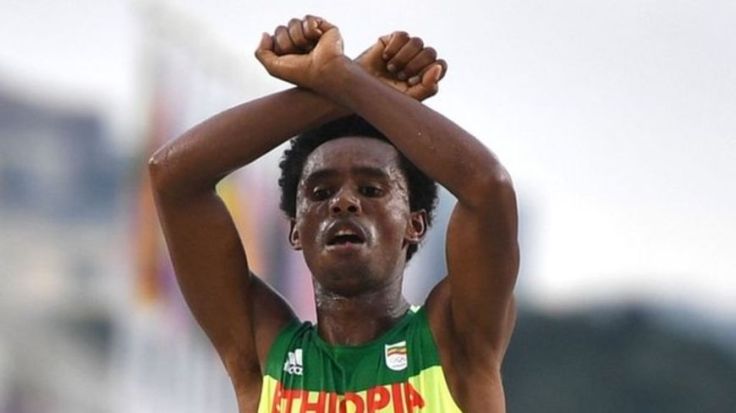
Feyisa Lilesa crosses his arms as he wins a silver medal – a gesture used by his Oromo people at home to protest against the government.
Source: www.bbc.com
The Olympics can bring to interesting cultural and political issues to a larger international audience. The Oromo people in Ethiopia are off our collective radar, but this marathoner made the world pay attention and start to ask questions about a part of the world that rarely gets global attention. Some other examples of how you can link students’ interest in the Olympics to expand their understanding about the world include:
What was your favorite ‘teaching moment’ from the Olympics?
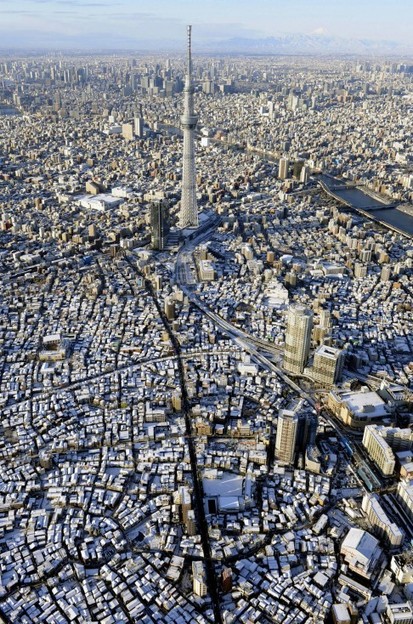
“Asia’s rapid urbanisation is changing the very shape and nature of what we think of as a city. It’s not just the rapid increase in their numbers or their sheer size that makes these megacities fascinating. They look, feel and behave differently, too.”
Source: www.scmp.com
The term megacity (a city with a population greater than 10 million) has been around for a while and there wasn’t much linguistic need to describe something bigger. Today, most megacities are more like Lagos and Mumbai, places of extreme wealth asymmetries than the global cities of New York City and London. Some are now using the term metacity to describe cities with populations of 20 million. Asian metacities are a good place to start thinking about the largest urban regions that are increasingly dominating economic, political and cultural affairs.
Tags: urban, megacities, East Asia.




