Search

GEOGRAPHY EDUCATION

Supporting geography educators everywhere with current digital resources.

Author

sethdixon

I am a geography professor at Rhode Island College.

Why the Ukraine Crisis Is the West’s Fault

Conventional wisdom in the West blames the Ukraine crisis on Russian aggression. But this account is wrong: Washington and its European allies actually share most of the responsibility, having spent decades pushing east into Russia’s natural sphere of interest.

Source: www.foreignaffairs.com

Ukraine is culturally, economically, and geographically connected with Russia. It is a territory that Russia cannot afford to lose as a part of their sphere of influence.  John Mearsheimer, in his article Why Ukraine Crisis is the West’s Fault, gives a detailed account of NATO expansion and how it effected the Russian demand for hegemony in East Europe. Ultimately it is his conclusion that it was this expansion that provoked the Russians, and the current crisis is on the hands of the West. The will of a majority of Ukrainians is be begin economically aligning more with EU/NATO countries.  Ukraine decided against Russia, and Russia responded with force.   Here is an article where scholars weigh in and mostly disagree with the author’s provocative assessment


Tags: op-ed, Ukrainesupranationalism, Russia, geopoliticspolitical.


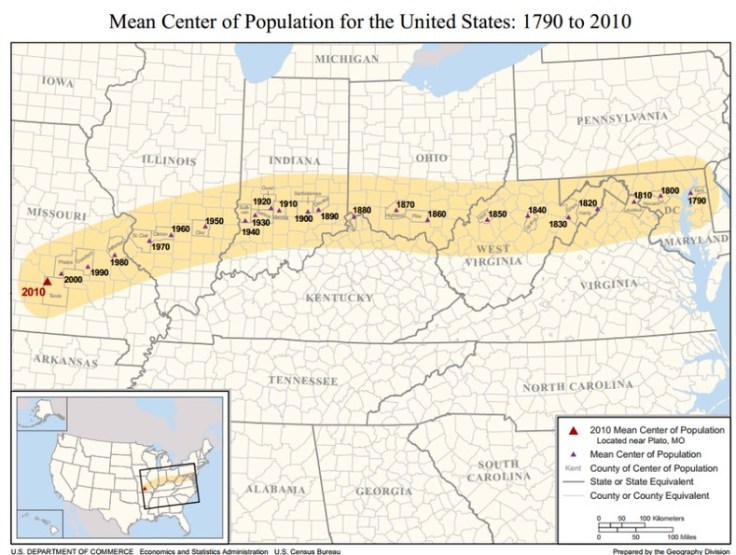
21 charts that explain how the US is changing

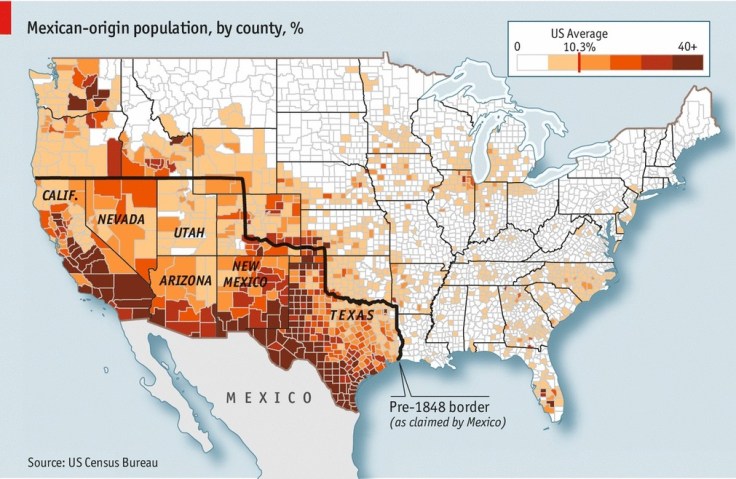
The US is a big, complicated place that has undergone some big changes over its 238 years, and even in the last few decades. Here are 21 charts that explain what life is like today in the US — who we are, where we live, how we work, how we have fun, and how we relate to each other.


Tags: USA, map, map archives

Source: www.vox.com

Making Ethanol from Sugarcane

This segment highlights how sugarcane is processed into ethanol for fuel and other uses.

Source: www.youtube.com

Sugarcane ethanol has proven to be one of the most environmentally safe alternative fuel sources. In addition to its green energy properties, sugarcane ethanol has fueled the Brazilian economy for over a decade. The Brazilian automotive industry have developed a complex, “Flex Fuel” engine that allows vehicles to run off of both gasoline and ethanol. Also, sugarcane ethanol has been one of their leading exports in the global economy. Due to recently discovered fuel deposits in Brazil and around the globe, there has been a decline in the need for sugarcane ethanol. This has negatively impacted the economy in addition to the Brazilian job market. But thanks to the engineering of cellulosic ethanol, Brazil is striving to become the green energy superpower yet again.


Questions to Ponder: Since cellulosic ethanol production is so expensive, do you think that will deter production and customers from purchasing it? Do you think that Brazil will ever become independent of fossil fuels as a result of their successful sugarcane ethanol production?


Tagsenergy, resourcespolitical ecologyagriculture, food production, land use, Brazil, South America.

Live chart: Fish stocks

“The world’s fish are in danger—as is everyone who depends on them.”

Source: www.youtube.com

Every semester I share with my students this New York Times video about the rapid rise in industrial fishing and the production of Talapia.  Even with the rise of aquaculture as a major source of seafood, the world’s oceans are still depleted.  As the world’s population rises, many folk cultures with their roots in small fishing villages have transformed into primarily urban societies, but these urban societies still have a strong cultural preference for seafood and consume at levels that are not sustainable.    


Tags: environment modifyfolk culturesconsumption, water, physical.

Mexico’s Drug War

“Despite Mexico’s strengthening democracy and booming economy, the country’s security crisis rages on. Fifty thousand people have been killed in the past five years due to drug and organized crime-related violence.”

Source: www.youtube.com

Drug trafficking between Mexico and the Unites States has been burdening both countries for decades. Violence, drug abuse, kidnappings, murders, and government corruption are just a few of the issues that have resulted from it. The Mexican cartela are the culprits behind all of these issues. This gang is funded by drug money. They even exchange drugs for weapons over the U.S border. Recently, many Mexican marijuana farmers have stopped production due to the legalization of pot in many U.S states. Because pot is being produced in smaller quantities in Mexico, the amount of trafficking over the border will decrease, additionally resulting in lower crime rates and violence at the border. The only sure way to help end the drug war is to end the use of illegal drugs in both Mexico and the United States, but that is easier said than done.


TagsMexico, conflictnarcotics.

Stop opposing GMOs, Nobel laureates say

It’s the latest sign of a rift between the scientific establishment and anti-GMO activists.

Source: www.washingtonpost.com

Environmental activists are often frustrated when climate change skeptics do not listen to the scientific consensus that the Earth’s climate has changed because of humanity’s collective actions.  On the flip side, some environmental organizations, such as Greenpeace, ignore the overwhelming scientific consensus that GMOs are safe for human consumption.  Both have been highly politicized and tap into larger narratives that confirm particular world views.  Most of the opposition to GMOs is not because of the information that is out there, but the fear of the unknown that GMOs illicit.  


Tags: GMOs, technology, agriculture, agribusiness.


Ecotourism in Australia

“Ecotourism strives to protect the native cultures and environments of destinations while entertaining and informing tourists of all ages. For many years people within the tourism industry have debated what destinations and practices truly qualify as ecotourism without reaching a definitive consensus.”

Source: cardinalscholar.bsu.edu

Ecotourism is an important aspect of Australia’s success. The Australian Government produced a website, that is dedicated to the tourism and ecotourism industry.  There is a debate of land claims between the Australian Government and indigenous people. The cultural difference plays a significant role in the success of ecotourism because tourists enjoy the cultural heritage. The separation has created social, political, and economic reasons to be involved or not in ecotourism. The Australian Government has developed certificates and policies to allow aborigines rights of their land.


Tags: biogeography, environmentindigenous, ecology, Australia, Oceania.

London Should Secede From the United Kingdom

Beyond the stunning act that has become Britain’s vote to leave the European Union lies a deeper message: Democracy is not destiny, but devolution. Ceaseless entropy — the second law of thermodynamics — applies to politics as well. The more countries democratize, the more local populations seek greater self-rule.

Source: foreignpolicy.com

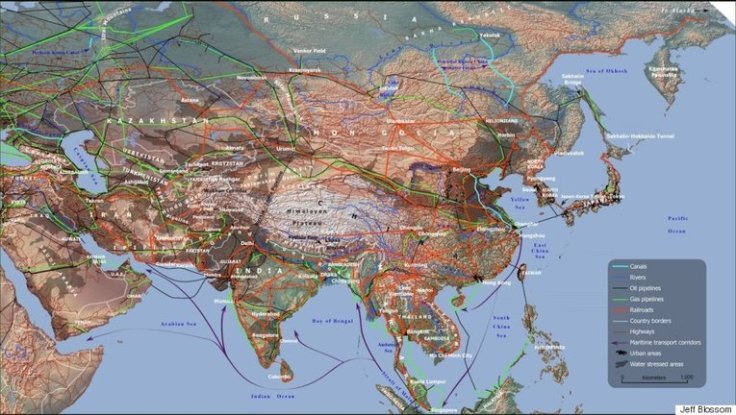
In his book Connectography by Parag Khanna, he argues that connectivity and networks are more important today.  Using those ideas, Khanna discusses London’s options after the recent Brexit vote in this op-ed.

Brexit: Reaction and the Aftermath

“The reactions to the Brexit have come in from all corners.  Since this was so shocking, newspapers articles that are insightful are using hyperbole in their titles to get our attention (Britain just killed globalization as we know it–Washington Post; Will Brexit mark the end of the age of globalization?–LA Times).  There have also been some excellent political cartoons and memes, so I wanted to archive a few of them here.”  


Tags: Europe, supranationalismglobalization, economic, political, images.

Source: geographyeducation.org

Blog at WordPress.com.

Up ↑