Once again the AP Human Geography reading was a success. I still firmly believe that this group pf 500+ teachers and professors have GOT to be the most extraordinary and interesting people than any…
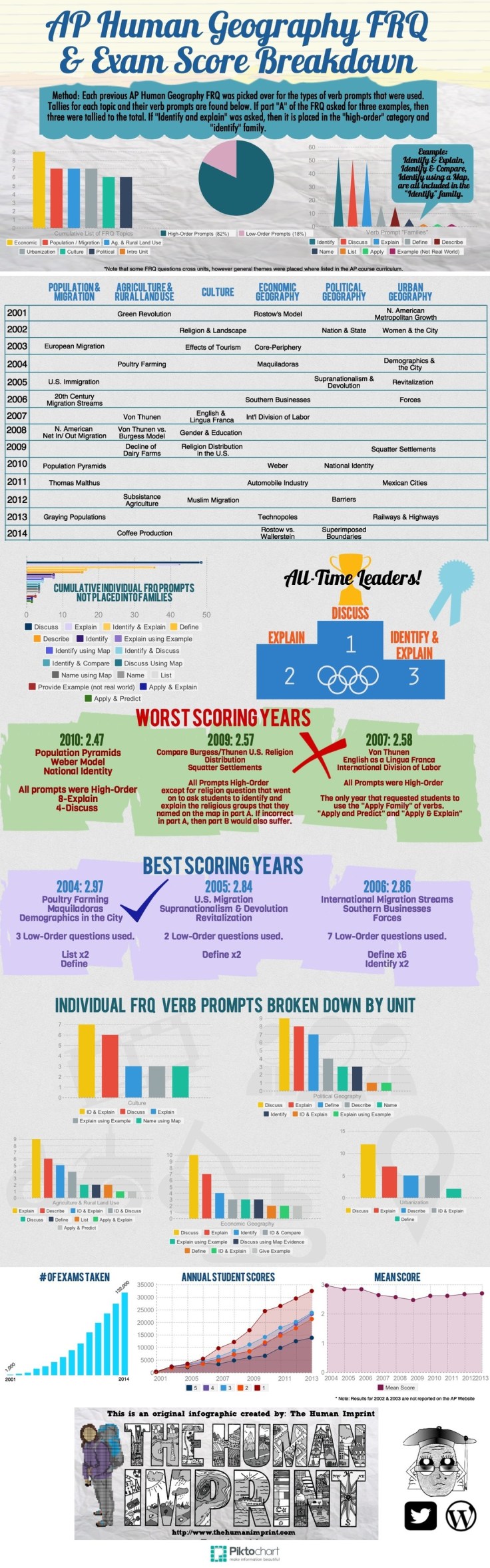
This article (with an outstanding infographic) from the Human Imprint is an excellent summary of the AP Human Geography reading and gives some valuable insights to prepare students to pass the exam. This is well worth the read for any APHG teacher.
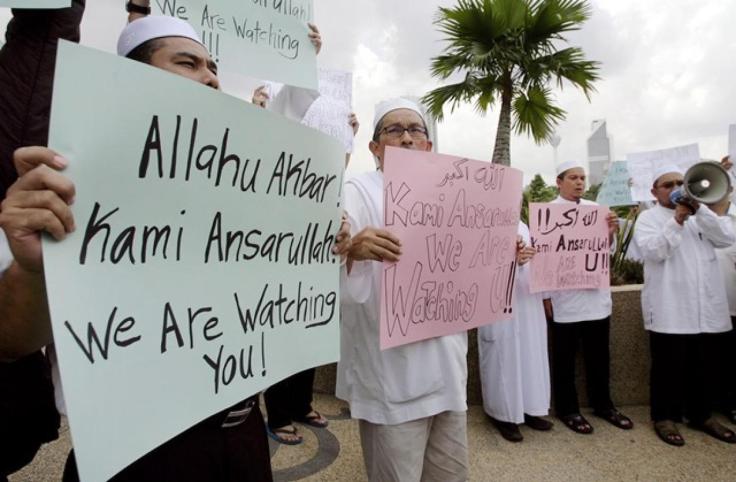
In Arabic, the word Allah means God. Christian Arabs refer to God as Allah and Arabic versions of the Bible reference Allah. As Arabic and Islam have diffused in interwoven patterns, the linguistic root and the theological meanings have became intertwined to some. BBC World and Al-Jazeera have reported on this issue as the Malaysian government has attempted to ban the use of the word Allah to any non-Muslim religious group. Language and religion just got very political.
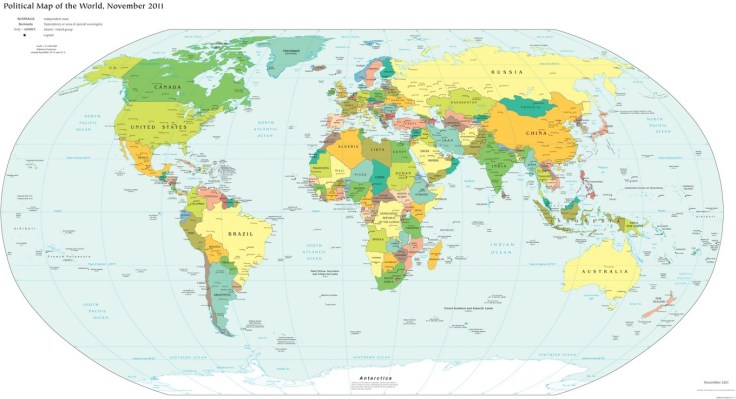
“Unfortunately, most world political maps aren’t telling you the whole story. The idea that the earth’s land is cleanly divvied up into nation-states – one country for each of the world’s peoples – is more an imaginative ideal than a reality. Read on to learn about five ways your map is lying to you about borders, territories, and even the roster of the world’s countries.”
This is a nice article to get students to look past the officialness of a world map to explore some of the complexities that make contemporary political geography so compelling. In a nutshell, this article discusses 5 major themes:
Disregard the rough English grammar; this is a nice article to show some of the historical, ethnic, linguistic and political complexities behind African borders. This would be a great supplemental article to help AP Human Geography students to prepare for Question 2 of the 2014 AP Human Geography Exam that focused on superimposed boundaries within an African context.
“Today, innovation is taking place where people can come together, not in isolated spaces. Innovation districts are this century’s productive geography, they are both competitive places and ‘cool spaces’ and they will transform your city and metropolis.”
As described by the Brookings Institution in their exploration regarding innovation districts, they are geographic areas where leading-edge companies, research institutions, start-ups, and business incubators are located in dense proximity. These districts are created to facilitate new connections and ideas, speed up the commercialization of those ideas, and support urban economies by growing jobs in ways that leverage their distinct economic position.
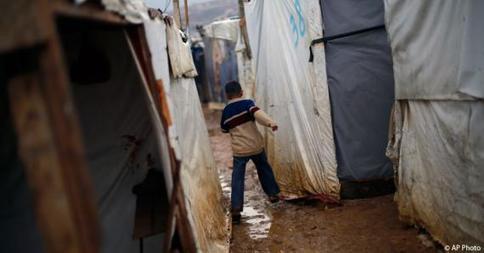
“There are more people displaced by violence and conflict on the planet right now than at any time since World War II. The United Nations Refugee Agency (UNHCR) says the number of people forcibly displaced, including refugees, asylum-seekers, and internally displaced persons has now reached over 51 million.”
From the difference between refugees and internally displaced people, to the gendered impact of refugees, this shines some light on the problems confronting refugees as well as on some of the solutions.
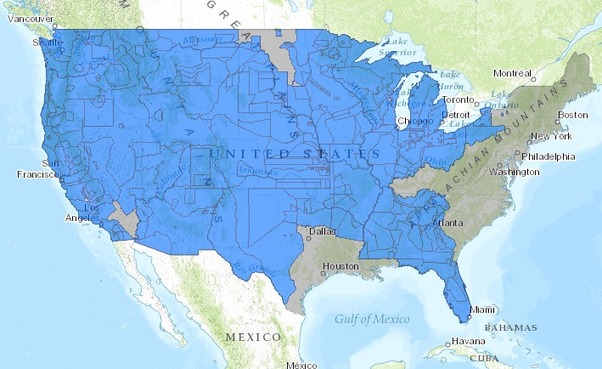
This interactive map, produced by University of Georgia historian Claudio Saunt to accompany his new book West of the Revolution: An Uncommon History of 1776, offers a time-lapse vision of the transfer of Indian land between 1776 and 1887. As blue “Indian homelands” disappear, small red areas appear, indicating the establishment of reservations (above is a static image of the map; visit the map’s page to play with its features).
In the past I’ve shared maps that show the historic expansion of the United States–a temporal and spatial visualization of Manifest Destiny. The difference with this interactive is that the narrative focuses on the declining territory controlled by Native Americans instead of the growth of the United States. That may seem a minor detail, but how history is told shapes our perception of events, identities and places.
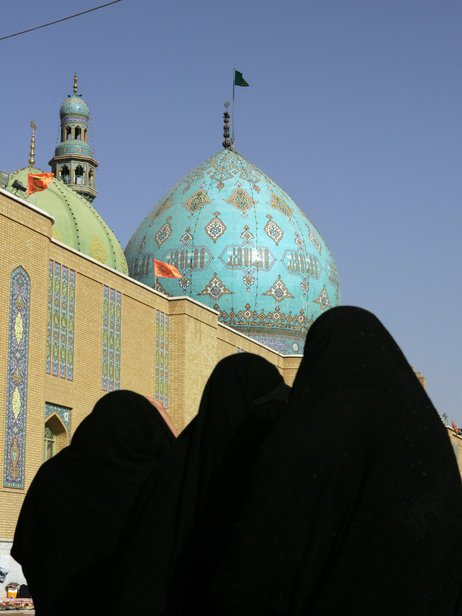
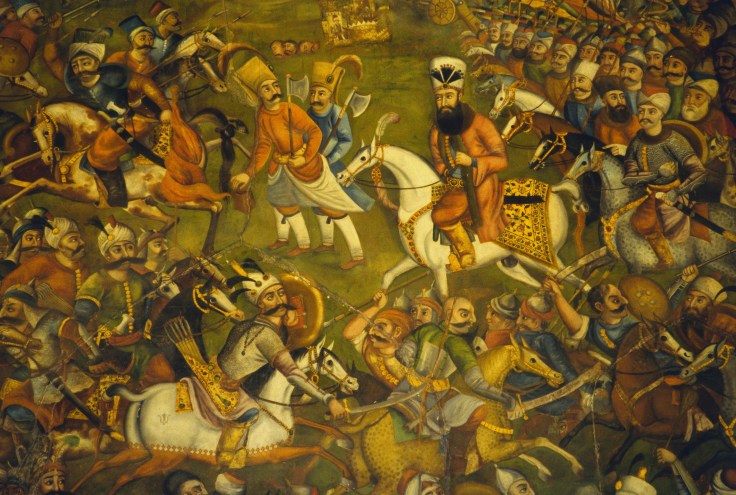
The division between Islam’s Shiite minority and the Sunni majority is deepening across the Middle East. The split occurred soon after the death of the Prophet Muhammad, nearly 1,400 years ago.
The ghosts of religious wars past are rattling in Iraq; The geography of the Sunni-Shiite division is incredibly important for a good understanding of world regional geography as well as modern geopolitics. This NPR podcast examines the historical and religious aspects of this split to then analyze the political and cultural implications in the Middle East today.
“A radical fringe Islamic group names ISIS is fighting to establish a extremist Islamic state in Iraq and Syria…and beyond. They control eastern Syria, western Iraq, just took control of Iraq’s 2nd largest city of Mosul and are advancing on the capital Baghdad. In this podcast, the professor John Boyer outlines just a few of the contributing factors to why this significant event is taking place, the geographic/historic background of the state, and the consequences for the future of the region.”
If you haven’t yet discovered John Boyer, a.k.a. the Plaid Avenger, I recommend exploring his site. He has numerous resources for world regional geography and current global affairs. His colorful persona is highly entertaining for college age-students as his class attracts over 3,000 students each semester (you can decide for yourself whether that personality works for you and your classroom). This particular ‘plaidcast’ discussion focuses on Iraq’s current devolution and possible total collapse.




 GEOGRAPHY EDUCATION