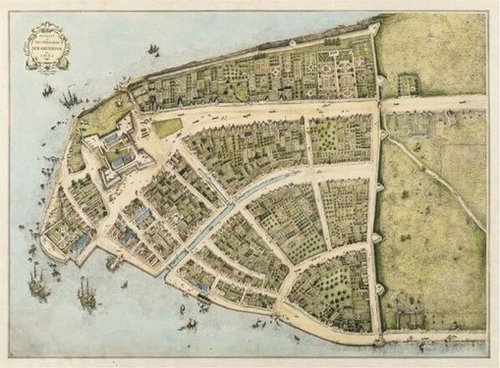
Try out some geography trivia in our World Cities Quiz: a great geography quiz that tests your knowledge of some of the major cities of the word!
See on www.quizfortune.com
Try out some geography trivia in our World Cities Quiz: a great geography quiz that tests your knowledge of some of the major cities of the word!
See on www.quizfortune.com
A race for energy resources makes unresolved territorial disputes more dangerous in both North-East and South-East Asia
Tags: borders, political, conflict, war, China, Japan, East Asia.
Many of the geopolitical conflicts in the East Pacific have their roots in the territorial disputes over islands that at first glance seem as if they wouldn’t be worth the trouble. However, since the the UNCLOS agreement gives countries 200 nautical miles off their coasts to be an Exclusive Economic Zone, that greatly enhanced the strategic value of controlling these islands.
See on www.economist.com
Myths and facts about health, corruption, and saving the world
Tags: food, agriculture, agribusiness, locavore, unit 5 agriculture.
So many articles about organic or genetically engineered foods are written with someone with a very defined position on the subject (abortion, gun control or other controversial topics). This article is an attempt to separate out the good the bad and the ugly regarding genetically engineered foods.
See on www.theatlantic.com
What can economists learn from linguists?
Tags: language, culture, economic, TED.
Our thoughts shape the words we speak, but the language we speak (and ways we communicate) help shape the way we think. In this TED talk, an economist looks at how the grammatical structure that languages use to speak about the future impacts how the speakers of the language are able to save money for future events. For 5 other examples of how language can impact how we think and perceive the world, see this attached article.
See on www.ted.com
Tags: transportation, mapping, place.
This comic strip would be funnier if it weren’t so true. Studies have shown that children who are driven everywhere do not have as fully developed mental maps as children who walk through their neighborhoods or ride their bikes. For some lesson plans on mental maps, click here.
What would the perfect immigration system look like? We asked three economists to dream big.
This is an intriguing podcast focused on how to best manage national borders if the only goal were to strengthen the economy (they center the conversatri on the United States). These economists envision plans with more incentives to attract a labor force that is more highly-skilled is crucial to having a rational migration policy. How how you manage the borders if you were in charge? How would your plan strengthen the country?
See on www.npr.org
The International Monetary Fund has censured Argentina for failing to supply accurate economic data, the first time the global crisis lender has taken such an action against a member.
See on www.telegraph.co.uk