The region of Nagorno-Karabakh has had ethnic, political, and cultural strife ever since the fall of the Soviet Union. In October 2023, Azerbaijan militarily took over the region prompting many ethnic Armenians to flee to Armenia. Since 1994, this was the event that Armenia was trying to prevent, but couldn’t.
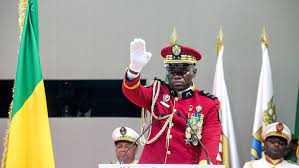
“Omar Bongo became president in 1967, remaining at the helm until his death in 2009. His son, Ali Bongo, succeeded him, until Gen Ngeuma toppled him last month. In Gabon’s capital Libreville, [some] sees coup leader General Brice Oligui Ngeuma as a Moses-like figure who has unshackled the nation from the chains of his former boss – President Ali Bongo.” SOURCE: BBC
This is a bit of current affairs looking at the recent coup in Gabon and the personalities of the power players. However, this BBC article also gives a broad perspective at the same time, looking at topics such as French colonialism, Chinese influence in Africa, “big man politics,” resource extraction, and the importance of a diversified economy. In other words, this can be a nice case-study to explore a variety of important Sub-Saharan issues.
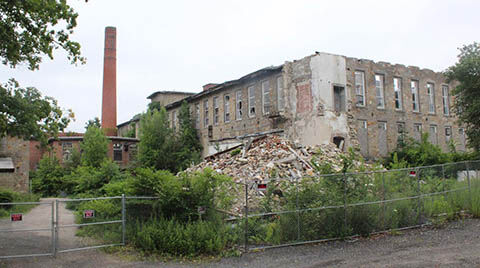
“The historic Hope Mill in Scituate will soon be torn down after it was deemed unsafe. The long-vacant mill, which officially shut down in 2006, and has been slowly decaying ever since. The former textile mill sits along the Pawtuxet River in the Hope Village Historic District, which is listed on the National Register of Historic Places.” SOURCE: WPRI
This story about this old mill being demolished (which is less than 2 miles from my residence) definitely hits close to home.
Growth and development are signs in the cultural landscape that show change in the economic landscape. So too are decline and decay. Mills used to dot the large, navigable rivers of southern New England, helping to shape a distinctive feature of Rhode Island landscapes. As energy technology and local economics shifted, these mills no longer are used to serve their original purpose to manufacture light textiles. Today many have been retrofitted to be condominiums, apartments, warehouses, retails space and all kinds of other land uses. Even with this creative use of existing infrastructure, many mills are underutilized or even become abandoned. After years of neglect, these types of building have a negative impact on the community as visible signs of disuse create a depressing ambience that signals communal decline.
When the Dutch wanted to expand their territories, they turned to the North Sea to create more arable land for Dutch farmers. Likewise, Singapore has reclaimed land to expand their territories. Over 95% of Egypt’s population live along the Nile River and its fertile delta, and the population (over 110 million people) continues to grow and is seeking new options. While this isn’t expanding into the sea, it is a type of land reclamation project as they environment is modified to make the desert bloom. Both of these embedded videos are helpful introductions to the political, economic, demographic, and environmental aspects of these projects in the Middle East.
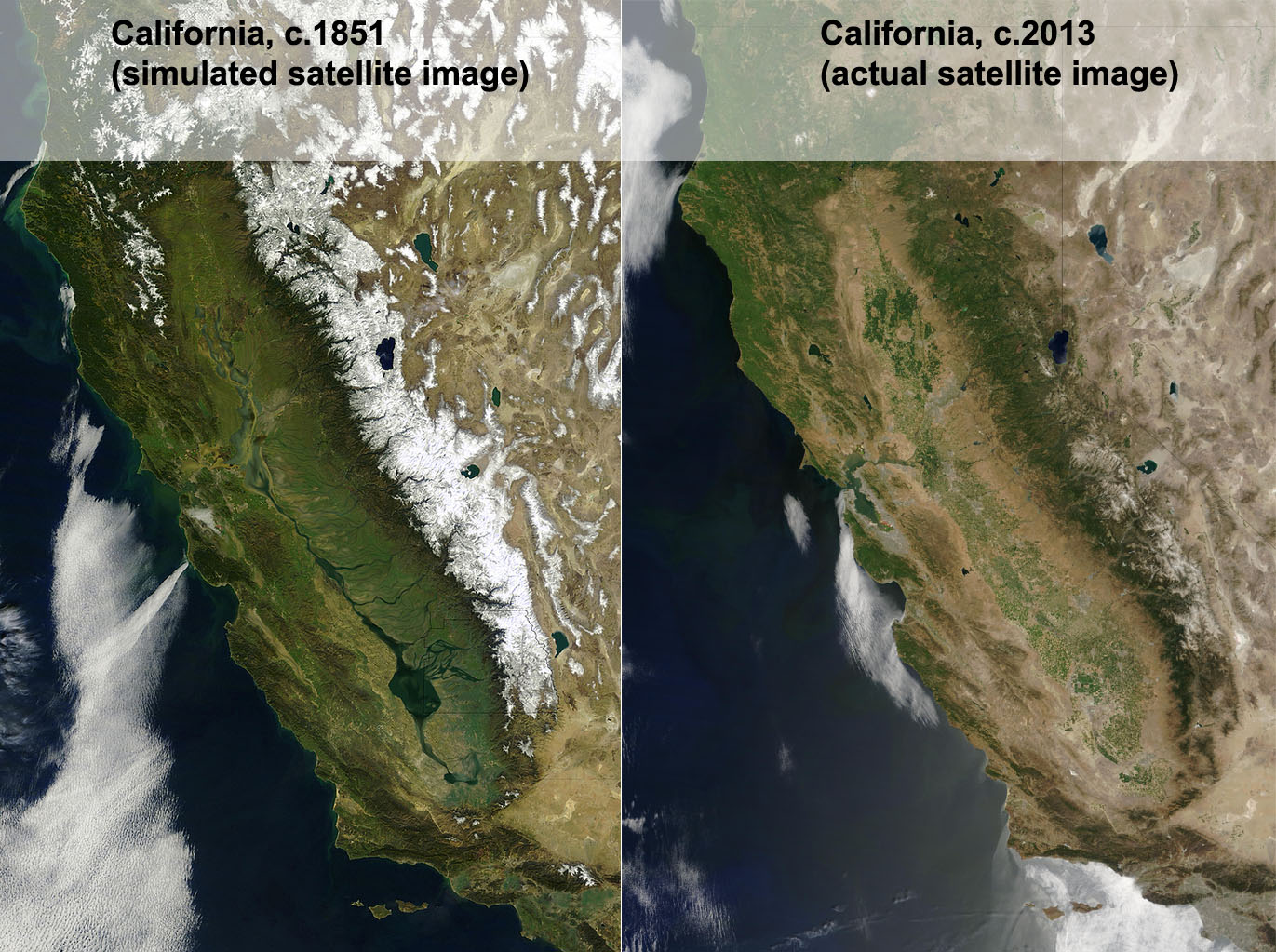
FIGURE 1: The Central Valley is a highly modified agricultural landscape. SOURCE: Big Think
A few years ago, I was delighted to see an geographer’s rendition of what a satellite image of California would have looked if such a thing existed in the 1800s (figure 1). Back then the southern San Joaquin Valley was swampy wetland surrounding Lake Tulare, the largest freshwater lake west of the Mississippi River. In the late 1800s, canals and dams were created to divert water from the rivers that fed into the lake to go supporting agriculture and the metropolitan areas of California. As the very shallow lake dried up, the lakebed was converted into was converted to agricultural land, mainly under cotton cultivation.
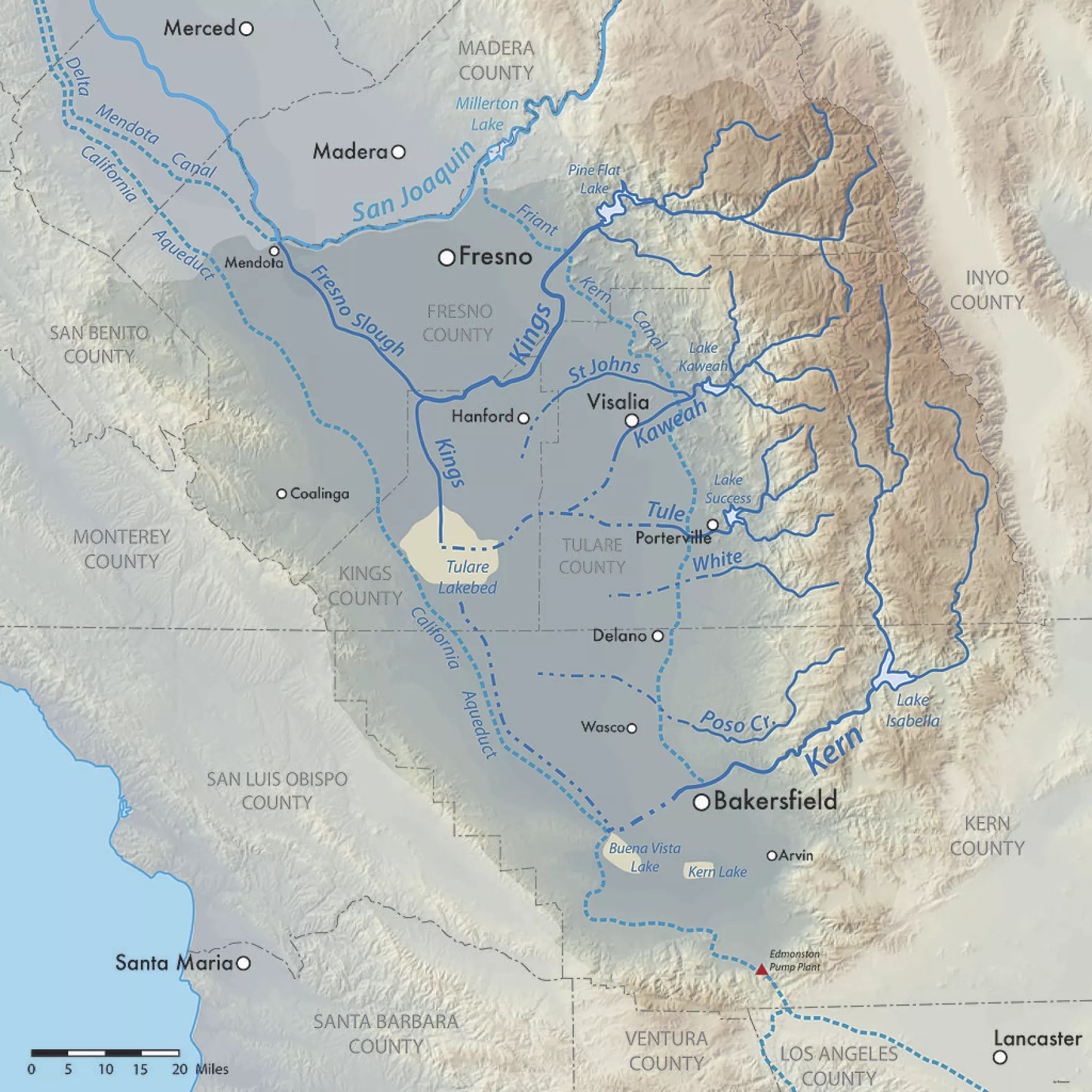
Figure 2: The Tulare Watershed with dry lake beds that are refilling. Source: KVPR
California and much of the wast have had far more precipitation than expected on the heels of years of drought. The existing canals and reservoirs in the watershed are overflowing and the dry lake bed with fields is getting flooded again; water doesn’t care about what is there now, it just flows downhill. Enter the 2023 version of Tulare Lake flooding farmland, roads, railways, towns, and other expensive infrastructure.
While it won’t return to its historic levels with one year’s snowpack, it’s likely that 100,000 acres (150 sq. miles) of farmland will be under water for two years, possibly more. This is a relatively lightly populated region, but some cities like Corcoran, CA (22,000 people) are on the edge of the old lake bed and might need to be partially evacuated as levees have failed to stem the tide.
Agricultural companies and local towns are both trying to protect their lands from flooding to protect their infrastructure, equipment, homes, and people. At times, these goals are at odds with one another, and armed guards are protecting levees and hydrologic projects. Below are two videos that are good introductions to the topic of the reemergence of Lake Tulare.
Questions to Ponder: How has agriculture and urbanization modified your state’s geography? What are the positive impacts of these modifications? What are potential negative consequences of these modifications?
“If you look at maps of the Americas ranging from the 16th to the 20th centuries many of them have an island within the Gulf of Mexico called Bermeja…but on modern maps, it’s not there.” SOURCE: Geography Geek
Don’t be fooled by the click-bait nature of the embedded video title (of course the CIA didn’t make the island disappear), because this obscure topic is a nice entry into several geographic topics. In the Gulf of Mexico, the tiny island of Bermeja (Vermeia) was listed on maps from 1539 to 1922 as Mexican territory but simply on the strength of these old maps and 16th century maritime record. As oil exploration in the Gulf intensified, and with the passage of UNCLOS, Mexico wanted to claim as large an Exclusive Economic Zone as possible and even searched for this apocryphal island, but to no avail. This has led to two donut-hole gaps in the Gulf of Mexico between the US and Mexican EEZs, one that has be negotiated, and one that still remains to be determined. The island, or lack there of is insignificant, but there are 3 good geographic topics this highlights:
Cartographic errors that get repeated over centuries.
“Chinese individuals now see Singapore as the vessel that can navigate them through a series of expected storms. At the same time, they add, it is becoming an increasingly vital place for outposts of Wall Street and the global financial industry to interact with them. For many years, Singapore has liked to sell itself as the Switzerland of Asia. The new cold war, says one former top official, is finally turning that pitch into a reality. The big question, though, is how far Singapore will tolerate being Switzerland with Chinese characteristics.” SOURCE: Financial Times
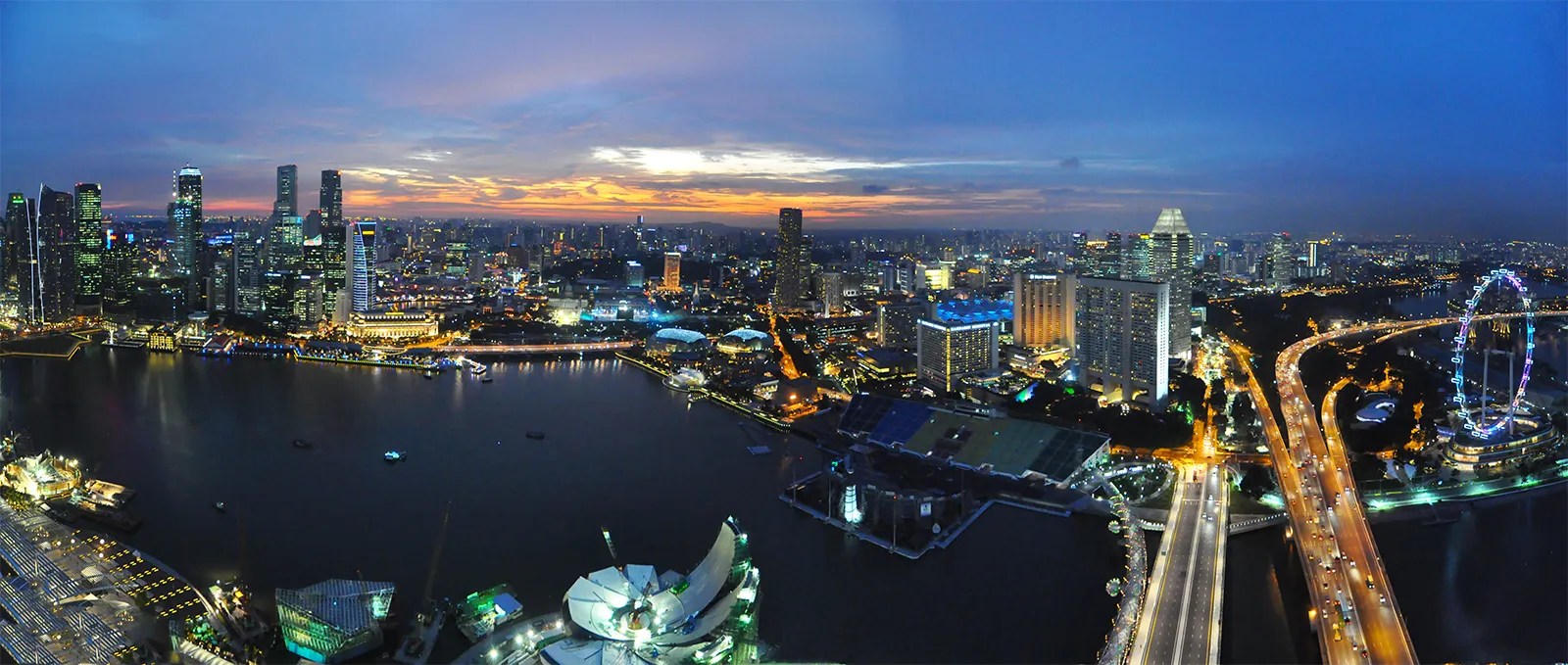
Singapore is small, but it is strategically located and tightly linked to all the important players in the region. Singapore (about 75% ethnically Chinese) has played a role in Chinese migration and wealth and more Chinese companies are choosing Singapore as a base of operations. With many companies and countries leery about the Communist party, having a company operating out of Singapore is a safe bet for investors, so investors and Western partners are also choosing Singapore as a politically neutral safe haven for investors. This article nicely outlined the economic and geographic appeal of Singapore that has made it an economic powerhouse.
“Indonesian lawmakersunanimously passed a sweeping new criminal code on Tuesday that criminalizes sex outside marriage, as part of a tranche of changes that critics say threaten human rights and freedoms in the Southeast Asian country.” SOURCE: BBC
Classical liberal values (free speech, rights for minority groups, fair elections, freedom of press, etc.) have grown in most places in most times, but that isn’t a guarantee that it will always be so or that it will in all places it will be maintained. Indonesia is the world’s largest Muslim majority population with a diverse set of religious traditions emmeshed. Indonesia, with thousands of islands, is also home to great array of linguistic diversity.
Indonesia, at the end of 2022, outlawed sexual interactions outside of those legally recognized marriages. The government framed the old laws as vestiges of an old colonial legacy that will allow them to return to traditional cultural values of the country, while others feel that this is conflating what is considered sinful with the criminal. This with likely impact the tourism industry as those traveling abroad that are not in marital unions will likely head to other tropical Southeast Asian destinations. A week after the law was passed, the governor of Bali (a noted travel destination for Australians and Europeans) went on record that tourists would not be investigated under this law.
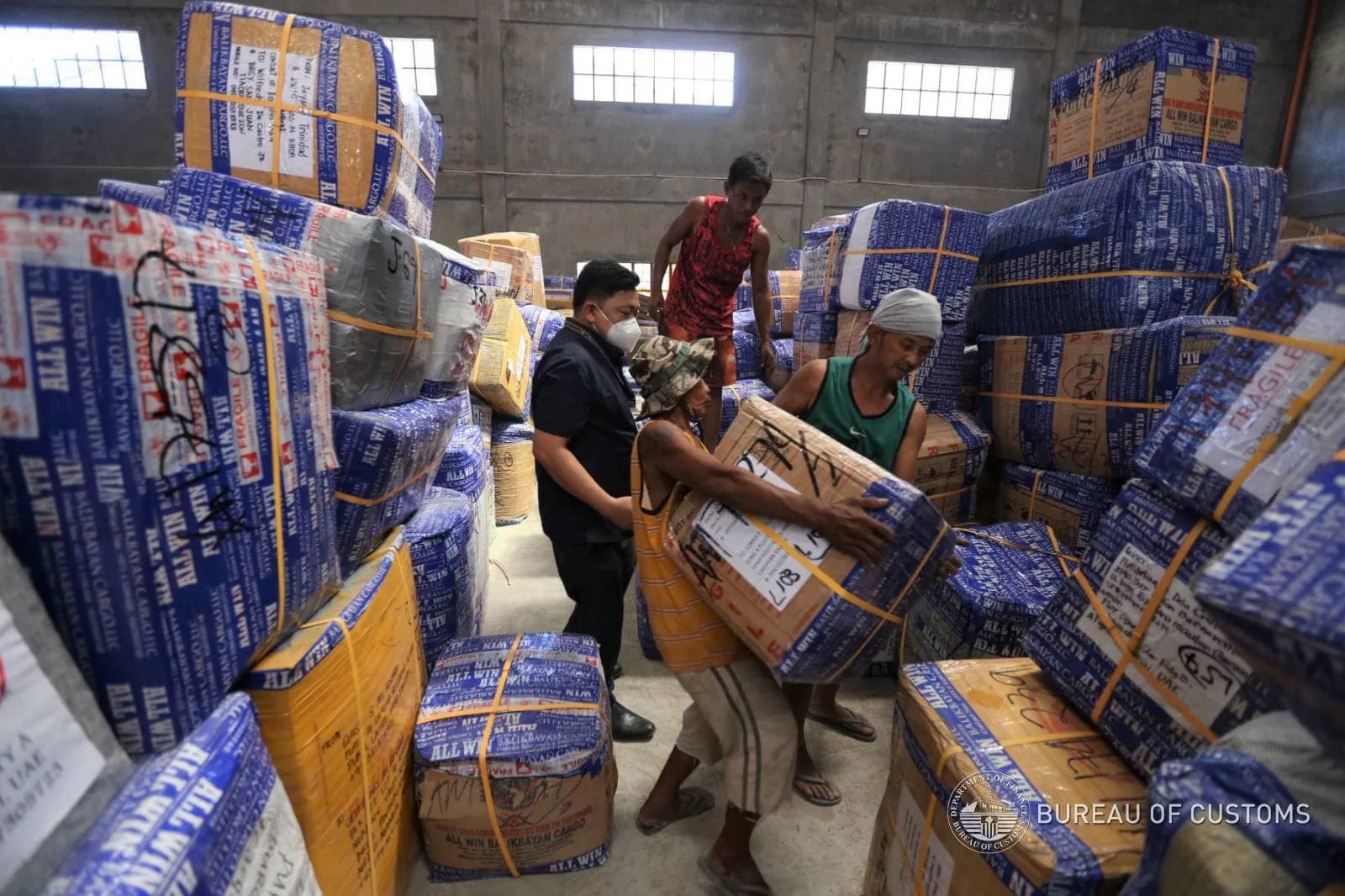
Massive numbers of Balikbayan boxes are sent around Christmastime. SOURCE.
“A Balikbayan box is a huge cardboard box (often weighing over 100 pounds) that Filipinos living all over the world send to family members who are still living in the Philippines. The word Balikbayan literally means homecoming in Tagalog. 400,000 thousand of these Balikbayan boxes arrive in the Philippines from around the world per month. But the holiday season is the busiest, with mothers sending to sons, brothers to sisters, and hundreds of thousands waiting in the Philippines for their box.” SOURCE: 99 PI Podcast
The sending of remittances is an important inter-regional economic flow concept and there is no better example than the Philippines. This 99 Percent Invisible podcast is an excellent portrayal of the cultural and economic impacts of the Balikbayan boxes, with a full transcript, good video clips, and nice images.
With unemployment high after WWII, the Philippines made an active economic strategy of remittances by encouraging citizens to work abroad and to send money back home. Filipinos went to the United States, the Middle East, Hong Kong, Singapore and throughout the Pacific. But the government didn’t enter trade agreements to grant them full citizenship in the new country as whole families, but often as individual temporary workers which meant that they always kept one foot (and their heart) in the Philippines.
Balikbayan means “homecoming” or “return of our people.” The people that left, the Balikbayan, are treated with an elevated status upon returning and often feel a sense of responsibility to those that they left behind. The Balikbayan boxes are care packages that they send back home to loved ones in the Philippines, but so much more so. Huge boxes loaded with commercial goods like chocolate, electronics, toothpaste, and yes, SPAM (SPAM is especially loved in the Filipino community for some fascinating cultural and historical reason). Christmas is celebrated for several months in the Philippines and the busiest time for Balikbayan boxes to be sent from all over the world.






 GEOGRAPHY EDUCATION