Search

GEOGRAPHY EDUCATION

Supporting geography educators everywhere with current digital resources.

Category

Uncategorized

The Growing Need for Geographic Education

“The National Council for Geographic Education (NCGE) continues to both promote and celebrate geographic teaching and learning. Our activities include conducting and gathering research, producing journals and other geography publications, developing curricular resources at the K-12 and University levels, providing professional development opportunities, and organizing an annual conference.”

Source: www.ncge.org

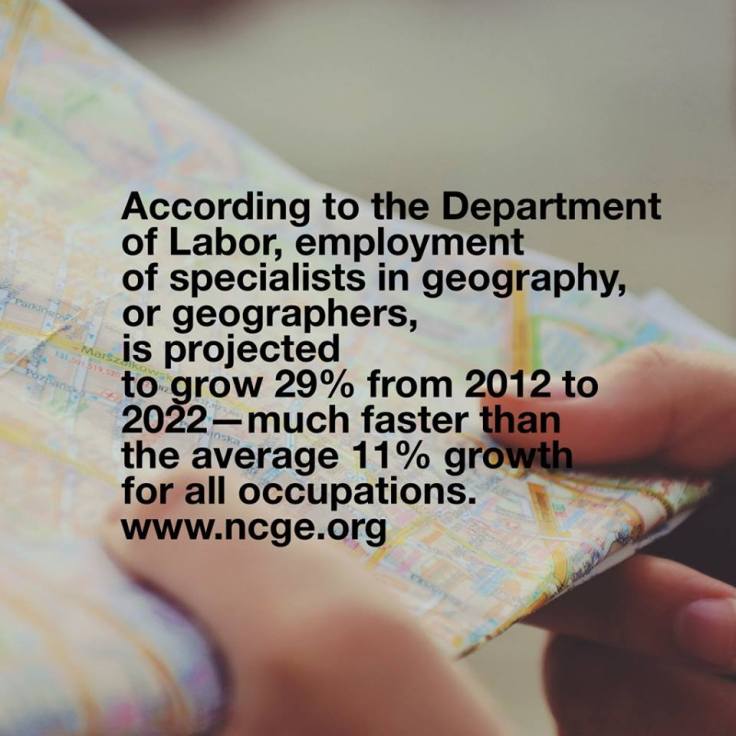
The NCGE promotes geographic education, which we need now more than ever–here are the labor statistics about the future need for geographers supporting the statements in the image above. 

Tags: NCGE, geography education, labor.

Dear Subway, I really wish you would have talked to a farmer.

“Dear Subway, I really wish you would have talked to a farmer. I really wish you would have done so before your big announcement saying you would, as of 2016, be sourcing all of your turkey and chicken as being raised without antibiotics.”

Source: hewittfarmsinc.wordpress.com

This is not a typical source, but it captures an important perspective on our food production systems.  Some policies (like this one from Subway) are designed to increase customer confidence in the quality of the product, but they don’t reflect some of the practical issues that farmers have to face on the farm.  

Tags: foodeconomicfood production, agribusiness.

The Periodic Table of Elements Scaled to Show The Elements’ Actual Abundance on Earth

When you learned about The Periodic Table of Elements in high school, it probably didn’t look like this. Above, we have a different way of visualizing the elements. Created by Professor William F. Sheehan at Santa Clara University in 1970, this chart takes the elements (usually shown like this) and scales them relative to their abundance on the Earth’s surface.

Source: www.openculture.com

The Periodic Table of Elements shows each element as a box, but that doesn’t help us understand which elements are the most scarce and abundant.  The “rare earths” are crucial ingredients in cell phones, laptops and magnets that create clean energy; China controls 95% of the rare earths production and are no longer exporting these materials to other countries (some consider the availability of rare earths a risk to U.S. national security). 


Tagspollution, industry, economic, energy, resources, environment, environment modify, sustainability.

The Electronic Afterlife

“E-Waste is a growing problem in our consumer-based society. The geography of e-waste is an ‘out of sight out of mind’ problem that we rarely think about but need to due to the ecological impacts of our collective consumption.” http://wp.me/P2dv5Z-1LT


Tags: pollutionsustainability, environment, resources, Ghana, Africa.

Source: vimeo.com

Empire, Republic, Democracy: A History of Turkey

“The curriculum ‘Empire, Republic, Democracy: A History of Turkey’ traces the final years of the Ottoman Empire, the birth of the Turkish Republic, and contemporary issues in Turkey. Learn more at www.choices.edu/turkey

Source: vimeo.com

This video is a great introduction to the Choices Program’s new unit on Turkey…a country that is truly a bridge between the Middle East and Europe, without being fully in either.   This unique global position makes Turkey a very important country to understand both culturally and politically.


Tags: politicalculture, Turkeyhistorical.

Mapping the Sexism of Street Names in Major Cities

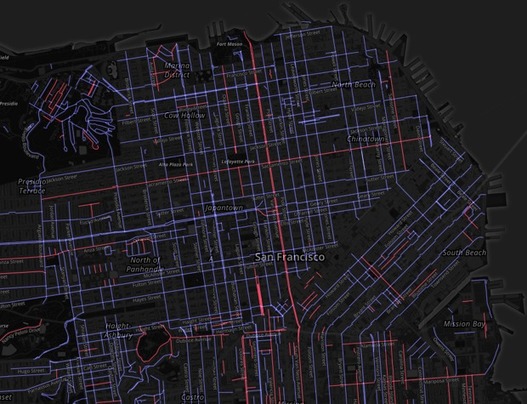
In a study of seven world metros, only a little more than a quarter of the streets were named for women.

Tags: gendermapping, urbantoponyms.

Source: www.citylab.com

Imaginary Geographies

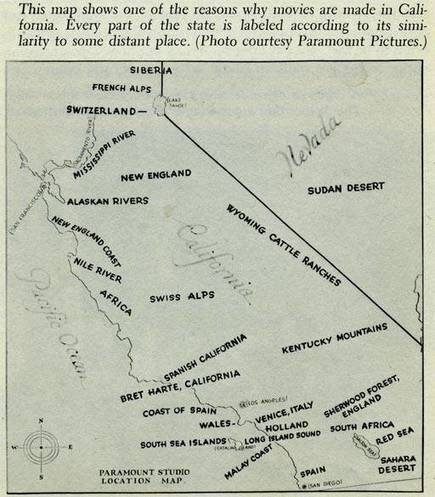
This fabulous 1927 map shows some of the key reasons why the movie industry flourished in Los Angeles–California’s physical geography is incredibly diverse. As the industry was emerging in the first half of the 20th century, they didn’t have massive budgets to travel the world to give their locations a great degree of geographic accuracy it their set locations. Southern California was the ideal home base for a wide range of locations that could physically approximate so many environments and ecosystems. This cost saving strategy had more than economic ramifications; this strategy reinforced many spatial (and cultural) stereotypes in the movies that powerfully influenced how people conceptualized what these places were like. These geographies of cinematic imagination, created for economic purposes, shape our regional perceptions.

Tags: place, California, landscape, popular cultureindustry.

Source: geographyeducation.org

Australia to Zimbabwe

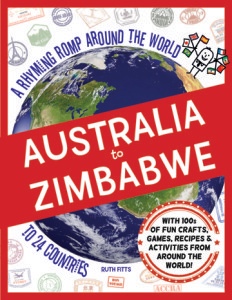
“A Romp Around the World to 24 Countries.  The perfect gift for adventurers young and old – this book is a whirlwind exploration of world cultures!”

Source: www.australiatozimbabwe.com

I’ve received an advance copy of Australia to Zimbabwe and it is a delightful book that appeals to all ages (everyone in my house ate it up). Carefully layered so that readers can customize the experience to fit their interests, time, and goals, this treasure trove just begs the reader to keep exploring as they flip through its pages. Australia to Zimbabwe presents facts in a context that enlivens learning about the people and places of the world and heightens the reader’s curiosity. With the online supplemental materials, this book brings to life the sights, sounds, and smells of far-away places.  Teachers, librarians, and parents alike should all be excited to get their hands on this book when it comes out November 17th.


Tagseducation, K12geography education, book reviews.

China’s one-child policy and the lessons for America

Let’s review exactly what population has to do with economic growth

Source: theweek.com

The repeal of China’s one-child policy has many exploring the linkages between population statistics and economic development.  This is a good article that tries to show the lessons learned in China with the one-child policy and apply them to the United States economic context.  Additionally, this animated map shows the rise in urbanization in China.    


TagsChina, population, industry, development, statistics, economic.

Blog at WordPress.com.

Up ↑