Search

GEOGRAPHY EDUCATION

Supporting geography educators everywhere with current digital resources.

Category

Uncategorized

The Individual and the Global

“Never doubt that a small group of thoughtful, committed citizens can change the world; indeed, it’s the only thing that ever has.” –Maragret Mead

Source: www.youtube.com

I share this video as a part of my final lecture in world regional geography as I attempt to tie up loose ends and help my students see the global linkages and connections.  Occasionally in the course of a semester where we examine global problems, it is easy to become pessimistic about the world.  In spite of all our problems, the world is becoming a better place, and I share this video to emphasize that individuals still have the power to act, and are not simply things to be acted upon by larger forces.  I can’t change everything everywhere, but I can do something, somewhere…so do something.  


Tags: development, globalization.
Ethiopia tests Sub-Saharan Africa’s first light rail system

Ethiopia is due to launch a light rail transit system later this year, the first of its kind in Sub-Saharan Africa.

Source: www.youtube.com

This is a very encouraging accomplishment; from Lagos to Nairobi, similar projects are now being considered. 

Tags: Ethiopia, Africa, development. transportation, planning, urban.

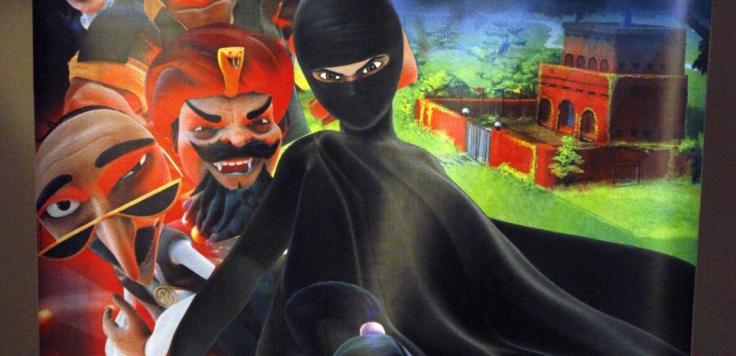
Burka Avenger is the Muslim Female Superhero We’ve All Been Waiting For

“The Muslim world doesn’t have the best reputation when it comes to female empowerment. With a lack of of strong, independent female role models, young women in the region have few places to look in popular culture for guidance. Until now.

Meet Burka Avenger, the game-changing Pakistani cartoon that, for the first time, has flipped the status quo on its head with its female superhero protagonist, who fights crime in her magical burka.”

Tags: Pakistangender, popular culture, SouthAsiaglobalization, culture, Islam.

Source: mic.com

Help the Nepal Aid Effort By Making a Map

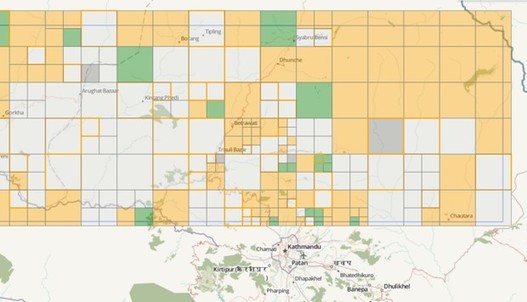
Become one of the citizen cartographers around the globe tracing and checking roads, buildings, and open spaces to assist people on the ground.

Source: www.citylab.com

If you want to help Nepal, you can donate time and geospatial abilities by helping provide workers with better maps.  This is probably one of the easier on-ramps to collaborative mapping, and the help is desperately needed.  You can also have students explore the Nepal earthquake in ArcGIS online; this has become a ‘teachable moment’ and  IRIS provides powerpoint slides for teachers to this example in the classroom.


Tags: Nepal, disasters, physical, tectonics, mapping, geospatial.

Sixty Languages at Risk of Extinction in Mexico—Can They Be Kept Alive?

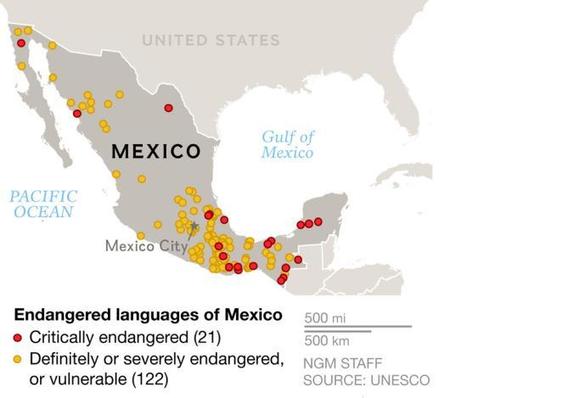
Sixty of Mexico’s native languages are at risk of being silenced forever—but many people are working to keep them alive, experts say.

Source: news.nationalgeographic.com

If is a language dies, an entire culture dies. Every year more and more languages and threatened and it gets worse as more people try to keep up with the demand of globalization. “Mexico isn’t the only country losing its voices: If nothing is done, about half of the 6,000-plus languages spoken today will disappear by the end of this century.”  Endangered Languages are going to be all the more common.  

TagsMexico, language, folk cultures, culture, globalization.

These two maps show the shocking inequality in Baltimore

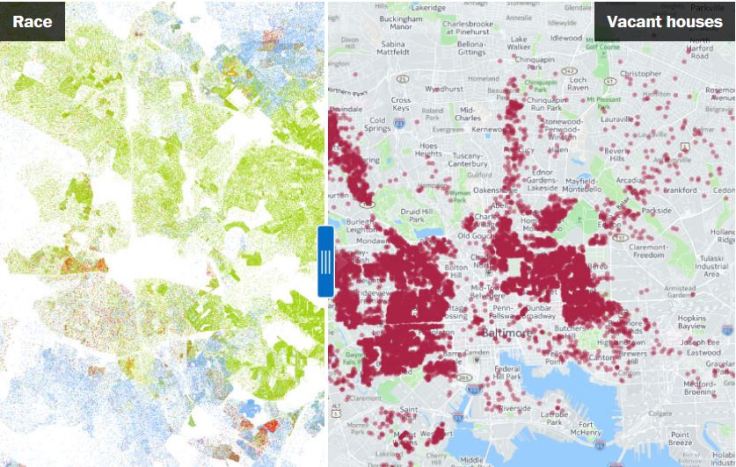
How vacant houses trace the boundaries of Baltimore’s black neighborhoods.

The map on the left shows one very tiny dot for each person living in Baltimore. White people are blue dots, blacks are green, Asians are red and Hispanics yellow.The map on the right shows the locations of Baltimore City’s 15,928 vacant buildings. Slide between the two maps and you’ll immediately notice that the wedge of white Baltimore, jutting down from the Northwest to the city center, is largely free of vacant buildings. But in the black neighborhoods on either side, empty buildings are endemic.


Tags: neighborhood, gentrificationurban, place, economicracepoverty, spatialhousing.

Source: www.washingtonpost.com

An Archive of the World’s Freshest Satellite Images

A new tool lets you search NASA-quality photos of Earth from 2013 up to this very minute.

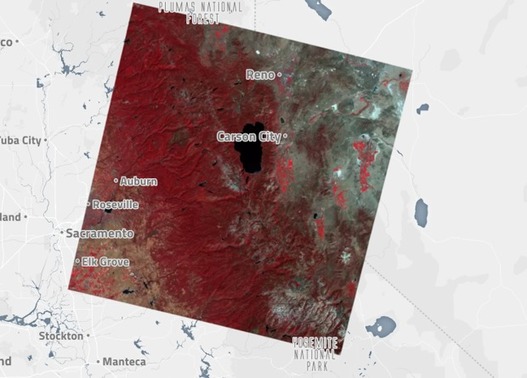
Last month, we wrote about Mapbox’s envelope-pushing Landsat-live map. Fed by gorgeous, high-res imagery of the planet captured every 16 days by the USGS’ Landsat 8 satellite, the map offers a first-of-its-kind chance to explore the Earth’s surface as it appears in (almost) real time.

It’s no surprise that other folks are also making moves on that Landsat data. Satellite and software company Astro Digital just released a way to easily browse Landsat imagery dating back to in February 2013 (the launch of Landsat 8) through this very moment (Landsat is constantly rephotographing the planet in patches).


Tags: mapping, perspective, remote sensing, geospatial.

Source: www.citylab.com

When Wearing Shorts Was Taboo

In certain places in American history, showing a little leg has been illegal — for men and women.

Source: www.npr.org

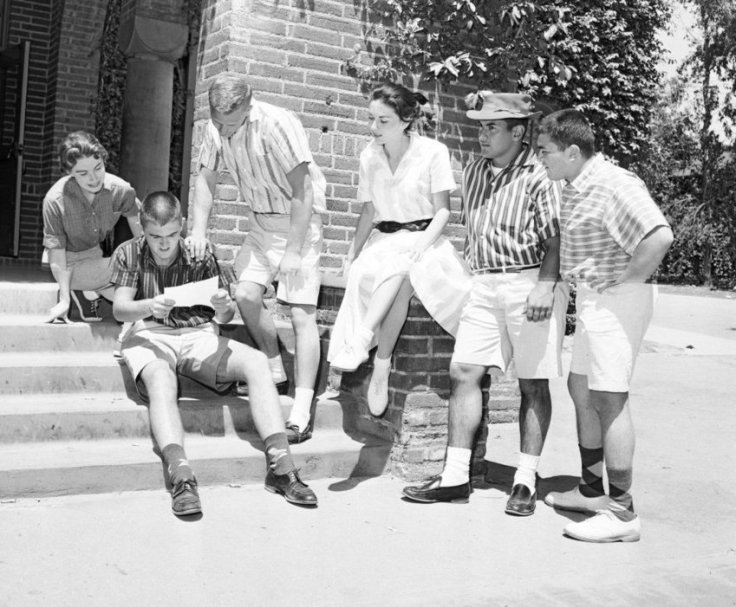
What is cultural acceptable varies over time and space.  This particular issue may seem silly now, but it is a reminder that the norms of the here and now, might have been seen as revolutionary or scandalous in a different time and place.  Cultures and customs are socially mediated and those processes creates cultural norms–norms are continually enforced, resisted and reshaped.     


Tags: culture, folk cultures, unit 3 culture.

It wasn’t just the Armenians: The other 20th century massacres we ignore

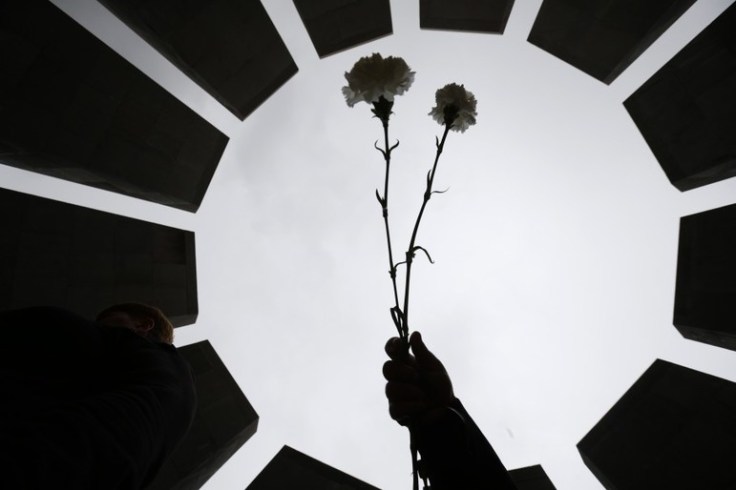
“Last week marked the 100th anniversary of the killings of more than a million Armenians during the dying days of the Ottoman Empire. Despite considerable opposition from the Turkish government, the anniversary is bringing renewed attention to an often overlooked historical issue, with President Obama in particular facing criticism for not using the word ‘genocide’ to describe the killings. The 20th century was bloody and violent, and while some horrors are at least relatively well-known – the Holocaust or the genocides in Rwanda and Cambodia, for example – others have become mere footnotes in history.”

Tags genocidepolitical, conflict, war, refugees, empirecolonialism, historical.

Source: www.washingtonpost.com

Create a free website or blog at WordPress.com.

Up ↑