Search

GEOGRAPHY EDUCATION

Supporting geography educators everywhere with current digital resources.

Category

Uncategorized

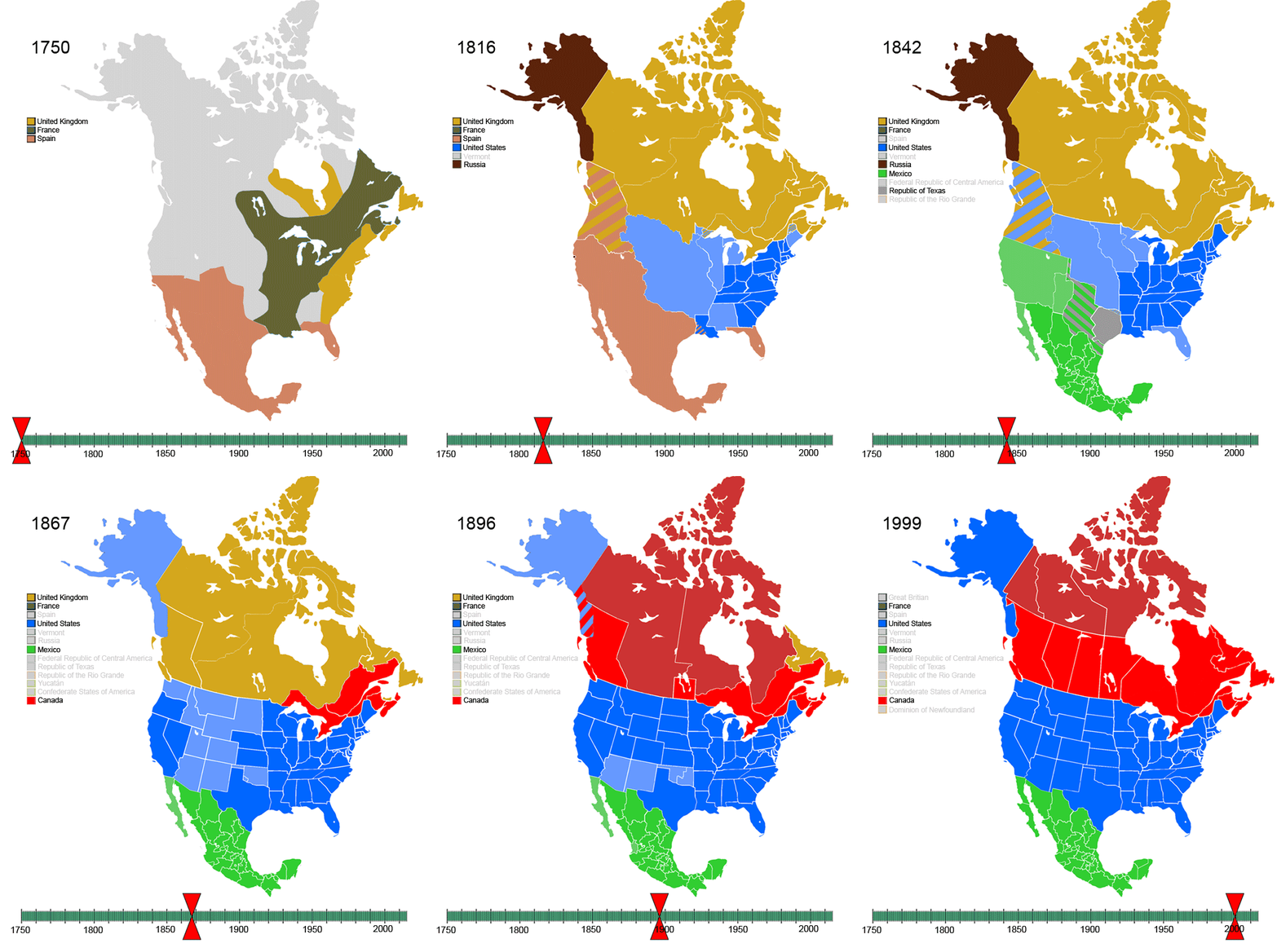
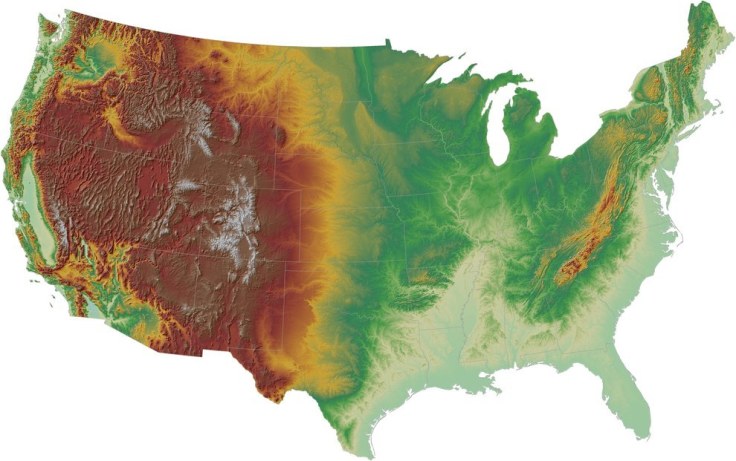
49 Maps That Explain The U.S.

“49 Maps That Explain The U.S. For Dumb Foreigners–The United States is mind-boggling. Right?!”

Source: www.buzzfeed.com

Some of these maps are goofy and intellectually uninspiring (granted, it is from Buzzfeed so that comes with the territory).  However, some of these maps are absolutely fantastic and I think that it’s worth searching through this list to find some maps that are solid teaching resources.  Which ones are your favorites?  

Tags: historical, USA, map, map archives

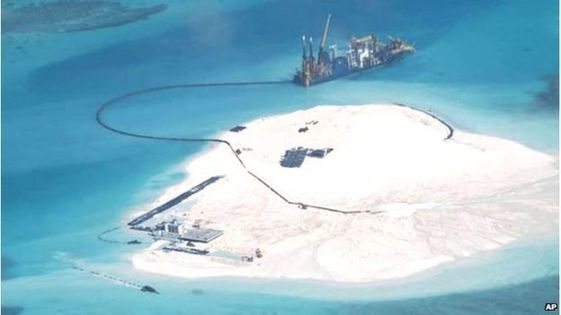
China building ‘great wall of sand’ in South China Sea

The scale of China’s land reclamation in the South China Sea is leading to “serious questions” on its intentions, a top US official says.

China is building artificial land by pumping sand on to live coral reefs – some of them submerged – and paving over them with concrete. China has now created over 4sq/km (1.5 sq miles) of artificial landmass.  China is creating a great wall of sand with dredges and bulldozers over the course of months.

Tags: borders, political, conflict, waterChina, East Asia.

Source: www.bbc.com

UPDATE: In addition to the original BBC article, here is another article from the Telegraph with some aerial imagery showing the extent of this geo-engineering project that has plenty of geopolitical implications and this has the United States “concerned.” 

MOOC: The Location Advantage

“Business graduates, students, and professionals can sign up today for a free online course to get the Location Advantage.”

Source: www.youtube.com

The Location Advantage is a free MOOC that will be offered by Esri in May 2015. It will last six weeks (2-3 hours of study per week).  Registered students will learn how to collect, analyze, and visualize business datasets.  You can register online for The Location Advantage.

Tagsmappingspatial, training, GIS,  ESRI, edtech, geospatial, location.

Syrian Journey: Choose your own route

Put yourself in the shoes of a Syrian migrant and see whether you could make the right choices on the journey to Europe.

Source: www.bbc.com

This BBC interactive tries to get the user to empathize with the plight and the geographic circumstances of Syrian refugees that are fleeing a land a strife.  The choices are not easy and there is no certain path.  This is an interesting interactive that is designed to build geographic empathy.

Tags: refugees, Syria, migration, conflict, political, MiddleEast, war.

Coffee Bellwethers

“For many in higher education, coffee is a vital fuel for learning and creativity. How a campus relates to coffee can reveal a lot about where the campus really stands in relation to social justice and sustainability. Geographer and James Hayes-Bohanan describes a future in which Bridgewater State University lives its values with campus cafes that are national models for the just treatment of producers and healthy relationships with the Earth.  Known as the Coffee Maven, he has come to view our relationship to coffee as a strong indicator of our relationships with the wider world.”

Tags: pollutionsustainability, environment, resources, economic, laborglobalization.

Source: www.youtube.com

Teach Mideast

“TeachMideast is an educational outreach initiative developed by the Middle East Policy Council. TeachMideast is a resource designed primarily to give high school and community college teachers the foundation they need to teach about critical , complex, and intriguing subjects.”

Source: teachmideast.org

After writing an article about cultural empathy and stereotypes for National Geographic Education, I was delighted to hear from the educational outreach coordinator at Teach Mideast.  The amount of resources they have for teachers is impressive–check it out!

Tagsreligion, culturehistorical, political, Middle East.

Google Maps as a game of Pac-Man

PACMAN

Your neighborhood just got a lot more interesting. Google has released a new feature for Maps that lets you turn any location into a game of Pac-Man — all you have to do is click the new Pac-Man button that resides in the lower left corner of the screen. When you do, whatever section of the world you’re looking at will transform into the pixelated arcade classic, complete with four colorful ghosts and the iconic music.

Tagsgoogle, fun, mapping.

Source: www.theverge.com

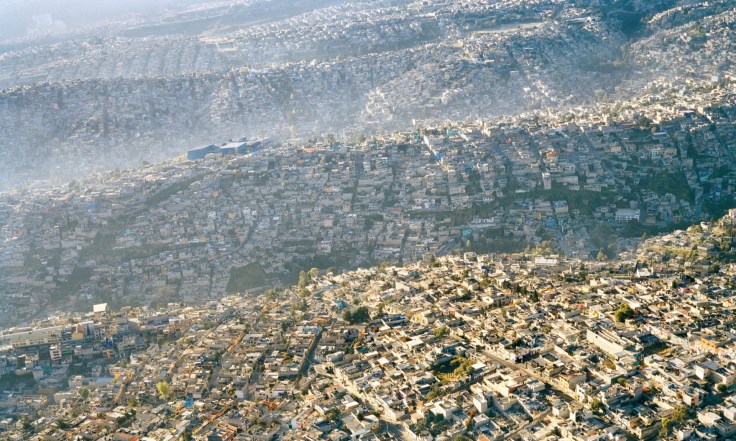
The steep costs of living so far apart from each other

In strictly economic terms, sprawl is inefficient. Spread people out, and it takes them longer to drive where they need to go, and it costs them more in gas money to get there. Disperse a few people over a lot of land, and that land is used inefficiently, too. Then give those people roads and sewers — you’d need a lot more of both to serve 20 households living over a square mile than 20 on the same block. And that’s to say nothing of the costs of fire and police service when people live far apart.

These costs add up, in both private budgets and public ones. It’s a messy thought exercise to contemplate tallying them, akin to trying to calculate the productivity America wastes by sitting in traffic every year. How do you measure, for instance, the saved health care costs in a community where many people walk for transportation every day? How do you quantify the pleasure gained from a big yard that offsets any of these costs?


Tags: planning, sprawl, scale.

Source: www.washingtonpost.com

Unkind Architecture: Designing Against the Homeless

“Defensive architecture is revealing on a number of levels, because it is not the product of accident or thoughtlessness, but a thought process. It is a sort of unkindness that is considered, designed, approved, funded and made real with the explicit motive to exclude and harass. It reveals how corporate hygiene has overridden human considerations…”

Source: thesocietypages.org

Geography explores more than just what countries control a certain territory and what landforms are there.  Geography explores the spatial manifestations of power and how place is crafted to fit a particular vision.  Homeless people are essentially always ‘out of place.’  These articles from the Society Pagesthe Atlantic and this one from the Guardian share similar things: that urban planners actively design places that will discourage loitering which is undesirable to local businesses.  This gallery shows various defensive architectural tactics to make certain people feel ‘out of place.’  Just to show that not all urban designs are anti-homeless, this bench is one that is designed to help the homeless (and here is an ingenious plan to curb public urination).       

Tags: urbanplanning, architecture, landscape, place, poverty.

Blog at WordPress.com.

Up ↑