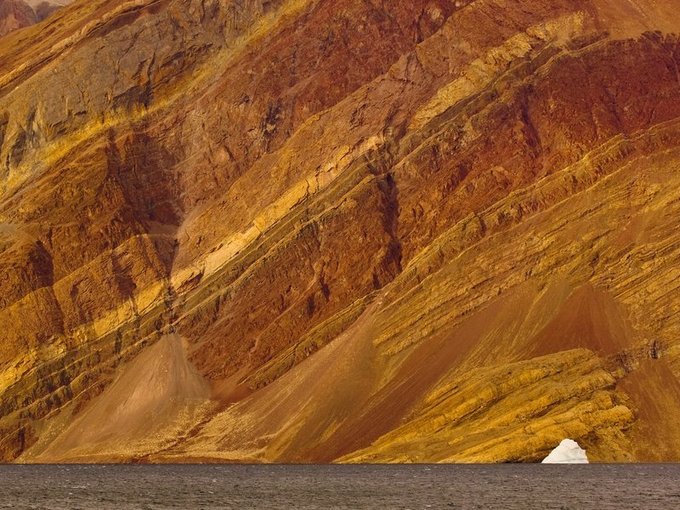
We are living in the Anthropocene. But no one can agree when it started or how human activity will be preserved
Tags: ESRI, anthropocene, environment depend, sustainability.
Source: www.smithsonianmag.com
We are living in the Anthropocene. But no one can agree when it started or how human activity will be preserved
Tags: ESRI, anthropocene, environment depend, sustainability.
Source: www.smithsonianmag.com
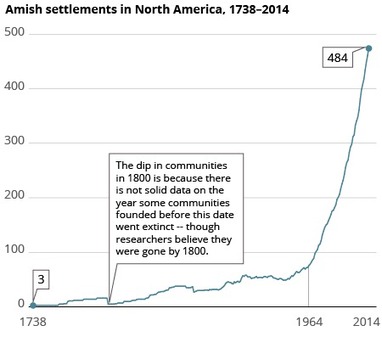
“There’s no denying that the Amish are fascinating to the rest of us (“the English,” in Amish terms). We buy their furniture and jam, and may occasionally spot their buggies when driving on country roads through America’s heartland. Many may not realize, however, that though the Amish make up only a tiny percentage of Americans (less than 0.1 percent), the Amish population has grown enormously since the early 1960s, with much of the increase occurring in the last two decades.”
Tags: population, USA, folk cultures, culture, religion.
Source: www.huffingtonpost.com

A Washington, D.C., resident describes the changes and privilege that have moved into her longtime neighborhood.
Tags: neighborhood, gentrification, urban, place, culture, economic, Washington DC.
Source: www.theroot.com

Source: www.e-dublin.com.br
Brazil…because it’s bigger than you might think.
Tags: Brazil, South America, map, images, perspective.
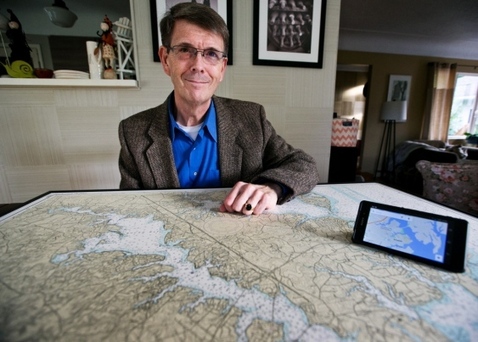
Elwood was a senior geographer working on the ground-floor of the very global positioning systems (GPS) and geographic information systems (GIS) he will throw up for discussion in his TEDx talk.
His question: Are we surrendering our innate mental map making abilities to technology and relying on and trusting it too much? And for TEDx audiences only, he’ll toss out ideas on ways to prevent that from happening.
Tags: mapping, GPS, cartography, TED, 201.
Source: www.timescolonist.com
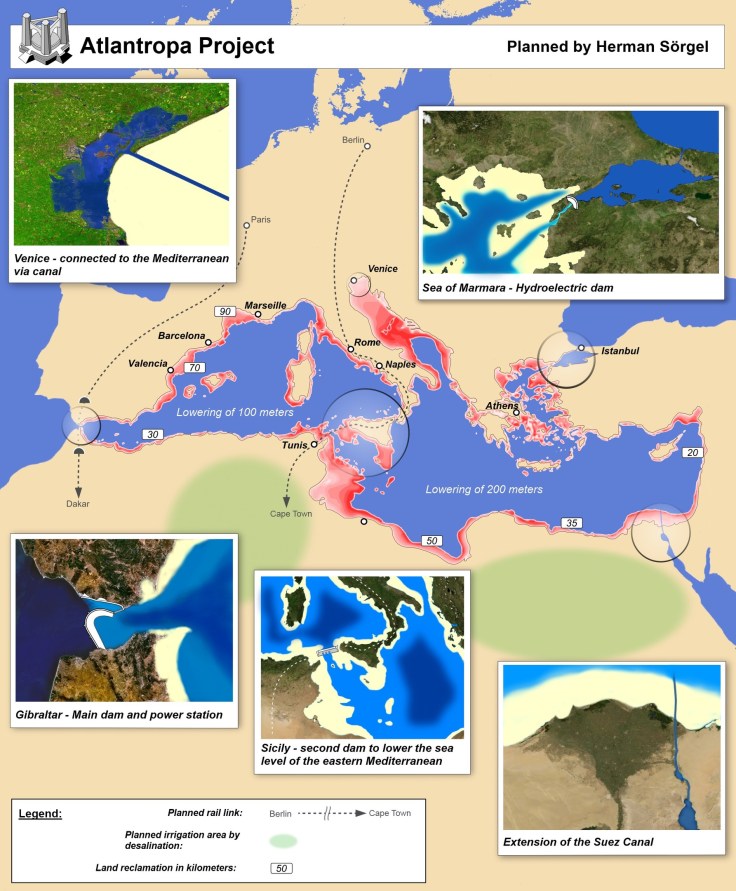
Maps of countries, infrastructure projects, and invasions that never were — but might have been.
Source: www.vox.com
Many of these are great examples of counter-factual histories–or the great “what ifs” in history.
Tags: mapping, historical.
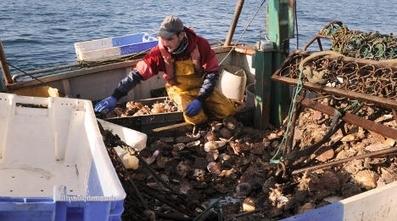
Scallops pulled out of the waters off the western coast of France are taken on an incredible journey that sees them shipped off to China to be cleaned, before being sent all the way back to France to be cooked up. Producers say its worth the cost.
Source: www.thelocal.fr
This type of nonsense only makes sense in a world where the bottom dollar is the only way to way to evaluate decisions. However, resource conservation (think of the food miles!), fair labor prices, and the preservation of local cultural economies are certainly issues that should be considered.
Tags: food, economic, labor, globalization, food production, agribusiness, agriculture.

“The best 30 resources and posts on Geography Education from 2014.” http://www.scoop.it/t/geography-education
Source: www.scoop.it
‘Tis the season to look back on the year that was. There are some ‘Best of’ lists with great teaching applications produced this week such as the best satellite images of 2014, the worst natural disasters of 2014, and 50 states in 50 pictures. This committee of one has analyzed all the Geography Education resources shared this year and selected these 30 as the best, most important, or most useful resources from 2014.



 GEOGRAPHY EDUCATION