Search

GEOGRAPHY EDUCATION

Supporting geography educators everywhere with current digital resources.

Food shortages could force world into vegetarianism, warn scientists

See on Scoop.itGeography Education

Water scarcity’s effect on food production means radical steps will be needed to feed population expected to reach 9bn by 2050…


This article represents a good example of neo-Malthusian ideas concerning population growth and food production.  The recent drought and subsequent food shortage/spike in global food prices has renewed interest in these ideas.

See on www.guardian.co.uk
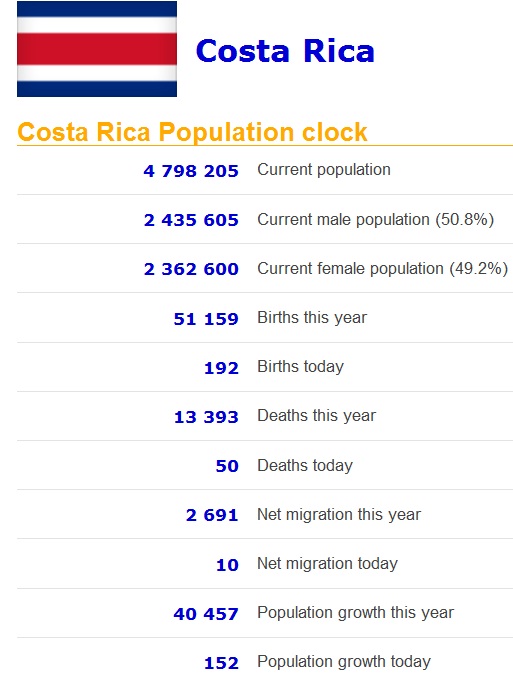
Population clock for every country

See on Scoop.itGeography Education

“Real time statistics for current population of any country. Real time data on population, births, deaths, net migration and population growth.”

This site shows various demographic statistics for every country including some based on projections in demographic trends in the given country.  If the current trends hold (which they won’t, but that is still an interesting measure), the entire Japanese population will disappear in 1,000 years according to this Global Post article.

See on countrymeters.info

Cities on Border With Mexico Burdened by Calls for Medical Help

See on Scoop.itGeography Education

From San Diego to Brownsville, Tex., requests for assistance have become a drain on the resources of fire departments in cities on the United States border with Mexico.

This is a poignant example of how site and situation impact the local geographic factors.

See on www.nytimes.com

Top 12 Cities for Culture

See on Scoop.itCultural Geography

Where are the most culturally rich cities in the world? The World Cities Culture Report has named its Top 12 choices. Do you agree with the picks?

How do we rank “culture” in lists such as these?  What criteria is preferred and what elements of culture are ignored in this perspective on culture?

See on www.travelandescape.ca

Gentrification spelled out:

See on Scoop.itGeography Education

As upscale, high-rise condos and hipster bars opened nearby, longtime customers joked: Is this really still “the ’hood”? Not anymore.

In a gentrifying neighborhood in Washington D.C. that was historically African-American, Fish in the ’Hood was an iconic restaurant that captured the feel of the area.  Just this May, the storefront restaurrant was renamed Fish in the Neighborhood.

Questions to Ponder: Why?  Does it matter?  What does it mean?

See on www.washingtonpost.com

Man-Made Cities and Natural Disasters

See on Scoop.itGeography Education

Patrick assesses the future of world order, state sovereignty, and multilateral cooperation.

The 21st century is the dawn of a new era in human history: more people on Earth live in cities than in the countryside.  The impacts of this new basic fact are far-reaching.  One of those is that cities that are in particular environments are more prone to certain natural disasters and will be increasingly vulnerable as their populations increase (especially megacities in the developing world).

See on blogs.cfr.org

The hunger wars in our future: Heat, drought, rising food costs, and global unrest

See on Scoop.itGeography Education

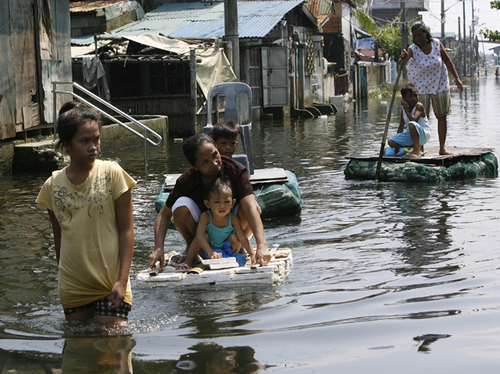
The physical effects of climate change will prove catastrophic. But the social effects — food riots, state collapse, mass migrations, and conflicts of every sort — could prove even more disruptiv…

This is an inflammatory article from an environmental organization that is speculative in nature (in other words, take it with a grain of salt).  Yet, this type of thinking about the future and thought exercises is worthy of our investigation.  What do you forsee in the future given the current conditions?

See on grist.org

The Geography of Underwater Homes

See on Scoop.itGeography Education

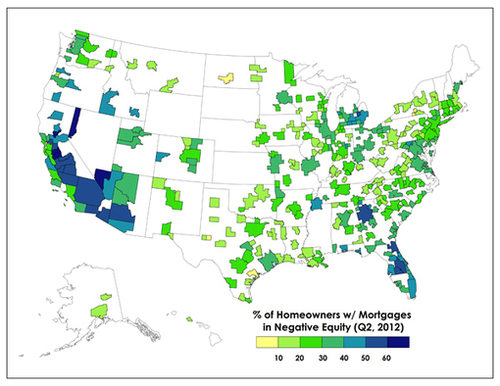
New data from Zillow shows fewer homeowners underwater, but the pattern varies widely by geography.


The Sunbelt (especially California and Florida) have the highest percentage of homeowners that are ‘underwater’ and owe more than the home is worth.  Also hit hard are declining metro areas area of the rust belt. 

Question to ponder: Why would these places be hit the hardest?  

See on www.theatlanticcities.com

Indo-European Languages Originated in Anatolia, Biologists Say

See on Scoop.itGeography Education

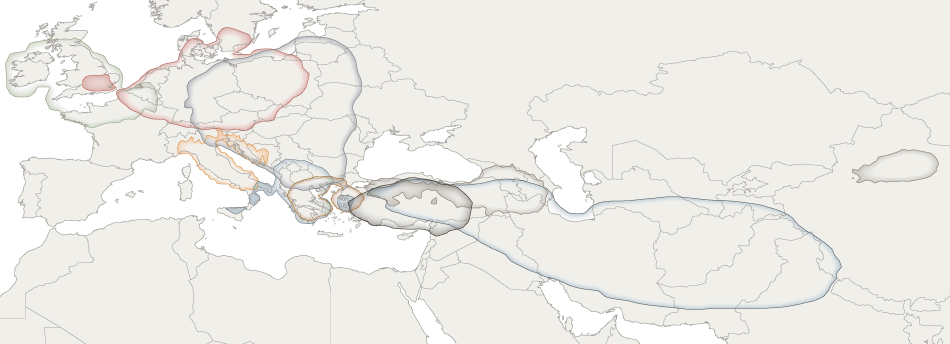
Evolutionary biologists say the first speakers of what would become the Indo-European languages were probably farmers in what is now Turkey — a conclusion that differs by hundreds of miles and thousands of years from a longstanding linguistic theory.

This research potentially can explain much about the geography of languages and the distribution of cultural groups in Eurasia.

See on www.nytimes.com

Create a free website or blog at WordPress.com.

Up ↑