Search

GEOGRAPHY EDUCATION

Supporting geography educators everywhere with current digital resources.

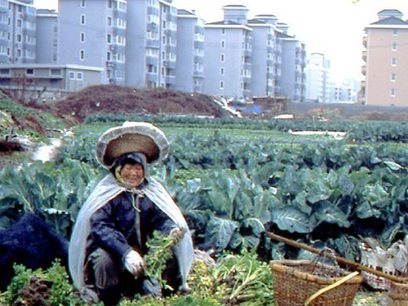
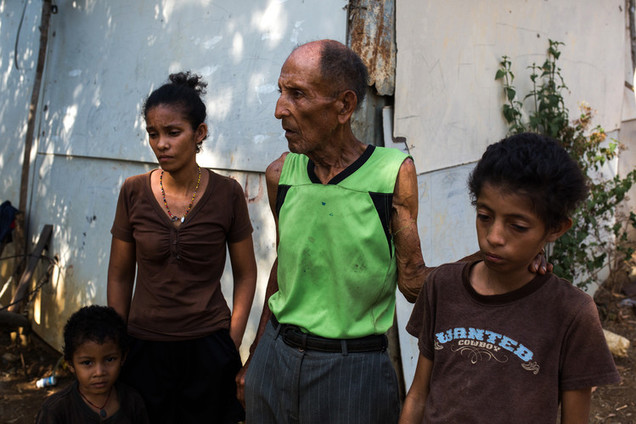
Venezuela Is Starving

Once Latin America’s richest country, Venezuela can no longer feed its people, hobbled by the nationalization of farms as well as price and currency controls. The resulting hunger and malnutrition are an unfolding tragedy.

Source: www.wsj.com

Widespread famines are very rare in democracies and are much more prevalent in authoritarian regimes.  This is because food production is but a small part of a larger picture; the system of food production and distribution in Venezuela has been decimated by the nationalization of private farms.  Individual farmers can’t make a profit in the new political economy and consequently are going to stop producing for the market.  This vicious cycle is political in nature more so than in is agricultural. 


Tags: food, poverty, Venezuela, South America, economic, political, governance, agriculture, food production.

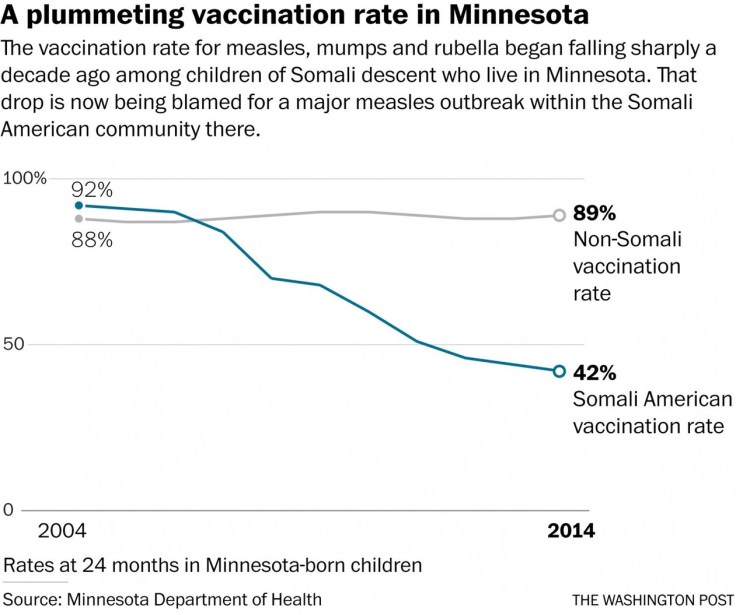
Anti-vaccine activists spark Minnesota’s worst measles outbreak in decades

In Minnesota, the Somali American community has been hit hard, with a fourth of the young patients hospitalized.

Source: www.washingtonpost.com

I had measles as a child. I am so disheartened to see this now-perfectly preventable disease that nearly killed me resurface in the United States because of a fear-baiting, anti-intellectual movement.  The spread of any disease carries spatial component that interests geographers, but there is also cultural geographies that help to understand, explain, and (hopefully) combat this issue.  Please vaccinate the ones you love.   


Tagsmedicaldiffusion, culture, mortality, development, cultural norms.

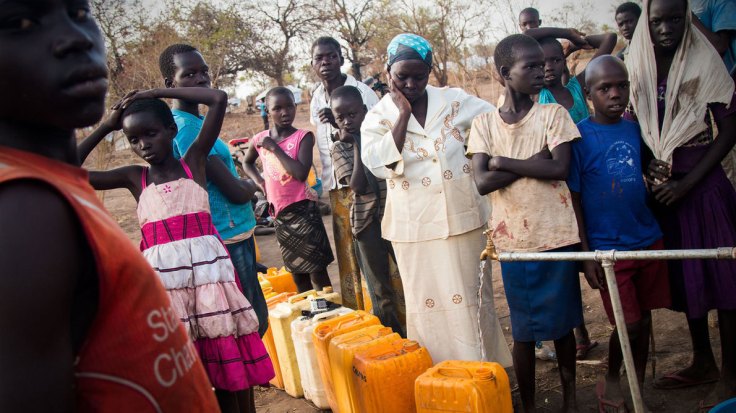
Short Film: How Water Gets From The Nile To Thirsty Refugees

Hundreds of thousands of refugees have fled the civil war in South Sudan and resettled in Uganda. This 12-minute documentary shows the daily struggle to get water.

Source: www.npr.org

Next to nothing in this video will make you happy about the way things operate for refugees in Northern Uganda who have fled from South Sudan.  We all know the about the dire conditions that refugees face, but knowing about the specifics, and hearing stories from the refugees about their lives and living conditions is powerful.  A huge influx of refugees can tax local resources, especially water.  Food can be shipped in, but water a much more locally variable resource.   The UN refugee camps recommend at least 15 liters of water per person be made available each day, but often it is more like 4-8 liters in these camps.  Dedicated wells (or boreholes) are more effective, but costly.  Trucking in water from the Nile River is the preferred method to simply keep these drowning people’s heads above water.    

Questions to Ponder: Consider how much water you drink, use for cooking, bathing, etc. per day in your household.  How difficult would it be to live on 4 liters of water a day?  What about your lifestyle would be changed? 


Tags: Africa, development, Uganda, migrationrefugees, environment, water, sustainability, resources.
Long-time Iowa farm cartoonist fired after creating this cartoon

“Rick Friday has been giving farmers a voice and a laugh every Friday for two decades through his cartoons in Farm News.
Now the long-time Iowa farm cartoonist tells KCCI that he has been fired. Friday announced Sunday that his job was over after 21 years in a Facebook post that has since gone viral.”

Source: www.orrazz.com

There are some intriguing layers connected to the politics of agribusiness in this story.  First off, the political cartoon highlights a pithy truth–that while the ‘traditional’ farmer is a lucrative position, in the global economy, there are corporations that are amassing fortunes in agribusiness.  The second connection is more telling–the newspaper company felt compelled to fire the cartoonist as for voicing this perspective as the newspaper advertisers flexed their pocketbooks to change the direction of the news being reported.  


Tags: agriculture, food production, agribusiness, foodeconomicindustry, scale, media

The Incredible growth of megacities

“The world’s cities are booming and their growth is changing the face of the planet. Around 77 million people are moving from rural to urban areas each year. The latest UN World Cities Report has found that the number of “megacities” – those with more than 10 million people – has more than doubled over the past two decades, from 14 in 1995 to 29 in 2016. And whereas the developed world was once the home of the biggest cities, this map shows that it is now the developing world taking the lead.”


Tags: urban, megacities, regions.

Source: www.weforum.org

How the first city got started 12,000 years ago

“In this animated video, Jonathan F. P. Rose explains how the first city was started in Turkey, 12,000 years ago.”

Source: www.youtube.com

What led to the first urban settlements? We know that the beginnings of agriculture are closely connected to the first forays into agriculture and the domestication of animals.  This brief video puts some archeological specificity on the though exercise, “what would you need to start the first city in a world without cities?” 


Tags: urban, placehistorical.

Entomophagy: Bugs in the system

IT WOULD once have been scandalous to suggest the merits of eating insects; these days, it has become old hat. Western-educated entrepreneurs will sell you protein bars made from cricket flour. TED talks extol entomophagy’s virtue. Top-end restaurants in the West’s largest cities tout insect-based dishes.

Source: www.economist.com

While it might make economic, nutritional, and environmental sense, I’m sure that many are squeamish at the idea of insects primarily because in violates many deeply ingrained cultural taboos.  The main reasons listed in the video for promoting the production and consumption of more insects:

  1. Insects are healthier than meat.
  2. It is cheap (or free) to raise insects.
  3. Raising insects is more sustainable than livestock.


Questions to Ponder: Would you be willing to try eating insects?  How do you think this idea would go over with your family and friends?  What cultural barriers might slow the diffusion of this practice?    


Tagsfoodculturediffusion, economic, agriculture.

The dim reality of South Africa’s new dawn

In April 1994, South Africa held its first democratic elections and all races went to the polls to bury apartheid for good. But hopes of a new dawn have been tarnished by fraud and corruption at the highest levels.

Source: www.youtube.com

The first 2 and a half minutes of this video are a good historical analysis into the dismantling of apartheid in South Africa, culminating in the election of Nelson Mandela and the empowerment of the ANC.  Today though, the ANC and South Africa is mired in endemic corruption.  South Africa is one of the most unequal societies with high unemployment and a faltering economy. 


Tags: South Africacrime, Africa, political, racegovernance, ethnicity.

During World War I, Propaganda Erased Visible Markers of German Culture

As the U.S. entered World War I, German culture was erased as the government promoted the unpopular war through anti-German propaganda. This backlash culminated in the lynching of a German immigrant.

Source: www.npr.org

German-Americans are America’s largest single ethnic group (if you divide Hispanics into Mexican-Americans, Cuban-Americans, etc). Yet despite their numbers, they are barely visible. During the first world war, parts of America grew incredibly anti-German. Many stopped speaking German and anglicized their names. “In 1915 about 25% of all high school students in America studied German, but by the end of the World War I German had become so stigmatized that only 1 percent of high schools even taught it.”


Tagsculture, historical, ethnicityUSA.


Create a free website or blog at WordPress.com.

Up ↑