Part I: The story of Somalia’s decline from stability to chaos and the problems facing its people at home and abroad.
Part II: The ongoing civil war has caused serious damage to Somalia’s infrastructure and economy. Thousands of Somalis have either left as economic migrants or fled as refugees. Within Somali, more than a million people are internally displaced.
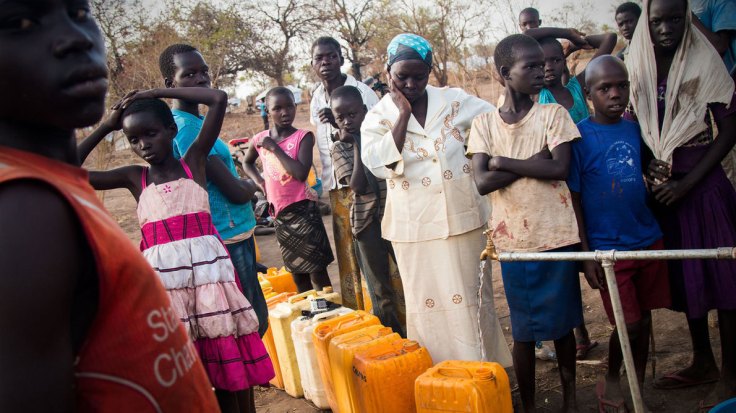
Hundreds of thousands of refugees have fled the civil war in South Sudan and resettled in Uganda. This 12-minute documentary shows the daily struggle to get water.
Next to nothing in this video will make you happy about the way things operate for refugees in Northern Uganda who have fled from South Sudan. We all know the about the dire conditions that refugees face, but knowing about the specifics, and hearing stories from the refugees about their lives and living conditions is powerful. A huge influx of refugees can tax local resources, especially water. Food can be shipped in, but water a much more locally variable resource. The UN refugee camps recommend at least 15 liters of water per person be made available each day, but often it is more like 4-8 liters in these camps. Dedicated wells (or boreholes) are more effective, but costly. Trucking in water from the Nile River is the preferred method to simply keep these drowning people’s heads above water.
Questions to Ponder: Consider how much water you drink, use for cooking, bathing, etc. per day in your household. How difficult would it be to live on 4 liters of water a day? What about your lifestyle would be changed?
In April 1994, South Africa held its first democratic elections and all races went to the polls to bury apartheid for good. But hopes of a new dawn have been tarnished by fraud and corruption at the highest levels.
The first 2 and a half minutes of this video are a good historical analysis into the dismantling of apartheid in South Africa, culminating in the election of Nelson Mandela and the empowerment of the ANC. Today though, the ANC and South Africa is mired in endemic corruption. South Africa is one of the most unequal societies with high unemployment and a faltering economy.
Hundreds of thousands of refugees have fled South Sudan to escape the civil war. When they arrive in Uganda, water is what they need most. Without it, they will die.
Next to nothing in this video will make you happy about the way things operate for refugees in Northern Uganda who have fled from South Sudan. We all know the about the dire conditions that refugees face, but knowing about the specifics, and hearing stories from the refugees about their lives and living conditions is powerful. A huge influx of refugees can tax local resources, especially water. Food can be shipped in, but water a much more locally variable resource. The UN refugee camps recommend at least 15 liters of water per person be made available each day, but often it is more like 4-8 liters in these camps. Dedicated wells (or boreholes) are more effective, but costly. Trucking in water from the Nile River is the preferred method to simply keep these drowning people’s heads above water.
Questions to Ponder: Consider how much water you drink, use for cooking, bathing, etc. per day in your household. How difficult would it be to live on 4 liters of water a day? What about your lifestyle would be changed?
“A 7,000 km barrier is being built along the footsteps of the Sahara to stop the desert expanding. The Great Green Wall project started in 2007 in Senegal, along with 10 countries in Africa to combat the effects of climate change. Al Jazeera’s Nicolas Haque reports from Widou, deep in the Sahel.”
The Great Green Wall initiative is composed of 11 countries that are cooperating together to combat the physical and human geographic characteristics that make the Sahel one of the more vulnerable ecosystems in the world. This swath running through Africa is the transition zone where tropical Africa meets the Sahara. The Sahel is susceptible to drought, overgrazing, land degradation and desertification. These issues of resource management and land use transcend international borders so this “Green Wall” was created with the intent to protect the environment, landscapes and people of the Sahel from desert encroachment (the shorter, social media friendly version of this video is available here).
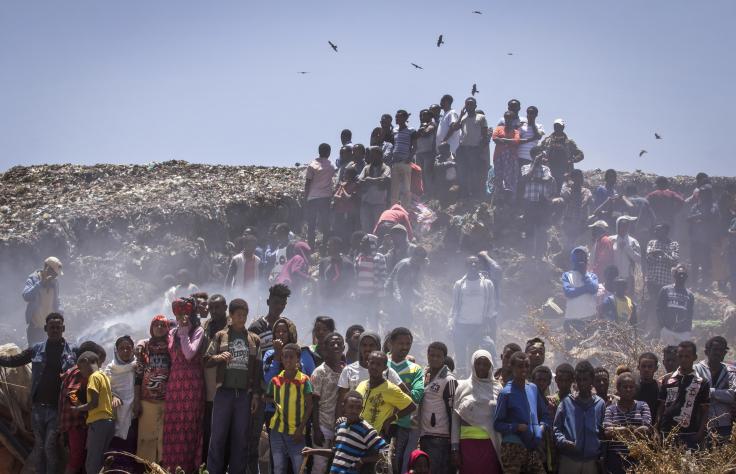
“The death toll from a collapse at a landfill outside Ethiopia’s capital has risen sharply to 113, an Addis Ababa city official said Wednesday, as the country began three days of mourning for victims who were mostly women and children. Saturday’s collapse of a mountain of garbage buried makeshift mud-and-stick homes inside the Koshe landfill on the outskirts of the capital.”
Some geographies are uncomfortable to discuss because they expose some of the social and spatial inequalities that we wish weren’t part of economic geographies.
Questions to Ponder: Why did this happen? Why were so many people in the landfill?
President Mugabe’s economic mismanagement of Zimbabwe has brought the country poverty and malnutrition. After 36 years in charge, he’s looking to extend his rule by 5 more years.
Poverty at the national level is usually not a function of limited resources, but more often it is a sign of weak institutions. This is but one example of how governmental mismanagement can put a country’s developmental progress back decades.
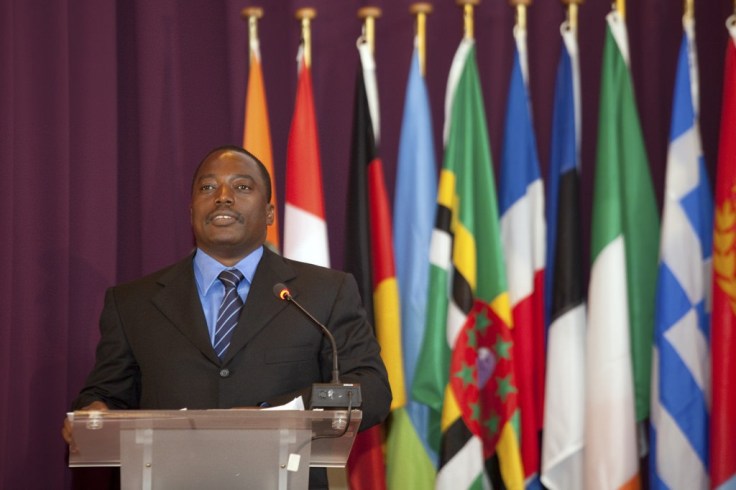
“On December 20, the Democratic Republic of Congo, which had been a democracy for the past decade (flawed though it was), lost that distinction. The backsliding of democracy in the country was preventable; it unfolded slowly and under the watch of the international community. DRC President Joseph Kabila, faced with the end of his constitutional mandate, had two options: call elections or resort to repression to stay in power. He chose the latter. Kabila’s ultimate decision is not that surprising. He faces deep levels of unpopularity. A Congo Research Group poll of 7,545 Congolese showed that he would have only received 7.8 percent of the vote if elections had been held this year. Furthermore, the presidency guarantees his safety. As Brian Klaas of the London School of Economics has noted, 43 percent of African leaders have been jailed, exiled, or killed after losing power since 1960.”
“In a meeting of the U.N. Human Rights Council, commission chief Yasmin Sooka reported murder and rape on an ‘epic’ scale. ‘We are running out of adjectives to describe the horror,’ she said.”
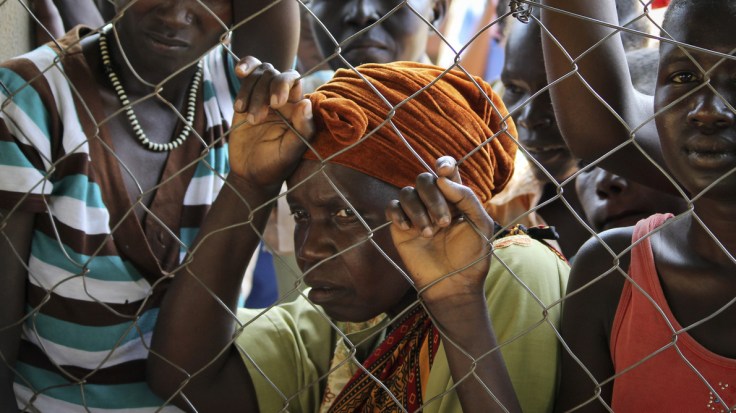
Since December 2013, South Sudan has been embroiled in a civil war that began as a primarily political conflict, but has since taken shape between the country’s two largest ethnic groups, the Dinka and the Nuer. One of the many tragedies has been the impact on the children living in South Sudan.



 GEOGRAPHY EDUCATION