Search

GEOGRAPHY EDUCATION

Supporting geography educators everywhere with current digital resources.

Tag

architecture

Braves’ New Ballpark Is An Urban Planner’s Nightmare 

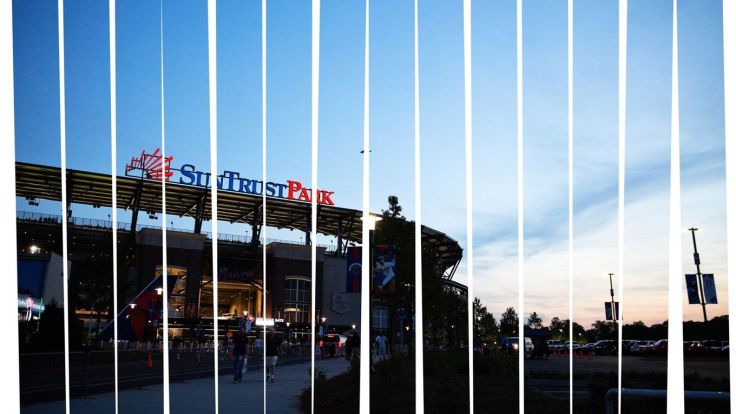
“The Braves chose to relocate to Cobb County from downtown Atlanta’s Turner Field after only 19 years because of a $400 million public subsidy from Cobb taxpayers. The costs are almost certain to balloon thanks to some significant fiscal buffoonery on the part of Cobb officials, including a lack of a comprehensive transportation plan and forgetting to ask the Braves to pay for traffic cops. Attached to SunTrust Park like a Cinnabon-scented goiter is the Battery Atlanta, a $550M mixed-used development that looks an awful lot like a New Urbanist project, the widely criticized school of planning that is equal parts social engineering and neoliberalism. SunTrust isn’t solely accessible by car—the Braves run a stadium shuttle bus that serves a couple of outer MARTA stations—but, compared to the team’s former home, the non-motorized options are paltry.”

Source: deadspin.com

There are many great geography angles to look at this particular issue.  The scale of governance matters in creating the political context for any given situation.  In this article, we see City vs. County vs. Metropolitan regional politics jockey for position, putting the interest of their own county above that of the larger metropolitan region.  We also see competing visions of ideal urban planning (a more sprawling, automobile-centered model vs. public transit, multi-use planning that is enclosed vs. open) all layered upon racial and socio-economic context of this particular place.   


Tagsarchitecture, scale, sport, urban, planning, urbanism, economic.
Mexico City 1968

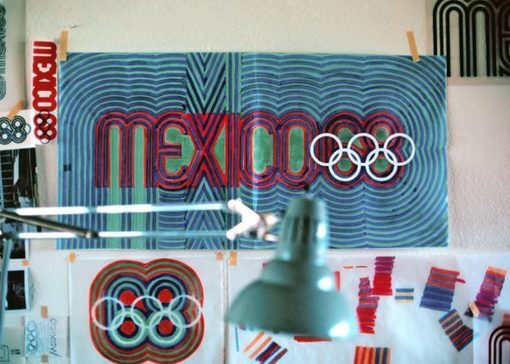
“The 1968 Olympics took place in Mexico City, Mexico. It was the first Games ever hosted in a Latin American country. And for Mexico City, the event was an opportunity to show the world that they were a metropolis as worthy as London, Berlin, Rome or Tokyo to host this huge international affair. The 1968 Olympics were decreed ‘the Games of Peace.’ So Wyman designed a little outline of a dove, which shop owners all over the city had been given to stick in their windows. A protest movement, led by students, was growing in the city around [the organizers and designers]. These protestors believed the long-ruling Institutional Revolutionary Party (PRI) catered to wealthy Mexicans rather than the poor, rural and working class. Although the country had been experiencing huge economic growth, millions of people had still been left behind. The ‘Mexican Miracle’ hadn’t reached everyone.”

Source: 99percentinvisible.org

Few years are as powerful in the minds of Mexican identity as the year 1968.  Like so many 99 percent invisible podcasts, this blends urban design, social geography, local history in a way that deepens our understanding of place. The built environment can be molded to project an image, and can be used to subvert that same message by the opposition.    


Tagssport, Mexico, Middle America, urban, architecture, place, landscape.


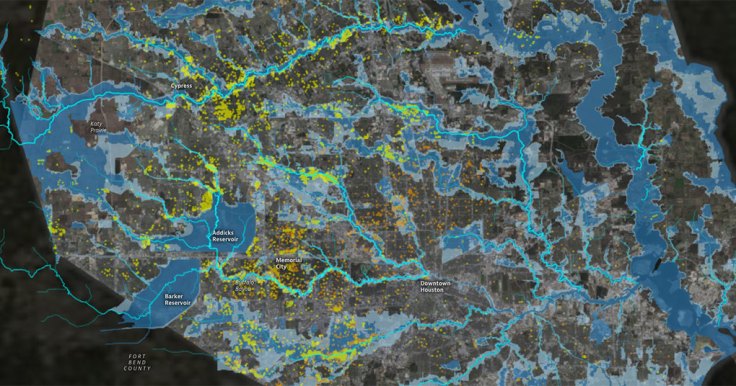
When Climate Change Meets Sprawl: Why Houston’s ‘Once-In-A-Lifetime’ Floods Keep Happening

But a local understanding of place is critical and this viral post–Things non-Houstonians Need to Understand–is pretty good.

“Unchecked development remains a priority in the famously un-zoned city, creating short-term economic gains for some, but long term flood risk for everyone.”

Source: projects.propublica.org

Houston’s development boom and reduction of wetlands leave region prone to more severe flooding.  Here is a great map of the change in impervious surfaces in the region from 1940 to 2017–when you combine that with record-breaking rainfall the results are catastrophic.  But a local understanding of place is critical and this viral post–Things non-Houstonians Need to Understand–is pretty good.   

Tagsphysical, fluvialwatercoastal, urban, planningtransportation, architecture.

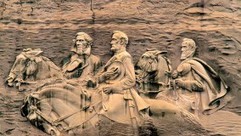
Whose Heritage? Public Symbols of the Confederacy

“In [recent years], the South’s 150-year reverence for the Confederacy was shaken. Public officials responded to the national mourning and outcry by removing prominent public displays of its most recognizable symbol [the flag]. It became a moment of deep reflection for a region where the Confederate flag is viewed by many white Southerners as an emblem of their heritage and regional pride despite its association with slavery, Jim Crow and the violent resistance to the civil rights movement in the 1950s and 1960s.”

Source: www.splcenter.org

Just a few more links that I’ve added to the article, Cultural Meaning in Moving Monuments.  Right now, many people are calling for the removal of all memorials that honor the Confederacy and the call for the removal of all Confederate monuments is in full swing.  


Tags: monuments, the South, architectureracecultural norms, landscape.

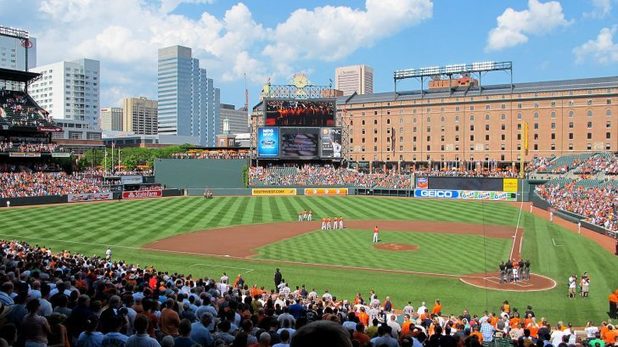
In the Same Ballpark

“In 1992, the Baltimore Orioles opened their baseball season at a brand new stadium called Oriole Park at Camden Yards, right along the downtown harbor. The stadium was small and intimate, built with brick and iron trusses—a throwback to the classic ballparks from the early 20th century. It was popular right from the start.

These new Populous ballparks are small and old fashioned-looking but they also feature modern amenities—comfortable seats and fancy foods. And while designed to be different, they tend to follow a similar aesthetic format, featuring a lot red brick and green-painted iron. These new parks also feature asymmetrical playing fields, which are in many cases dictated by the surrounding cityscape.”

Source: 99percentinvisible.org

This podcast is filled with important urban geographic issues: downtown revitalization, landscape aesthetics, sense of place, planning, public/private revitalization, etc.  And to boot, this podcast uses America’s pasttime to discuss these topics. I typically really enjoy the thoughtful exploration of the untold stories that make up our world found in the 99 Percent Invisible podcast.

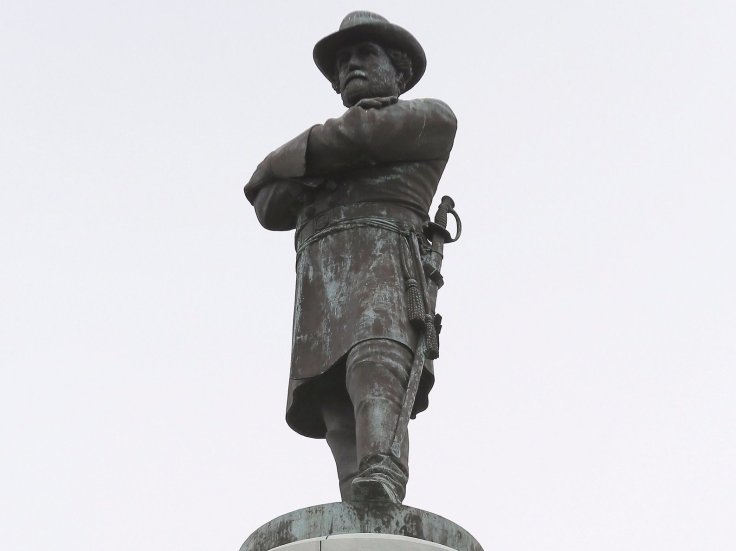
New Orleans to remove prominent Confederate statues and monuments

Statues to Confederate Generals Robert E. Lee and P.G.T. Beauregard and Confederate States of America President Jefferson Davis will be removed.

Source: www.businessinsider.com

I find issues such as these endlessly fascinating because it the cultural politics behind the shaping of the landscape are so evident. The cultural landscape clearly isn’t just an innocent reflection of the society, but is actively constructed and contested.  Some, including the NOLA mayor, claim that it isn’t political, but preserving or reconfiguring a place’s public cultural heritage is always political.


Tags: monuments, New Orleansthe Southurban, architecture, landscape.

Investing in Monumental Architecture

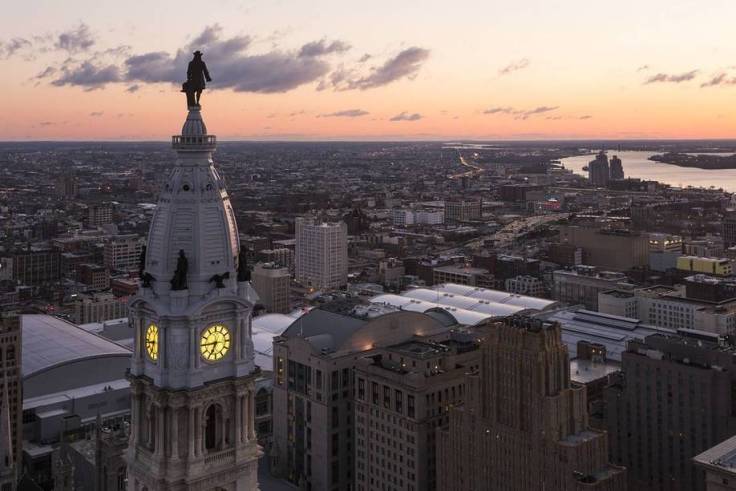
City Hall in Philadelphia is a fantastic example of using architecture to create civic pride by investing in iconic, public buildings. Monumental architecture helps to create a sense of place and communal identity. This building has open air access, making the public feel that this is more their building.”

Source: www.instagram.com

Question to Ponder: Is it “worth it” for government’s to invest taxpayer dollars on ornate architecture? 


Tags: space, monumentsurban, architecture, place, landscape.

‘Charging Bull’ sculptor says New York’s ‘Fearless Girl’ statue violates his rights

Arturo Di Modica says ‘advertising trick’ placed in Wall Street before international women’s day infringed artistic copyright

Source: www.theguardian.com

The meanings embedded in the cultural landscape can shift, and often carry meanings that the artists, architects, and planners never intended.  Certain meanings in the landscape are going to be more valuable to particular cultural groups and there will always be attempts to shape the narrative about the meanings of a given place and what it ‘should’ be.  Power and resistance to power are both deeply ingrained in many landscapes.  


Tags: gender, space, monumentsurban, architecture, NYC, place, landscape.

Why houses in Bermuda have white stepped roofs

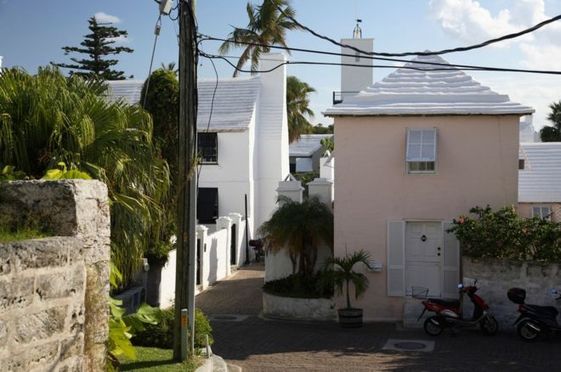
The island of Bermuda has no fresh-water springs, rivers or lakes so the design of its roofs is essential for collecting rainwater.

Source: www.bbc.com

This is such as distinct, localized example of how people adapt to their physical environment.  It explains why a particularly cultural landscape is prevalent, and the article nicely shows how traditional island living comes into conflict with tourist expectations and consumption patterns.  Tons of good geographic factors in this issue for students to analyze. 


Tags: water, tourism, sustainabilityarchitecture, consumption, landscape, Bermuda, environment adapt.

Create a free website or blog at WordPress.com.

Up ↑