Search

GEOGRAPHY EDUCATION

Supporting geography educators everywhere with current digital resources.

Tag

culture

Reading the world in 196 books

“I set myself the challenge of trying to read a book from every country (well, all 195 UN-recognised states plus former UN member Taiwan) in a year to find out what I was missing.

With no idea how to go about this beyond a sneaking suspicion that I was unlikely to find publications from nearly 200 nations on the shelves of my local bookshop, I decided to ask the planet’s readers for help. I created a blog called A Year of Reading the World and put out an appeal for suggestions of titles that I could read in English.”


Tags: languagecultureworldwide, English.

Source: www.bbc.co.uk

Dreadlocks Decision Raises Another Question: What Is Race?

Many experts agree with an appeals court’s decision last month that dreadlocks aren’t a common racial characteristic. But left undecided: What’s a common racial characteristic?

Source: www.npr.org

Race is both an omnipresent part of culture and surprisingly elusive.  “What is race?” might seem like an obvious question with concrete answers, but many see race as a socially constructed concept.  Even if it is socially constructed, how it is thought of has legal ramifications (as shown in the case regarding dreadlocks).  This is a good article that could start students asking the question “What is race?” and realize that it might be a hard question to answer.  


Tags: culture, race.

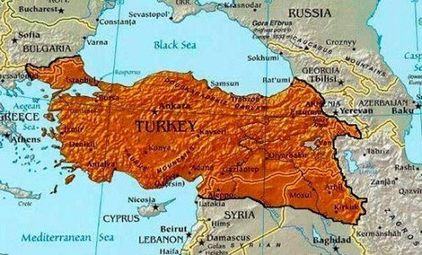
Turkey’s New Maps Are Reclaiming the Ottoman Empire

Erdogan’s aggressive nationalism is now spilling over Turkey’s borders, grabbing land in Greece and Iraq.


In the past few weeks, a conflict between Ankara and Baghdad over Turkey’s role in the liberation of Mosul has precipitated an alarming burst of Turkish irredentism. President Erdogan criticized the Treaty of Lausanne, which created the borders of modern Turkey, for leaving the country too small. Turkey won’t be annexing part of Iraq anytime soon, but this combination of irredentist cartography and rhetoric nonetheless offers some insight into Turkey’s current foreign and domestic policies and Ankara’s self-image.  The military interventions and confrontational rhetoric this nationalism inspires may worsen Turkey’s security and regional standing.


Tags: political, irredentism, culture, Turkeyhistorical, bordersempire, geopolitics.

Source: www.yahoo.com

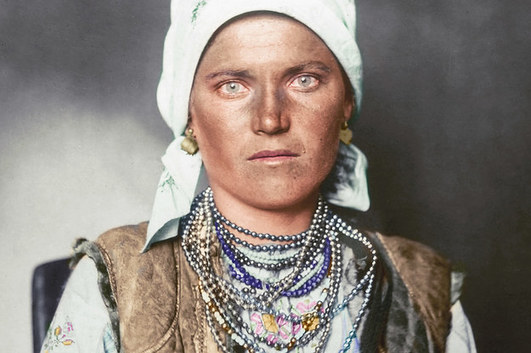
Portraits Of NYC Immigrants Reveal Cultural Backgrounds

Here are just a handful of the 12 million men, women, and children who arrived at Ellis Island, New York, between 1892 and 1954 to start a new life in the USA, often dressed in their finest clothes. The portraits show immigrants wearing the national dress of their country of origin, including military uniforms from Albania, bonnets from the Netherlands, and clothing of Sámi people from the Arctic regions.

The photographs were taken between 1906 and 1914 by amateur photographer Augustus Francis Sherman, the chief registry clerk at Ellis Island, then the country’s busiest immigration station. In 1907 some of the photos were published by National Geographic.

Source: www.buzzfeed.com

These images show some of the diverse cultural backgrounds of turn-of-the-century American immigrants.  The formal clothing that represents the folk cultures that they came from hint at the massive cultural shift that these immigrants must have experienced upon arriving to the United States.  These photos of migrants wearing clothing representing their Old World lives right as they are about to culturally assimilate (or acculturate) into the New World are pictures I find quite poignant and personal.    


Tagsculturemigrationhistorical, folk culturesethnicity, unit 3 culture.

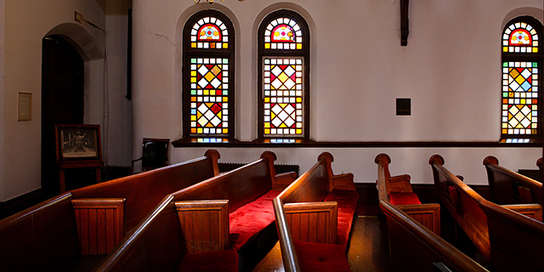
Why America’s ‘nones’ left religion behind

With the percentage of U.S. adults who do not identify with a religious group growing, we asked these people to explain, in their own words, why they left.

Source: www.pewresearch.org

The United States’ population is becoming increasingly secularized.  The U.S. used to be predominantly a white, Christian country but that is no longer the case.  As religion becomes less of a factor in the lives of many individuals, it also has larger cultural ramifications. 


Tags: culturereligionUSA, Christianity.

The history of African-American social dance

Why do we dance? African-American social dances started as a way for enslaved Africans to keep cultural traditions alive and retain a sense of inner freedom. They remain an affirmation of identity and independence. In this electric demonstration, packed with live performances, choreographer, educator and TED Fellow Camille A. Brown explores what happens when communities let loose and express themselves by dancing together.

Source: www.youtube.com

Dance is more than just a way to have fun; dance reflects cultural forms of expression and communal identity.  This Ted-Ed talk demonstrates the rich cultural heritage that can be seen in particular cultural traits (such as food, clothing, dance, music, etc.).  This is bound to be a fun, vibrant way to show the how cultural patterns and processes play out using something that young people generally enjoy. 


Tags: culturediffusion, popular culture, music, race, historicalthe South, TED, video.

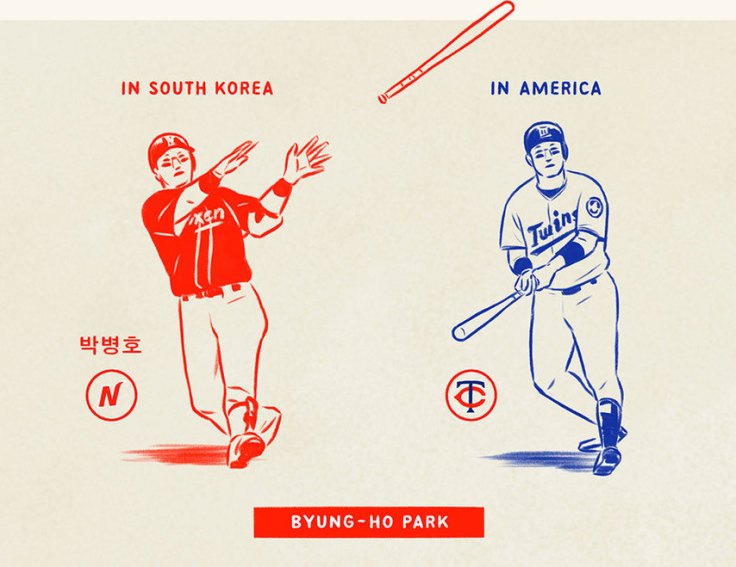
The great Korean bat flip mystery

MLB’s code is clear: Flip your bat and you’ll pay. But in South Korea, flips are an art. How does this alternate world exist? And what does it say about us? Writer Mina Kimes trekked across South Korea with illustrator Mickey Duzyj to unravel the mystery.

Source: www.espn.com

There are unwritten rules in Major League Baseball, or in geographic terms, there are are cultural norms that are informally enforced to maintain homogeneity and to prevent  cultural drift.  Jose Bautista’s repuation as a villain has much to do with his rejection of a key MLB unwritten rule–Never ‘show up’ the pitcher by flipping the bat.  In South Korea, typically a country much more associated with cultural traditions of honor and respect than the United States, bat flipping is much more accepted and common (diffusion plays a role in the story–baseball came to South Korea via Japan).  This is an interesting story about South Korean baseball’s cultural norms that might intrigue some sports fans. 


Tags: sport, popular culturediffusion, culturecultural norms, South Korea, East Asia.

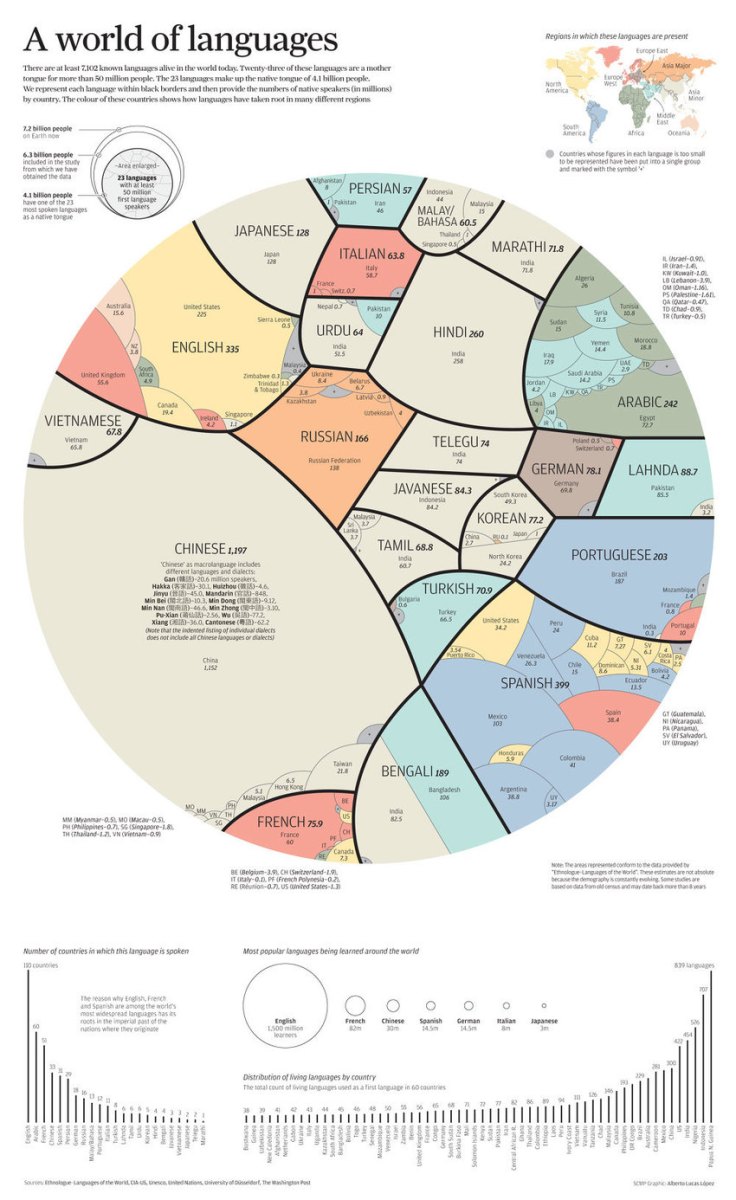
The world’s most spoken languages

Source: matadornetwork.com

This infographic is a great way to visualize the dominant languages on Earth.  Since this only counts one language per person, mother tongues are listed.  Consequently, lingua franca’s such as English and France are smaller than you might have presumed them to be.  


Tags: language, culture, infographic.

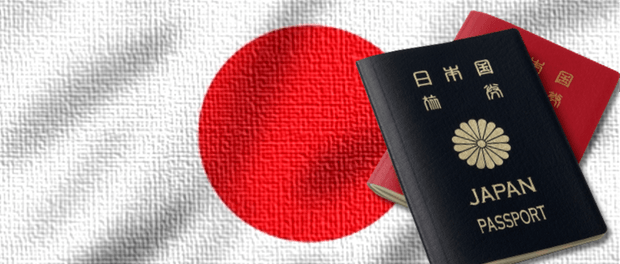
Getting Japanese Citizenship

“To become a Japanese citizen, a foreigner must display ‘good conduct’, among other things. The rules do not specify what that means, and make no mention of living wafu (Japanese-style). But for one candidate, at least, it involved officials looking in his fridge and inspecting his children’s toys to see if he was Japanese enough (he was). Bureaucratic discretion is the main reason why it is hard to get Japanese nationality. The ministry of justice, which handles the process, says officials may visit applicants’ homes and talk to their neighbors.”

Source: www.economist.com

Japan has a remarkably homogeneous population, in large part because they have very tight immigration laws (here is a more extended list of the requirements to obtain a Japanese citizenship).


Questions to Ponder: How is the notion of Japanese citizenship different from American citizenship?  As Japan’s population continues to decline, how might that change Japan’s migration/citizenship policies?   


Tags: JapanEast Asia, place, perspective, cultural norms, culture.

Blog at WordPress.com.

Up ↑