Search

GEOGRAPHY EDUCATION

Supporting geography educators everywhere with current digital resources.

Tag

development

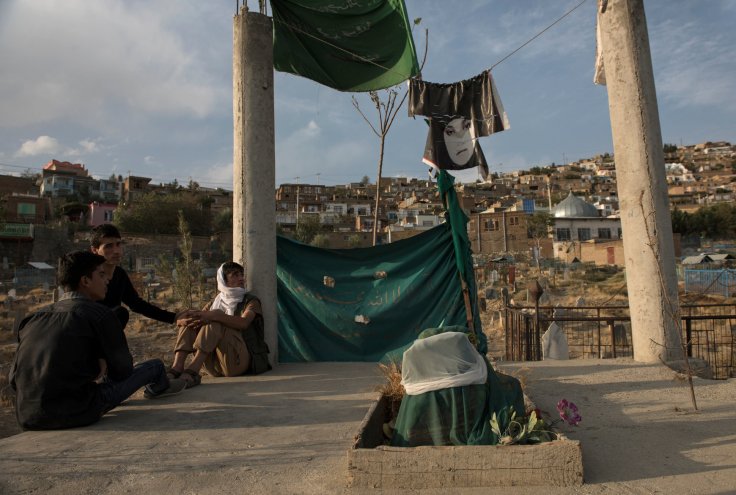
Flawed Justice After a Mob Killed an Afghan Woman

At first, the trial and convictions in the death of Farkhunda Malikzada seemed a victory in the long struggle to give Afghan women their due in court. But a deeper look suggests otherwise.

Source: www.nytimes.com

DISCLAIMER: I strongly recommend that the video not be shown in class (I wouldn’t show the embedded video in my college classes, but I would discuss the article).  The video is as horrific as anything I’ve ever seen and yet I feel compelled to share the story because it is important to understand the cultural and institutional problems of Afghanistan to get a handle on the deeply entrenched issues. This also shows parts of Afghanistan are seeking to make the transition into a more modern society, but there are other elements that are firmly rooted in the past where mob rule was once more easily justified.  


Tags: Afghanistan, culture, developmentgender

The other Asian tiger

“Vietnam’s success merits a closer look.”


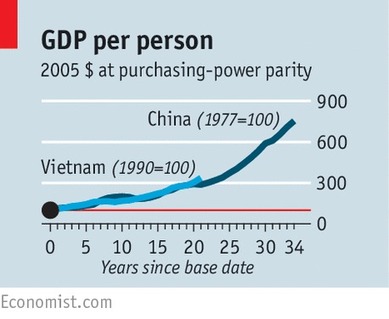
Which Asian country has roared ahead over the past quarter-century, with millions of its people escaping poverty? And which Asian economy, still mainly rural, will be the continent’s next dynamo? Most would probably respond “China” to the first question and “India” to the second. But these answers would overlook a country that, in any other part of the world, would stand out for its past success and future promise.

Vietnam, with a population of more than 90m, has notched up the world’s second-fastest growth rate per person since 1990, behind only China. If it can maintain a 7% pace over the next decade, it will follow the same trajectory as erstwhile Asian tigers such as South Korea and Taiwan. Quite an achievement for a country that in the 1980s was emerging from decades of war and was as poor as Ethiopia.


Tags: Vietnam, globalizationdevelopment, economic, SouthEastAsia.

Source: www.economist.com

India’s campaign to change cultural practices

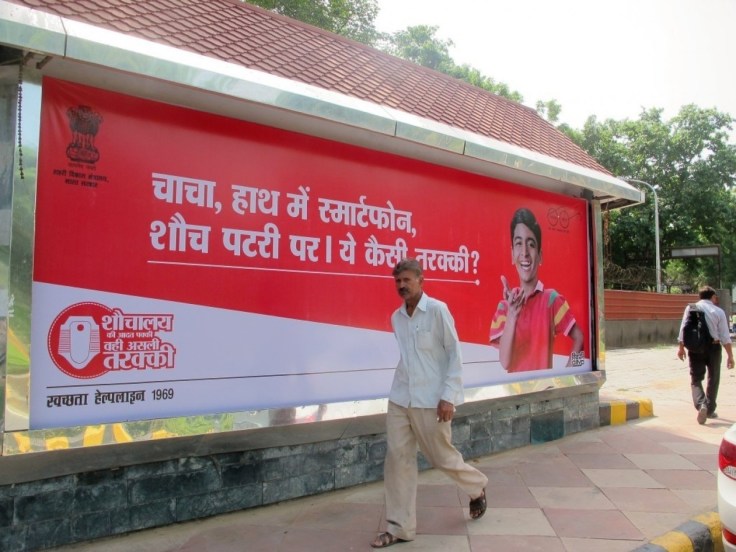
“Television commercials and billboards now carry a message that strike at the heart of the Indian contradiction of being the world’s fastest-growing major economy and also where relieving oneself in the open is the norm in most villages. Research shows that one of the reasons for the stubborn social practice is the centuries-old caste system, in which cleaning human waste was a job reserved only for the lowest caste. Having a toilet at home is still considered unclean by many villagers. They regard it cleaner to go to the open farms, which can cause water-borne diseases, the second leading cause of death of Indian children younger than 5.”

Source: www.washingtonpost.com

An aggressive new campaign is ridiculing those who are no longer poor but continue to defecate in the open–even this UNICEF campaign (some language and low-brow humor, so use your own discretion) is working hard to change the cultural patterns and practices surrounding defecation and sanitation.  There are more cellphones than toilets in India and the lack of adequate sanitation and toilets is serious enough that that Prime Minister Narendra Modi has made building toilets a national priority.  Comics are using their platform to bring this issue of uneven development to light. 54% of people in India do not have regular access to toilets and these comedians are using their platform to not only get some laughs, but to advocate for social change. 


Tagsdevelopment, poverty, India.

The Best News You Don’t Know

I’ve covered massacres in South Sudan, concentration camps in Myanmar and widespread stunting in India, but it’s also important to acknowledge the backdrop of global progress. Otherwise, the public may perceive poverty as hopeless and see no point in carrying on the fight — at just the point when we’re making the most rapid gains ever recorded.

Source: www.nytimes.com

The world is winning the war on extreme poverty, but most Americans think that poverty is getting worse. Doom and gloom can dominate media coverage because a horrific tragedy gets better rating than slow incremental improvements.  The general public is often ignorant of the measurable improvements going on in the world today.  No, the world isn’t perfect, but it is getting better. 


Tags: mediapoverty, development, economic, perspective.

Africa’s Charcoal Economy Is Cooking. The Trees Are Paying.

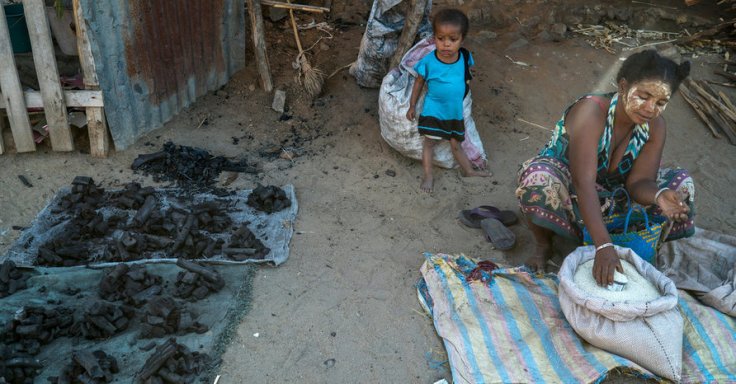
In Madagascar, the booming charcoal business is contributing to deforestation and may exacerbate the effects of global warming.

Source: www.nytimes.com

Deforestation does not happen in a vacuum–it occurs in an economic, political, and historical context.  Rural Africans have less access to high value commodities and converting forests into charcoal is one of the few options (similar to the issue in Haiti).  The short-term economic gain for a few individuals leads to long-term environmental problems such as soil erosion, flooding, and habitat destruction for many species.  


Tags: biogeography, environmentecology, poverty, development, economic, labor, Madagascar, erosionAfrica, resourcespolitical ecology.

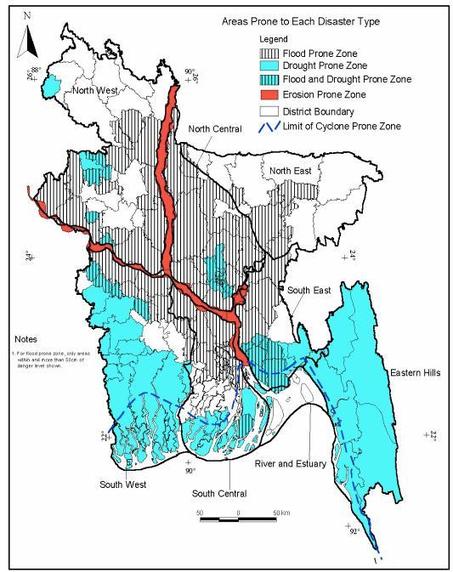
Bangladesh’s Hazardous Geography

Bangladesh is exposed to threat of hazards resulting from a number of natural disasters and remains classified as one the most vulnerable countries. Majority of the country is affected by cyclone, drought and floods.

Source: www.saarc-sadkn.org

Bangladesh is regularly hit with different types of natural disasters. The impact of these natural disasters costs the country millions making it dependent on foreign aid.  Disaster clean-up and relief aid after major floods, droughts, and hurricanes.  


Tagsdisasters, environmentBangladeshSouth Asia, development.

How To Get A Country To Trust Its Banks

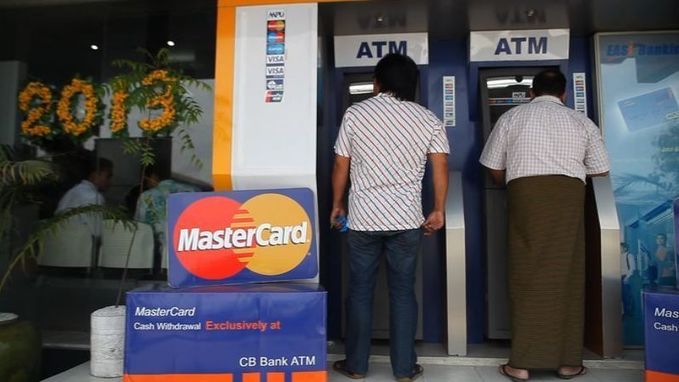
“It’s something you can see on every block in most major cities. You probably see one every day and never give give it a second thought. But in Yangon, Myanmar in 2013, an ATM was a small miracle. For decades, Myanmar was cut off from the rest of the world. There were international sanctions, and no one from the U.S. or Europe did business there.”

Source: www.npr.org

We often assume that one form of technology, a system, institute should work equally well where ever it is.  But the nuances of cultural geography mediate how societies interact with technological innovations, and as demonstrated in this Planet Money podcast, “People in Myanmar (Burma) were reluctant to use ATMs because they didn’t trust the banks. They weren’t sure that the machines would actually give them their money.”  


Tags: Burma, Southeast Asia, poverty, development, economicpodcast.

Cutting Haiti’s Forests

The major environmental problem facing Haiti’s biodiversity is explained, including video of tree-cutting within a national park.

Source: www.youtube.com

Deforestation does not happen in a vacuum–it occurs in an economic, political, and historical context.  Having successfully staged a slave revolution against France in 1806, they were ostracized from the global community (since the powers that be did not want to see slave rebellions or colonial uprising elsewhere) and were forced to look within for their own energy resources.  The nation’s forests were (and still are) converted into charcoal, leading to long-term environmental problems such as soil erosion, flooding, and habitat destruction for many species.  All of this increased  increased Haiti’s disaster vulnerability in the earthquake of 2010.     


Tags: Haiti, biogeography, environmentecology, video, poverty, development, economic, labor.

Haiti: From Recovery to Sustainable Development

//cdn.embedly.com/widgets/media.html?src=https%3A%2F%2Flink.brightcove.com%2Fservices%2Fplayer%2Fbcpid74508896001%3Fbctid%3D4651761801001%26secureConnections%3Dtrue%26secureHTMLConnections%3Dtrue%26linkSrc%3Dtwitter%26autoStart%3Dfalse%26height%3D100%2525%26width%3D100%2525&wmode=opaque&url=http%3A%2F%2Flink.brightcove.com%2Fservices%2Fplayer%2Fbcpid74508896001%3Fbckey%3DAQ%7E%7E%2CAAAAADraVCk%7E%2C_iousidU67F4p_MQwYYMqwTlZK8h4hDh%26bctid%3D4651761801001&image=http%3A%2F%2Fbrightcove.vo.llnwd.net%2Fe1%2Fpd%2F987386921%2F987386921_4651835419001_4651761801001-vs.jpg%3FpubId%3D987386921&key=359ed8ab27db4f02a128049b1f89d6a1&type=text%2Fhtml&schema=brightcove

“Since the 2010 earthquake, Haiti has successfully pulled through the humanitarian recovery phase and seen significant socioeconomic gains. Yet as Haiti moves toward long-term, sustainable development, the country faces significant challenges. The political system remains fragile, sustainable jobs are scarce, and the environment is still as vulnerable now as it was then.”

Source: link.brightcove.com

While this is primarily a promotional campaign for the UNDP’s efforts in Haiti, it nicely contextualizes the problems that Haiti faces before discussing how to improve the situation.  Some keys for the future include: 

  • Governance and Rule of Law
  • Recovery and Poverty Reduction
  • Disaster Risk Reduction
  • Environmental Management
  • Medical Outbreak Management  


Tagsdisasters, Haiti, NGOspoverty, development, video.

Blog at WordPress.com.

Up ↑