Search

GEOGRAPHY EDUCATION

Supporting geography educators everywhere with current digital resources.

Tag

environment

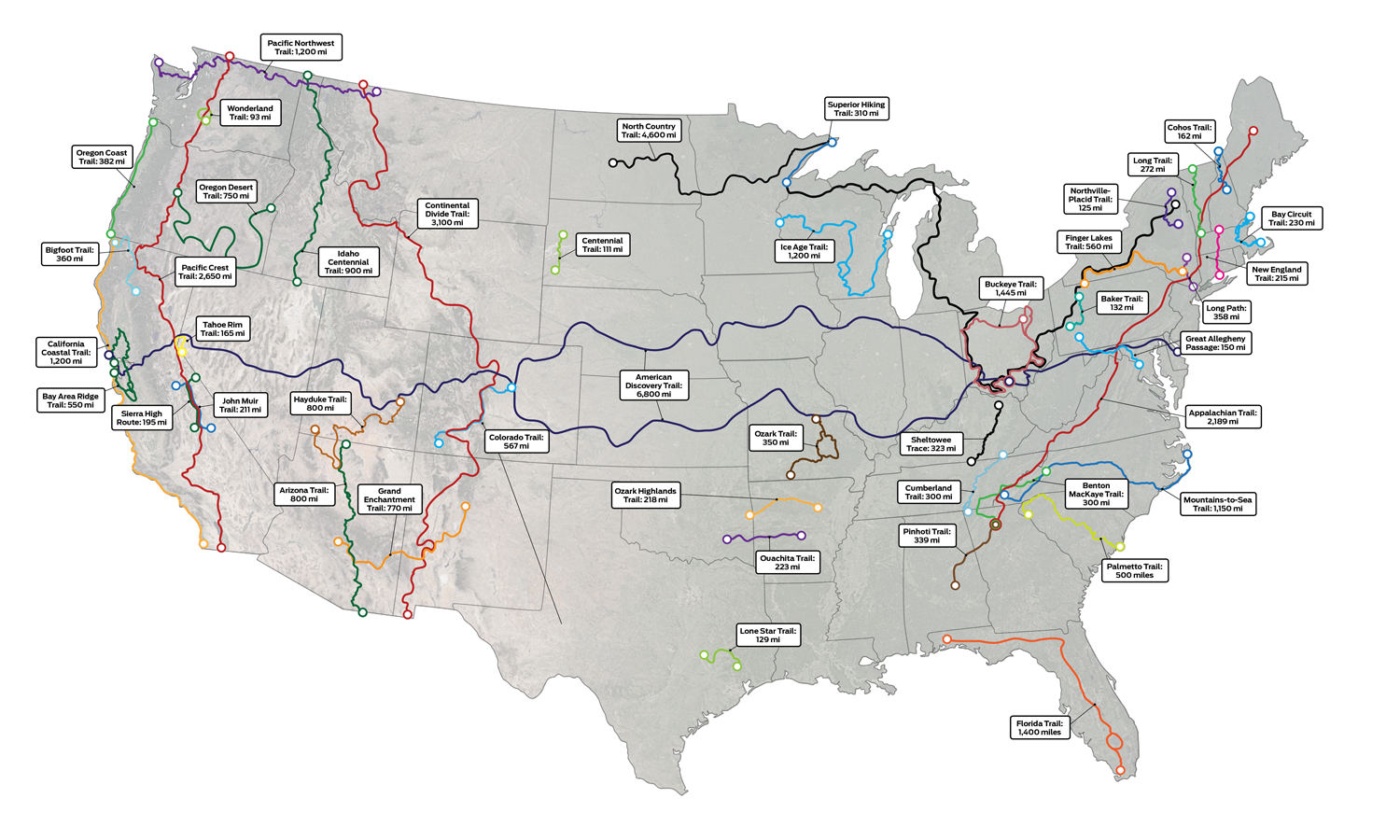
America’s Best Long Trails

Plan your next big hike with this map of America’s most-loved long trails.

Source: www.backpacker.com

My uncle hiked the entire Pacific Crest Trail and as a kid the enormity of that feat was both inspirational and mind-boggling.  Recently I watched an incredible documentary about an ultra-marathoner’s quest on Vermont’s Long Trail (Finding Traction: free on Amazon Prime–trailer here).  While I doubt most of us could go the full length of these trails given our jobs, fitness levels, etc., I do think that getting outside to explore some of the physical environments in our local areas this summer sounds like a fantastic idea (high-res map here).  


Tags: transportation, landscape, place, sportphysical, environment, mappingmap.

The Fallacy of Endless Economic Growth

What economists around the world get wrong about the future.


The idea that economic growth can continue forever on a finite planet is the unifying faith of industrial civilization. That it is nonsensical in the extreme, a deluded fantasy, doesn’t appear to bother us. We hear the holy truth in the decrees of elected officials, in the laments of economists about flagging GDP, in the authoritative pages of opinion, in the whirligig of advertising, at the World Bank and on Wall Street, in the prospectuses of globe-spanning corporations and in the halls of the smallest small-town chambers of commerce. Growth is sacrosanct. Growth will bring jobs and income, which allow us entry into the state of grace known as affluence, which permits us to consume more, providing more jobs for more people producing more goods and services so that the all-mighty economy can continue to grow. “Growth is our idol, our golden calf,” Herman Daly, an economist known for his anti-growth heresies, told me recently.


Tagsop-ed, economicindustry, sustainability, development, consumption, climate change, environment, resources.


Source: psmag.com

Short Film: How Water Gets From The Nile To Thirsty Refugees

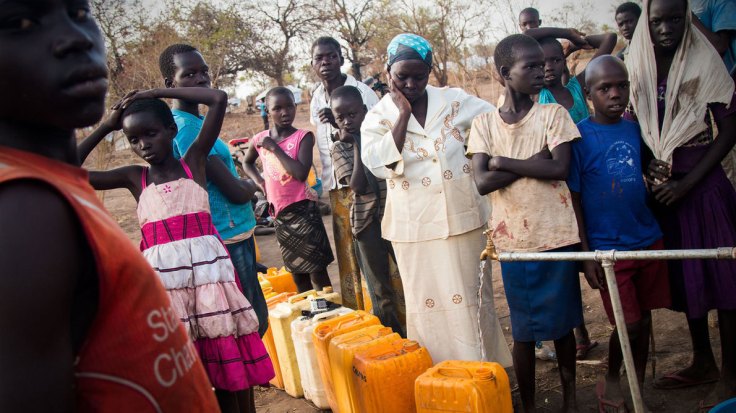
Hundreds of thousands of refugees have fled the civil war in South Sudan and resettled in Uganda. This 12-minute documentary shows the daily struggle to get water.

Source: www.npr.org

Next to nothing in this video will make you happy about the way things operate for refugees in Northern Uganda who have fled from South Sudan.  We all know the about the dire conditions that refugees face, but knowing about the specifics, and hearing stories from the refugees about their lives and living conditions is powerful.  A huge influx of refugees can tax local resources, especially water.  Food can be shipped in, but water a much more locally variable resource.   The UN refugee camps recommend at least 15 liters of water per person be made available each day, but often it is more like 4-8 liters in these camps.  Dedicated wells (or boreholes) are more effective, but costly.  Trucking in water from the Nile River is the preferred method to simply keep these drowning people’s heads above water.    

Questions to Ponder: Consider how much water you drink, use for cooking, bathing, etc. per day in your household.  How difficult would it be to live on 4 liters of water a day?  What about your lifestyle would be changed? 


Tags: Africa, development, Uganda, migrationrefugees, environment, water, sustainability, resources.

How Cookiecutter Sharks Eat Is Terrifying

Do not be fooled by its adorable name—the cookiecutter shark attacks by suctioning its lips to the flesh of its victims, spins, and ejects a cylindrical plug of flesh from its prey!

Source: www.youtube.com

This is the most delightfully fun video about one of the creepiest critters of the deep. 


Tags: water, biogeography, environment, physical, National Geographic.

Mapping the human impact on the Great Lakes

“It’s no secret that the Great Lakes are suffering tremendous ecological strain — Lake Erie was even pronounced “dead” for a time during the 1960s because of an overload of phosphorus from municipal waste. Back in 1615, though, when the entire region was pristine and explorers Samuel de Champlain and Étienne Brûlé gazed out together from Lake Huron’s shores, they dubbed it la mer douce, ‘the sweet sea.’ Today roughly one-quarter of Canada’s population and a 10th of America’s population drink from the Great Lakes basin; the beleaguered lakes alone hold more than a fifth of Earth’s freshwater.”

Source: www.canadiangeographic.ca

Questions to Ponder: What watershed do you live in?  Where does your drinking water come from?  When you flush the toilet, where does it go? How are places in your watershed linked?  How does this similar map shed more light on these issues?  


TagsCanada, environment, resources, waterspatial, scale

Water Is Life

Hundreds of thousands of refugees have fled South Sudan to escape the civil war. When they arrive in Uganda, water is what they need most. Without it, they will die.

Source: www.youtube.com

Next to nothing in this video will make you happy about the way things operate for refugees in Northern Uganda who have fled from South Sudan.  We all know the about the dire conditions that refugees face, but knowing about the specifics, and hearing stories from the refugees about their lives and living conditions is powerful.  A huge influx of refugees can tax local resources, especially water.  Food can be shipped in, but water a much more locally variable resource.   The UN refugee camps recommend at least 15 liters of water per person be made available each day, but often it is more like 4-8 liters in these camps.  Dedicated wells (or boreholes) are more effective, but costly.  Trucking in water from the Nile River is the preferred method to simply keep these drowning people’s heads above water.    


Questions to Ponder: Consider how much water you drink, use for cooking, bathing, etc. per day in your household.  How difficult would it be to live on 4 liters of water a day?  What about your lifestyle would be changed? 


TagsAfrica, development, Uganda, South Sudan, migrationrefugees, environment, waterenvironment depend, sustainability, resources.

Jackalopes Return to Yellowstone Ecosystem

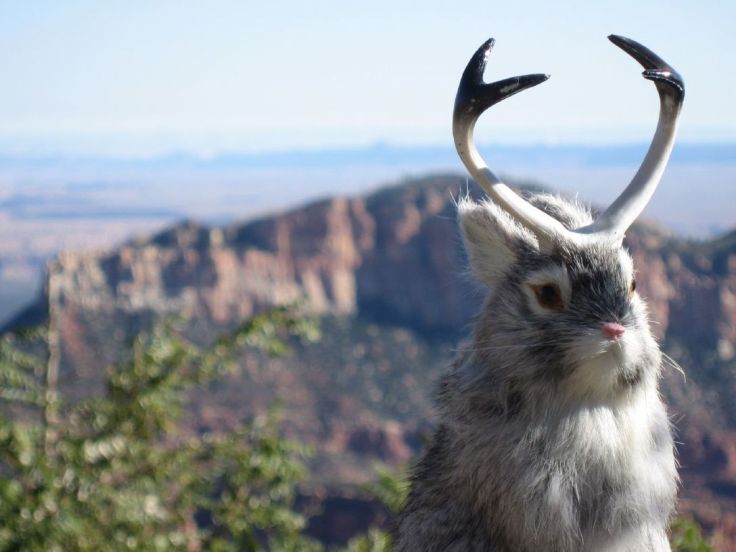
After a 93 year hiatus, the elusive Jackalope has returned to the greater Yellowstone ecosystem! These beautiful, yet frightening, creatures were once widely collected by tourists, but better management practices have allowed a re-introduced pack to thrive again. These guys have been sporadically spotted all around the west, including Wyoming, Montana, Colorado, and New Mexico. Idaho allowed a “shoot on sight” policy for jackalopes, so they have not been seen there in quite a while.

Source: jellostone.com

Long live the Jackalope!!  May the majestic creature once again flourish in the West. 


Tags: biogeography, environmentecology, fun.

Senegal’s Great Green Wall combats desertification

“A 7,000 km barrier is being built along the footsteps of the Sahara to stop the desert expanding. The Great Green Wall project started in 2007 in Senegal, along with 10 countries in Africa to combat the effects of climate change. Al Jazeera’s Nicolas Haque reports from Widou, deep in the Sahel.”

Source: www.youtube.com

The Great Green Wall initiative is composed of 11 countries that are cooperating together to combat the physical and human geographic characteristics that make the Sahel one of the more vulnerable ecosystems in the world.  This swath running through Africa is the transition zone where tropical Africa meets the Sahara.  The Sahel is susceptible to drought, overgrazing, land degradation and desertification.  These issues of resource management and land use transcend international borders so this “Green Wall” was created with the intent to protect the environment, landscapes and people of the Sahel from desert encroachment (the shorter, social media friendly version of this video is available here).


Tags: Africa, Senegal, development, environment, waterbiogeography, ecology, environment depend, physical, weather and climate, supranationalism, political ecology.

Mexico City, Parched and Sinking, Faces a Water Crisis

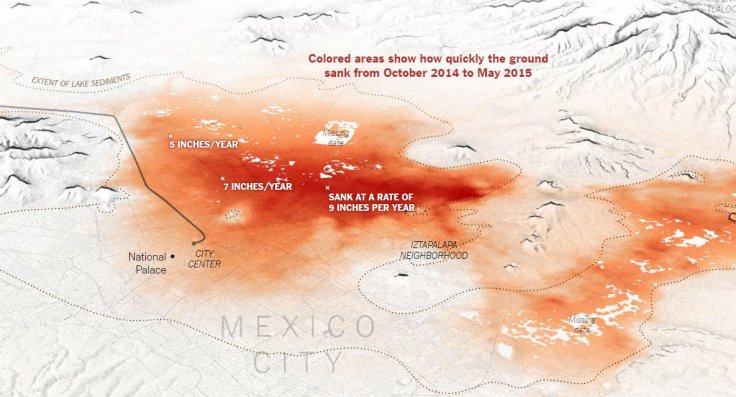
“A host of environmental factors are threatening to push a crowded capital toward a breaking point.”

Source: www.nytimes.com

Urban ecology, environmental justice, gendered inequities, primate city politics, the struggle of growing megacities…it’s all here in this fantastic piece of investigative reporting.  The article highlights the ecological problems that Mexico City faces (high-altitude exacerbates air pollution, interior drainage worsens water pollution, limited aquifers that are overworked lead to subsidence, importing water outside of the basin requires enormous amounts of energy, etc.).  just because the article doesn’t use the word ‘geography’ doesn’t mean that it isn’t incredibly geographic. All of these problems are at the heart of human-environmental nexus of 21st century urbanization. 


Tags: urban, megacities, water, environment, Mexico.

Blog at WordPress.com.

Up ↑