Search

GEOGRAPHY EDUCATION

Supporting geography educators everywhere with current digital resources.

Tag

globalization

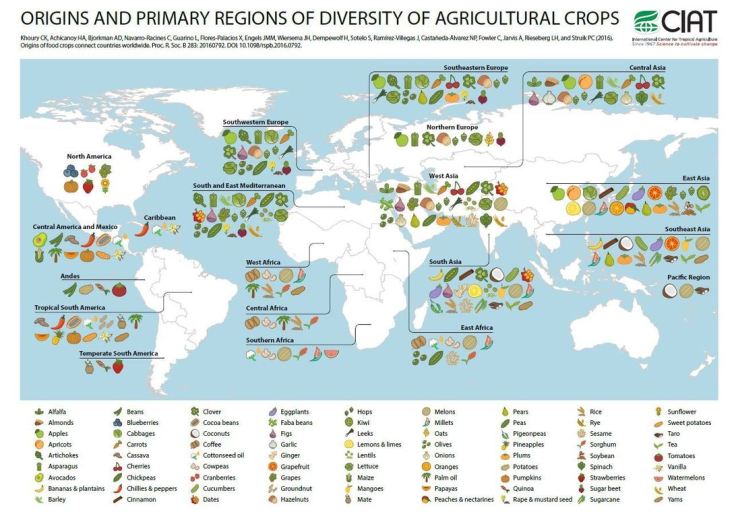
Where our food came from

“Explore the geographic origins of our food crops – where they were initially domesticated and evolved over time – and discover how important these ‘primary regions of diversity’ are to our current diets and agricultural production areas.”

Source: blog.ciat.cgiar.org

This is an incredibly rich website with great interactive maps, dynamic charts, and text with rich citations.  This is one of those resources that an entire class could use as a starting point to create 30+ distinct project.  This is definitely one of the most important and best resources that I’ve shared recently, one that I’m going to use in my class.  Where did a particular crop originally come from?  Where is it produced today?   How do these historic and current agricultural geographies change local diets and economies around the world?  All these issues can be explored with this interactive that includes, but goes beyond the Columbian Exchange


Tags: foodeconomicfood production, agribusiness, agriculture, APHG, unit 5 agriculture, globalizationbiogeography, ecology, diffusion.

Break Dancing, NGOs, and Global Lives

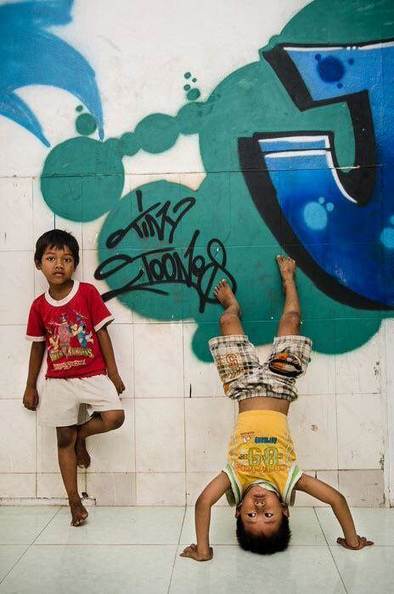
Deported to Cambodia, Former Gang Member Gets A Second Chance. When Tuy Sobil was deported to Cambodia from the U.S., it was the first time he had ever stepped foot in the Southeast Asian country.

Source: www.nbcnews.com

My students have enjoyed this video about a break-dancing NGO that was created by a former refugee from the United States who was subsequently deported to Cambodia (this article serves as some added background and a follow-up to the story).  This story shows the influence of urban youth culture and various strands of geography in this young man’s global life.


Tags: Cambodia, diffusion, cultureNGOs, globalization.

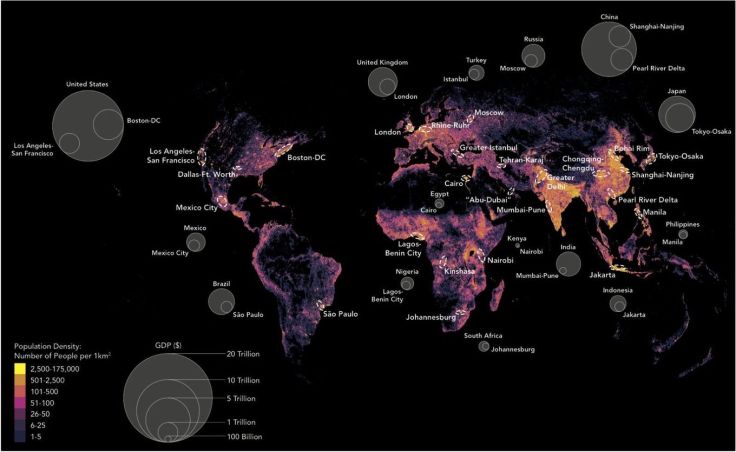
Megacities, not nations, are the world’s dominant, enduring social structures

“Cities are mankind’s most enduring and stable mode of social organization, outlasting all empires and nations over which they have presided. Today cities have become the world’s dominant demographic and economic clusters.”

Source: qz.com

This map is a sneak peek preview from the new book Connectography by Parag Khanna.  This main point of the book and article is that economic and social connectivity is the new driving force is of geopolitics, not just global economics.  Supply chains matter more than borders and the largest cities are the controlling nodes of those supply chains.  


Tags: political, globalization, urbaneconomic.

China’s hungry cattle feasting on alfalfa grown on Utah farm

China has long depended on the U.S. breadbasket, importing up to $26 billion in U.S. agricultural products yearly. But increasingly, Chinese investors aren’t just buying from farms abroad. They’re buying the farms.

Source: www.mcclatchydc.com

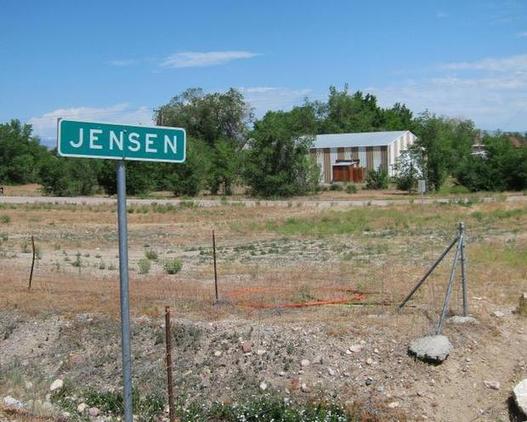
Globalization is often described as a homogenizing force, but is also pairs together odd bed fellows.  A small Utah town near the Colorado border, Jensen is now home to the largest Chinese-owned hay farm in the United States. Utah’s climate is right for growing alfalfa, and China’s growing cattle industry make this a natural global partnership.  Large container ships come to the United States from China, and return fairly empty, making the transportation price relatively affordable.  Locally back in the United States though, water resources are scarce and many see this as a depletion of local water exported to China.  Some states see this as a threat and are considering banning foreign ownership of farmland.  This article shows the merging various geographic themes: the global and local, the industrial and the agricultural, the human and the physical.         

Tags: agriculture, agribusinesstransportation, globalizationwaterChinaindustry, economic, physical, Utah.

Globalization

The world is becoming more and more interconnected. Globalization changes how people consume, work and live almost everywhere on the world. Today, many economic, political, cultural or ecological relationships are not explainable from a national perspective. At the same time, a controversial debate about the consequences of globalization has begun.

Questions to ponder: What are the driving forces behind globalization? What areas are most impacted by globalization?  How does globalization benefit some, and adversely impact others? Why?

Tags: Globalization, economic, industry, NGOs, political, scale, unit 6 industry.

See on www.youtube.com

The meaning of ‘Kony 2012’

Via Scoop.itGeography Education
A warlord goes viral….

This video was the most explosively viral video in the young history of online media content that is distributed through social media networks.  What does it all mean?  I find this to be a thoughtful article that isn’t a wholehearted embrace, nor is it a knee-jerk reaction against the #stopkony movement.

For geography teachers, I see several take-home points from this: 1) this is a teaching moment to discuss ethnic conflicts and political instability in Sub-Saharan Africa and the social problems that plague a society in that context.  2) This is a powerful demonstration of the impact that social media.  Social Media is much more than chatting with friends, it can be a key component to what Friedman would describe as the ‘flattening’ of the Earth, a technological tool that has accelerated the pace of globalization.  3) This is also a teaching moment to correct some of the cultural bias that was evident in the video.  Chances are, students in your classroom have seen the video, have heard some of the reaction, and could use some direction in evaluating the meaning behind the phenomenon.
Via www.washingtonpost.com

Create a free website or blog at WordPress.com.

Up ↑