This 5-minute video is a good introduction to garlic, it’s production, environmental requirements, nutritional profile and diffusion. Historically, garlic was far more important than I ever imagined. The geography of food goes far beyond the kitchen and there are many more episodes in the “How Does it Grow?” series to show that.
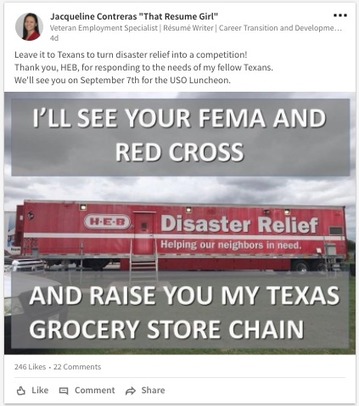
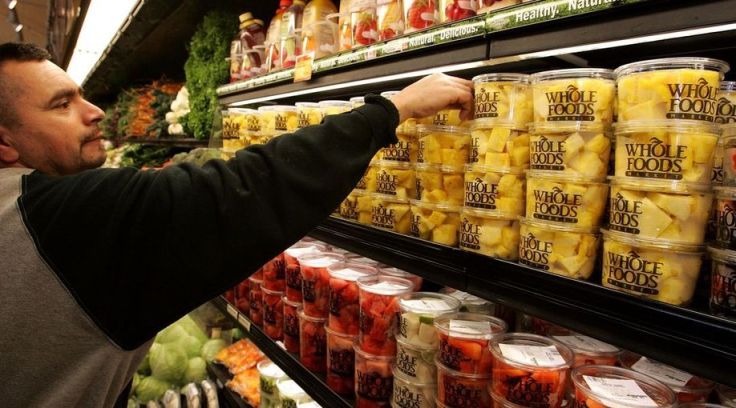
“One of my stores, we had 300 employees; 140 of them were displaced by the flooding. So how do you put your store back together quickly? We asked for volunteers in the rest of the company. We brought over 2,000 partners from Austin, San Antonio, the Rio Grande Valley. They hopped into cars and they just drove to Houston. They said, we’re here to help. For 18 hours a day, they’re going to help us restock and then they’ll go sleep on the couch at somebody’s house.”
Natural disasters complicate the logistics that make our modern economy run. We take these flows for granted–until they are disrupted. This article is a excellent view into how to operate when disaster strikes.
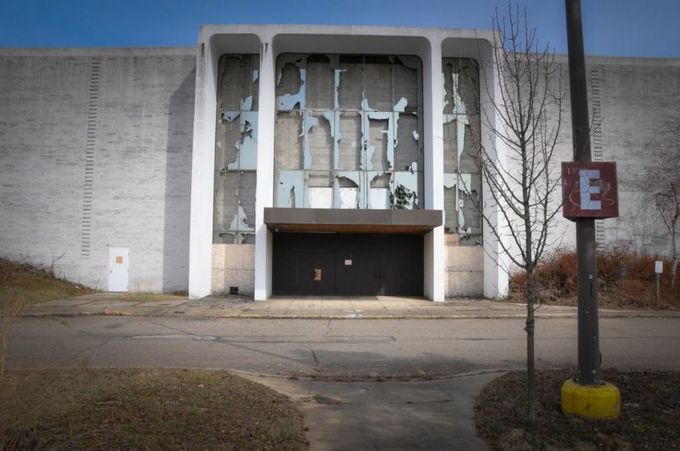
“The Seattle-based internet book seller Amazon just announced plans to open an enormous fulfillment center in the North Randall, Ohio. This is a big deal for the small community which has suffered greatly since the Randall Park Mall, once the largest in America, shut down due to retail sales moving online. Amazon is actually building its new warehouse on the same land where the mall once stood. The irony of this is lost on no one.”
What jobs can be automated? This is a question I ask all of my students because job disruption is something that every future wage earner should consider as they plan out their careers. Would you be outsource-able? Could technology render your skill set unnecessary in the future? What are the impacts of creative destruction on the economic, cultural, and political characteristics of a place? How would those changes impact regions?
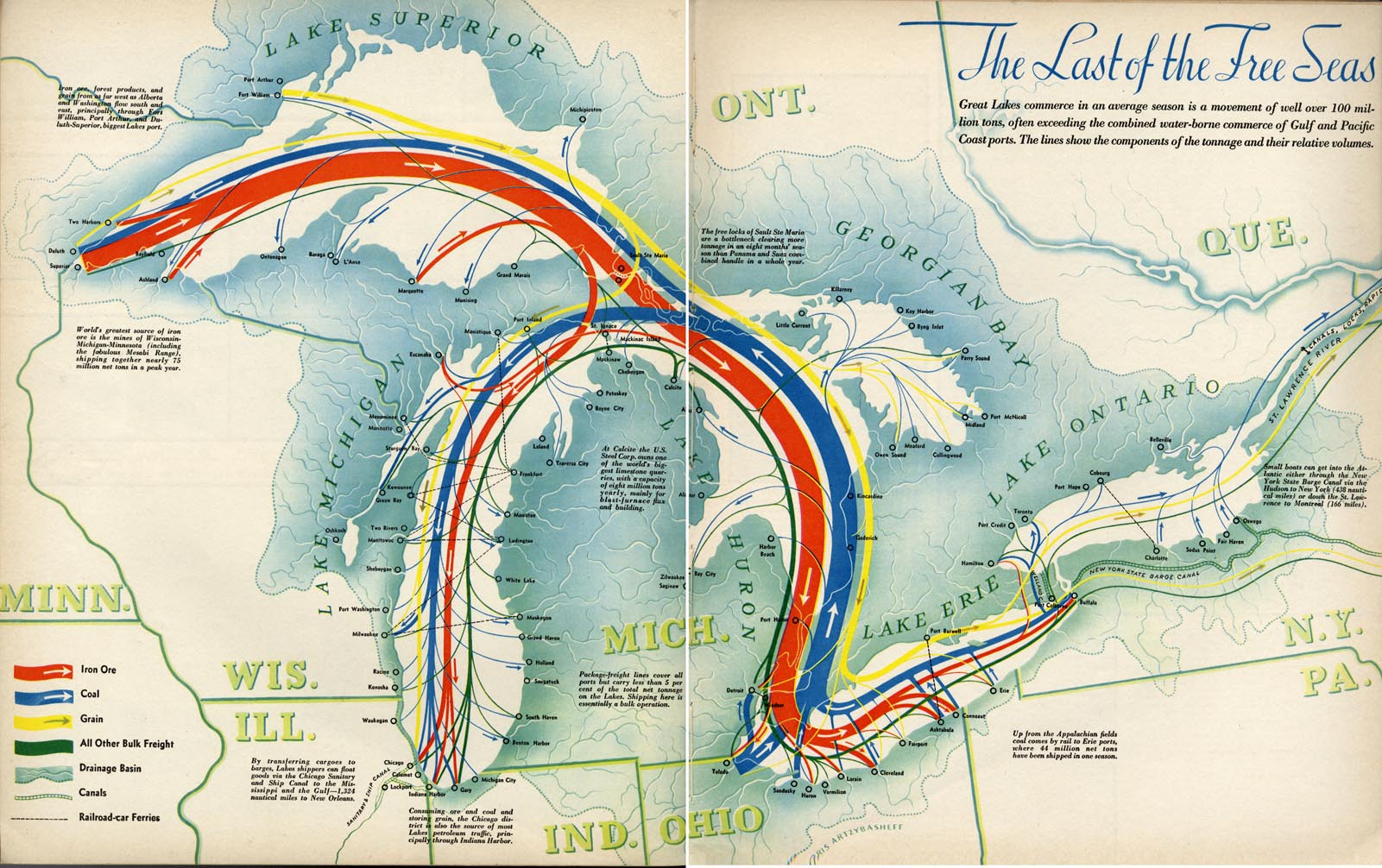
“The Last of the Free Seas is the title of this fantastic map of the Great Lakes made by Boris Artzbasheff. It was published in Fortune Magazine in July 1940.”
The inland waterways were absolutely critical to the demographic and economic development of the eastern part of the United States, especially from 1820-1940. Before World War II, Great Lakes shipping exceeded the tonnage of U.S. Pacific Coast shipping (see hi-res map here). World War II and the beginning of the Cold War led to a consolidation of naval power for the United States and its allies, greatly expanding Pacific shipping trade and spurring fast-developing economies countries.
Great Lakes shipping dramatically declined, in part because steel production has gone to lower-cost producers that were connected to the U.S. economy through the expanded trade. Some could see irony since the steel warships created from the Great Lakes manufacturing enabled expanded Pacific and Atlantic trade that led to the decline of Great Lakes manufacturing and regional struggles in the rust belt. Still, more than 200 million tons of cargo, mostly iron ore, coal, and grain, travel across the Great Lakes annually.
Avocados have become a super trendy food, but few of us know how they’re even grown or harvested. We visit a California farm to uncover the amazing story of the avocado — and share the secrets to choosing, ripening and cutting the fruit.
My childhood house in the Los Angeles area had an avocado tree in the backyard; I now realize that the climatic demands of avocado production means this is a rarity in the United States, but as a kid I thought guacamole was as ubiquitous as peanut butter. This 5-minute video is a good introduction to the avocado, it’s production, environmental requirements, nutritional profile and diffusion. The geography of food goes far beyond the kitchen and there are more episodes in the “How Does it Grow?” series to show that. WARNING: the video does mention the Nahuatl origin of the word (‘testicle-fruit’) in the video so as you manage your own classroom…just so you know.
“For decades, professional wrestling in North America operated under a system of informally defined ‘territories.’ Each territory represented an individual promotion with its own stable of talent that drew crowds to local arenas and broadcast the product on regional television stations. In 1982, Vince McMahon purchased his father’s company, the World Wrestling Federation. For almost two decades, he endured an epic conquest of the pro wrestling world that led to where he is today: standing tall as the undisputed king of the industry.”
This may seem like a strange video for geography educators and students. In one sense, the history of a wrestling entertainment business is trivial, but this provides a great example of how using economies of scale can overcome regional advantages as new technologies enter the market. Maybe is not a ‘real’ sport, but the example of wrestling might pique a few students’ interest as the economic principles are made manifest.
Questions to Ponder: How do emerging technologies lead to economic disruption? Why was regional systems so prevalent in the 1950s and1960s? If Vince McMahon didn’t pursue this plan, would there still be smaller, regional wrestling organizations? Why or why not?
I have more questions than definitive answers, so let’s get right to it.
Questions to Ponder: How have technological and logistical shifts in various industries made this once unthinkable union workable? How will a retailer like Amazon change the food industry on the production side of the equation? What are the advantages and disadvantages of creative destruction (eliminating old jobs by creating new ones)? Who stands to benefit the most, and who are the most negatively impacted?
What economists around the world get wrong about the future.
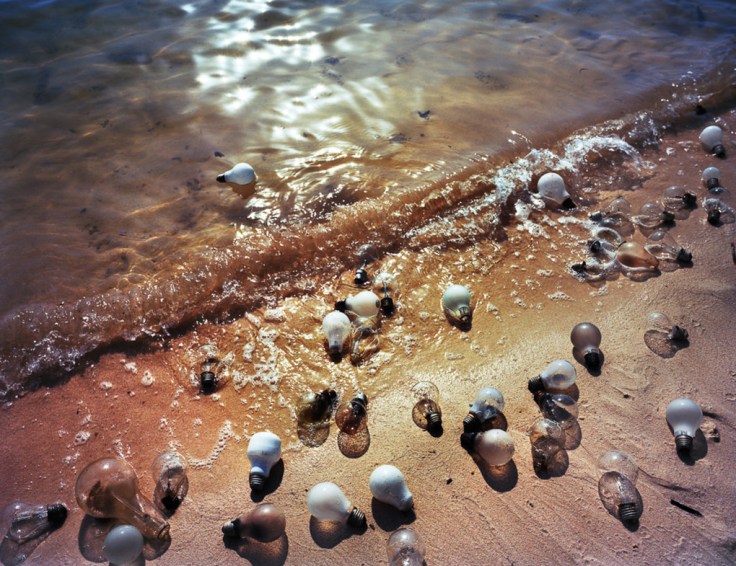
The idea that economic growth can continue forever on a finite planet is the unifying faith of industrial civilization. That it is nonsensical in the extreme, a deluded fantasy, doesn’t appear to bother us. We hear the holy truth in the decrees of elected officials, in the laments of economists about flagging GDP, in the authoritative pages of opinion, in the whirligig of advertising, at the World Bank and on Wall Street, in the prospectuses of globe-spanning corporations and in the halls of the smallest small-town chambers of commerce. Growth is sacrosanct. Growth will bring jobs and income, which allow us entry into the state of grace known as affluence, which permits us to consume more, providing more jobs for more people producing more goods and services so that the all-mighty economy can continue to grow. “Growth is our idol, our golden calf,” Herman Daly, an economist known for his anti-growth heresies, told me recently.



 GEOGRAPHY EDUCATION