Search

GEOGRAPHY EDUCATION

Supporting geography educators everywhere with current digital resources.

Tag

Landscape

Memorializing Manzanar

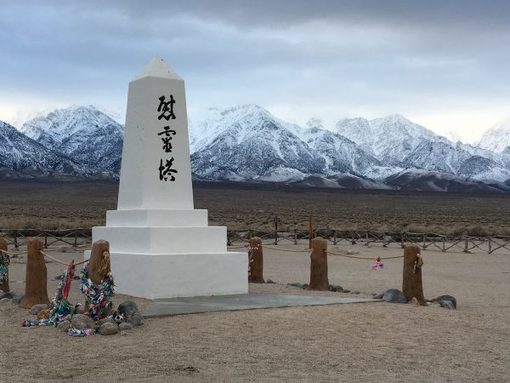
“During World War II the US government incarcerated over 110,000 Japanese Americans, in ten different detention centers throughout the United States.  One of these sites was Manzanar; in 1992, Manzanar was declared a National Historic Site. But apart from the cemetery, there was little there. The committee did not want to settle for a staid, sterile museum and so they worked with the National Park Service to rebuild portions of the camp exactly as they had been during the war. The most powerful symbol might be the site’s newest addition, a replica of the women’s latrine with a trough sink and row of five toilets with no dividers between them. It’s a stark reminder of the humiliation felt by many Japanese Americans during their incarceration.  The annual pilgrimage of Japanese-Americans and others will take place on April 29th, 2017.”

Source: 99percentinvisible.org

How we collectively remember history in the landscape?  Do you erase national embarrassments that open wounds of the past or is the act of memorialization cathartic and part of becoming a better country?  After Pearl Harbor, the U.S. listened to the fears of the public and military officials and interned U.S. citizens of Japanese ancestry.  Today, how this history is remembered is deeply important to many groups in the United States.  There are some great images, videos and primary sources in this episode of the 99 Percent Invisible podcast. 


Tagspodcast, culture, California, historical, monumentsplace, landscape.

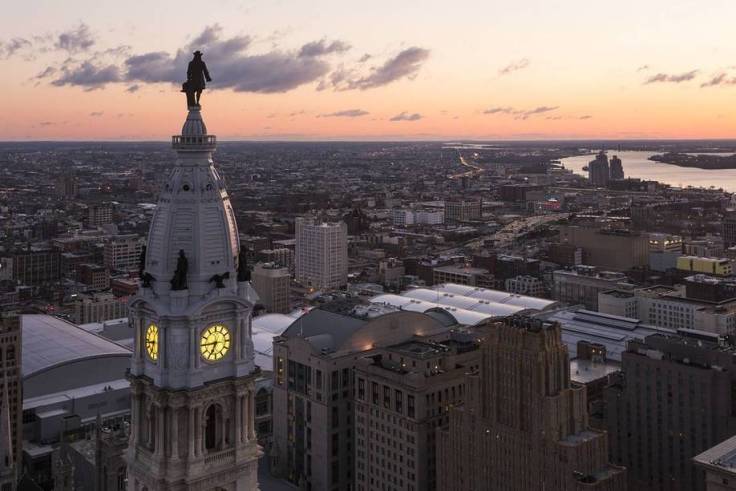
Investing in Monumental Architecture

City Hall in Philadelphia is a fantastic example of using architecture to create civic pride by investing in iconic, public buildings. Monumental architecture helps to create a sense of place and communal identity. This building has open air access, making the public feel that this is more their building.”

Source: www.instagram.com

Question to Ponder: Is it “worth it” for government’s to invest taxpayer dollars on ornate architecture? 


Tags: space, monumentsurban, architecture, place, landscape.

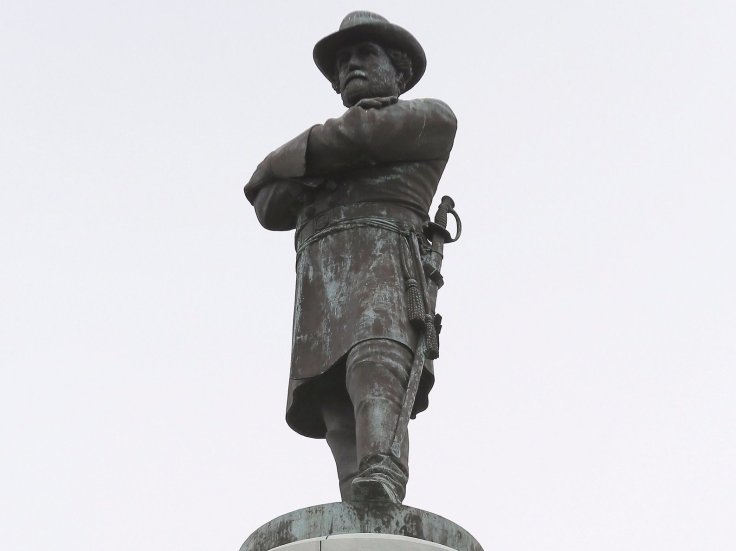
‘Charging Bull’ sculptor says New York’s ‘Fearless Girl’ statue violates his rights

Arturo Di Modica says ‘advertising trick’ placed in Wall Street before international women’s day infringed artistic copyright

Source: www.theguardian.com

The meanings embedded in the cultural landscape can shift, and often carry meanings that the artists, architects, and planners never intended.  Certain meanings in the landscape are going to be more valuable to particular cultural groups and there will always be attempts to shape the narrative about the meanings of a given place and what it ‘should’ be.  Power and resistance to power are both deeply ingrained in many landscapes.  


Tags: gender, space, monumentsurban, architecture, NYC, place, landscape.

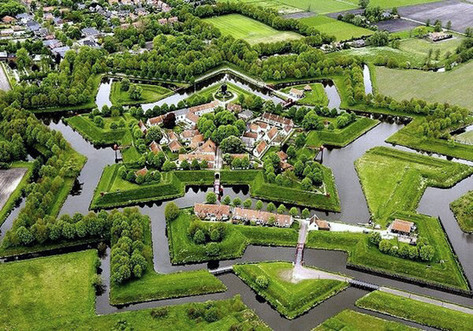
Star Forts, the Premier Defense System of the Late 1500s

Fort Bourtange remains perfectly preserved, with historic structures strewn across the 11-acre pentagon.


Star forts, five-sided forts designed to give guards a panoramic view of any potential attackers, originated in Italy in the 15th century. Providing the optimal structure for protection from threats, star forts were used in Italian warfare for years and eventually diffused to the Groningen region of the Netherlands, where the Bourtange star fort was constructed in 1593.


Tagsmilitaryhistorical, landscape.

Source: www.atlasobscura.com

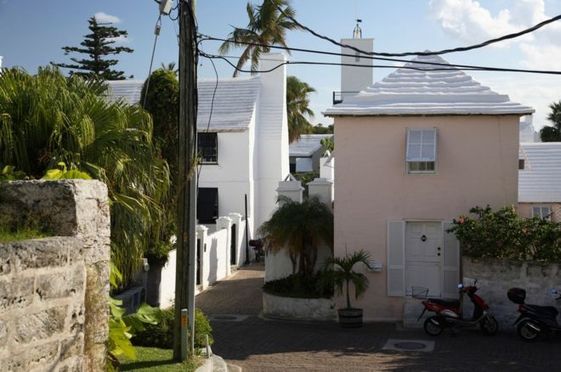
Why houses in Bermuda have white stepped roofs

The island of Bermuda has no fresh-water springs, rivers or lakes so the design of its roofs is essential for collecting rainwater.

Source: www.bbc.com

This is such as distinct, localized example of how people adapt to their physical environment.  It explains why a particularly cultural landscape is prevalent, and the article nicely shows how traditional island living comes into conflict with tourist expectations and consumption patterns.  Tons of good geographic factors in this issue for students to analyze. 


Tags: water, tourism, sustainabilityarchitecture, consumption, landscape, Bermuda, environment adapt.

Introductory Field Guide to Decoding Cemetery Symbols

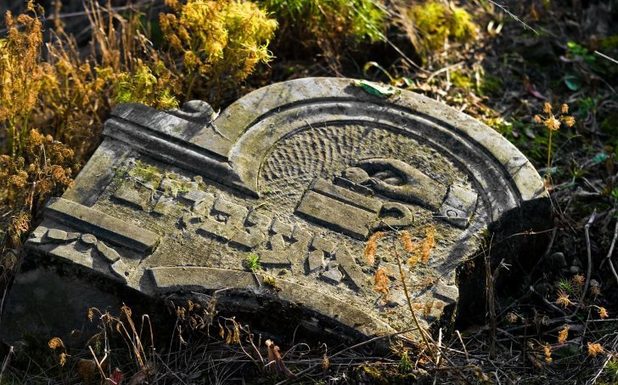
Full of ornate stonework, cemeteries are beautiful places both to mourn the deceased and celebrate the lives of those who have passed. Yet there is more to these places than carvings of skulls, crosses and crossbones. A snapped rose branch, for instance, indicates a life ended too soon. Wheat, meanwhile, signifies a life fully lived, then taken by

Source: 99percentinvisible.org

Cemeteries are great places for students to analyze the cultural landscape, learn about the heritage of the local ethnic and religious groups, and think about spatial relationships in on a smaller scale.  This is a great guide to some of the intentional symbolism embedded in cemeteries–field work for students can start in the local cemetery. 


Tags: cemetery, landscape, place.

100 Great Teaching Images

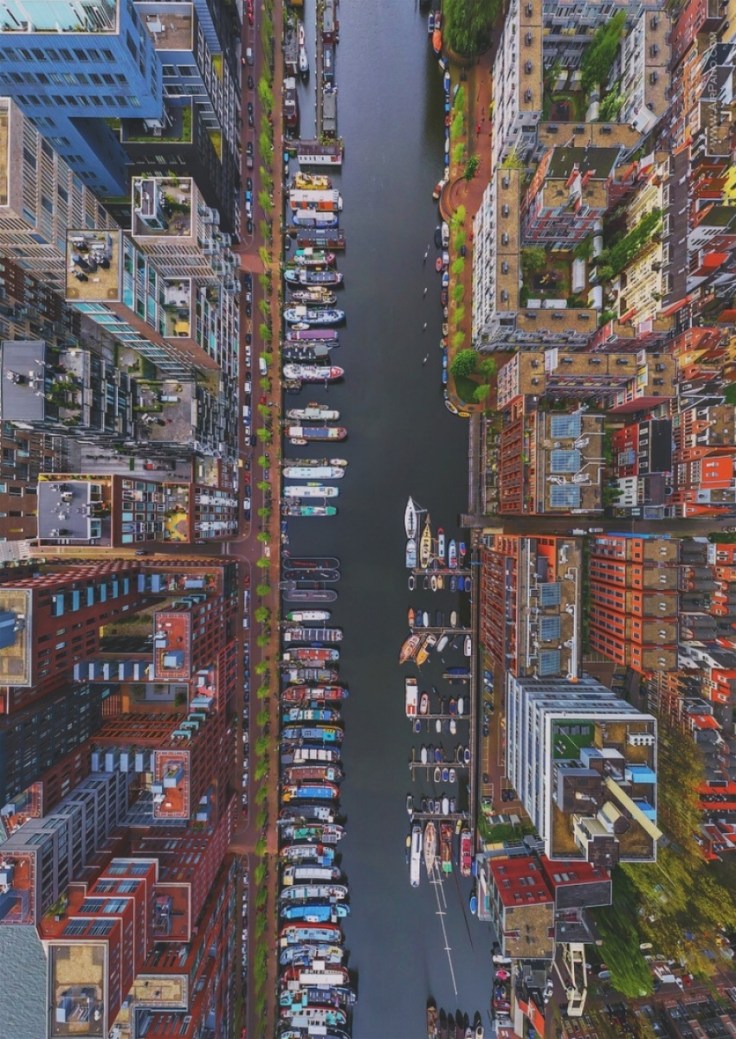
“Nature and humankind are both great artists, and when they join forces, amazing masterpieces can be produced. Today Bright Side has collected for you works in which the combined efforts of mother nature and photographic artists have captured magic moments showing the wondrous diversity of modern life and the natural world. Pictured above is the Westerdok District in Amsterdam.”


Tags: images, artlandscape, worldwide.

Source: brightside.me

27 stunning satellite images that will change how you see our world – Geoawesomeness

“The images come from the amazing book called “Overview: A New Perspective of Earth”. that just hit the stores around the world. The book is a stunning and unique collection of satellite images of Earth that offer an unexpected look at humanity, derived from the wildly popular Daily Overview Instagram account followed by almost 0.5 million people.”


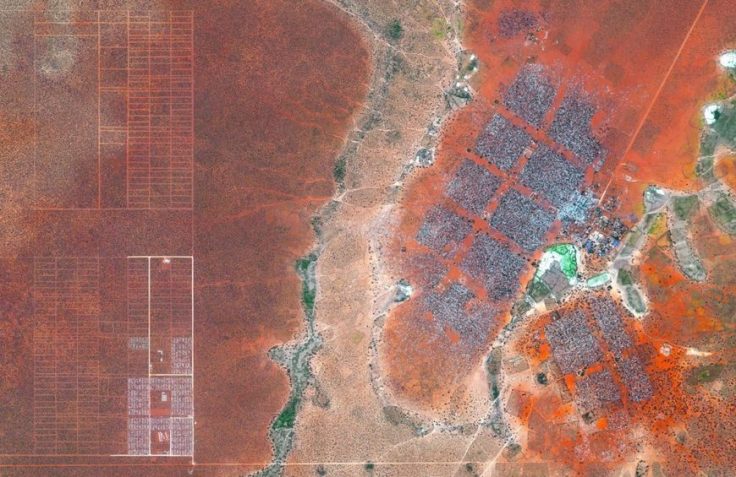
Hagadera, seen here on the right, is the largest section of the Dadaab Refugee Camp in Northern Kenya and is home to 100,000 refugees. To cope with the growing number of displaced Somalis arriving at Dadaab, the UN has begun moving people into a new area called the LFO extension, seen here on the left. Dadaab is the largest refugee camp in the world with an estimated total population of 400,000.

Source: geoawesomeness.com

The Environmental Cost of Consumption

Environmental artist J Henry Fair captures the beauty and destruction of industrial sites to illustrate the hidden impacts of the things we buy – the polluted air, destroyed habitats and the invisible carbon heating the planet

Source: www.theguardian.com

This artistic portrayal shows the extent of the massive modifications we’ve made to the landscape with some striking examples.  Pictured above is one of 17 images in this article that promotes the launch of the new book entitled, Industrial Scars: the Environmental Cost of Consumption.  In the image above we see mountaintop coal mining in West Virginia.  “This lonely stand of trees disappeared in barely a day. The small bulldozer on the upper level pushes loose material down to the loader, which scoops it up into the next earth mover in line, which will in turn dump it into a nearby ‘valley fill’, burying the stream there.” This might be the most beautiful and ugly set of images that you’ll see today. 


Tags: pollution, industry, sustainability, images, art, landscape, unit 6 industry.

Create a free website or blog at WordPress.com.

Up ↑