Search

GEOGRAPHY EDUCATION

Supporting geography educators everywhere with current digital resources.

Tag

place

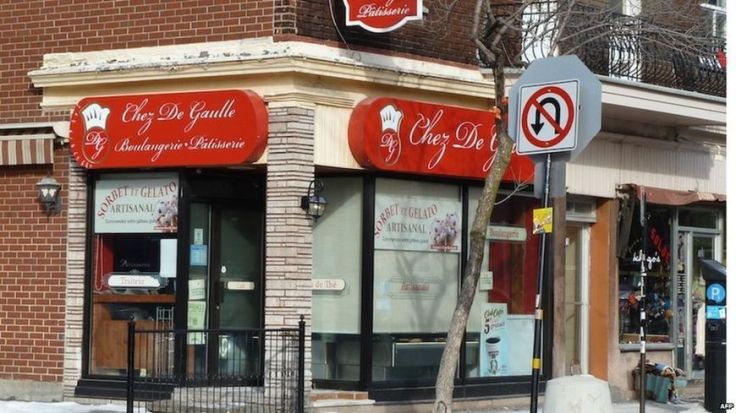
Quebec urges shopkeepers to stop saying ‘Hi’

The unofficial greeting in the bilingual Canadian city of Montreal has long been a friendly ‘Bonjour, Hi!’ But that standard is no more since a motion mandating store clerks to greet customers only in French was passed in Quebec’s provincial legislature. The move reaffirms French as the primary language in the province, where use of English can be controversial. The motion – which is not a law – was passed unanimously, but the province’s premier called the debate ‘ridiculous’. Introduced by the fiercely Francophile Parti Quebecois, the motion ‘invites all businesses and workers who enter into contact with local and international clients to welcome them warmly with the word bonjour‘.”

Source: www.bbc.com

This is a great example of how culture isn’t just passively received, but it’s actively constructed.  The call to defend cultural traits of a region to maintain it’s local distinctiveness is oftentimes why a region has a strong sense of place.  
 

TagsCanadalanguage, placeculture, landscape

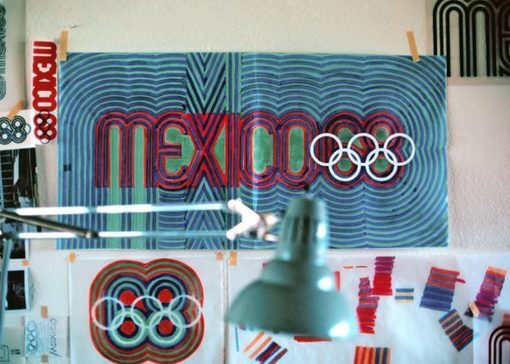
Mexico City 1968

“The 1968 Olympics took place in Mexico City, Mexico. It was the first Games ever hosted in a Latin American country. And for Mexico City, the event was an opportunity to show the world that they were a metropolis as worthy as London, Berlin, Rome or Tokyo to host this huge international affair. The 1968 Olympics were decreed ‘the Games of Peace.’ So Wyman designed a little outline of a dove, which shop owners all over the city had been given to stick in their windows. A protest movement, led by students, was growing in the city around [the organizers and designers]. These protestors believed the long-ruling Institutional Revolutionary Party (PRI) catered to wealthy Mexicans rather than the poor, rural and working class. Although the country had been experiencing huge economic growth, millions of people had still been left behind. The ‘Mexican Miracle’ hadn’t reached everyone.”

Source: 99percentinvisible.org

Few years are as powerful in the minds of Mexican identity as the year 1968.  Like so many 99 percent invisible podcasts, this blends urban design, social geography, local history in a way that deepens our understanding of place. The built environment can be molded to project an image, and can be used to subvert that same message by the opposition.    


Tagssport, Mexico, Middle America, urban, architecture, place, landscape.


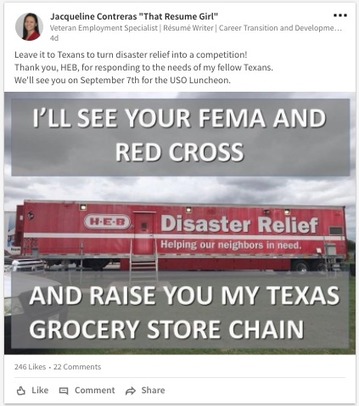
How a Texas grocery chain kept running after Hurricane Harvey

“One of my stores, we had 300 employees; 140 of them were displaced by the flooding. So how do you put your store back together quickly? We asked for volunteers in the rest of the company. We brought over 2,000 partners from Austin, San Antonio, the Rio Grande Valley. They hopped into cars and they just drove to Houston. They said, we’re here to help. For 18 hours a day, they’re going to help us restock and then they’ll go sleep on the couch at somebody’s house.”

Source: www.linkedin.com

Natural disasters complicate the logistics that make our modern economy run.  We take these flows for granted–until they are disrupted. This article is a excellent view into how to operate when disaster strikes. 


Tagseconomicindustry, laborglobalizationplace, transportation.

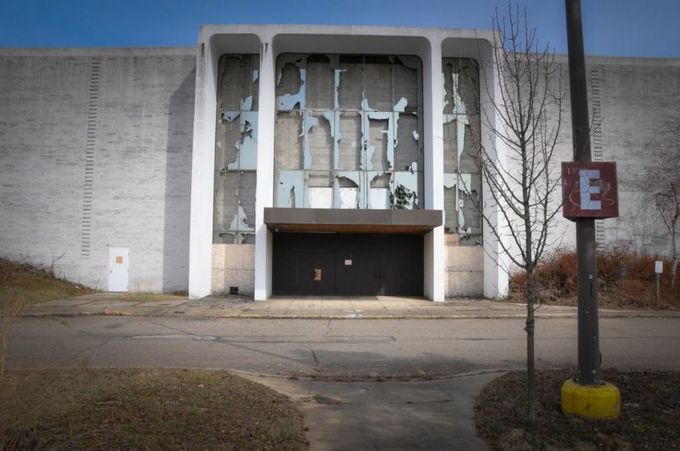
Amazon Is Building a Colossal Warehouse Where America’s Biggest Mall Once Stood

“The Seattle-based internet book seller Amazon just announced plans to open an enormous fulfillment center in the North Randall, Ohio. This is a big deal for the small community which has suffered greatly since the Randall Park Mall, once the largest in America, shut down due to retail sales moving online. Amazon is actually building its new warehouse on the same land where the mall once stood. The irony of this is lost on no one.”

Source: gizmodo.com

Questions to Ponder: Where is the geography in this new development?  What economic forces are shaping and reshaping places?


Tagseconomicindustry, laborglobalizationplace, transportation.

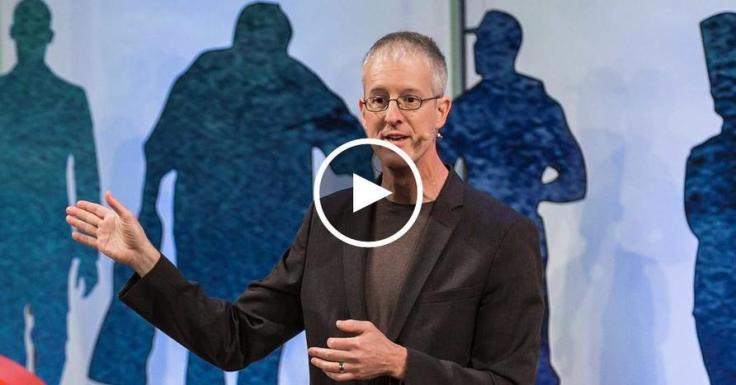
The walkable city

How do we solve the problem of the suburbs? Urbanist Jeff Speck shows how we can free ourselves from dependence on the car — which he calls “a gas-belching, time-wasting, life-threatening prosthetic device” — by making our cities more walkable and more pleasant for more people.

Source: www.ted.com

In the 2017 APHG exam, there was a question that dealt with new urbanism and walkability.  This TED talk from Jeff Speck gives a good sense of what planners believe in new urbanism are trying to do (you can also watch his earlier TED talk, 4 ways to make a city more walkable). Here also is information on New Urbanism (dot org) from it’s practicioners, such as the Congress on New Urbanism.  Lastly, here is an academic article reviewing the critiques of new urbanism with rebuttals.    


Tagsplace, neighborhood, urban, planningtransportation, urbanism, scale, TED, video.

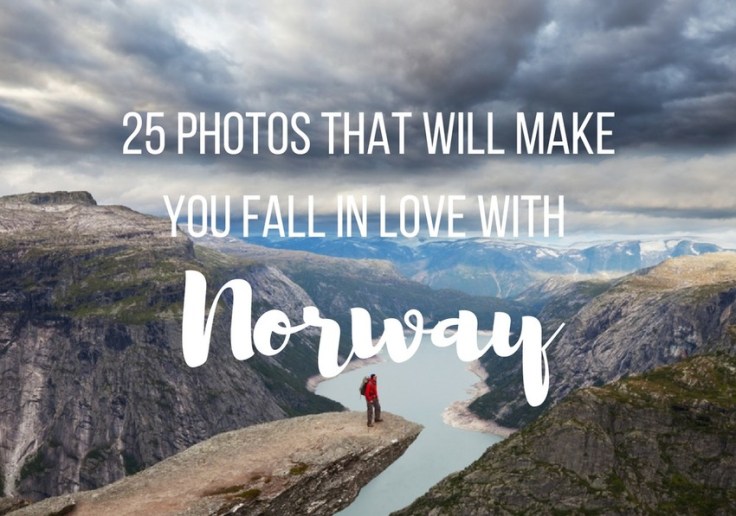
25 Photos That Will Make You Fall in Love With Norway

“So how gorgeous is Norway? From its majestic wildlife, captivating Northern Lights shows, and snowy mountains, to its vivid landscapes, and mystifying fjords, Norway is a must-visit destination for anyone who loves the outdoors. Plus, opportunities for hiking, kayaking, glacier climbing, fishing, and skiing are endless! If Noway wasn’t already on your travel bucket list, I bet it is now!”

Source: www.travelalphas.com

My wife lived in Norway for 18 months, and her love for this country is infectious.  The stunning physical geography leads to some equally magnificent cultural landscapes that were forged in a very rugged, inhospitable environment for early human settlers.   


Tags: Norway, place, tourismphysical, Arctic, geo-inspiration, images, artlandscape.

In the Same Ballpark

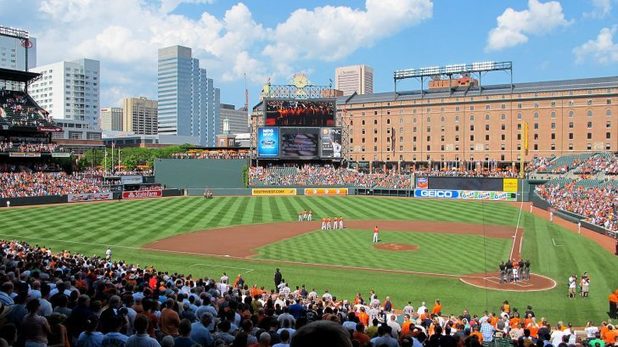
“In 1992, the Baltimore Orioles opened their baseball season at a brand new stadium called Oriole Park at Camden Yards, right along the downtown harbor. The stadium was small and intimate, built with brick and iron trusses—a throwback to the classic ballparks from the early 20th century. It was popular right from the start.

These new Populous ballparks are small and old fashioned-looking but they also feature modern amenities—comfortable seats and fancy foods. And while designed to be different, they tend to follow a similar aesthetic format, featuring a lot red brick and green-painted iron. These new parks also feature asymmetrical playing fields, which are in many cases dictated by the surrounding cityscape.”

Source: 99percentinvisible.org

This podcast is filled with important urban geographic issues: downtown revitalization, landscape aesthetics, sense of place, planning, public/private revitalization, etc.  And to boot, this podcast uses America’s pasttime to discuss these topics. I typically really enjoy the thoughtful exploration of the untold stories that make up our world found in the 99 Percent Invisible podcast.

Five gentrification myths debunked

‘Gentrification’ is a messy bogeyman of a term deserving more critical analysis. If ‘gentrification’ is ‘exclusive economic development’, what we want is INCLUSIVE economic development.

Source: www.youtube.com

This post will need many disclaimers, but I think that it is a valuable addition to our gentrification materials since the key take-home point is that gentrification doesn’t happen the same way in all places (geographic context matters!). Some of the generalizations about gentrification around the country might not apply to some specific examples.  Are these generalizations true in some (and possibly most) contexts?  Sure, but unfortunately once people hear the word gentrification, they assume a base set of assumptions about the situation which may or may not be true.  The 5 myths outlined in this video (more detail in this Washington Post article) are:

  1. Gentrification leads to lower crime.
  2. Gentrification causes widespread displacement.
  3. Longtime residents hate gentrification.
  4. Gentrifiers are white.
  5. Gentrification happens naturally.

Tags: neighborhood, gentrificationurban, place, culture, economic   

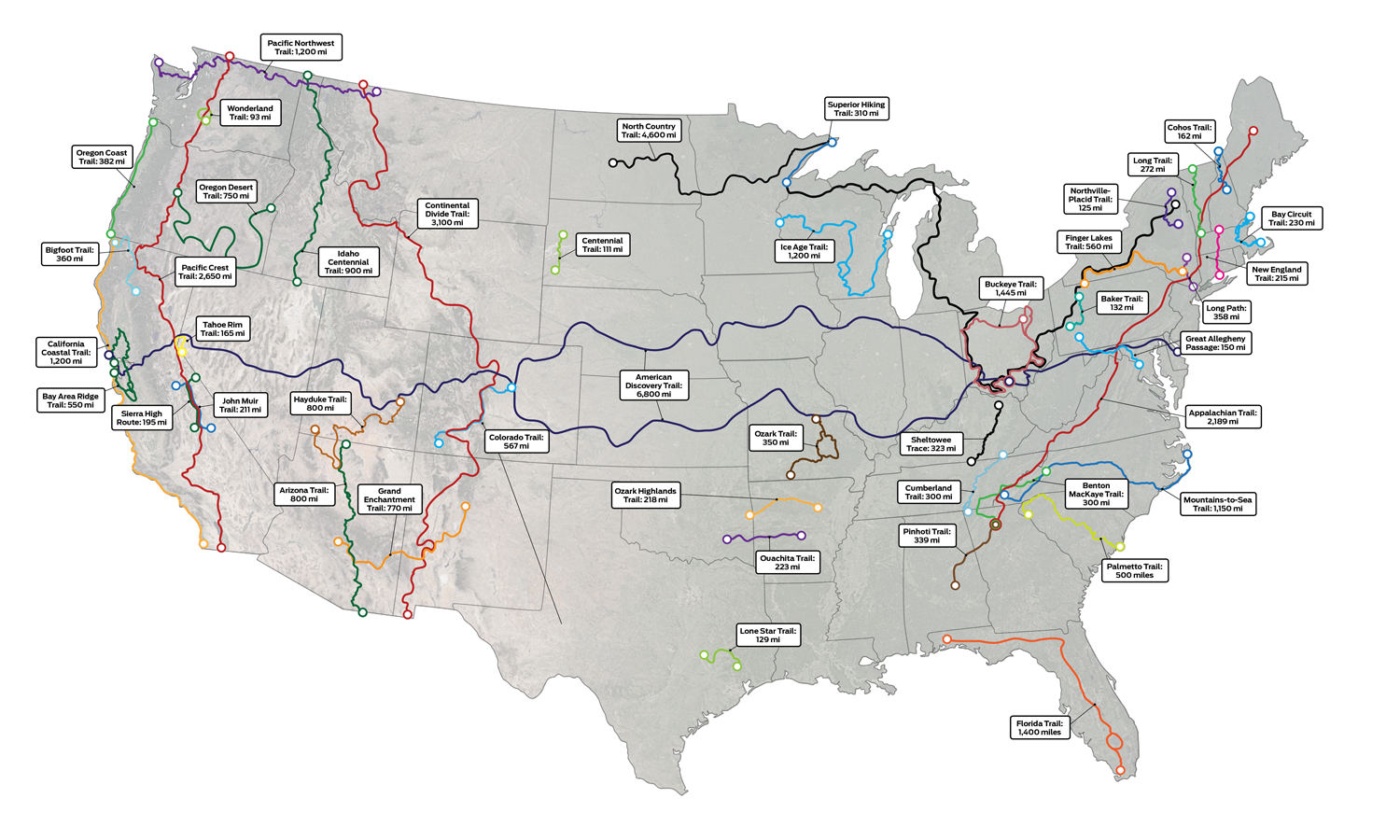
America’s Best Long Trails

Plan your next big hike with this map of America’s most-loved long trails.

Source: www.backpacker.com

My uncle hiked the entire Pacific Crest Trail and as a kid the enormity of that feat was both inspirational and mind-boggling.  Recently I watched an incredible documentary about an ultra-marathoner’s quest on Vermont’s Long Trail (Finding Traction: free on Amazon Prime–trailer here).  While I doubt most of us could go the full length of these trails given our jobs, fitness levels, etc., I do think that getting outside to explore some of the physical environments in our local areas this summer sounds like a fantastic idea (high-res map here).  


Tags: transportation, landscape, place, sportphysical, environment, mappingmap.

Create a free website or blog at WordPress.com.

Up ↑