Search

GEOGRAPHY EDUCATION

Supporting geography educators everywhere with current digital resources.

Tag

place

4 ways to make a city more walkable

Freedom from cars, freedom from sprawl, freedom to walk your city! City planner Jeff Speck shares his “general theory of walkability” — four planning principles to transform sprawling cities of six-lane highways and 600-foot blocks into safe, walkable oases full of bike lanes and tree-lined streets.

Source: www.ted.com

As the 2017 APHG exam has ended, some people have asked for more resources on new urbanism.  This TED talk from Jeff Speck gives a good sense of what planners believe in new urbanism are trying to do (you can also watch his earlier TED talk, The Walkable City).  Here is information from New Urbanism (dot org) from it’s practioners, including the Congress on New Urbanism.  Lastly, here is an academic article reviewing the critiques of new urbanism with rebuttals.  

Tagsplace, neighborhood, urban, planningtransportation, urbanism, scaleTED, video.

New Urbanism

New Urbanism is a planning and development approach based on the principles of how cities and towns had been built for the last several centuries: walkable blocks and streets, housing and shopping in close proximity, and accessible public spaces. In other words: New Urbanism focuses on human-scaled urban design.”

Source: www.youtube.com

As the 2017 APHG exam has ended, some people have asked for more resources on new urbanism.  Here is information from New Urbanism (dot org) the Congress on New Urbanism for teachers and students that are reassessing the Free Response Questions. 


Tagsplace, neighborhood, urban, planning, urbanism, scale

How the first city got started 12,000 years ago

“In this animated video, Jonathan F. P. Rose explains how the first city was started in Turkey, 12,000 years ago.”

Source: www.youtube.com

What led to the first urban settlements? We know that the beginnings of agriculture are closely connected to the first forays into agriculture and the domestication of animals.  This brief video puts some archeological specificity on the though exercise, “what would you need to start the first city in a world without cities?” 


Tags: urban, placehistorical.

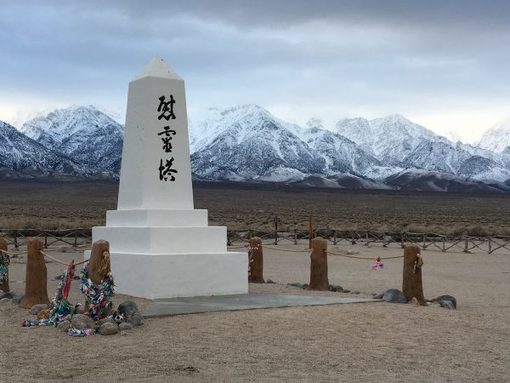
Memorializing Manzanar

“During World War II the US government incarcerated over 110,000 Japanese Americans, in ten different detention centers throughout the United States.  One of these sites was Manzanar; in 1992, Manzanar was declared a National Historic Site. But apart from the cemetery, there was little there. The committee did not want to settle for a staid, sterile museum and so they worked with the National Park Service to rebuild portions of the camp exactly as they had been during the war. The most powerful symbol might be the site’s newest addition, a replica of the women’s latrine with a trough sink and row of five toilets with no dividers between them. It’s a stark reminder of the humiliation felt by many Japanese Americans during their incarceration.  The annual pilgrimage of Japanese-Americans and others will take place on April 29th, 2017.”

Source: 99percentinvisible.org

How we collectively remember history in the landscape?  Do you erase national embarrassments that open wounds of the past or is the act of memorialization cathartic and part of becoming a better country?  After Pearl Harbor, the U.S. listened to the fears of the public and military officials and interned U.S. citizens of Japanese ancestry.  Today, how this history is remembered is deeply important to many groups in the United States.  There are some great images, videos and primary sources in this episode of the 99 Percent Invisible podcast. 


Tagspodcast, culture, California, historical, monumentsplace, landscape.

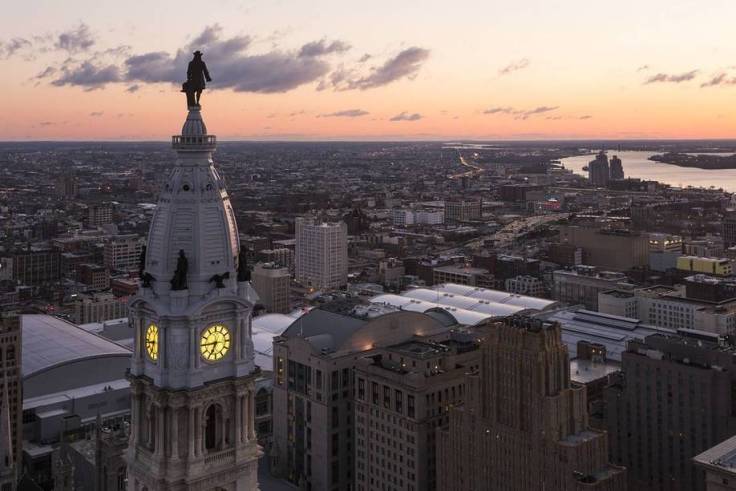
Investing in Monumental Architecture

City Hall in Philadelphia is a fantastic example of using architecture to create civic pride by investing in iconic, public buildings. Monumental architecture helps to create a sense of place and communal identity. This building has open air access, making the public feel that this is more their building.”

Source: www.instagram.com

Question to Ponder: Is it “worth it” for government’s to invest taxpayer dollars on ornate architecture? 


Tags: space, monumentsurban, architecture, place, landscape.

‘Charging Bull’ sculptor says New York’s ‘Fearless Girl’ statue violates his rights

Arturo Di Modica says ‘advertising trick’ placed in Wall Street before international women’s day infringed artistic copyright

Source: www.theguardian.com

The meanings embedded in the cultural landscape can shift, and often carry meanings that the artists, architects, and planners never intended.  Certain meanings in the landscape are going to be more valuable to particular cultural groups and there will always be attempts to shape the narrative about the meanings of a given place and what it ‘should’ be.  Power and resistance to power are both deeply ingrained in many landscapes.  


Tags: gender, space, monumentsurban, architecture, NYC, place, landscape.

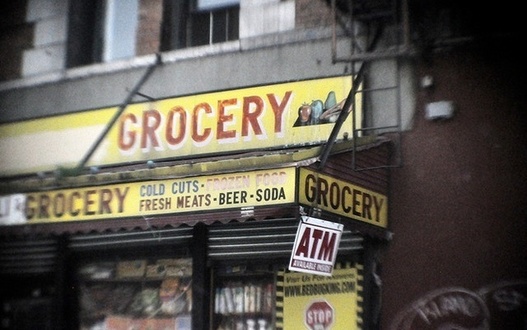
Battle Cry for the Bodega

Why the chainification of the corner store is a bigger deal than losing book stores and record stores combined.


The term Bodega originally referred to a neighborhood grocery in a mostly Spanish-speaking part of town, it has come to be used (in my experience) to cover just about any independently owned small grocer in the city. The fear is that the corporate behemoth (7-Eleven) will destroy the neighborhood bodega, a New York institution of long standing. The quintessential bodega is a beloved part of the fabric of the city.  The outcry has been loudest in the East Village, a neighborhood that despite gentrification still prides itself on its countercultural attitude and grimy authenticity.

Source: www.citylab.com

When we discuss food deserts, we typically think about places that lack supermarkets.  In an urban context, the places that often fill this void are the bodegas.  In some major cities, these are going away as chains like 7-Eleven want to expand their reach and squeeze out these independent grocers. However you view this issue, “There’s no denying that the texture of the city would be flattened if the idiosyncratic bodega became an endangered species.”


Tags: food, urban, povertyplace, socioeconomic, food desert.

The Most Popular Running Routes in the 20 Biggest U.S. Metro Areas

These are the top running routes in the 20 biggest metro areas in the United States, according to Strava data.

Source: www.runnersworld.com

I’m a big advocate of running/mapping apps for my own personal training (I use Map My Run and Strava).  These maps were created with raw data from Strava to show the most popular urban runs in the US.   Prominent on this list are urban parks, scenic waterfronts, and retrofitted railways…in other words, successful urban planning that has help to foster a strong sense of place.


Tags: urban, place, neighborhood, planning, urbanism.

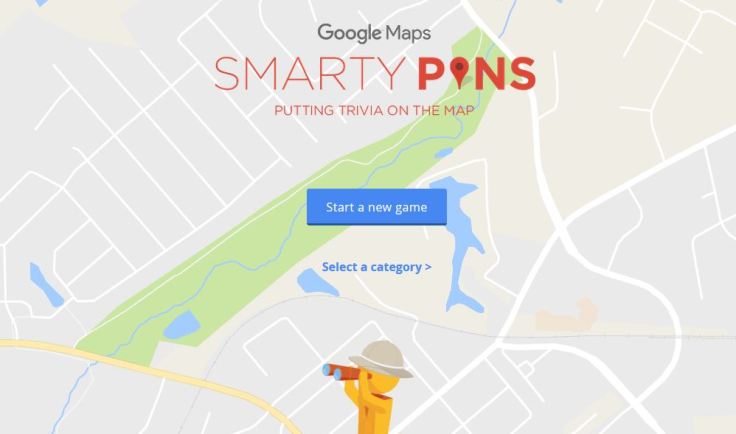
Google Maps Smarty Pins

Smarty Pins is a Google Maps based geography and trivia game.

Source: smartypins.withgoogle.com

As stated in a review of Smarty Pins on Mashable, “Google unveiled a fun new game this week that tests players’ geography and trivia skills.  Called ‘Smarty Pins’ the game starts players off with 1,000 miles (or 1,609 kilometers if they’re not based in the United States), and asks them to drop a pin on the city that corresponds with the correct answer to a given question.” 


This game is wonderfully addictive…I haven’t enjoyed a mapping trivia platform this much since I discovered GeoGuessr.  How far can you get before you run out of miles?  


Tagsgoogle, fun, mapping, place, trivia.

Blog at WordPress.com.

Up ↑