“A government-initiated redevelopment plan will transform one of the oldest neighborhoods in Beijing into a polished tourist attraction.”
Source: www.youtube.com
“A government-initiated redevelopment plan will transform one of the oldest neighborhoods in Beijing into a polished tourist attraction.”
Source: www.youtube.com
This is a most decidedly dated reference for pop culture, but a great movie for making explicit the idea that the way we speak is connected to where we’ve lived (also a good clip to show class differences as well as gender norms). The clip highlights many principles and patterns for understanding the geography of languages.
Tags: Language, class, gender, culture, historical, London, unit 3 culture and place.
See on www.youtube.com
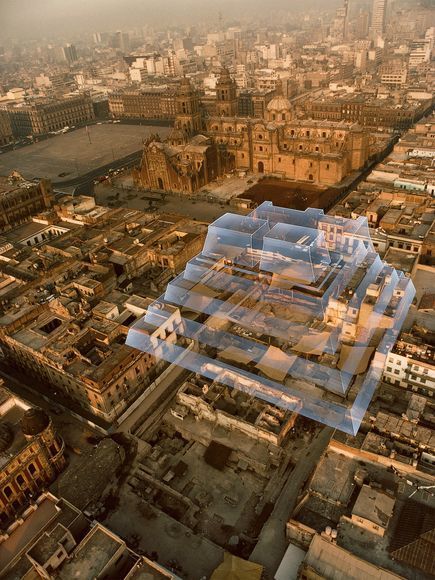
Below street level in Mexico City, archaeologists have found a jumble of bones dating to the 1480s.
In the 1970s, construction workers unearthed numerous archaeological finds as the subway was being constructed. The Mexican government decided to clear the several block of old colonial buildings to reveal the Templo Mayor, the ancient Aztec religious center. Not coincidentally, the Spaniards built their religious center in the same place. During the colonial era, the indigenous residents who spoke Spanish in Mexico City still referred to this portion of the city as la pirámide. Today more finds such as this one are continuing to help us piece together the past of this immensely rich, multi-layered place filled with symbolic value.
Tags: Mexico, LatinAmerica, historical, images, National Geographic, colonialism, place and culture.
See on news.nationalgeographic.com
Via Scoop.it – Geography Education

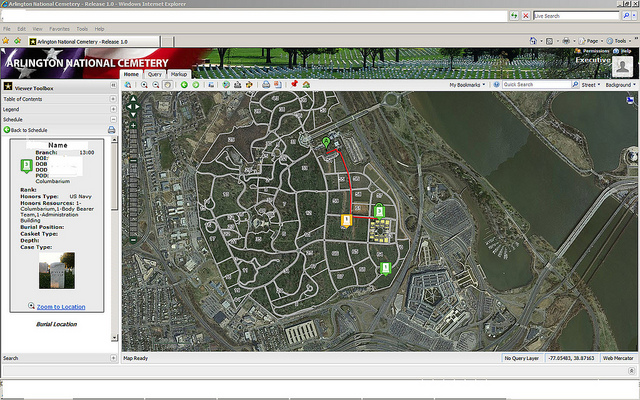
Officials at Arlington National Cemetery will use an Army-designed geospatial mapping system to manage cemetery operations, the executive director of the Army National Cemeteries Program said March 8, 2012.
This is another fantastic example of how GIS, GPS and online mapping can be used within many diverse projects. Mapping cemeteries can be an excellent service learning project for a GIS class and the exploring local cemeteries is a very hands on method for exploring local history in a way that makes place matter. Geographic skills and spatial analysis is increasingly critical in the 21st century as we’ve seen an explosion of online applications for geospatial technologies.
Via www.army.mil