Chokepoints are to the global economy as referees are to a sporting event…when things are running smoothly you don’t notice a thing, but when they are the topic of conversation, you know there are some problems. In 2026, chokepoints became a far more relevant geographic constraint on global trade than we’d prefer, because the Persian Gulf is at the center of discussion for geopolitics and economics. People I’d never expect start talking to me about the Kharg Island with opinions about an island that they didn’t know existed one month ago. Chokepoints aren’t a problem…until you start choking. Below are some videos to give good context, one about all the chokepoints around the world, and the second focusing on the Straits of Hormuz (not current events, but geographic contraints).
A geographic concept that becomes incredibly important to understanding during war or any armed conflict is the concept of scale. The same issue looks quite different when you see the issue primarily through a local lens, national lens, regional lens, or a global lens. Elements of a war operate of all of these scales and jump scales.
Let’s first take the example of the Syrian Civil War as a template for seeing war operate on various scales. The Syrian Civil War began with the regional spark of the Arab Spring, but it took a different form in Syria because of the distinct national geographic characteristics. The urban warfare in cities like Aleppo and Damascus were intensely local, but regional powers like Saudi Arabia and Iran were taking sides that favored their particular geopolitical objectives. Then global powers like the United States, Russia, and China were also involved as this local war, with regional impacts, started to have global ramifications.
Given that a war operates on many scales, a geographic analysis of any conflict will require us to consider so many thematic factors such as the historical, political, economic, cultural, demographic, and environmental context. Even after considering all that, we’ll need to look at those issues at a variety of scales to understand the full complexity of the situation. Actions that might not make sense at one scale often have a logic that is understandable at a different scale.
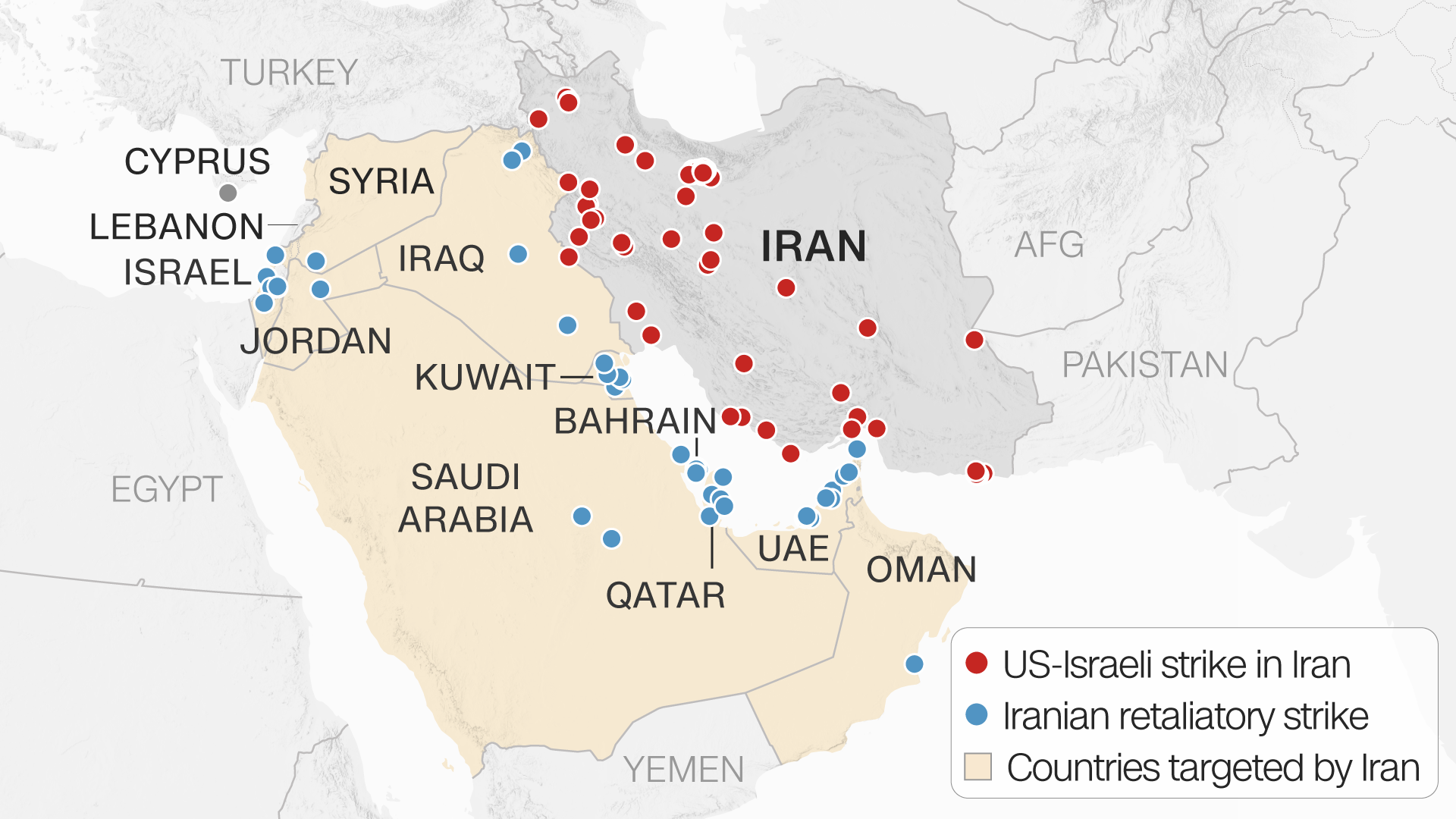
Map showing the countries bombed by Iran in the days after the death of Khamenei. SOURCE: CNN
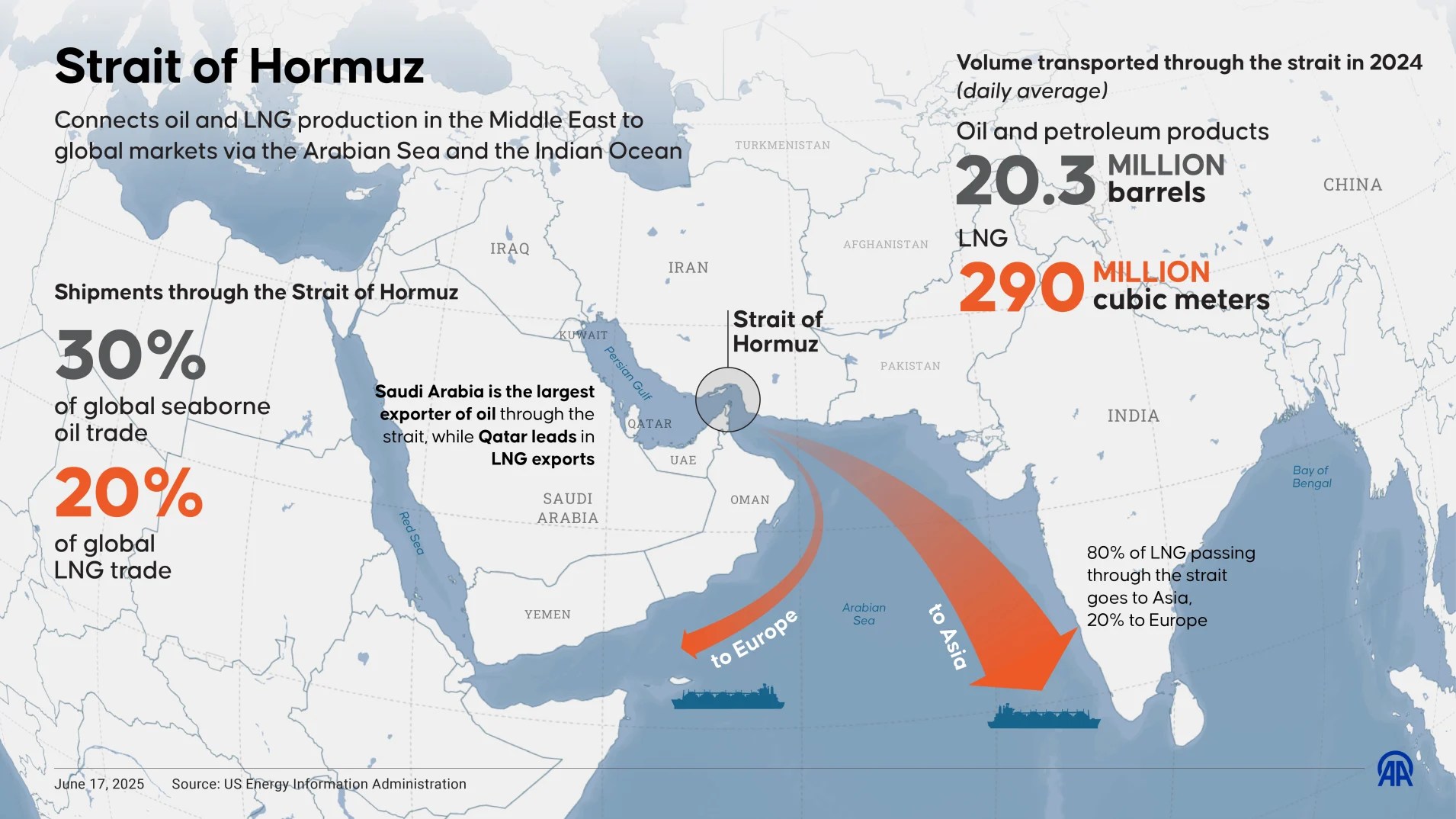
In writing this with the assumption that you’ve all seen the headlines about the US/Israeli strikes on Iran that led to the death of Iran’s Supreme Leader, Ayatollah Khamenei. Post of my students are currently asking “now what?” Things are still murky as I’m writing this, but the news often will make no sense without the regional geographic context. Understanding the Sunni/Shia divide is vital to understanding why Iran, after being attacked, bombed at least a dozen countries including many other Muslim countries. They are expending their weapons without an ability to replenish their supplies and facing. They’ve threatened to attack any ship going through the Straits of Hormuz, and which doesn’t mean much if we don’t understand what a choke point is, and why their are economic vital, and geopolitically strategic. Fellow Gulf countries like Kuwait, Bahrain, Qatar, and Saudi Arabia are seeing this as a closure as a maritime crisis that will profoundly economically damage them.
The economic and political importance of a choke point is highlighted in a crisis that closes it. SOURCE: CNBC
Nine U.S. bases in the Middle East have been bombed in drone attacks and while it is hard to assess in “the fog of war,” satellite imagery shows us the extent of the damage. Of course this has many domestic ramifications in the United States that are significant, but as a geographic analysis of this situation pulls the focus more to Middle Eastern impacts, starting with the question, “who will be in charge of Iran two months from now?” There are many possibilities ranging from the mullahs staying in charge, to the son of the Shah (Rezi Pahlavi) being installed in the future. Prior to the 1979 Islamic Revolution that installed the Ruhollah Khomeini. The current regime has been the largest state sponsor of terror and has been the greatest source of regional destabilization. They’ve funded Hamas, Hezbollah, Islamic Jihad, the Houthis, and various other Shi’ite militia groups in Iraq, Syria, and elsewhere.
The ABC video here is a good “need to know” primer for March 4, 2026…but the details will fade in time.
The news of the next few month will shape the coming decades and the possibilities are still wide open. The Caspian Report has produced good geopolitical analysis over the years, so this is their latest video (below)
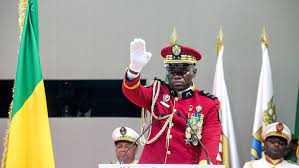
“Omar Bongo became president in 1967, remaining at the helm until his death in 2009. His son, Ali Bongo, succeeded him, until Gen Ngeuma toppled him last month. In Gabon’s capital Libreville, [some] sees coup leader General Brice Oligui Ngeuma as a Moses-like figure who has unshackled the nation from the chains of his former boss – President Ali Bongo.” SOURCE: BBC
This is a bit of current affairs looking at the recent coup in Gabon and the personalities of the power players. However, this BBC article also gives a broad perspective at the same time, looking at topics such as French colonialism, Chinese influence in Africa, “big man politics,” resource extraction, and the importance of a diversified economy. In other words, this can be a nice case-study to explore a variety of important Sub-Saharan issues.
When the Dutch wanted to expand their territories, they turned to the North Sea to create more arable land for Dutch farmers. Likewise, Singapore has reclaimed land to expand their territories. Over 95% of Egypt’s population live along the Nile River and its fertile delta, and the population (over 110 million people) continues to grow and is seeking new options. While this isn’t expanding into the sea, it is a type of land reclamation project as they environment is modified to make the desert bloom. Both of these embedded videos are helpful introductions to the political, economic, demographic, and environmental aspects of these projects in the Middle East.
“Indonesian lawmakersunanimously passed a sweeping new criminal code on Tuesday that criminalizes sex outside marriage, as part of a tranche of changes that critics say threaten human rights and freedoms in the Southeast Asian country.” SOURCE: BBC
Classical liberal values (free speech, rights for minority groups, fair elections, freedom of press, etc.) have grown in most places in most times, but that isn’t a guarantee that it will always be so or that it will in all places it will be maintained. Indonesia is the world’s largest Muslim majority population with a diverse set of religious traditions emmeshed. Indonesia, with thousands of islands, is also home to great array of linguistic diversity.
Indonesia, at the end of 2022, outlawed sexual interactions outside of those legally recognized marriages. The government framed the old laws as vestiges of an old colonial legacy that will allow them to return to traditional cultural values of the country, while others feel that this is conflating what is considered sinful with the criminal. This with likely impact the tourism industry as those traveling abroad that are not in marital unions will likely head to other tropical Southeast Asian destinations. A week after the law was passed, the governor of Bali (a noted travel destination for Australians and Europeans) went on record that tourists would not be investigated under this law.
Geography is the stage on which the play of History unfolds. As a kid, I loved studying the great wards of history and—not surprisingly—I was drawn to the maps that showed flanking maneuvers, bottlenecks, marching around mountains, getting lured into marshlands, etc. I especially was intrigued when a local force used superior knowledge of the local terrain to defeat a superior, invading force.
This video shows the geography of the Crimean Peninsula through of the Russian occupation of the peninsula. Before 2014, the land was controlled by Ukraine and Russia has controlled and annexed the land. The 2022 Russian invasion of Ukraine was a continued expansion of these territorial ambitions, and if Ukraine’s full goals are to be achieved, reclaiming the Crimean Peninsula would be an final step. The naval stronghold of Sevastapol, the tiny narrow neck of land, the swampy lagoons, and the Black Sea are all discussed in this video looking at the Russian advantages in maintaining control and Ukraine’s difficulties in trying to recapture this territory.
How one nation’s sovereignty movement is setting off a chain reaction among former British colonies in the Caribbean.
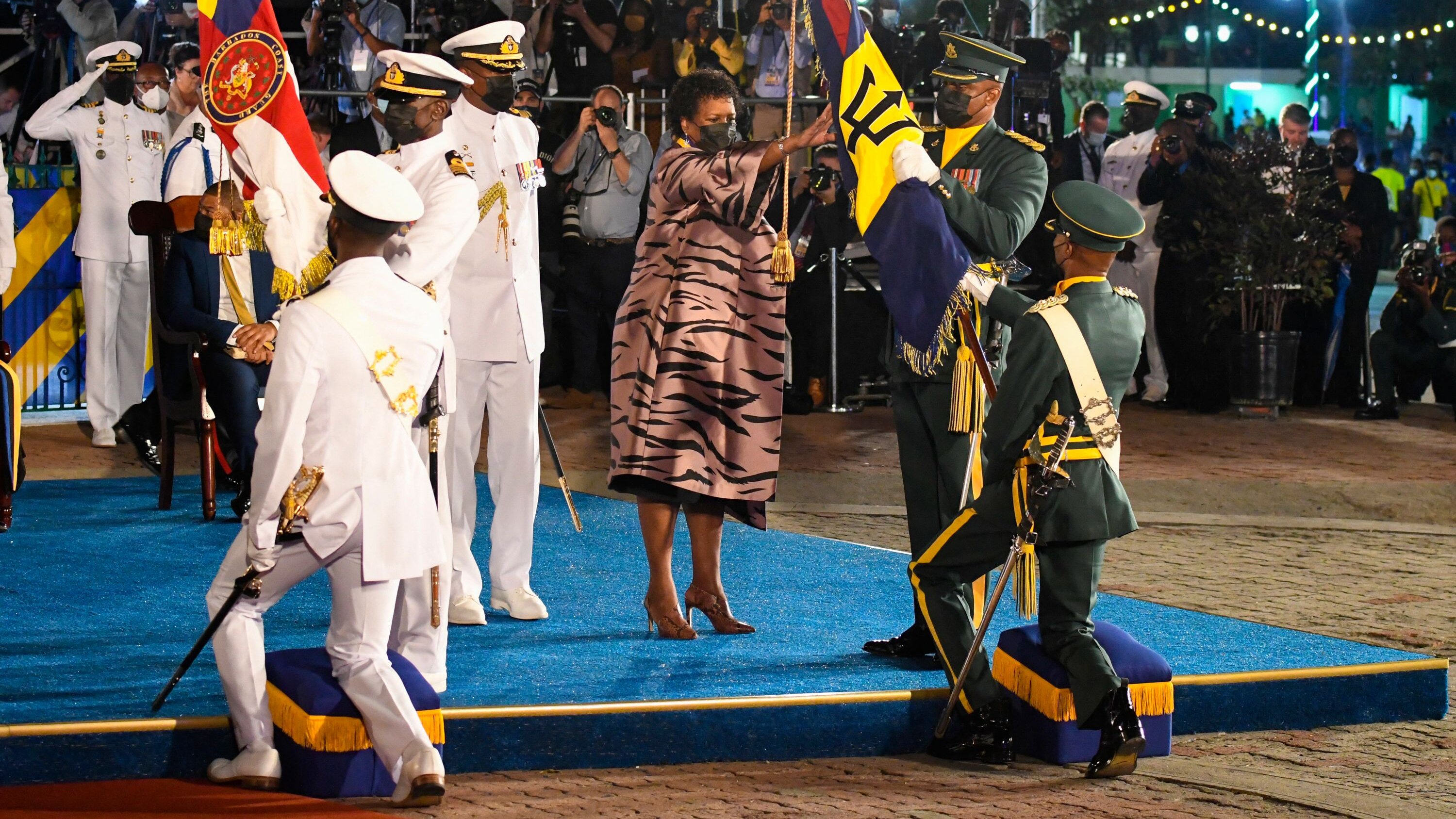
“Though Barbados gained its independence as a constitutional monarchy in 1966, only last year did the nation formally sever ties with Britain—removing Queen Elizabeth II as its head of state and electing the nation’s first president in the process. Removing the Queen as head of state is not a political endpoint, then, but one step toward reasserting Black Barbadian identity and sovereignty.” SOURCE: The Atlantic
What is the difference between the United Kingdom, Great Britain, and England? Or what about the distinction between the Commonwealth, possessions of the Crown, and the British Empire? It is easy stay out of the complicated nature of these questions, but many people in former parts of the British Empire are starting to delve into these questions; the death of Queen Elizabeth made many of these conversations more on the forefront of the public consciousness. Some Commonwealth countries like Barbados have distanced themselves from what they see as vestigial remains of a complex colonial heritage, and countries like Jamaica are seriously considering following suit.
Questions to ponder: What old forces have kept political connections between the UK and former colonies in place for so many decades? What new forces are reconfiguring political and cultural institutions in the Caribbean?
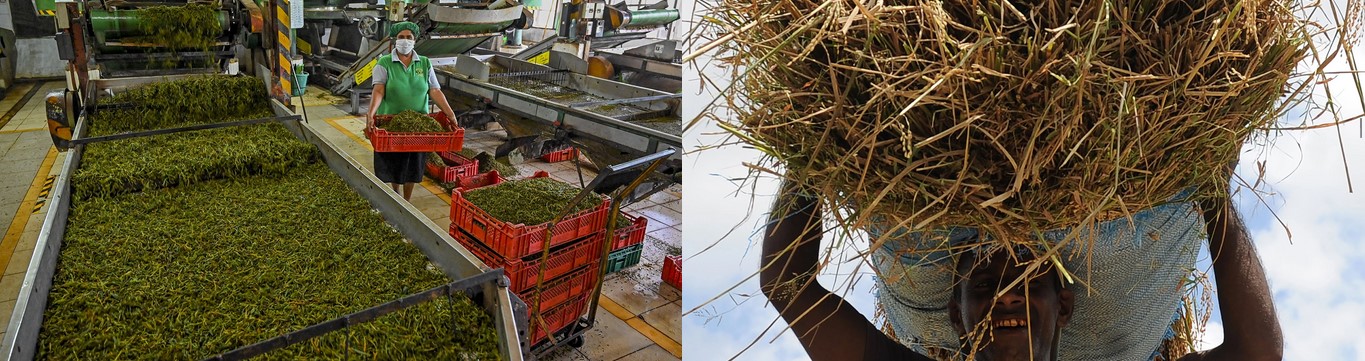
The collapse of the Sri Lankan government was a shock, but outside of regional experts, few were paying attention to the South Asian Island nation during the global pandemic to worry about their agriculture and economy. Now is the time for us to reflect and consider. There was a currency crisis, food shortages, energy shortages, a suffering tourism industry during COVID, a popular uprising, but underneath it all were the policies that destabilized the whole system. Policies that sounded seductively enticing, and generated global admiration from the WEF and sustainable agriculture advocates. Sri Lanka received a glowing ESG score, but despite this international acclaim, it came with one fatal flaw—the policies didn’t support the people of Sri Lanka.
I will focus primarily on the agricultural aspects of crisis (since it fits best with human geography curriculum) but yes, there were other political and economic factors. Organic farming is only for the wealthy in developed countries that can afford organic food as a lifestyle choice, or the very poor in rural, underdeveloped regions that engage in subsistence agriculture without access to Green Revolution technologies. Organic food accounts for 1% of the global food trade, and most of humanity relies of the technological advancements made by the Green Revolution for their food supply.
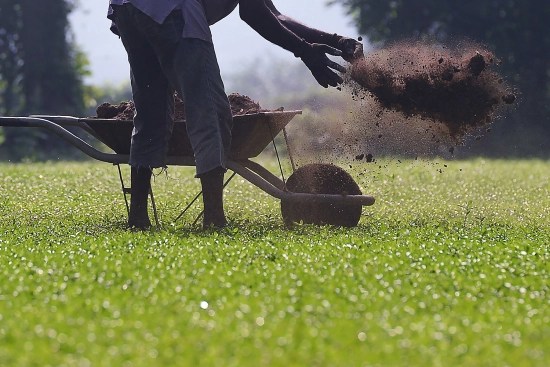
Fertilizer is in short supply with the ban on synthetics.
The government of Sri Lanka announced a 10-year plan to transition to 100% organic farming, by banning synthetic fertilizers and pesticides (the very inputs that double Sri Lanka’s yield in the 1960s from the Green Revolution). Over 30% of Sri Lankan farmland lay dormant without enough manure and other approved replacements. Something else that we often forget is the modern agriculture is heavily dependent on fossil fuel usage for the heavy machinery to replace manual labor. As the economy struggled, fuel prices went up and resources were rationed so that farmers couldn’t run their machinery and couldn’t get they products to the market. 85% of farmers suffered crop losses and overall production declined by over 20%, which might not sound like much as the 4th largest tea exporter in the world and a country that primarily consumes rice, crashing the rice and tea markets in catastrophic.
Sustainable agriculture sounds lovely as a goal, but not if the needs of the people are not being met first. Sri Lanka serves a cautionary tale for countries prioritizing international environmental aims over policies that will promote economic growth and human flourishing within their borders. The romanticism of organic agriculture is a fine choice for those who can afford it, but horrible to impose on those who cannot.




 GEOGRAPHY EDUCATION