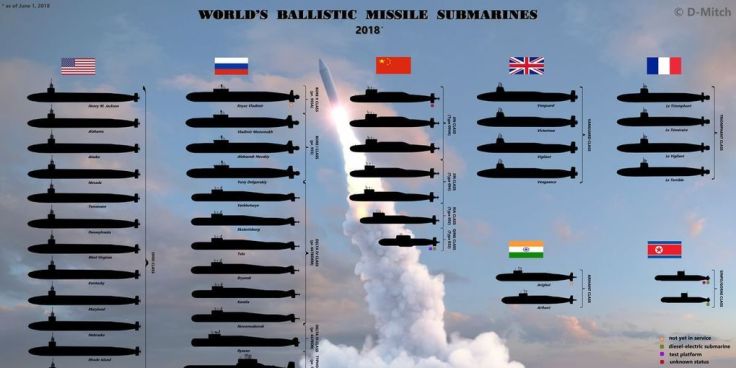
Only seven countries in the entire world deploy nuclear weapons at sea, an exclusive and deadly club.
Source: www.popularmechanics.com
Only seven countries in the entire world deploy nuclear weapons at sea, an exclusive and deadly club.
Source: www.popularmechanics.com

Calling out human rights violations shouldn’t stray into bias against Jews.
Source: www.washingtonpost.com
This is a very partisan article, but some of the ideas brought up in it are worth discussion in non-partisan settings as well. The author takes a very liberal perspective critiquing Israeli policies, while loving Judaism, Jewish history, and the right of the Israeli state to exist. Blanket "good guys" and "bad guys" narratives are always sloppy, but in the Israeli-Palestinian conflict it may be even more pernicious.
Tags: op-ed, Israel, Judaism, conflict, political, Middle East.
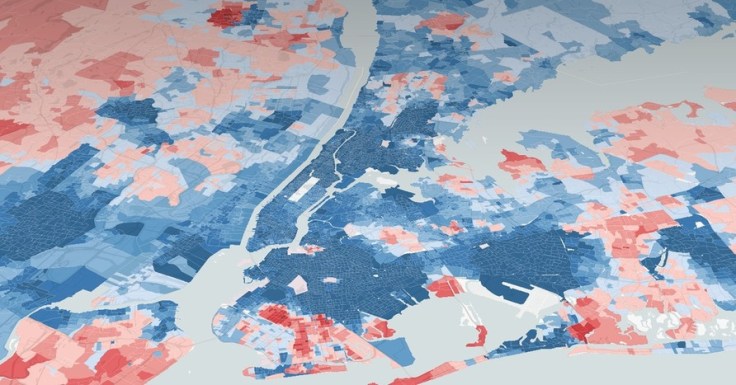
The Times’s interactive map of precinct results shows that even within partisan strongholds, there are contrary-voting enclaves.
Source: www.nytimes.com
This feature that shows the 2016 election results at the precinct level is astounding, revealing, and a testament to the difficulty of putting all this information together. The built-in features in this interactive map to explore selected “voter islands” and one-sided places are especially helpful, but much like Google Earth, many people are eager to zoom in to their own neighborhoods. The article that accompanies the interactive had some excellent case-studies at a variety of scales. Geography always matters and the maps reveal so many telling patterns.
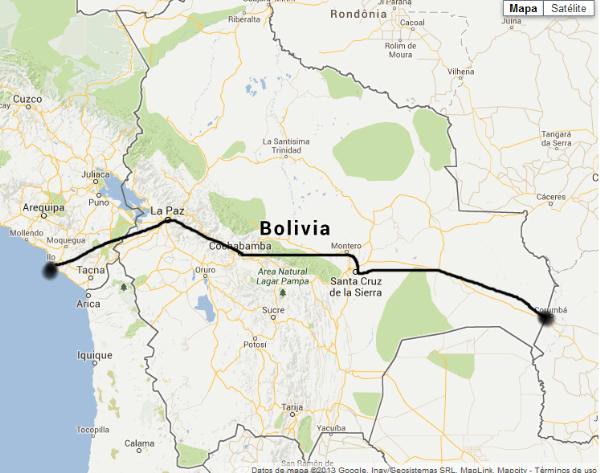
“It might be a strip of sand without even a jetty but a small stretch of the Pacific coast now harbors Bolivia’s dream of regaining a coast and becoming a maritime nation. The landlocked Andean country has won access to a desolate patch of Peru’s shoreline, fueling hopes that Bolivia will once again have a sea to call its own. President Evo Morales signed a deal yesterday with his Peruvian counterpart, Alan García, allowing Bolivia to build and operate a small port about 10 miles from Peru’s southern port of Ilo. The accord, sealed with declarations of South American brotherhood, was a diplomatic poke at Chile, the neighbor that seized Bolivia’s coast and a swath of Peruvian territory in the 1879-84 war of the Pacific.”
Source: www.theguardian.com
How important is a coastline to the economic viability of a country in the global market and to for the country’s geopolitical strengthen? Ask the countries without one.
Tags: South America, Bolivia, economic, transportation, political, coastal, borders.
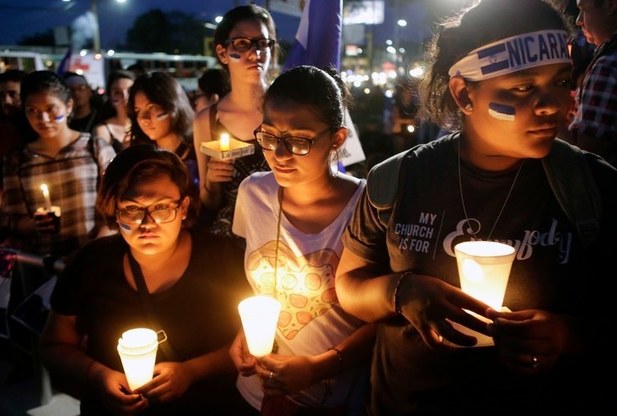
Jon Lee Anderson on protests in Nicaragua over proposed social-security reforms that are threatening the stability of the government of President Daniel Ortega.
Source: www.newyorker.com
The status quo of the Nicaraguan political system threats to be completely upended and this article is a good primer for getting a handle on the situation.

Allies on Election Day, the two wings of the Democratic Party are growing further estranged in other aspects of their lives.
Source: www.nytimes.com
This is more partisan source/part of the topic than I’d want to share with my human geography classes, but the ideas, patterns, and impacts are all about principles discussed in the AP Human Geography course articulation.
Tags: neighborhood, political, gentrification, urban, place, economic.

“Mukul Kesavan, a perceptive Indian historian, sees this region-wide propensity for majoritarian nationalism as a sad if natural outcome of the awkward struggle to build new nation-states. The most egregious recent example is Myanmar, whose 90% Buddhist majority felt so threatened by a Rohingya Muslim minority of barely 1% that it sanctioned burning, pillage, murder, rape and enforced exile. Bangladesh chased non-Muslim tribes into India, and its once large and prosperous Hindu minority has dwindled alarmingly in the face of constant pressure. In the name of orthodoxy, extremists in Pakistan have viciously hounded not only Christians and Hindus but also Shia Muslims, Ahmadis and allegedly unorthodox Sufis. Sinhalese have historically dominated the island [of Sri Lanka], a fact forcefully reasserted in 2009 when the Sri Lankan army brought to a bloody end a 26-year-long insurgency by mostly Hindu ethnic Tamils, the largest minority group.”
Tags: religion, ethnicity, South Asia, regions, political, conflict.
Source: www.economist.com
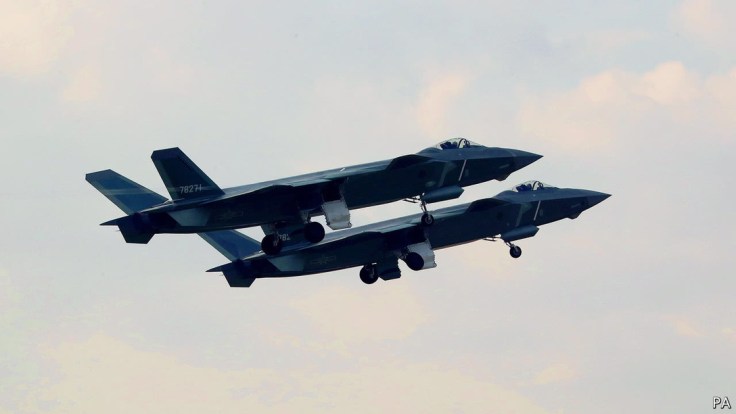
“China’s president, Xi Jinping, wants to be able to challenge America’s military might in the western Pacific. He is making big progress. China’s once bloated armed forces are becoming leaner and a lot more capable. They are also benefiting from a defense budget that is growing at a steady 6-7% a year, in line with GDP. The IISS declares that China has become an innovator in military technology and is not merely ‘catching up’ with the West. For some of the most advanced science, Mr. Xi is tapping the private sector. The Pentagon has to woo skeptical Silicon Valley companies; firms in China do what the government tells them to do. In two years’ time, if not before, America is likely to lose its monopoly of radar-beating stealth combat aircraft with the introduction into service of China’s Chengdu J-20.”
Tags: political, military, China, geopolitics, East Asia.
Source: www.economist.com
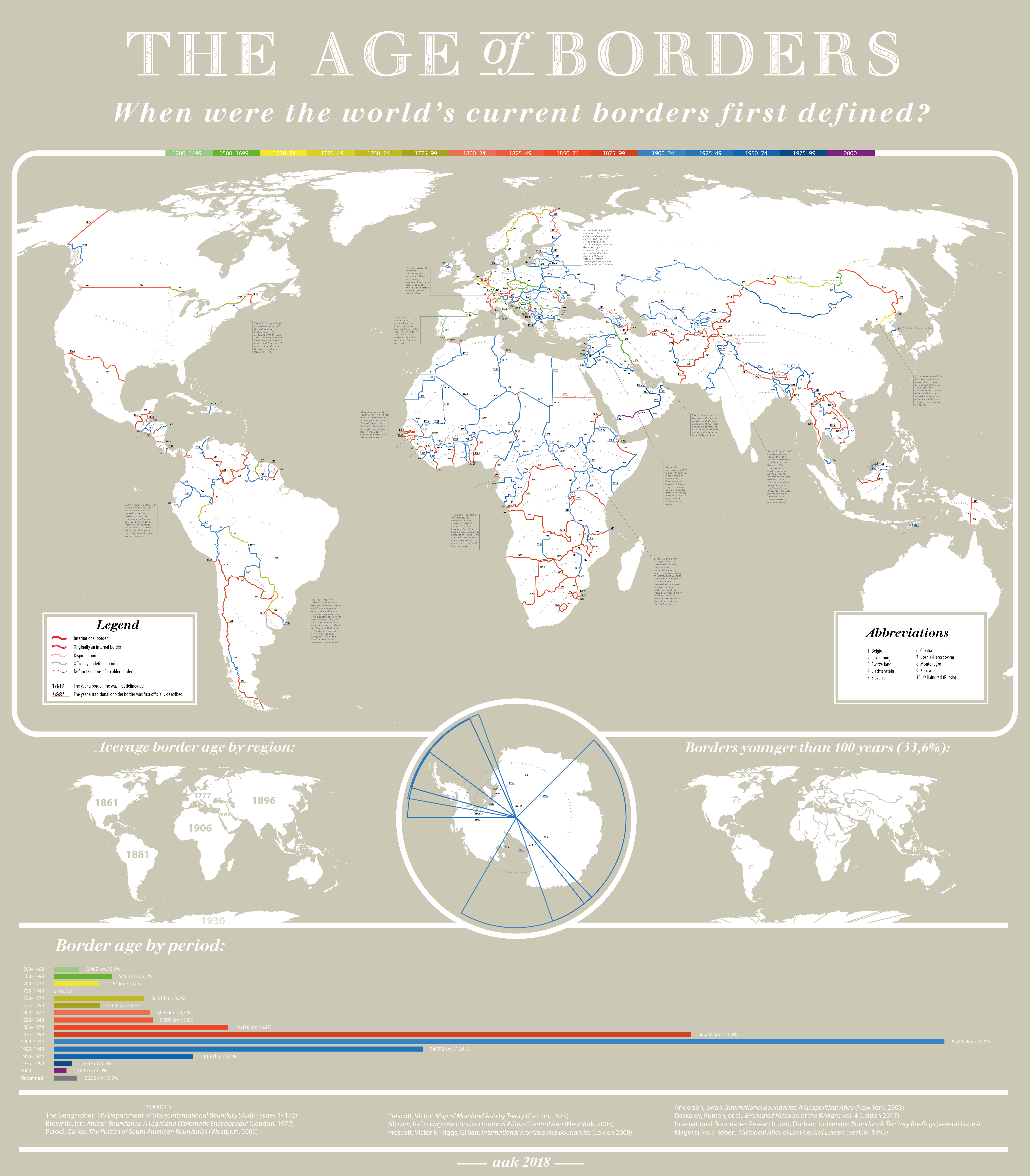
“The creation date of (almost) every international border. Full-size image here.”
Tags: infographic, worldwide, borders, political, historical.
Source: c1.staticflickr.com



 GEOGRAPHY EDUCATION