Search

GEOGRAPHY EDUCATION

Supporting geography educators everywhere with current digital resources.

Tag

SouthEast Asia

The Lure of Singapore

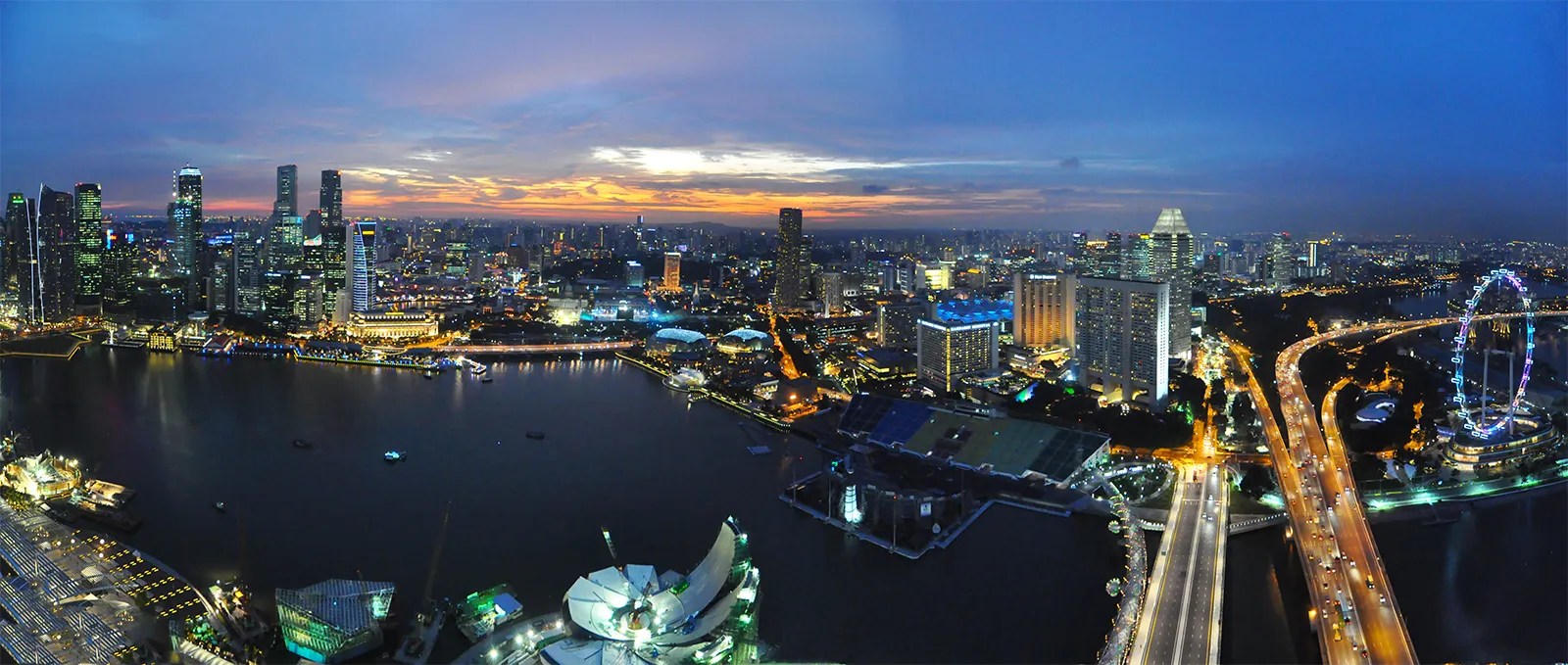
Chinese individuals now see Singapore as the vessel that can navigate them through a series of expected storms. At the same time, they add, it is becoming an increasingly vital place for outposts of Wall Street and the global financial industry to interact with them. For many years, Singapore has liked to sell itself as the Switzerland of Asia. The new cold war, says one former top official, is finally turning that pitch into a reality. The big question, though, is how far Singapore will tolerate being Switzerland with Chinese characteristics.” SOURCE: Financial Times

Singapore is small, but it is strategically located and tightly linked to all the important players in the region.  Singapore (about 75% ethnically Chinese) has played a role in Chinese migration and wealth and more Chinese companies are choosing Singapore as a base of operations.  With many companies and countries leery about the Communist party, having a company operating out of Singapore is a safe bet for investors, so investors and Western partners are also choosing Singapore as a politically neutral safe haven for investors. This article nicely outlined the economic and geographic appeal of Singapore that has made it an economic powerhouse.    

TAGS: Singapore, economic, SouthEast Asia.

Balikbayan Boxes

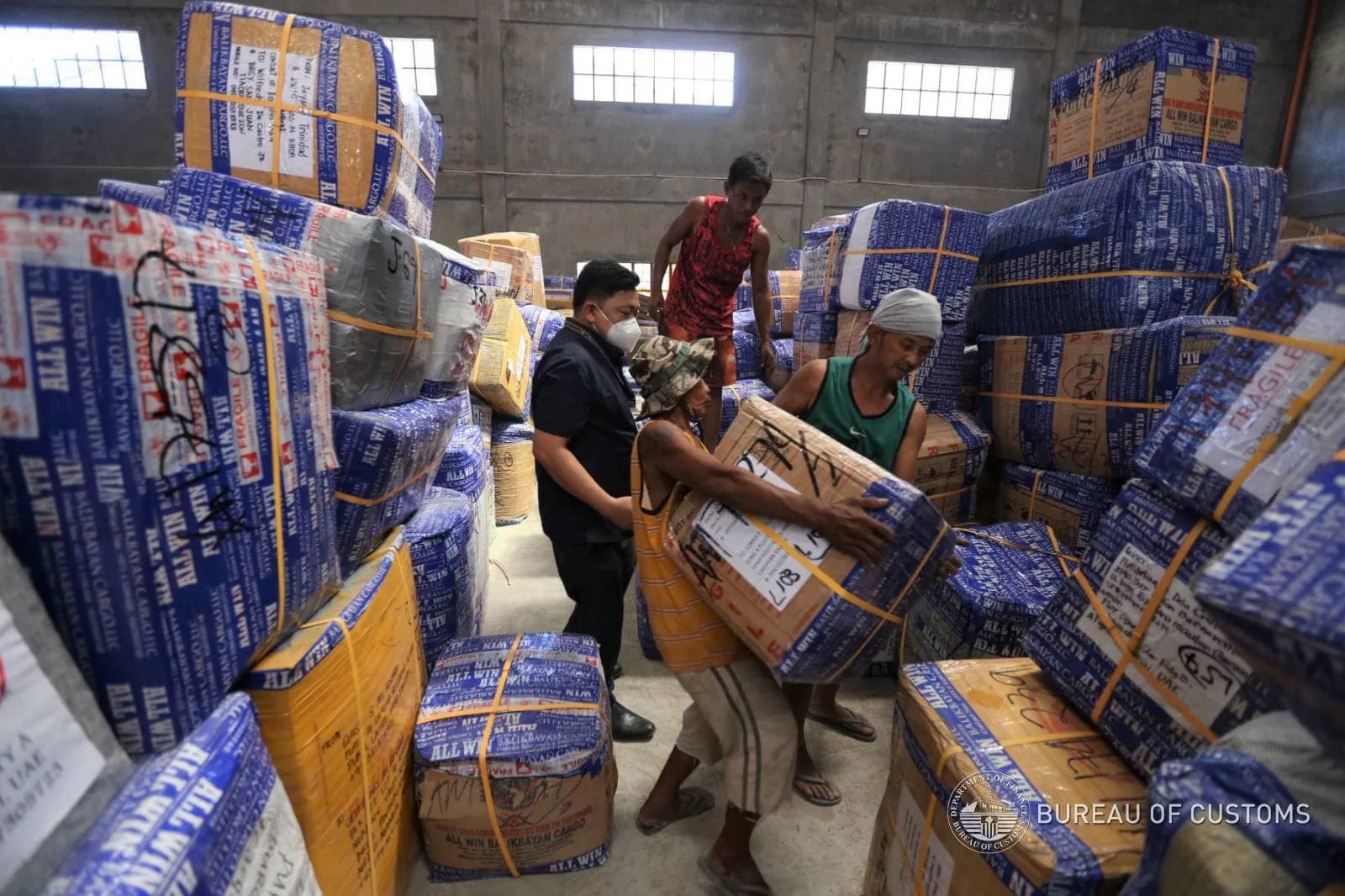
Massive numbers of Balikbayan boxes are sent around Christmastime. SOURCE.

A Balikbayan box is a huge cardboard box (often weighing over 100 pounds) that Filipinos living all over the world send to family members who are still living in the Philippines. The word Balikbayan literally means homecoming in Tagalog. 400,000 thousand of these Balikbayan boxes arrive in the Philippines from around the world per month. But the holiday season is the busiest, with mothers sending to sons, brothers to sisters, and hundreds of thousands waiting in the Philippines for their box.” SOURCE: 99 PI Podcast

The sending of remittances is an important inter-regional economic flow concept and there is no better example than the Philippines. This 99 Percent Invisible podcast is an excellent portrayal of the cultural and economic impacts of the Balikbayan boxes, with a full transcript, good video clips, and nice images.

With unemployment high after WWII, the Philippines made an active economic strategy of remittances by encouraging citizens to work abroad and to send money back home. Filipinos went to the United States, the Middle East, Hong Kong, Singapore and throughout the Pacific. But the government didn’t enter trade agreements to grant them full citizenship in the new country as whole families, but often as individual temporary workers which meant that they always kept one foot (and their heart) in the Philippines. 

Balikbayan means “homecoming” or “return of our people.” The people that left, the Balikbayan, are treated with an elevated status upon returning and often feel a sense of responsibility to those that they left behind.  The Balikbayan boxes are care packages that they send back home to loved ones in the Philippines, but so much more so.  Huge boxes loaded with commercial goods like chocolate, electronics, toothpaste, and yes, SPAM (SPAM is especially loved in the Filipino community for some fascinating cultural and historical reason). Christmas is celebrated for several months in the Philippines and the busiest time for Balikbayan boxes to be sent from all over the world.   

TAGS: Philippines, economic, migration.

Packed with goodies, Balikbayan boxes bring consumer goods to their loved ones.

Indonesia ‘discards’ its capital Jakarta for a new one, but we can’t just dispose of cities

Jakarta1

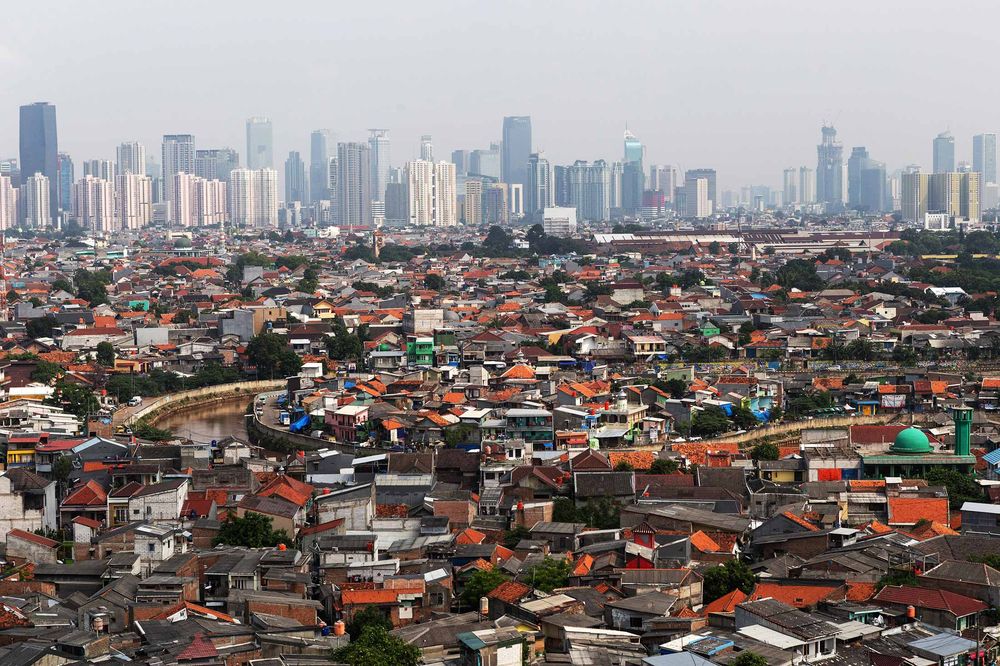
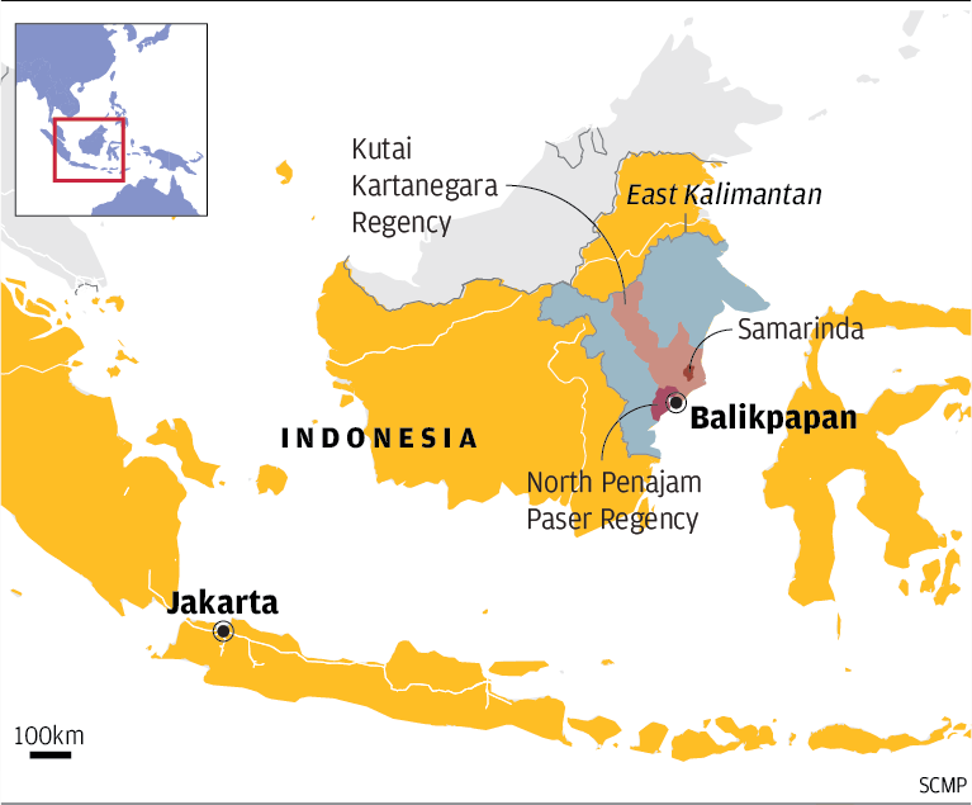
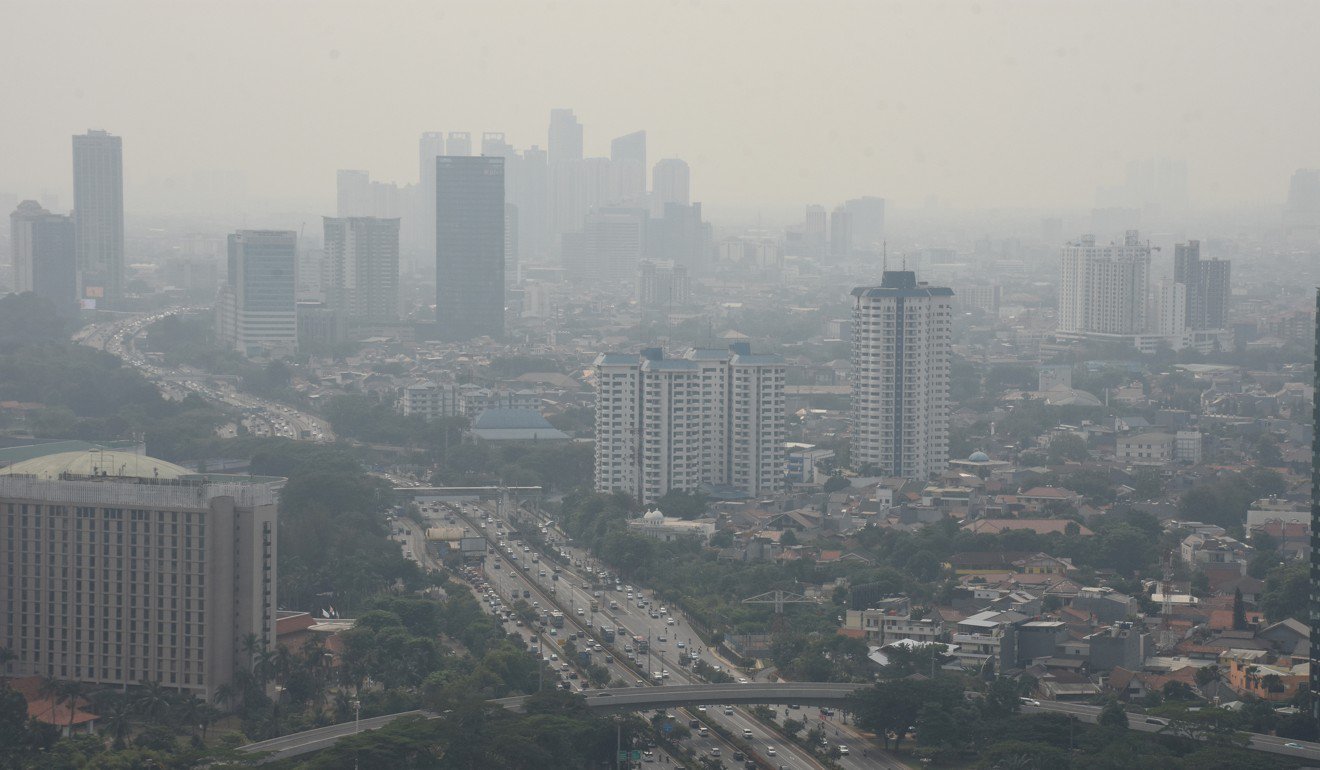
Indonesia’s government is advancing plans to relocate the country’s capital more than 1,000 kilometres away, from Jakarta on densely populated Java island to Borneo. At a time when modern consumer societies are awash in disposable products, the relocation plan seems to exemplify global society’s tendency to throw things away once they can no longer be used. In other words, Jakarta is a ‘disposable city.’ The situation with Jakarta is only the latest case of a country shifting its capital from an unmanageable urban context.”   Source:  The Conversation

This article, while on the surface is about forward capitals, and Jakarta’s plan to change it’s capital city,  is truly about unsustainable urban land use practices.  Relocating a capital is a part a a fix to alleviate the pressures on the government, but it does not solve the ecological problems of the city itself.  This article is a plea to push for more sustainable urban initiatives.

GeoEd Tags: Indonesia, megacities, urban ecology, SouthEast Asia.


Geo-economics of the Thai Canal

A group of influential Thai officials is promoting the construction of a long-envisioned megaproject, known as the Thai Canal. If built, it would transform the regional maritime dynamics and give Thailand a substantial stake in global trade. Yet, as ambitious as the project it, there are equally credible drawbacks that could reshape the geo-economic fortunes of Southeast Asia.

Source: www.youtube.com

The Straits of Malacca is an incredibly busy waterway.  Around 20% of global trade and 30% of the world’s crude oil travel through this tiny choke point.  At its narrowest, the Straits of Malacca is less than 2 miles wide and as Asian economies grow, alternative shipping lanes are becoming more attractive.  China is looking to bankroll a canal that would bisect the Malay Peninsula and reduce their dependency on the Straits of Malacca.  This is still uncertain, but would represent a major geo-engineering project that


Perspectives: What are the positives and negatives of this plan for Thailand?  China?  The United States? 


Tags: Thailand, Southeast Asiatransportation, globalization, diffusion, industry, economic.

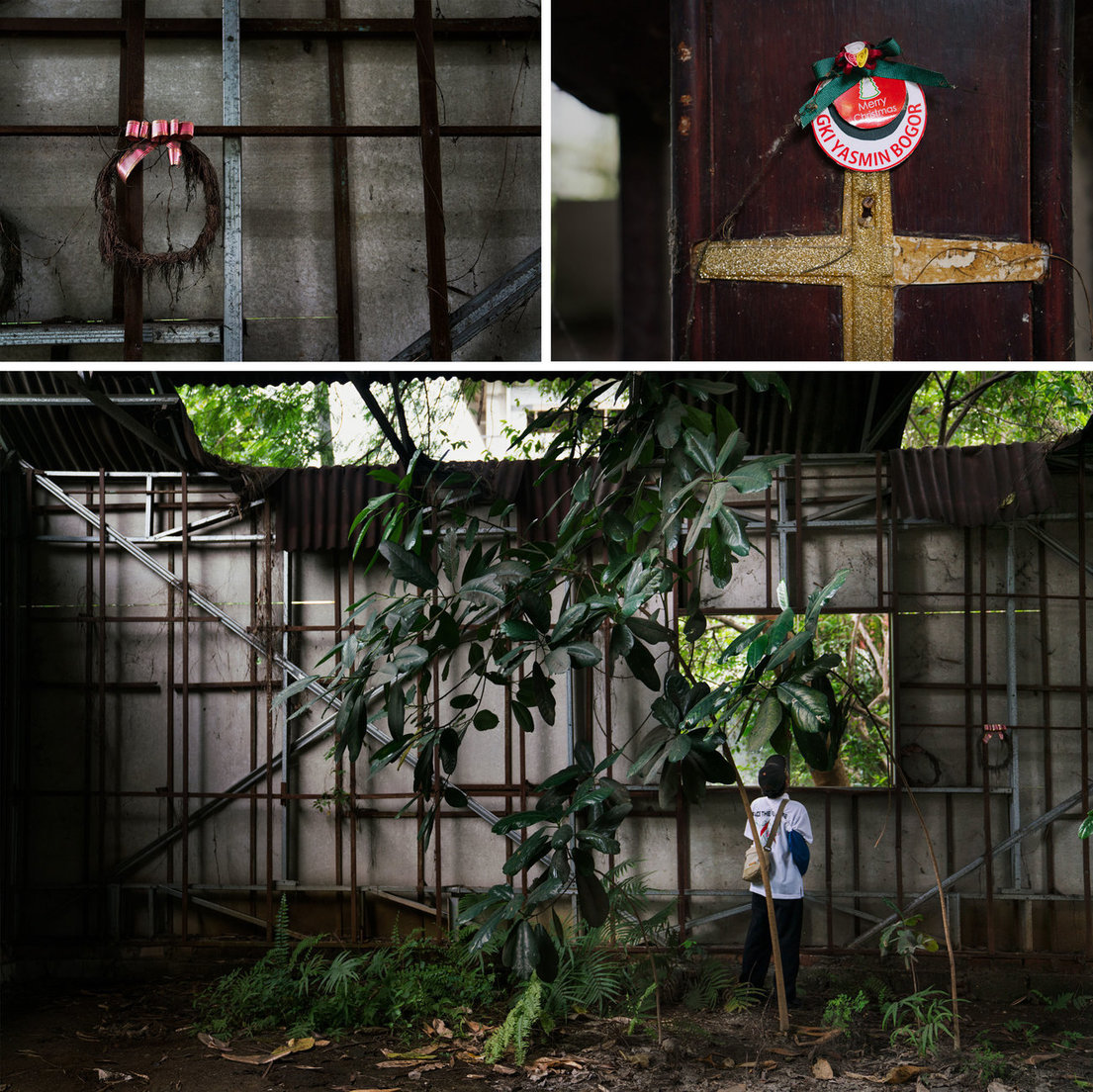
‘It’s Our Right’: Christian Congregation In Indonesia Fights To Worship In Its Church

A Christian congregation outside Jakarta built a new church legally, but Muslims in the area object to it. In 2010, the Supreme Court ruled to allow worship at the church, but it remains sealed.


Vocal Muslim citizens opposed construction of the church and pressured the local government to cancel the permits. The local government acquiesced to the demands. But the church group went to court, and won. On an appeal, they won again. Finally, the case went all the way to Indonesia’s Supreme Court — where the church group won a third time, in 2010. But to this day, the congregation can’t worship there.

Indonesia, with its mix of Muslim, Hindu, Buddhist and Christian citizens, has long had a reputation as a country that embraces religious diversity. Andreas Harsono, the Indonesia researcher for Human Rights Watch, sees things differently.


Tags: Indonesiaculture, religion.

Source: www.npr.org

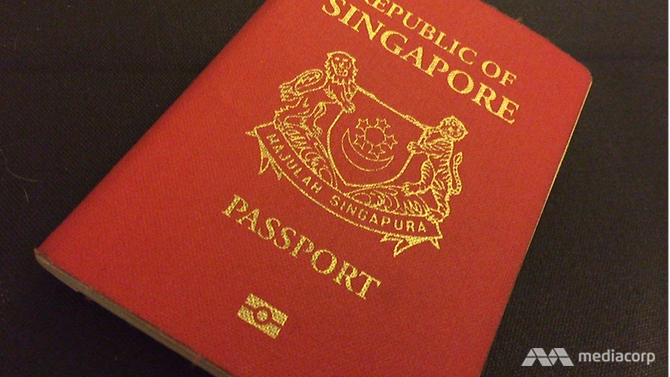
Singapore passport becomes ‘most powerful’ in the world

Historically, the top ten most powerful passports in the world were mostly European, with Germany having the lead for the past two years. Since early 2017, Singapore has tied for number one position with Germany. For the first time ever an Asian country has the most powerful passport in the world. It is a testament of Singapore’s inclusive diplomatic relations and effective foreign policy.”


Tag: SingaporeSouthEastAsia, politicaldevelopment.

Source: www.channelnewsasia.com

Who else is high on the list of the most powerful passports in the world?  This tier system is based on the number of visa-free entries available to the holder of the visa:

1. Singapore

2. Germany

3. Sweden

3. South Korea

4. Denmark

4. Finland

4. Italy

4. France

4. Spain

4. Norway

4. Japan

4. United Kingdom

5. Luxembourg

5. Switzerland

5. Netherlands

5. Belgium

5. Austria

5. Poland

6. Malaysia

6. Ireland

6. USA (that’s tied for 19th for you competitive sorts)

6. Canada

7. Greece

7. New Zealand

7. Australia

Left For Dead: Myanmar’s Muslim Minority

In recent years, democratic reforms have swept through Myanmar, a country that for decades was ruled by a military junta. As the reforms took hold, however, things were growing progressively worse for the Rohingya, a heavily persecuted ethnic Muslim minority concentrated in the country’s western state of Rakhine. The 2012 gang rape and murder of a Buddhist woman by three Muslim men ignited violent riots in which hundreds were killed as Rakhine Buddhists and Rohingya attacked each other. In the following months, tens of thousands of Rohingya were rounded up and forced to live in squalid camps; Human Rights Watch deemed the attacks crimes against humanity that amounted to ethnic cleansing of the Rohingya. Thousands of Rohingya have since attempted to leave the country, fueling the region’s intricate and brutal human trafficking network.


Tags: Rohingyagenocide, migration, politicalconflict, refugeesBurma, Southeast Asia.

Source: www.youtube.com

Teaching About the Rohingya Crisis in Myanmar

“Why are hundreds of thousands of Rohingya refugees fleeing Myanmar? Who are the Rohingya and why are they being persecuted? What responsibility does the world have to end what the United Nations is calling ‘ethnic cleansing’ and many are labeling ‘genocide’? In this lesson, students will first learn about the crisis unfolding in Myanmar using Times reporting, videos, podcasts and photography. Then, we suggest a variety of activities for going deeper, such as tackling universal questions about national identity and minority rights, considering the responsibility of the world community, and going inside the squalid refugee camps sprawling across the border in Bangladesh.”

Source: www.nytimes.com

This issue is not as firmly fixed in our minds as it should be.  So much of our media’s attention is on less substantial issues, that when they compile resources for teachers on a subject like this, it deserves mentioning.  Even if you have already read your 10 free monthly articles from the NY Times, you can still watch the video embedded in the lesson.  Attached is a worksheet that I will be using in my classes (feel free to adapt and use).

Tags: Rohingyagenocide, migration, politicalconflict, refugeesBurma, Southeast Asia.


The Rohingya in Myanmar: How Years of Strife Grew Into a Crisis

Life has long been fraught for a Muslim minority in mainly Buddhist Myanmar, but the recent “ethnic cleansing” has sent Rohingya fleeing en masse.

Source: www.nytimes.com

Many students have asked the question “Who are the Rohingya?” The Muslim minority group, concentrated near the Bangladeshi has a long history of marginalization. Its members lack full citizenship in Myanmar (Burma), and many in Myanmar deny that the Rohingya are a native ethnic group, claiming that they are recent Bengali immigrants. Now, fierce clashes between security forces and Rohingya militants left hundreds dead and entire villages torched to the ground. Hundreds of thousands of Rohingya have fled over the border into Bangladesh.


Tags: migration, politicalconflict, refugeesBurma, Southeast Asia.

Create a free website or blog at WordPress.com.

Up ↑