Search

GEOGRAPHY EDUCATION

Supporting geography educators everywhere with current digital resources.

Tag

urban

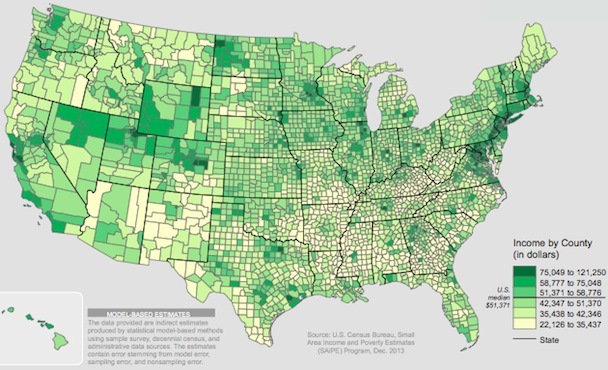
America’s Wealth Is Staggeringly Concentrated in the Northeast Corridor

“At the county level, America is a tremendously unequal place.”

Source: www.citylab.com

The concentration of wealth within U.S. cities is one of the most powerful geographic patterns in North America (and remains of of the key geographic stories of the 2016 presidential election). NYC served as a hub for the import/export of primary economic resources during the 18th and 19th centuries as the Erie Canal opened up the interior of the United States to become part of NYC’s hinterland.  NYC expanded as a hub for the manufacturing of consumer products and then began to transition to a more tertiary based economy. “There are more than 3,000 counties in the U.S. Of the 75 with the highest incomes, 44 are located in the Northeast, including Maryland and Virginia. The corridor of metropolitan statistical areas that runs from Washington, D.C., through Baltimore, Philadelphia, New York and Boston includes 37 of these top-earning counties (where the median family takes home at least $75,000 a year).”


Tags: urbanindustrymanufacturinglabor, economic, NYC, Washington DC. Boston.
‘Crimetown’ podcasts on Providence No. 1 on iTunes charts

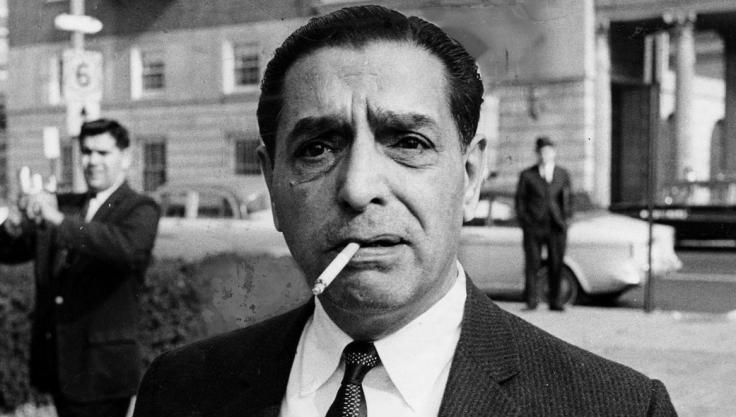
“Providence, once the heart of the New England mafia, was chosen for the first season. The approximately 17 to 20 episodes will follow the patterns of corruption in Rhode Island up through the banking crisis of RISDIC, the impeachment of a Supreme Court justice, and City Hall corruption in Operation Plunder Dome.”

Source: www.providencejournal.com

This is not just a fascinating local story of my new hometown; this is a riveting portrayal of the urban social geographies of organized crime, corruption, and the cosa nostra.  With only three episode to date, they with entertain and inform listeners with delving into the inner working of the mob (and just a heads up–the language will be crass and actual crimes will be discussed–don’t say I didn’t warn you).  To be honest, of course season one of Crimetown dad to been about Providence, and it is all the more compelling knowing the neighborhoods that are being shaped in this historical portrayal of Rhode Island.    


Tagsurban, crime, Rhode Island, neighborhood, socioeconomic, poverty, podcast.


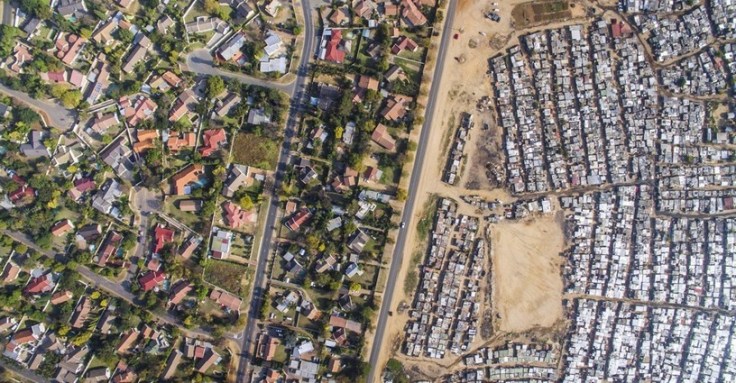
Aerial Photos Show how Apartheid Still Shapes South African Cities

An American used drones to capture the color lines still stark in South African cities.

Source: www.citylab.com

In some respects this isn’t surprising, but it is still striking to see how stark the differences are.  One generation of political change does not reverse generations of systemic racism that have had economic, cultural, and political impacts.  Many of the urban planning decisions were based on apartheid, and that historical legacy is still embedded landscape.


Tags: South Africa, images, Africarace, ethnicityneighborhood, urban, planning, images, remote sensing.

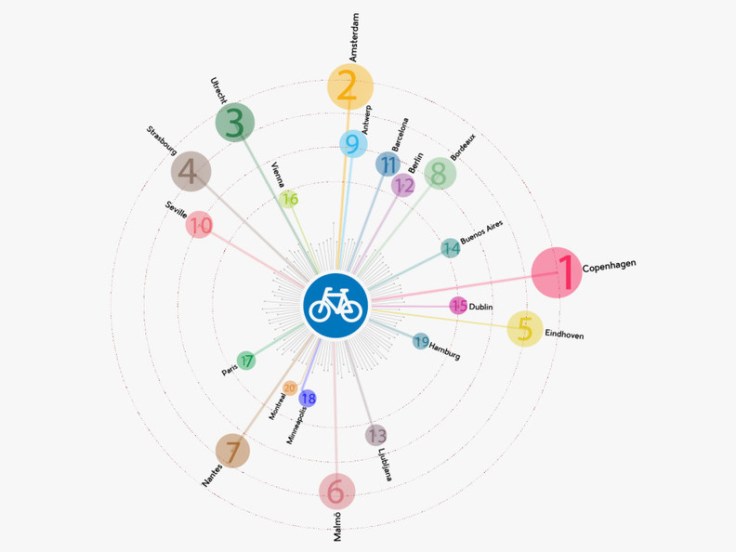
The 20 Most Bike-Friendly Cities on the Planet

Investment in bicycle infrastructure is a modern and intelligent move. Many cities get this. Many don’t.


Tags: urbanplace, transportationplanning, urbanism, architecture.

Source: www.wired.com

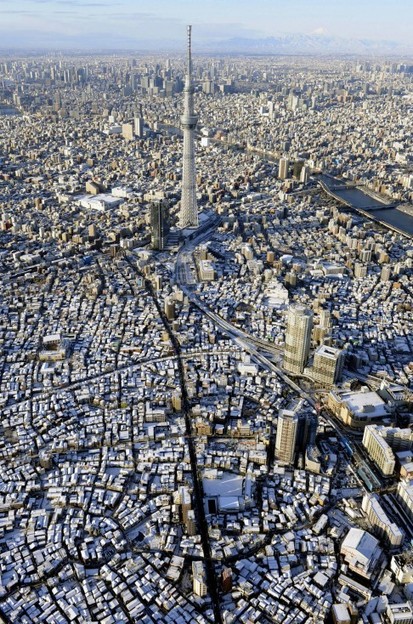
The rise of the Asian megacity (and why ‘metacities’ are the next big thing)

“Asia’s rapid urbanisation is changing the very shape and nature of what we think of as a city.  It’s not just the rapid increase in their numbers or their sheer size that makes these megacities fascinating. They look, feel and behave differently, too.”

Source: www.scmp.com

The term megacity (a city with a population greater than 10 million) has been around for a while and there wasn’t much linguistic need to describe something bigger.  Today, most megacities are more like Lagos and Mumbai, places of extreme wealth asymmetries than the global cities of New York City and London.  Some are now using the term metacity to describe cities with populations of 20 million.  Asian metacities are a good place to start thinking about the largest urban regions that are increasingly dominating economic, political and cultural affairs.      


Tags: urbanmegacitiesEast Asia.

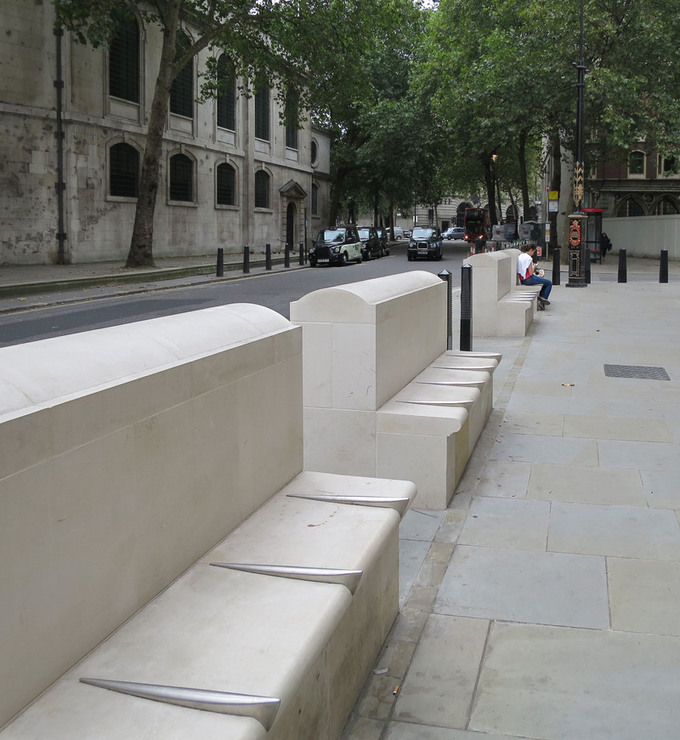
The Subtle Design Features That Make Cities Feel More Hostile

Think your city doesn’t like you? You’re right.

Source: www.atlasobscura.com

Geography explores more than just what countries control a certain territory and what landforms are there.  Geography explores the spatial manifestations of power and how place is crafted to fit a particular vision.  Homeless people are essentially always ‘out of place.’  These articles from the Society Pages, Atlas Obscura, the Atlantic and this one from the Guardian share similar things: that urban planners actively design places that will discourage loitering, skate boarding, and homelessness, which are all undesirable to local businesses.  This gallery shows various defensive architectural tactics to make certain people feel ‘out of place.’  Just to show that not all urban designs are anti-homeless, this bench is one that is designed to help the homeless (and here is an ingenious plan to curb public urination).  


Tags: urbanplanning, architecture, landscape, place, poverty.

London Should Secede From the United Kingdom

Beyond the stunning act that has become Britain’s vote to leave the European Union lies a deeper message: Democracy is not destiny, but devolution. Ceaseless entropy — the second law of thermodynamics — applies to politics as well. The more countries democratize, the more local populations seek greater self-rule.

Source: foreignpolicy.com

In his book Connectography by Parag Khanna, he argues that connectivity and networks are more important today.  Using those ideas, Khanna discusses London’s options after the recent Brexit vote in this op-ed.

Bolivian Commuters Soar Through The Sky

“The world’s biggest urban gondola system, known as Mi Teleférico, opened in La Paz, Bolivia, in May 2014. The 6-mile-long system is an engineering feat.”


Tags: transportation, South America, Bolivia, urban, planningarchitecture.

Source: www.youtube.com

Crafting a Sense of Place

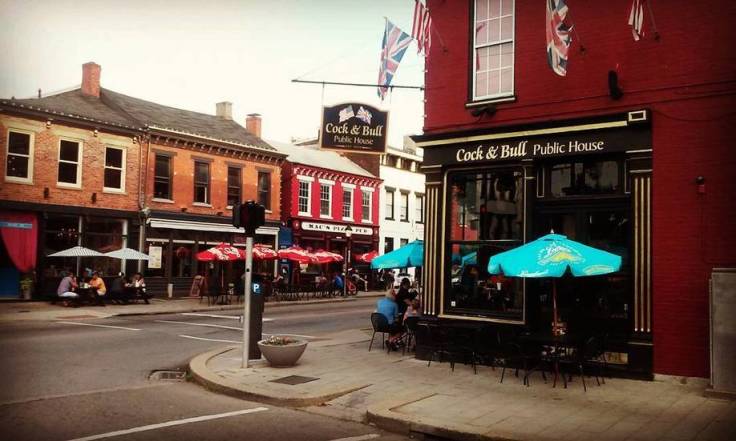
Talk about creating a sense of place! This neighborhood in #Covington draws on German roots to create a restaurant/pub district. Even the non-German restaurants in the area evoke an old world cultural landscape aesthetic in a way that makes the neighborhood appealing to visitors and prospective residents. #culturallandscape #placemaking.”


Source: www.instagram.com

I love exploring the cultural landscapes in and around Cincinnati every year during the #APHGreading.   


Tags: neighborhoodlandscapeurban, place, social media, APHG, Cincinnati


Create a free website or blog at WordPress.com.

Up ↑