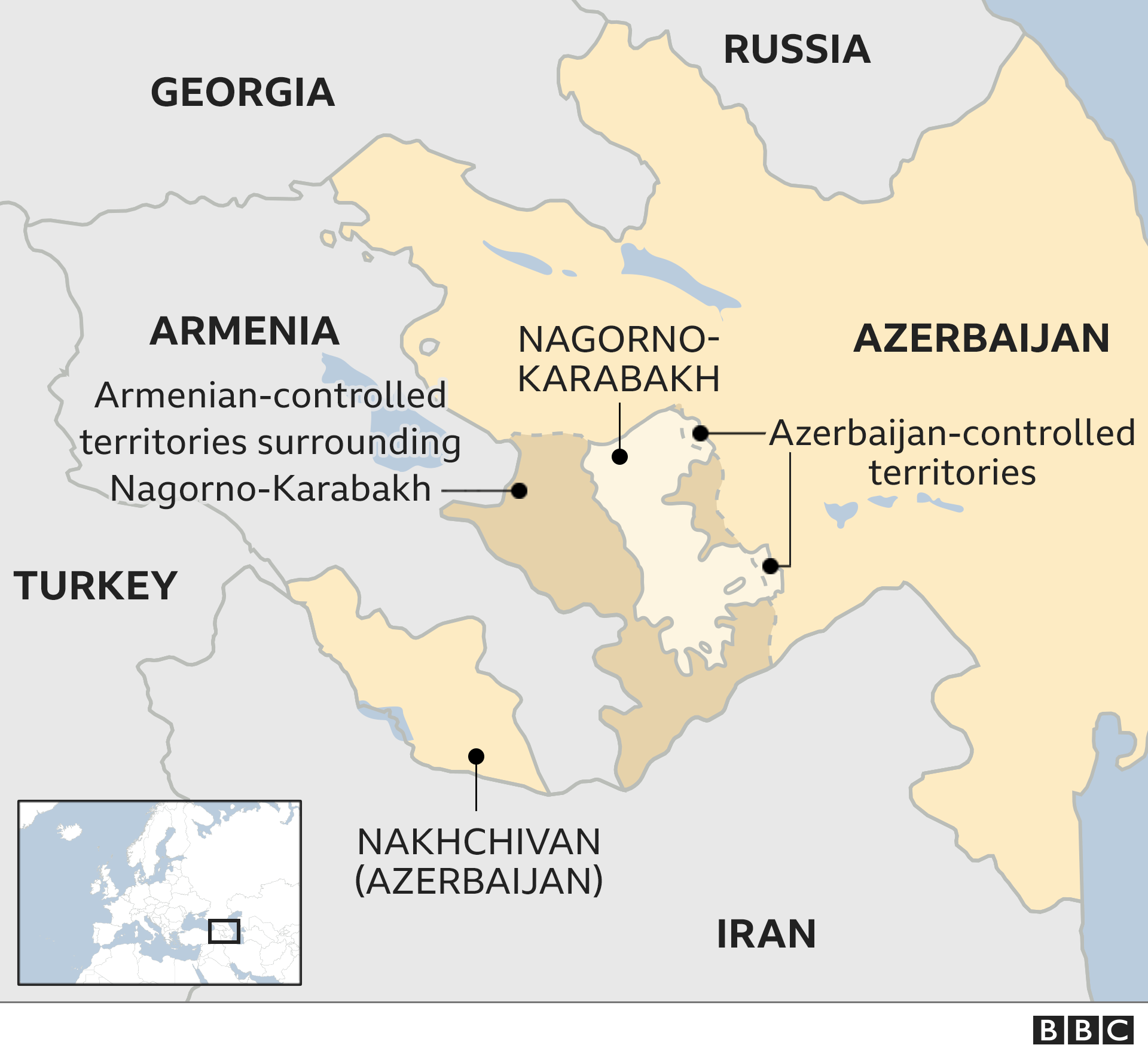
“Armenia’s defence ministry said Azeri forces had launched an attack five minutes after the truce had been due to come into effect, with ethnic Armenian forces responding. Azeri forces were also bombarding a town, the defence ministry said.” SOURCE: BBC
There are many simmering conflicts around the world that are not fully resolved but that can intensify very quickly because the underlying issues remain tense even in periods of relative calm. The Armenia/Azerbaijan conflict centers around the ethnic Armenian enclave (Nargorno Karabakh) inside Azerbaijan. To make things more complicated, there is an exclave of Azerbaijan (Nakhchivan) to the west of Armenia.
There have been ethnic/political tensions is this region for generations, but the collapse of the Soviet Union changed the status quo, and there was a cease-fire called in 1994, but that has dissolved in the last few weeks. Now, Turkey and Russia are both seeking to resolve the dispute (or carry out their regional ambitions if you like to approach this more cynically). This shows how a border conflict between two countries can quickly become a broader that can polarize the international community as countries “pick sides” in the conflict. While this is a distressing bit of news for global security and peace, this is a excellent case study to explore many political geographic topics; enclaves, exclaves, borders, sovereignty, devolution, international conflict, etc..
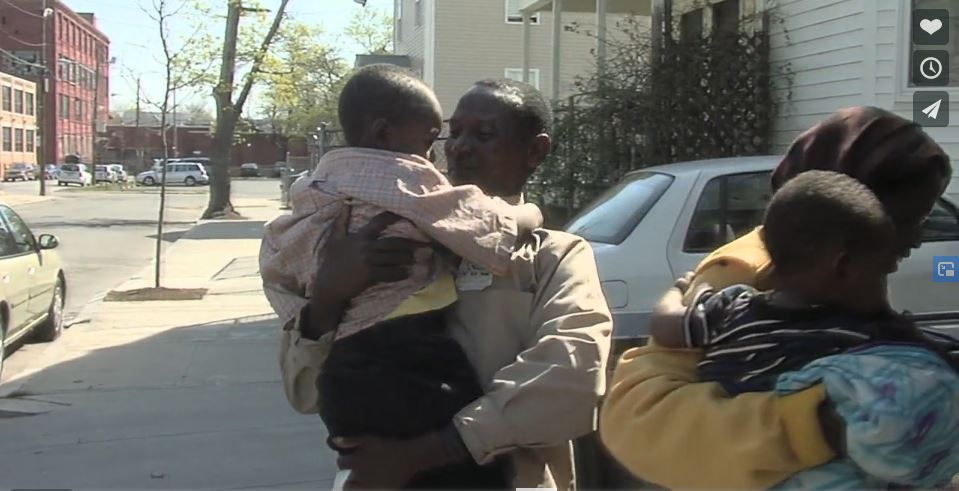
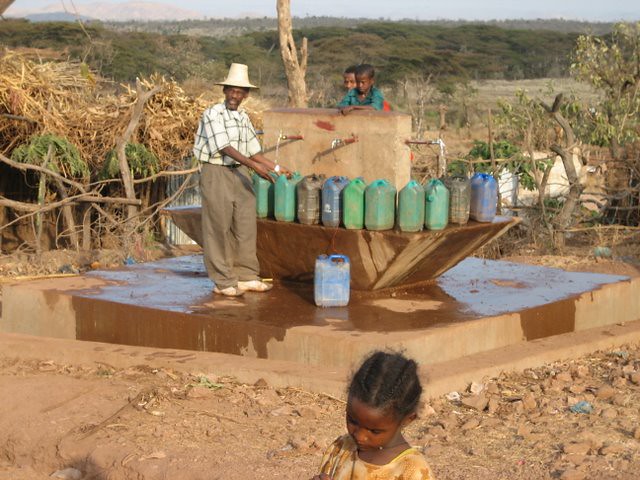
Usually when we are talking about refugee topics, we think about it the immediate problems in refugee camps and the conclusion of all these problems will be resettlement of the refugees to a safer place…or so we think. I love this video for so many reasons, but especially because it concentrates on the many obstacles confronting refugees AFTER they are resettled in a new country. This documentary, Home Across Lands (FULL 1-hour version available here. The 8-minute version is available on Vimeo) was produced a little over 10 years ago by a Pawtucket, Rhode Island-based film company. This film is an intensely local portrayal of the many difficulties for refugees in a new country. Many haven’t heard about Eritreans refugee camps in Ethiopia, but this article from the Irish Times will give some context on the issue.
Questions to Ponder:
1-Why did so many of the Kumana need to leave Eritrea?
2-What were the economic difficulties of living in the Shimelba refugee camp?
3-What are some some of the political/legal challenges for refugees in a refugee camp?
3-What are some of the cultural struggles for refugees upon arriving to the United States?
4-What are some of the economic difficulties for refugees upon arriving to the United States?
5-How does the fact of refugees leaving impact their original homeland and it’s culture? How does the fact of refugees arriving to a new place impact their new home?
“The wonders of modern medicine and nutrition make it easy to believe we enjoy longer lives than at any time in human history, but we may not be that special after all.” SOURCE: BBC
This BBC article explores many of our assumptions about demographic issues before statistics were recorded. This article especially looks at the notion that our life span has been increasing throughout history. This would be a good article to get some background information about stage 1 of the demographic transition. In a nutshell, the article’s premise is that just because life expectancy is increasing, it does not mean that our lifespan is the main reason. The main reason life expectancy has improved is that more children are surviving their early years not because we have extended the lifespan of elderly so much.
“Cheese from all around the world comes in different forms, textures, and colors, from white to blue. It’s eaten in many different ways, and some cheeses have legends or myths behind their invention Let’s take a look at what cheese looks like around the world.”
Geographers are drawn to videos like this that give a quick tour around the world. The Travel Insider video channel has a few great examples that show how distinct regional variations in food production create cultural distinct local customs. Food production is inherently cultural, and these videos show how local flavor creates a series of regional variations.
While I’m a fan of the “cheese around the world” video, I’ll include some other of my favorites below. Linked here is a great article showing the amazing diversity of breads around the world. On the food them, there is desserts around the world, sandwiches from around the world, street foods around the world, breads around the world, and off the food topic, but still very cultural, wedding traditions around world as a sampler for the channel.
So many things about society have been reshaped by the emergence and spread of Coronavirus this last year. I would encourage you to consider what some of the geographic factors that have shaped your world, but how the new wrinkle of a pandemic is either amplifying the effect of reversing some old patterns. Distance, scale, density, diffusion, regions, interactions, and connectivity are some of the many factors you may wish to consider. There are many articles to consider but I would like to share a few.
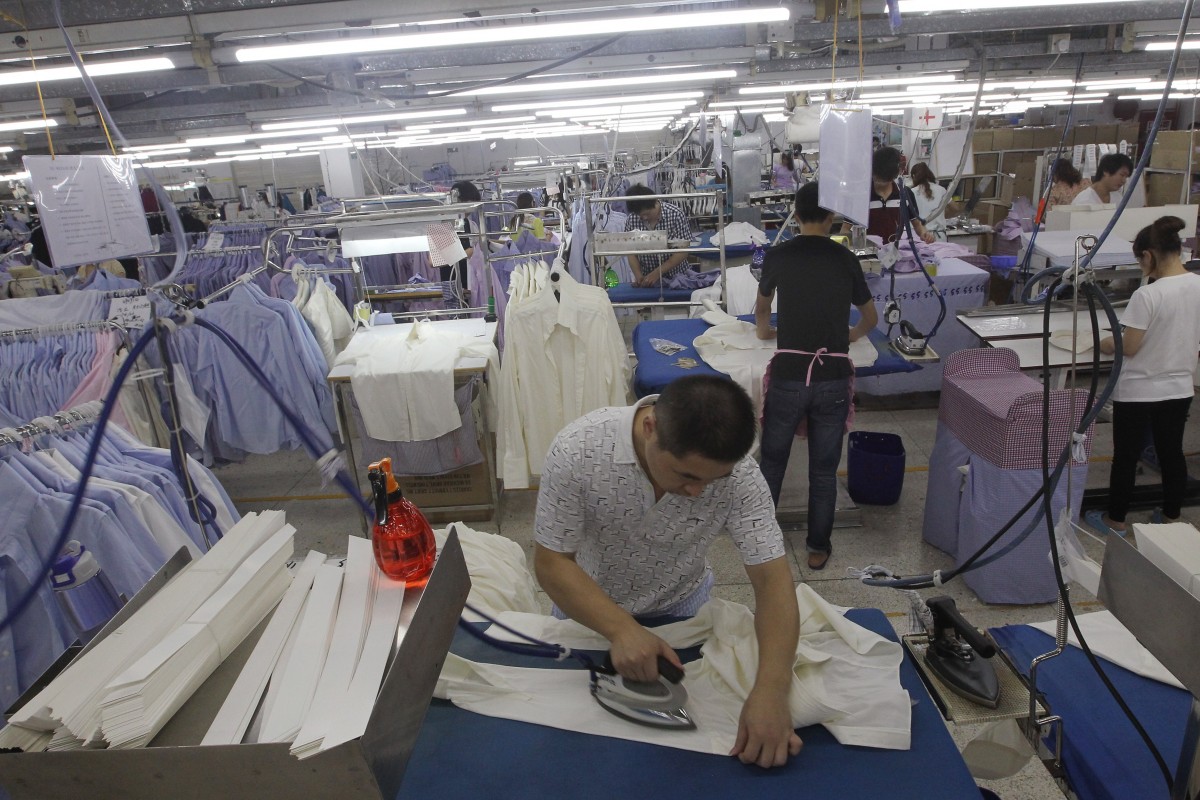
Economic: Covid-19 has reshaped many industries; some for the better, but many more for the worse. The garment industry has taken many early hits as clothing shopping (unlike grocery shopping) was not considered essential. Some that retrofitted their operation to mask production were able to rally but many parts of the clothing commodity chain have been negatively impacted (Source: South China Post).
Cultural: Wearing masks have become a critical part of the global fight against the pandemic. Some societies before the pandemic had strong mask-wearing cultures (like Japan), while other had cultural norms against wearing masks in public (like France). The pandemic is changing France and many Niqab-wearing Muslims have thoughts on masking wearing and connected cultural issues (Source: NPR podcast).
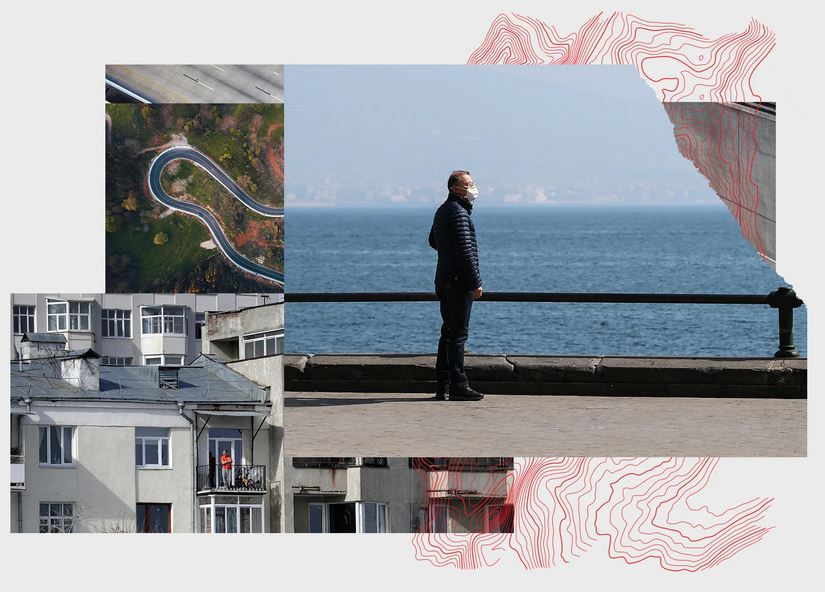
Mapping: We’ve seen so many maps stemming from the spread of COVID-19, but these maps have us reconsider our neighborhoods and our places of interaction during pandemic were all the “normal” rules of interaction got upended. How 2020 Remapped Our Worlds (Source: CityLab).
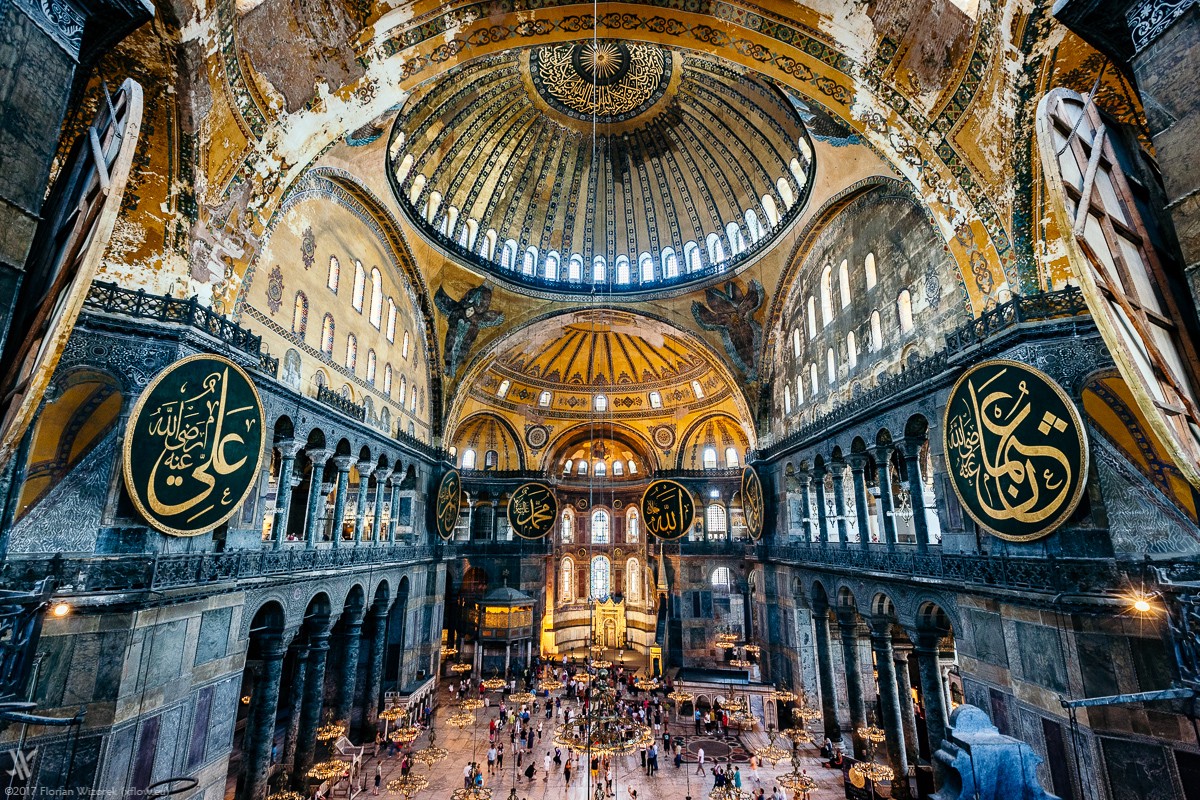
We often think of the only what we can see as a part of the landscape, but often forget that the cultural landscape can be a full sensory experience. The architecture of the Hagia Sophia is recognized as a iconic landmark, but the acoustics of the building are a major part of the creating the experience of being in that place. Once a cathedral, then a mosque, and now a museum, this building is one of the classic examples of sequent occupance. This NPR podcast shows how some have recreated the soundscapes of the Hagia Sophia, back when is was the preeminent medieval Christian place of worship. This YouTube playlist has the Capella Romana’s album, The Lost Voices of the Hagia Sophia.
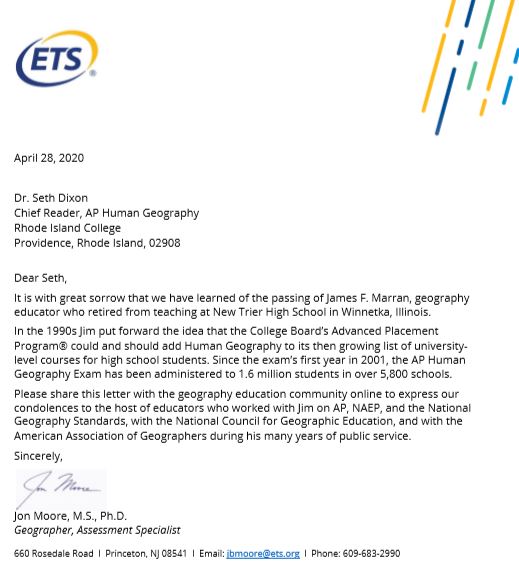
Last year, I was considering ways to get some of the “ancestors” of AP Human Geography to the reading. Alec Murphy was the Professional Development Night speaker at the 2019 APHG reading. I was hoping to have James Marran address the APHG reading community but he has passed away. ETS has asked me to share this letter to remember him as a pioneer for the APHG community and geography education.
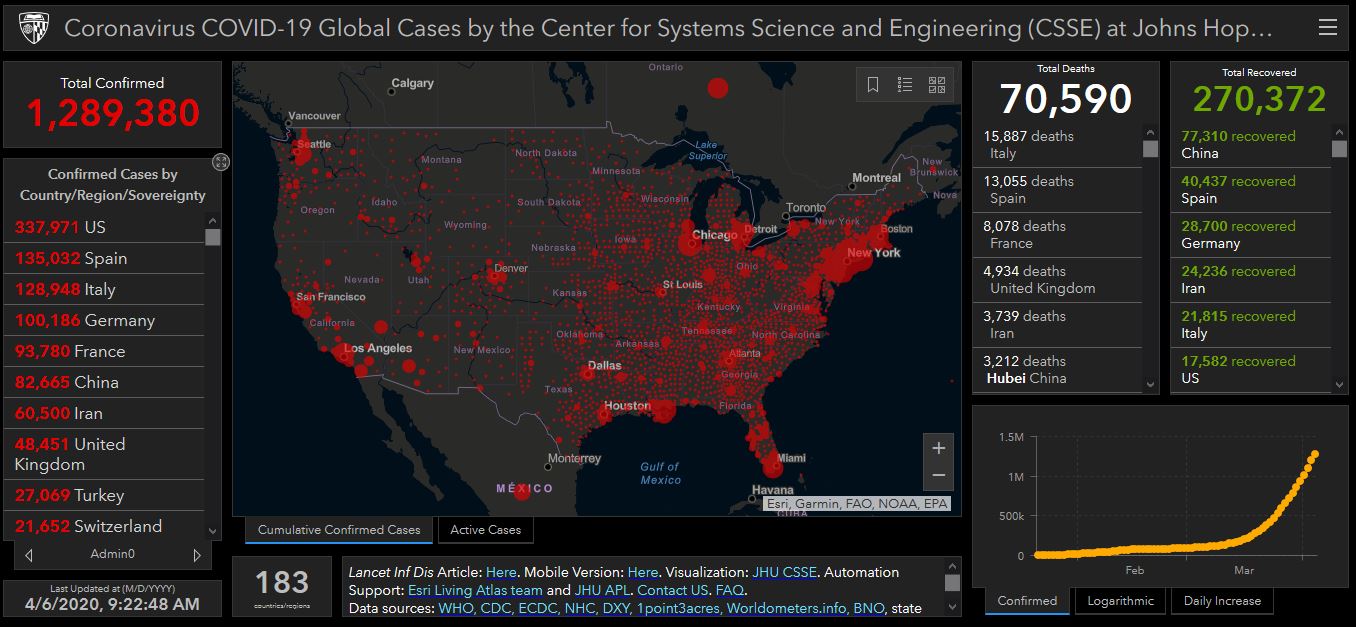
As I mentioned in my last Coronavirus post, there are geographic factors and implications everywhere when dealing with this truly global issue that has profoundly local ramifications. True, I am guilty as charged if I stand accused of seeing geography everywhere, but now even non-geographers are seeing geography, place, distance, regions, interactions, and connections as more important than ever. I would like to share three additional resources that point to the centrality of geographic thought to all that is happening these days:
These three resources show that geographic factors were more than just a part of the origin and diffusion of the Coronavirus; geographic tools and analysis are front and center in local, national, and global responses to the situation. A former student of mine put together the RI Dept. of Health dashboard and I was delighted to see her love of mapping spatial data help my state during this time of crisis. Our ‘personal space’ means much more during social distancing as our spatial settings are at the forefront of our thoughts as we move through our neighborhoods and navigate through space with greater concern. The forces that have made the world more interconnected are the same forces that are requiring that we stay apart. May we also think more geographically as we consider the problems at a bigger scale as we have seen how many things need to be restructured.
There are far too many geographic issues that stem out of the Coronavirus pandemic to create anything close to comprehensive, but I wanted to share some of the articles that caught my eye recently because they touch on particularly geographic themes. So, this will not give a global overview, predictions, or breaking news, but some of the underlying issues and questions that we are now grappling with as so many are now in some form of self-isolation.
MAPPING: The best, introductory-level walk-through of how to map the Coronavirus uses ArcGIS online, and has interactive layers that are updated daily, so you don’t have to recreate the wheel for every time new data gets released. If students are familiar with ArcGIS and already have an account, this is worth having them explore it to learn cartographic techniques.
ENVIRONMENT: There are a host of unintended consequences in natural systems, and when one part of the system, gets altered, there are some down-stream impacts. This article in the Atlantic discusses some of the environmental impacts of the mass shutdown of normal human activities (1-less pollution, 2-less seismic activity, 3-quiter urban environments).
DEVELOPMENT: The impacts of COVID-19 are clearly uneven; countries and cities that are the most globally connected might benefit usually economically from these connections, but are facing one of the times that this connectivity is a threat to the community. India, by and large through March 2020, managed to avoid making global headlines, but as the world’s second largest population with some incredibly dense megacities, many are asking how the Coronavirus will impact India in the coming weeks.
URBANIZATION: In the United States, the densest counties have been the most impacted by COVID-19 while rural areas have need been as heavily impacted (by and large—rural counties with ski resorts are one prominent exception to this generalization). Some are discussing urban density in the time of a pandemic, and there are calls to rethink densely populated cities. This article from CityLab also discusses the density as a key issue in the transmission of disease, but it is quick to point out other factors that lead some hyper-dense cities to effectively control the spread as well.
CULTURE: To wear a mask, or to not wear a mask? Why is this a question that seems so controversial? As more time goes by, we see that wearing a mask to prevent the spread of a disease is not just a medical issue, but also a cultural issue. Some cultures are uncomfortable with the idea of covering part of face in public and some react against the concept because of the cultural connotations that go along with mask-wearing. Other societies see if as a prudent way to do your civic duty. Many are reconsidering their cultural norms that they associate with masks as COVID-19 continues to expand into more communities.
DIFFUSION: This video centers on the beginnings of the spread of the Coronavirus and the origins in Wuhan. I’m very sensitive to the fact that many discussions about its origin in China can quickly go down some racist paths. This Vox video explains the wet markets of China as a likely source of infectious disease without veering into racist assumptions. This interactive from the NY Times explains how the disease spread beyond China.
Stay healthy, stay safe. I miss other humans, and being social. I think everyone wishes things were different, but geography and spatial analysis is one of the key lenses that we need to come out on the other end of this. I hope that we can come out of this more united as members of the human race with a greater resolve to work together to solve global issues.



 As I mentioned in my