Search

GEOGRAPHY EDUCATION

Supporting geography educators everywhere with current digital resources.

Author

sethdixon

I am a geography professor at Rhode Island College.

This is how our favorite foods look in their natural habitats

We know how to harvest potatoes and apples. There are other fruits and vegetables, however, which have natural habitats we can barely imagine. We see these items in the grocery store every day, but often we have no idea how they got there.

Source: brightside.me

This set of teaching images hammers home how natural items become commodities that are removed from their original context.  The fact that these foods are somewhat difficult to recognize shows just how most consumers have been removed from the full geographies of their food.  


Tagsfood production, images, agriculture, foodeconomic.

As Sweden Absorbs Refugees, Some Warn The Welcome Won’t Last

For decades, Sweden has served as a haven for those fleeing war and persecution the world over. But the country’s traditionally liberal acceptance of refugees is now being questioned. Some 160,000 asylum seekers arrived in the country last year alone, stretching its resources. Sweden’s idealistic culture is starting to show cracks.


Tagspodcast, culture, Sweden, refugees.

Source: www.npr.org

Utah’s Great Salt Lake is shrinking

Human activity is playing a role in the dwindling size of Utah’s Great Salt Lake, according to new research.While the research group acknowledged the role that climate fluctuations, such as droughts and floods, have played in the shift of the lake’s water levels over time, the decrease in the lake’s size is predominantly due to human causes. According to the report, the heavy reliance on consumptive water uses has reduced the lake level by 11 feet and its volume by 48 percent.


Tags: physical, Utah, environment modifyenvironment, water.

Source: www.accuweather.com

11 incredible wilderness photographs from the 1800s

“Early American wilderness photographers were snapping gorgeous vignettes of mountain peaks and sunrises before Instagram’s 1977 filter was even a thing. But, aside from their timeless appeal, the true value of these nineteenth-century photographs is derived from their role in the American conservation movement.”

Source: wilderness.org

Many National Parks (especially Yellowstone and Yosemite) are special to me because my grandparents took me there–these trips inspired in me a deep awe for the wonders of this Earth.    We owe a great debt of gratitude to these early photographers whose work captivated a nation to start a conservation ethos to protect wilderness.


Tags: place, images, art, landscape, California 

I Have Been to the Mountaintop

Audio http://www.americanrhetoric.com/speeches/mlkivebeentothemountaintop.htm

Source: www.youtube.com

On April 4, 1968 Martin Luther King Jr. was assassinated.   Shared above is his last speech given the day before he died in Memphis, Tennessee.


Tags: historical, race, poverty

$75 a day vs. $75,000 a year: How we lost jobs to Mexico

“A college-educated, manufacturing engineer makes $1,500 a month working the production line at a GE plant in Mexico (about $75 a day). A typical manufacturing engineer that works for GE in the United States makes nearly $75,000 a year, (about $312 a day … or 4X the rate in Mexico).  That wage gap can easily explain why so many manufacturing jobs have left the United States. Since 2000, the U.S. has lost about 5 million manufacturing jobs.  Manufacturing has crossed the Rubicon — or Rio Grande — and it’s hard to see those jobs returning to the U.S.”

Source: money.cnn.com

A huge wage gap between American and Mexican workers stands center in the debate over how the U.S. has lost so many blue collar jobs.  We can bemoan the loss of manufacturing jobs in the United States, but it is incredibly unlikely that low-skilled manufacturing will become a viable means to achieve a middle class income in the future because of fundamental shifts in economic geography.  


Tags: industrymanufacturing, economic, North America, labor, USA, Mexicoglobalization, technology.  

Why are there SO MANY mattress stores — and how do they stay in business?

The showrooms appear to always be empty — how do they stay open?

Source: wreg.com

It is a sorry state of affairs when voters are tired of hearing about the U.S. presidential candidates and would prefer to discuss the seemingly inexplicable proliferation of mattress stores.  Seriously though, this is a good example of a spatial question that explains things about the world. 


Tagsspatial, industry, economic.


How Buddy Hield’s game grew in the Bahamas

Buddy Hield grew up in the Bahamas with six siblings, building his own hoop as a youngster. His sister, Coco, says Hield “brought life to all of us.”

Source: espn.go.com

Here is some geographic context for the biggest star in the NCAA’s Final Four basketball tournament. 


Tag: sport, Bahamas.

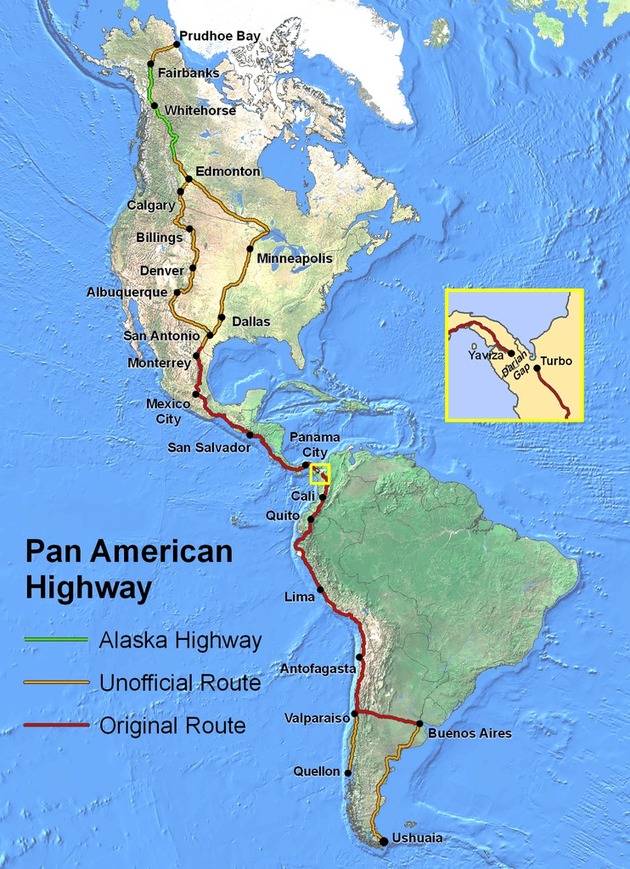
32 Maps That Will Teach You Something New About the World

Our world is a complex network of people, places and things. Here are 32 maps will teach you something new about our interconnected planet.

Source: twistedsifter.com

Some of these maps are more compellling than others (like all lists like this) but some are really telling.  The map above shows the dense concentration of tech corporate headquarters in Silicon Valley/San Francisco. 


Tagstechnology, map, map archive

Create a free website or blog at WordPress.com.

Up ↑