Search

GEOGRAPHY EDUCATION

Supporting geography educators everywhere with current digital resources.

Category

Scoop.it

The history of African-American social dance

Why do we dance? African-American social dances started as a way for enslaved Africans to keep cultural traditions alive and retain a sense of inner freedom. They remain an affirmation of identity and independence. In this electric demonstration, packed with live performances, choreographer, educator and TED Fellow Camille A. Brown explores what happens when communities let loose and express themselves by dancing together.

Source: www.youtube.com

Dance is more than just a way to have fun; dance reflects cultural forms of expression and communal identity.  This Ted-Ed talk demonstrates the rich cultural heritage that can be seen in particular cultural traits (such as food, clothing, dance, music, etc.).  This is bound to be a fun, vibrant way to show the how cultural patterns and processes play out using something that young people generally enjoy. 


Tags: culturediffusion, popular culture, music, race, historicalthe South, TED, video.

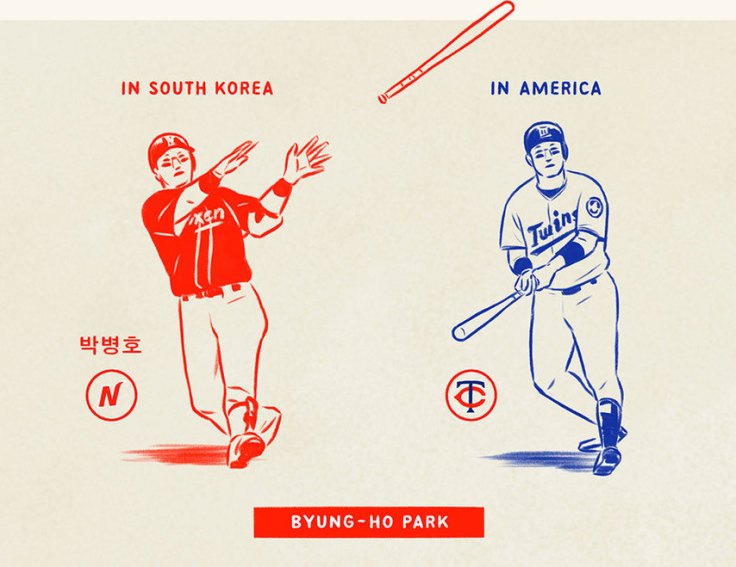
The great Korean bat flip mystery

MLB’s code is clear: Flip your bat and you’ll pay. But in South Korea, flips are an art. How does this alternate world exist? And what does it say about us? Writer Mina Kimes trekked across South Korea with illustrator Mickey Duzyj to unravel the mystery.

Source: www.espn.com

There are unwritten rules in Major League Baseball, or in geographic terms, there are are cultural norms that are informally enforced to maintain homogeneity and to prevent  cultural drift.  Jose Bautista’s repuation as a villain has much to do with his rejection of a key MLB unwritten rule–Never ‘show up’ the pitcher by flipping the bat.  In South Korea, typically a country much more associated with cultural traditions of honor and respect than the United States, bat flipping is much more accepted and common (diffusion plays a role in the story–baseball came to South Korea via Japan).  This is an interesting story about South Korean baseball’s cultural norms that might intrigue some sports fans. 


Tags: sport, popular culturediffusion, culturecultural norms, South Korea, East Asia.

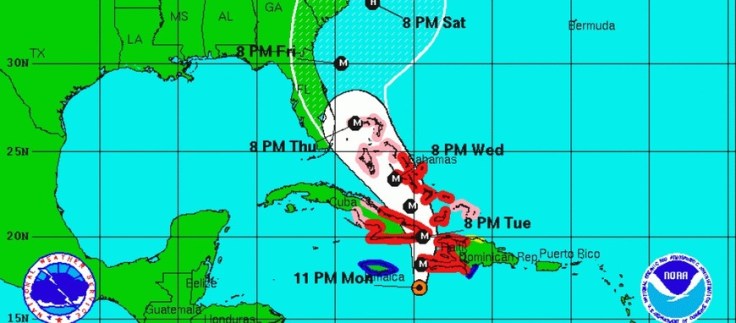
Hurricane Matthew-Humanitarian Mapping

“The Humanitarian OpenSteetMap Team (HOT) has activated to provide geographic base data in areas affected by Hurricane Matthew. Category 4 Hurricane Matthew continues to strengthen and is advancing on Haiti and the Bahamas. Hurricane Matthew is expected to cause ‘catastrophic‘ damage including extreme flooding and landslides potentially affecting millions in Haiti, Jamaica, and Bahamas. To start we are mapping coastal communities in the storm path.”

Source: hotosm.org

Want to see geographic knowledge and geospatial skills in action?  Crowd-sourced mapping is increasingly an important resource during an emergency.  Poorer places are often not as well mapped out by the commercial cartographic organizations and these are oftentimes the places that are most vulnerable to natural disasters.  Relief agencies depend on mapping platforms to handle the logistics of administering aid and assessing the extent of the damage and rely on these crowd-sourced data sets.  My students and I are working on this over the weekend; can you join in and help?  The projects that are marked urgent by the Red Cross are all in Haiti right now.  Here are is a video playlist that explains the project and how you can help if you are new to OpenStreetMap (OSM).


Tags: disasters, mappingSTEM, physicalHaiti, weather and climate.

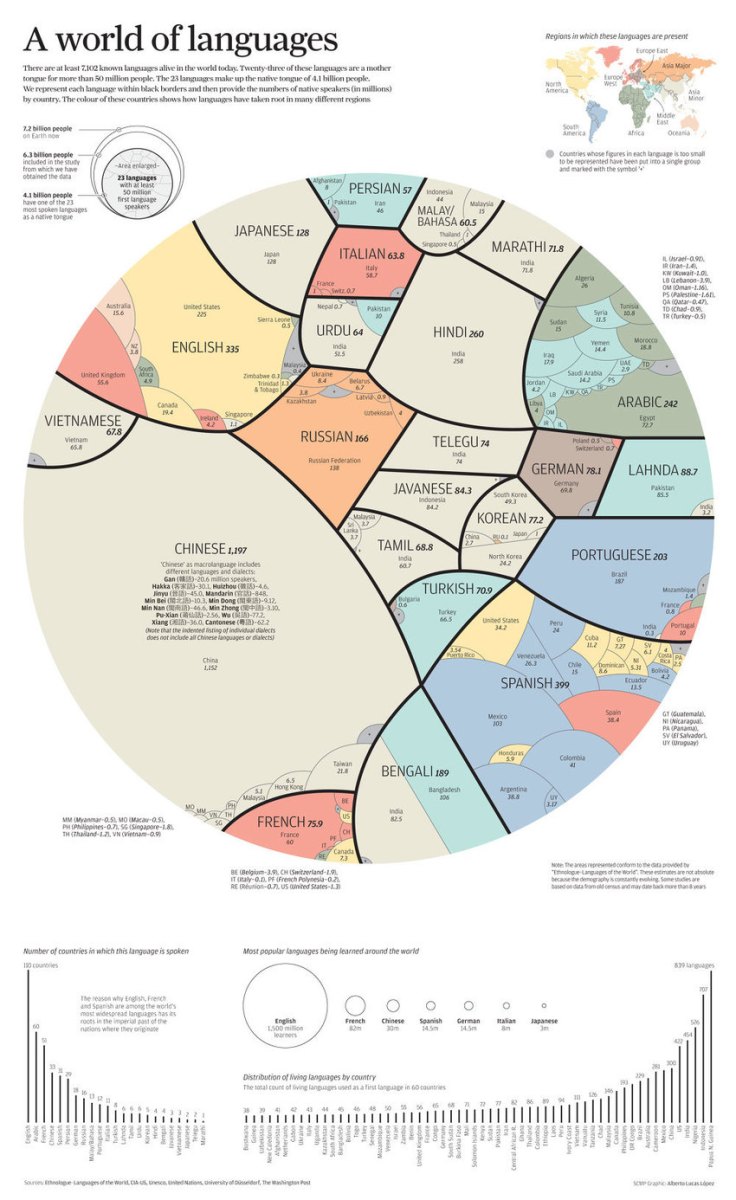
The world’s most spoken languages

Source: matadornetwork.com

This infographic is a great way to visualize the dominant languages on Earth.  Since this only counts one language per person, mother tongues are listed.  Consequently, lingua franca’s such as English and France are smaller than you might have presumed them to be.  


Tags: language, culture, infographic.

Why Hurricane Categories Make a Difference

During a hurricane you usually hear meteorologists refer to its intensity by categories. If you don’t know the difference between a category 1 and a category 5 hurricane, The Weather Channel meteorologist Mark Elliot breaks it down for you.

Source: www.youtube.com

With Hurricane Matthew having just hit Haiti (video) and Cuba, it now poised to strike Florida. Many are unsure what the term “category 4” actually means because they are unfamiliar with the Saffir-Simpson Hurricane Wind Scale.  This video is a good introduction to what this means to people in the path of the hurricane. As we monitor this (and future) situation, these are my favorite digital globes that display wind speeds and a few other of Earth’s physical systems. What is beautiful and majestic from one scale can be horrific and catastrophic at another:    


Tagsphysical, weather and climatedisasters, mapping, visualization.

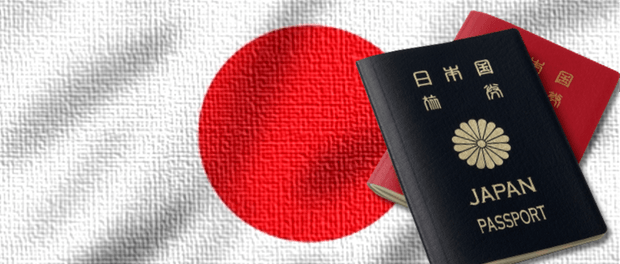
Getting Japanese Citizenship

“To become a Japanese citizen, a foreigner must display ‘good conduct’, among other things. The rules do not specify what that means, and make no mention of living wafu (Japanese-style). But for one candidate, at least, it involved officials looking in his fridge and inspecting his children’s toys to see if he was Japanese enough (he was). Bureaucratic discretion is the main reason why it is hard to get Japanese nationality. The ministry of justice, which handles the process, says officials may visit applicants’ homes and talk to their neighbors.”

Source: www.economist.com

Japan has a remarkably homogeneous population, in large part because they have very tight immigration laws (here is a more extended list of the requirements to obtain a Japanese citizenship).


Questions to Ponder: How is the notion of Japanese citizenship different from American citizenship?  As Japan’s population continues to decline, how might that change Japan’s migration/citizenship policies?   


Tags: JapanEast Asia, place, perspective, cultural norms, culture.

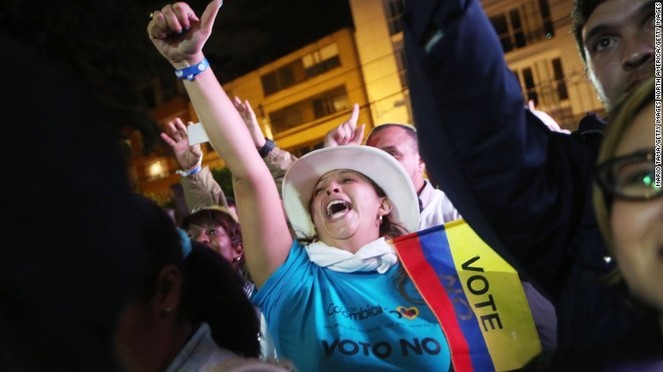
Colombia rejects FARC deal: What’s next?

“A narrow win for Colombia’s opponents to a government peace deal with FARC rebels has thrown the country into disarray, leading one journalist to starkly declare, ‘Nobody really knows what will happen tomorrow.’  Likened to the fallout from the United Kingdom’s ‘Brexit’ referendum, the vote’s unexpected failure has left the Colombian political classes reeling and unsure how to respond in order to save four years of hard negotiation with the Marxist militia.”

Source: www.cnn.com

The Colombian peace negotiations with FARC (the insurgent rebels in drug producing regions) were hailed as the key for Colombia to move past it’s violent, drug-cartel past and move into the future.  As the Colombian population rejected the deal by the slimmest of margins (50.22% against), it leaves the government “without a Plan B.” There are more questions than answers at this point about what might happen (if you are asking what’s FARC?, then this primer will walk you through it). 


TagsSouth America, Colombiapoliticalnarcotics, conflict.

Mekong Delta fights losing battle against salt water

Vietnam’s rice region is facing the worst drought to date. Over half a million people have been affected, and the country could lose one million tons of its staple food.Leaders of six countries along the Mekong River met in China to discuss the relief measures.

Source: www.youtube.com

Economic progress for some often entails job loss and environmental degradation for others.  As dams upstream are slowing the flow of the Mekong River, the low-lying delta that is a rich agricultural region is facing the ocean water that is moving further inland.  The once isolated and remote Mekong is experiencing some impacts of globalization. 


Tags: fluvial, waterVietnamagriculture, SouthEastAsia.

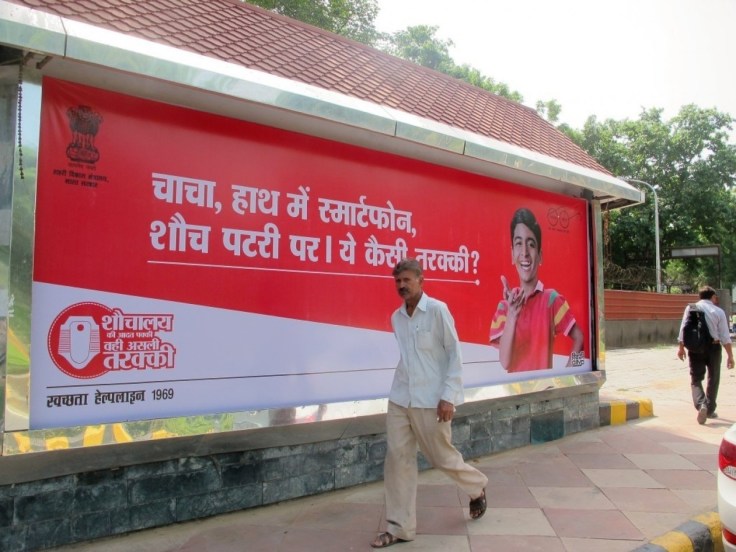
India’s campaign to change cultural practices

“Television commercials and billboards now carry a message that strike at the heart of the Indian contradiction of being the world’s fastest-growing major economy and also where relieving oneself in the open is the norm in most villages. Research shows that one of the reasons for the stubborn social practice is the centuries-old caste system, in which cleaning human waste was a job reserved only for the lowest caste. Having a toilet at home is still considered unclean by many villagers. They regard it cleaner to go to the open farms, which can cause water-borne diseases, the second leading cause of death of Indian children younger than 5.”

Source: www.washingtonpost.com

An aggressive new campaign is ridiculing those who are no longer poor but continue to defecate in the open–even this UNICEF campaign (some language and low-brow humor, so use your own discretion) is working hard to change the cultural patterns and practices surrounding defecation and sanitation.  There are more cellphones than toilets in India and the lack of adequate sanitation and toilets is serious enough that that Prime Minister Narendra Modi has made building toilets a national priority.  Comics are using their platform to bring this issue of uneven development to light. 54% of people in India do not have regular access to toilets and these comedians are using their platform to not only get some laughs, but to advocate for social change. 


Tagsdevelopment, poverty, India.

Create a free website or blog at WordPress.com.

Up ↑