Seth Dixon‘s insight:
See on www.youtube.com
“With Europe sputtering and China costly, the ‘stars are aligning’ for Mexico as broad changes in the global economy create new dynamics of migration.”
I’ve posted earlier about the end of cheap China; the rising cost of doing business in China coupled with the higher transportation costs to get goods to North American and European markets have made manufacturing in Mexican much more competitive on the global market. Many investors are turning to Mexico as an emerging land of opportunity and Mexico is now a destination for migrants. This is still a new pattern: only 1 percent of the country is foreign-born compared to the 13 percent that you would see in the United States. Mexican migration to the United States has stabilized; about as many Mexicans have moved to the U.S. (2005-2010) as those that have moved south of the border.
See on www.nytimes.com
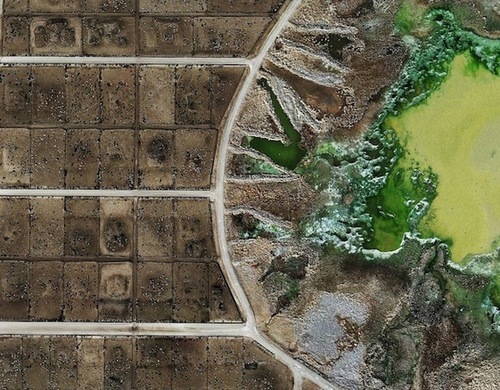
“Feedlots, a new series of images crafted by British artist Mishka Henner, uses publicly available satellite imagery to show the origins of mass-produced meat products.”
Tags: Food, agriculture, agribusiness, unit 5 agriculture.
Beautiful imagery at one scale tells an unsavory story at another.
See on www.wired.com
As a kid, I grew up watching the Rocky movies, shadow boxing with my brothers and doing push-ups during the workout montages. One on my favorite montages was in Rocky II when Rocky runs through the whole city of Philadelphia, thronged by adoring fans as he runs to the top of the stairs to the Philadelphia Museum of Art (and yes, of course I re-enacted that scene when I was there).
I was thrilled to reading an article in the Philly Post by Dan McQuade entitled “How Far did Rocky Go is His Training run in Rocky II?” This article identifies the locations that were used in the movie to evoke such a strong sense of place. Earlier versions of this article did not have a map and I wanted to see the images and the map together. That was enough of a reason for me to make both an online map on arcgis.com and an interactive web mapping application with an ESRI storymap template.

The online map opening in arcgis.com as has sequential pop-ups that show images from the run. Nice, but not quite what I had envisioned.
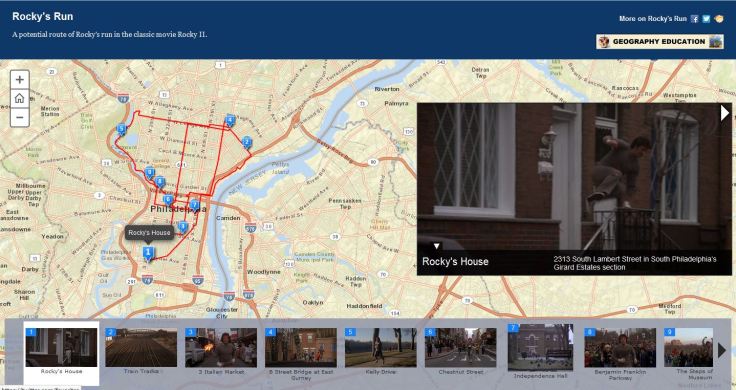
This ESRI storymap allows the user to more freely move between the pictures, map and text. More and more, we are seeing that maps can help us tell stories. If you would like to learn how to create your own storymap, read this earlier article I posted for my mapping students.
Tags: cartography, mapping, visualization, urban, place.
See on geographyeducation.org
Overpopulation is a term that is often used and many assume that global population growth is a ‘population bomb’ to will be one of the major problems in the next 50 years. Some researchers argue that the problem is overstated; in this 20 minute lecture geographer Danny Dorling says that overconsumption is the real issue, not population growth per se. In this New York Times article, geographer Earle Ellis discusses how the world’s carrying capacity expands with technological advances and that demographic statistics show that growth won’t continue forever. Others fear that humanity will outstrip the world’s carrying capacity, including the letters to the editor responding to the original NY Times article.
Questions to Ponder: Do you see population growth as a looming problem that will negatively impact humanity? If so how much should we be concerned?
Tags: population, demographics.
See on www.youtube.com
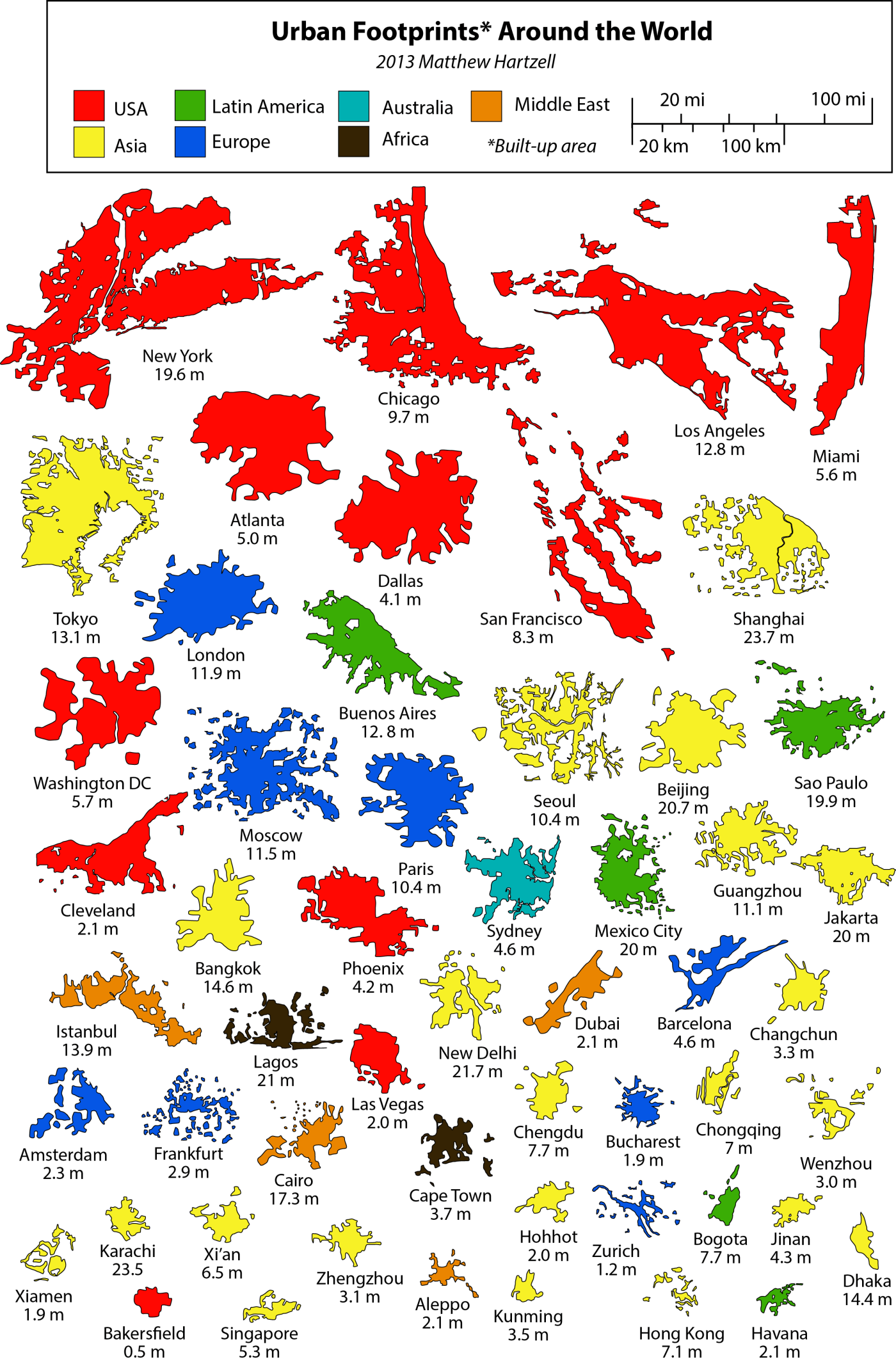

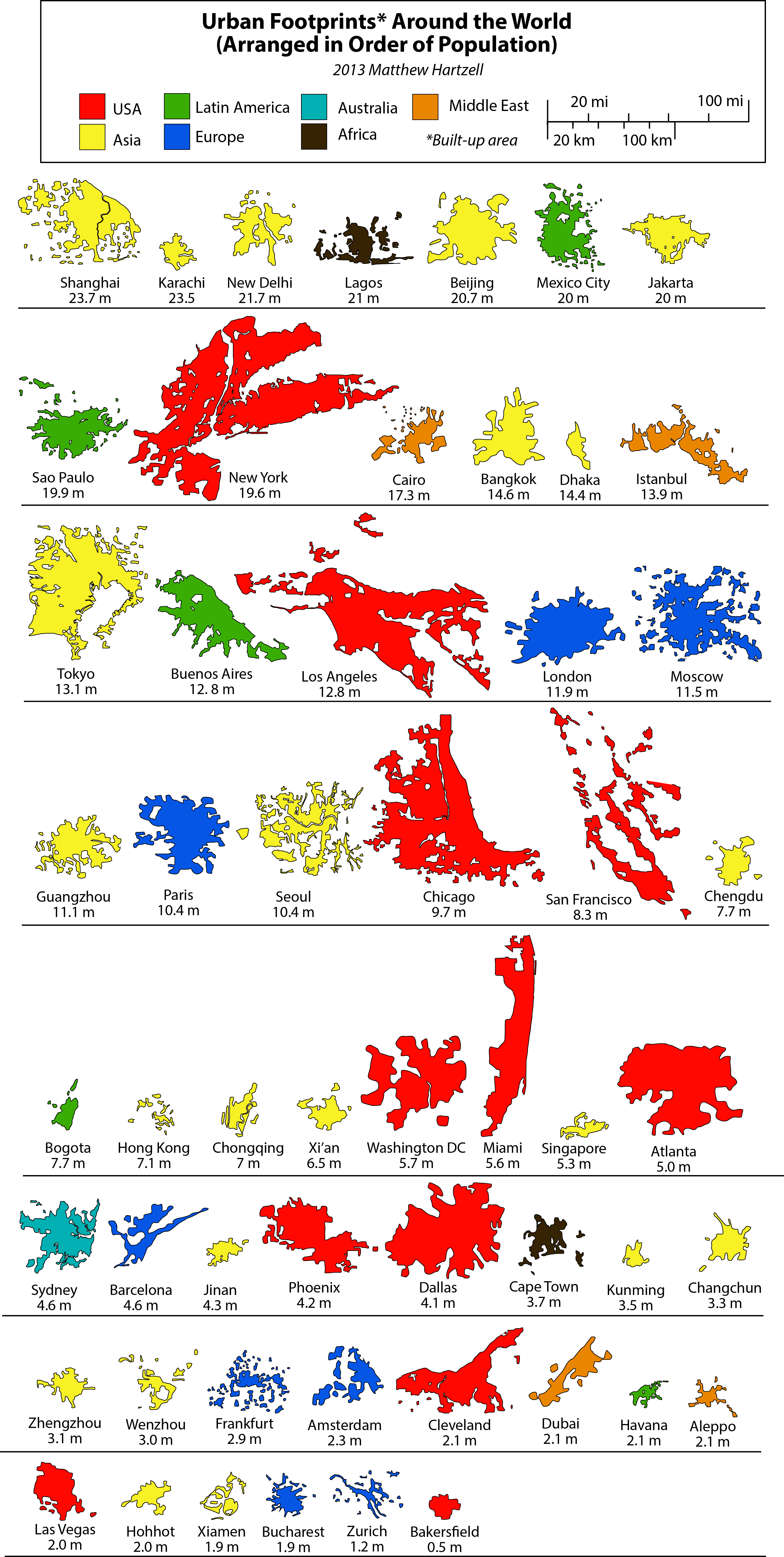

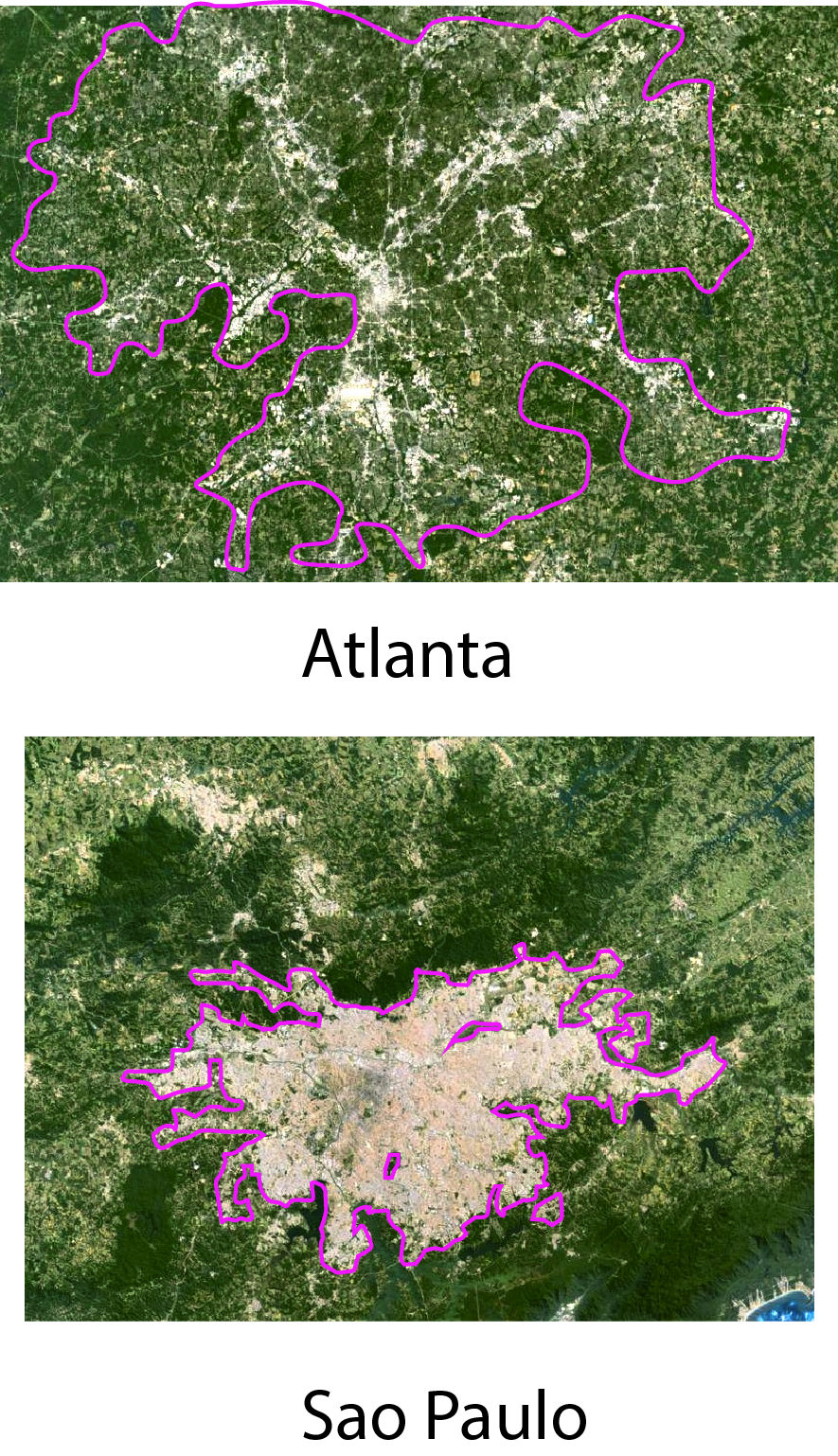
In the Winnie the Pooh Movie Pooh’s Grand Adventure, the character Rabbit has absolute confidence in the printed word and especially the map.
Questions to ponder: How much do we trust any given map? How much should we trust a map (or the printed word)? What makes a document reliable or unreliable?
Tags: mapping, perspective, K12, video.
See on www.youtube.com
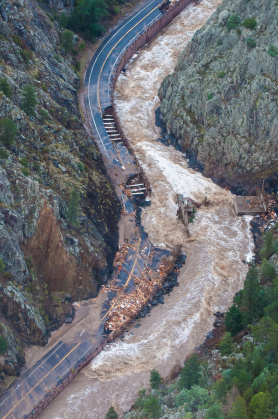
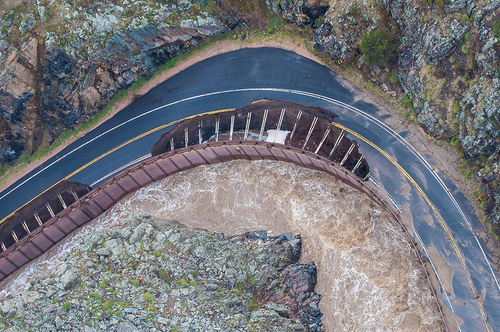
BOULDER, Colo. — National Guard helicopters were able to survey parts of Highway 34 along the Big Thompson River Saturday. Here are some images of the destruction along the roadway.
This photo gallery would be stunningly gorgeous if it weren’t horrifically terrifying. When the landscape changes this dramatically in a short time span, watch out.
Tags: physical, environment, water,disasters, geomorphology, erosion, images.
See on kdvr.com
“Two things that helped make this rainfall historic are breadth and duration. Colorado can get much higher rainfall rates for brief periods and over small areas.”
Our thoughts are with our colleagues and friends in Colorado as they are dealing with the impact of this historic weather event. The geographic factors that contributed to this flooding are explained in this article from the University Corporation for Atmospheric Research (UCAR). Some are calling this a millennial flood, as it is well past the 100-year stage of flooding.
Tags: physical, disasters, environment, water, weather and climate.
See on www2.ucar.edu