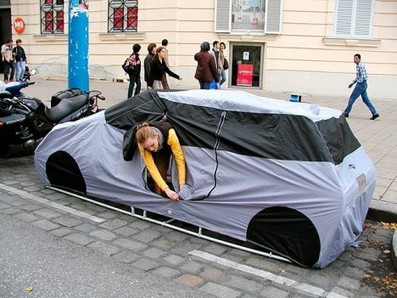
Everyone searching for a parking space has at one time felt that there are not enough spaces where and when you need them…did you know that their are at least 3 surface lot parking spaces for every car in the United States (not including garages, driveways, etc)? With 250 million passenger vehicles for 316 million people, that means there are 800 million surface lot parking spaces (that account for only 60-70% of our parking needs). Parking, and the ways in which parking is subsidized, are much bigger issues than many want to believe, especially when cars are given breaks that people don’t. We cant forget that there is a high cost for free parking.
“GeoInquiries are designed to be fast and easy-to-use instructional resources that incorporate advanced web mapping technology. Each 15-minute activity in a collection is intended to be presented by the instructor from a single computer/projector classroom arrangement. No installation, fees, or logins are necessary to use these materials and software.”
ESRI has produced GeoInquires for Earth Science, History and now a complete set of AP Human Geography GeoInquiries. I was grateful to be a part of the team that created these exercises; we believe that APHG should not just teach students about GIS, but be used to teach geography. These GeoInquiries are an easy on-ramp since the were designed for students and teachers without a GIS background.
The new counterterrorism coalition includes nations such as Pakistan, Turkey and Egypt as well as war-torn countries with embattled militaries such as Libya and Yemen.
This is too new for me to speculate as to the effectiveness or support that this new alliance will have. What are the national, regional, and global motives of each of these 34 states? I think we will all keep an eye on this moving forward.
“From treasure maps to smart phone apps, geography makes sense of our world by describing locations, patterns and relationships of the Earth’s natural and social systems — both past and present. Canadian Geographic’s editors, along with the help of a number of Fellows of The Royal Canadian Geographical Society and other experts, compiled this ultimate Canadian geography quiz to truly test you. Think you’re a geo genius? Prove it!”
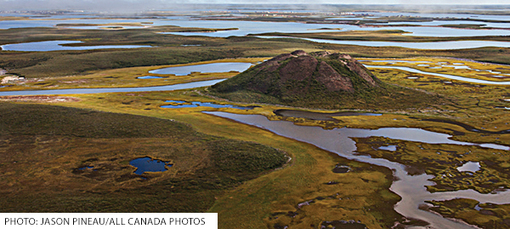
These are 50 HARD questions (any student not from Canada that gets over 50% right should pat themselves on the back). I will only give you one of the 50 answers since most of you have never been to the explore the frozen tunda; pictured above is a pingo. Pingos form when groundwater is pressurized and forced upward in a concentrated area by advancing permafrost. This groundwater-saturated sediment freezes and expands as it’s driven toward the surface, causing the earth above to bulge and eventually break open.
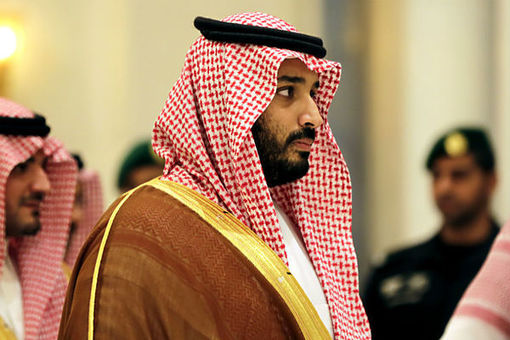
“On Saturday 12 December people in Saudi Arabia go to the polls. This is a rare event in itself, but on this occasion women in the country will be voting and standing for office for the first time in history. Voting for the municipal elections take place across Saudi Arabia, but we managed to speak to the first women to register to vote in the capital Riyadh.”
Tomorrow, Saudi women will have their first opportunity to vote. Voting power in this kingdom is limited but time will tell if this was merely a symbolic gesture of appeasement or the beginning of greater social changes.
In the unit on the political organization of space, one of the items listed to understand is the various forms of governance, including unitary, federal, and confederations.
Questions to Ponder: What are the advantages and disadvantages of each system? How do this impact the human geography and how does the human geography help to shape these governance systems? What real world examples can you think of for these categories?
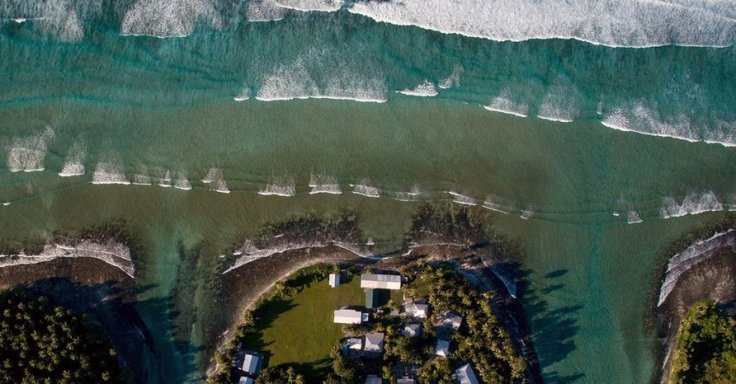
Most of the 1,000 or so Marshall Islands, spread out over 29 narrow coral atolls in the South Pacific, are less than six feet above sea level — and few are more than a mile wide. For the Marshallese, the destructive power of the rising seas is already an inescapable part of daily life. Changing global trade winds have raised sea levels in the South Pacific about a foot over the past 30 years, faster than elsewhere. Scientists are studying whether those changing trade winds have anything to do with climate change.
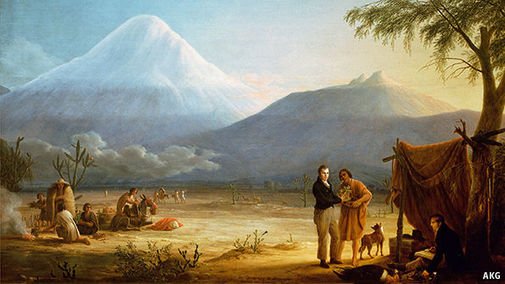
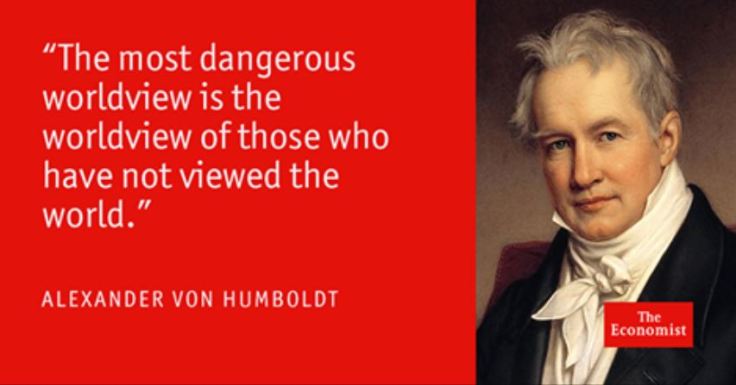
“On why a Prussian scientific visionary should be studied afresh…In a superb biography, Andrea Wulf makes an inspired case for Alexander von Humboldt to be considered the greatest scientist of the 19th century. Certainly he was the last great polymath in a scientific world which, by the time he died in Berlin in 1859, aged 89, was fast hardening into the narrow specializations that typify science to this day. Yet in the English-speaking world, Humboldt is strangely little-known.”
Alexander von Humboldt has been described as the last great ancient geographer concerned with understanding an eclectic cosmography as well as the first modern geographer. He is honored far and wide throughout Latin America and Europe, but given that intellectually people are confused as how to categorize him and classify his contributions, today he is under-appreciated. Geographers need to reclaim his memory and call his extensive, globetrotting work on a wide range of subjects ‘geography.’ Here is another article and TED-ED video on the most influential scientist that you might not have heard of (at least until today).