Search

GEOGRAPHY EDUCATION

Supporting geography educators everywhere with current digital resources.

Category

Uncategorized

Reefer Madness

“There are around 6,000 cargo vessels out on the ocean right now, carrying 20,000,000 shipping containers, which are delivering most of the products you see around you. And among all the containers are a special subset of temperature-controlled units known in the global cargo industry, in all seriousness, as reefers.

70% of what we eat passes through the global cold chain, a series of artificially-cooled spaces, which is where the reefer comes into play.”

Source: 99percentinvisible.org

I have written in the past about how containerization has remade the world we live in, but not much about the role of the refrigerated container (reefer).  So many economic geographies and agricultural geographies in the our consumer-based society hinge of this technological innovation.  This is yet another podcast from 99 Percent Invisible that is rich in geographic content.  


Tags: transportationfood distributiontechnology, globalization, diffusion, industry, economic, podcast.
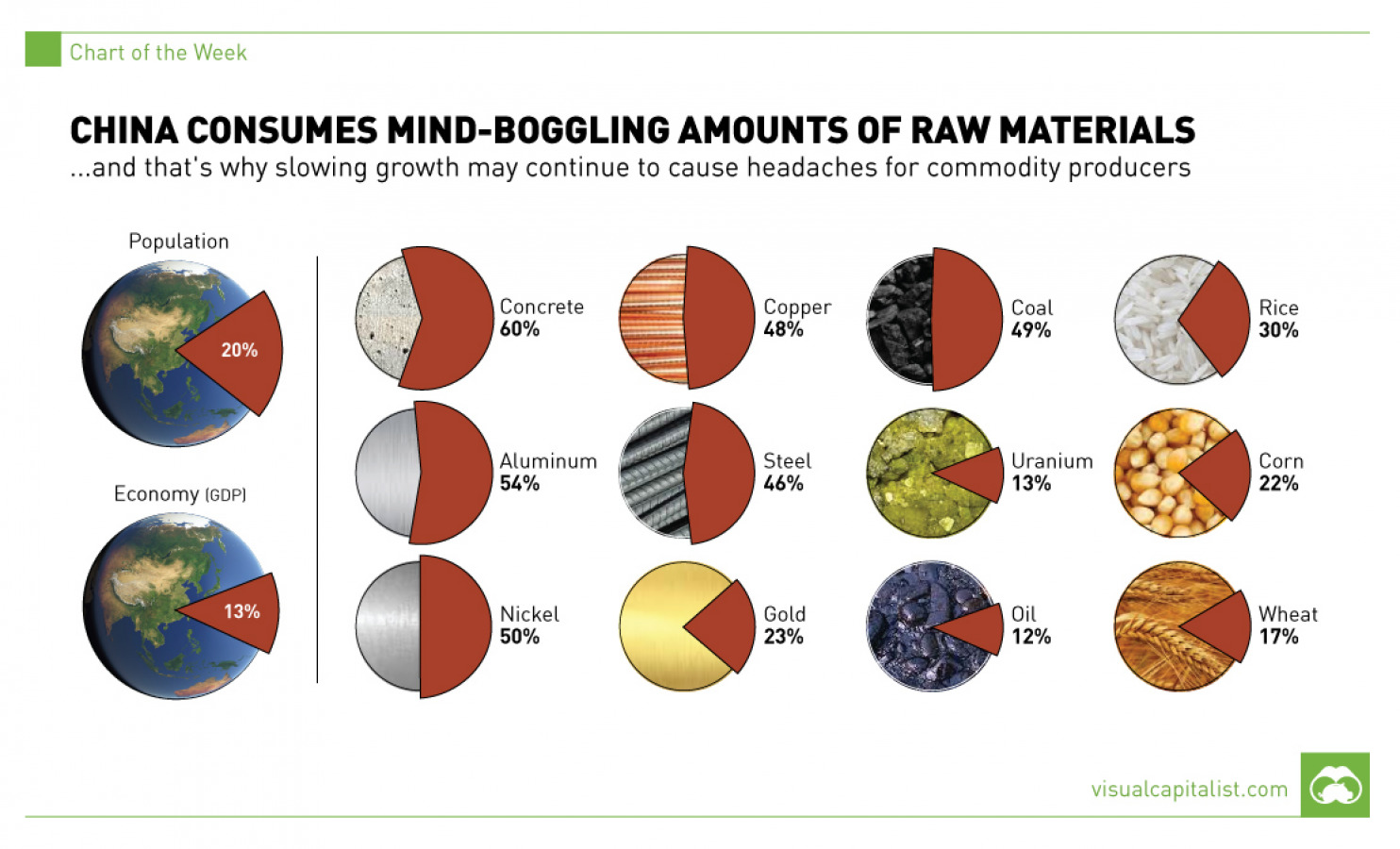
30 charts and maps that explain China today

“China’s mind-boggling size, economy and history, visualized.””

Source: www.washingtonpost.com

This article is an enjoyable hodge-podge of maps, charts and graphs that collectively attempt to explain China’s role the world today.  This is similar to, and complements this article which answers 7 question about China and the United States.  


Tags: economic, China, development.

Food Processing

“Trying to break a whole lamb into steaks and roasts in just a little over three minutes.”

Source: www.youtube.com

Where does our food come from?  As the global population becomes more urban, the percentage of our population that is more disconnected from their food sources grows.  Additionally, our economic system works to actively separate consumers from the unseemly parts of the commodity chains, in hopes that our propensity to spend money on more goods won’t decline.  All animals killed for human consumption go through some sort of butchering process before they become a meat product that we might recognize in the grocery store. 


Tags: foodeconomicfood production, agribusiness.

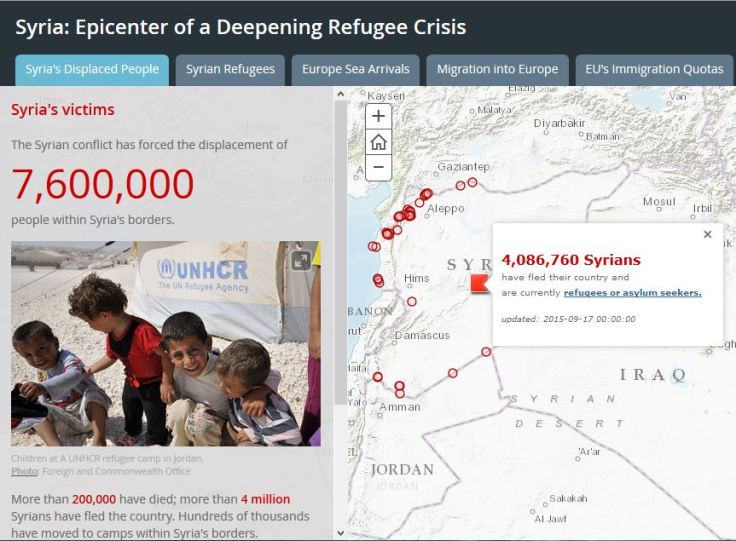
Syria: Epicenter of a Deepening Refugee Crisis

Thousands of refugees, many of them fleeing the brutal conflict in Syria, are streaming across Europe in search of safety and security.

Source: storymaps.esri.com

If you were hoping someone would make an interactive Story Map with 8 maps on the global refugee crisis, then this is absolutely for you.  While some of the data is centered on Syria and Europe, other maps are global in focus.  This is a VERY good example of a great web map.  

Tags: GIS, ESRI, mapping, cartography, geospatial, edtech, Syria, political, refugees.

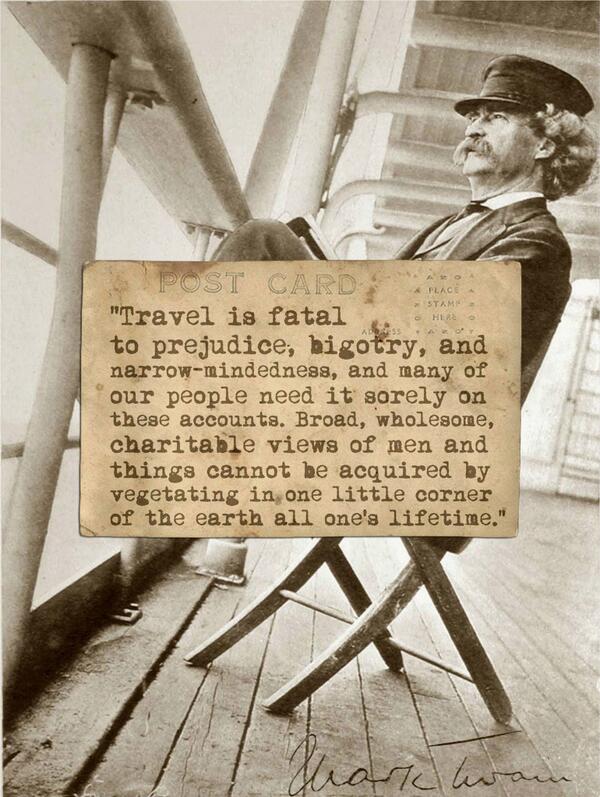
Practicing an Open Mind

“Travel is fatal to prejudice, bigotry, and narrow-mindedness, and many of our people need it sorely on these accounts. Broad, wholesome, charitable views of men and things cannot be acquired by vegetating in one little corner of the earth all one’s lifetime.”

Tags: place, tourism, geo-inspiration.

Source: www.familytrek.org

When China Rules the Sea

The United States is no longer the world’s only global naval power.

Why would China go to the trouble and expense of mounting an expedition to the northern climes in the Western Hemisphere? Because it sees value in staging a presence in distant waters. And because it can: Beijing no longer depends completely on its oceangoing battle fleet to ward off threats in China’s seas. It can now rain long-range precision firepower on enemy fleets from land. Ergo, the People’s Liberation Army Navy (PLAN) fleet can cruise the far reaches of the Pacific and Indian oceans or even beyond, without forfeiting China’s interests in waters close to home.  For China, the upsides of far-ranging maritime strategy are many and compelling, the downsides fewer and fewer.


Tagsgeopolitics, political, waterChina, East Asia.

Source: foreignpolicy.com

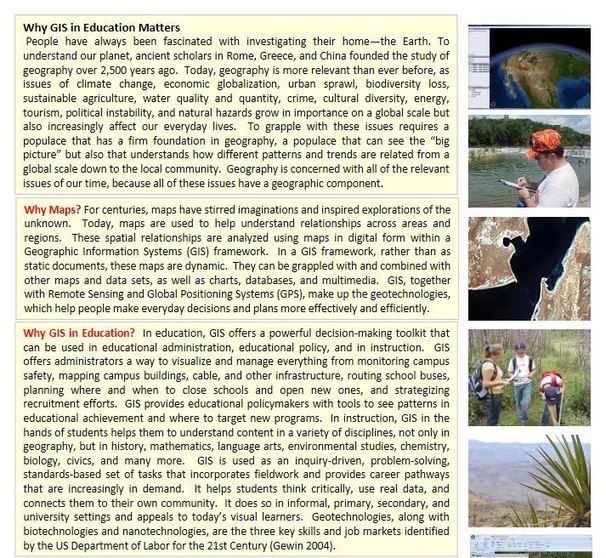
Why GIS in Education Matters

“I have recently updated a document entitled “Why GIS in Education Matters” and have placed it online.  It represents my attempt to provide the most compelling and important reasons to teach and learn with Geographic Information Systems in a concise document that takes up no more than both sides of a single page.  While we have discussed other documents, messages, lessons, and videos in this blog over the years that are tailored to specific educational levels, needs, and content areas, this document contains the “essentials” that I have found resonate with the widest group of educators.  These essentials include critical thinking, career pathways, spatial thinking, the whys of where, asking good questions, sustainability and green technology, and mapping changes over space and time.”

Tags: GIS, ESRI, mapping, cartography, geospatial, edtech, geography education, unit 1 GeoPrinciples.

Source: blogs.esri.com

Overpackaged Foods

Tagsfoodeconomicfood production, agribusiness, agriculture, unit 5 agriculture,

Source: instagram.com

Internal Migration in Mexico

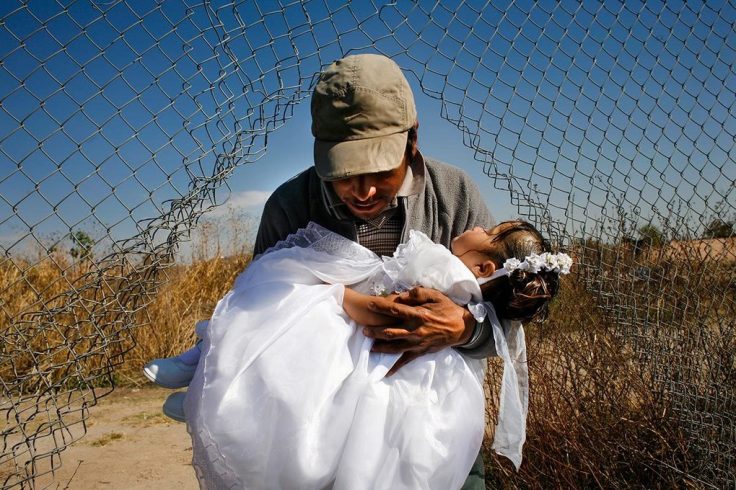
Mexico’s cities are ballooning in population while rural and indigenous communities, where there are still over 60 indigenous languages other than Spanish spoken, are disappearing. For many indigenous families, illiteracy and the powerful forces of racism and discrimination can often offset the lures that brought them to migrate to urban centers.

The northern border with the United States is not the only destination for Mexican migrants. For millions, the bustling cities, which offer hopes of better jobs and education lure many from their traditional rural, and often indigenous communities. What they find in the cities is a mix of hope and hardship.


TagsMexico, indigenous, economic, development, migration.

Source: migration.joshmeltzer.com

This interactive with over 20 video vignettes paints a powerful personal narrative of the lives of indigenous Mexicans who migrate to the larger cities of Mexico.  

Create a free website or blog at WordPress.com.

Up ↑