Search

GEOGRAPHY EDUCATION

Supporting geography educators everywhere with current digital resources.

Category

Uncategorized

Adventures in Population Growth

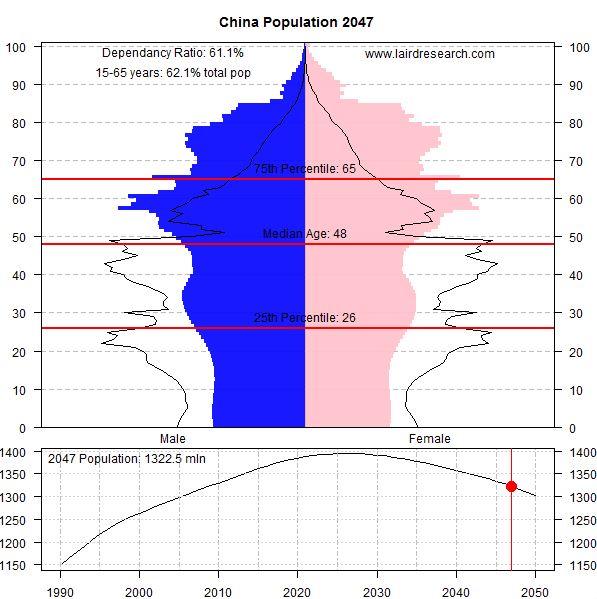
“The International Database at the US Census Bureau [provides] population estimates broken down by country, age and year for essentially every country. [With this data we can track] shifts in population makeup over time. I’ve created a few interesting graphs to show the expected shifts over the next 35 years, including the dependency ratio.”

Source: lairdresearch.com

This article has some excellent animated graphs and population pyramids to show some of the demographic changes that countries will be experiencing from now until 2050.  These animated GIFs are perfect teaching images.  
Tag: population, demographic transition model, APHG.

High Security Borders

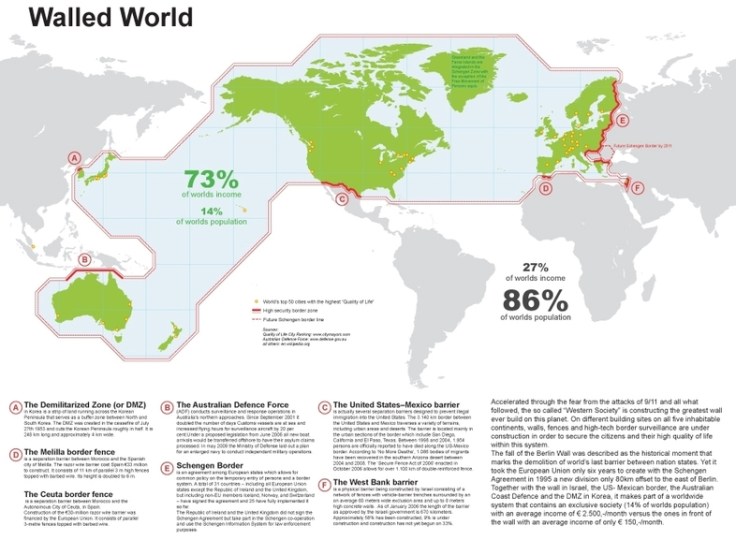
Accelerated through the fear from the attacks of 9/11 and all what followed, the so called ‘Western Society’ is constructing the greatest wall ever build on this planet. On different building sites on all five inhabitable continents, walls, fences and high-tech border surveillance are under construction in order to secure the citizens and their high quality of life within this system. The fall of the Berlin Wall was described as the historical moment that marks the demolition of world’s last barrier between nation states. Yet it took the European Union only six years to create with the Schengen Agreement in 1995 a new division only 80km offset to the east of Berlin.

Source: td-architects.eu

This map shows that hi-tech political surveillance of borders is highly correlated with the core areas of the global economy and some of the most attractive immigrant destinations. 

Questions to Ponder: What else do you see in this map?  What does this say about the world order?  Are there patterns that this map reveals/conceals?    

Tagsconflicteconomic, political, geopolitics, migration, map.

Teaching Cultural Empathy: Stereotypes, World Views and Cultural Difference

“I am torn about how to teach these two ideas about cultures and societies all around the world:

  1. People and cultures are different all over the world.
  2. People and cultures are the same all over the world.

These points may seem like a contradiction, but when put into proper context they teach important truths about culture.”

Source: blog.education.nationalgeographic.com

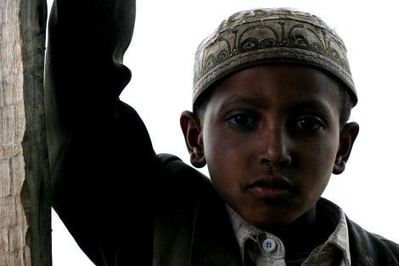
I’ve posted several resources here about some of the intriguing cultural interactions in the Middle East stemming from globalization.  I thought there was some excellent public dialog after the Charlie Hebdo shooting, but I was disheartened by some of prejudiced responses that I’ve heard since then–that inspired me to pull some of them together for this article I wrote for National Geographic Education.


Tags: National Geographic, religion, culture, Islam, globalization, popular culture, unit 3 culture.

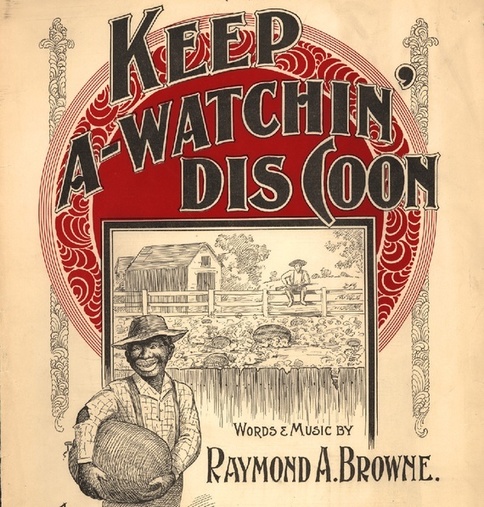
How Watermelons Became a Racist Trope

Before its subversion in the Jim Crow era, the fruit symbolized black self-sufficiency.

The stereotype that African Americans are excessively fond of watermelon emerged for a specific historical reason and served a specific political purpose. The trope came into full force when slaves won their emancipation during the Civil War. Free black people grew, ate, and sold watermelons, and in doing so made the fruit a symbol of their freedom. Southern whites, threatened by blacks’ newfound freedom, responded by making the fruit a symbol of black people’s perceived uncleanliness, laziness, childishness, and unwanted public presence. This racist trope then exploded in American popular culture, becoming so pervasive that its historical origin became obscure.”

Tags: culture, racism, historical.

Source: www.theatlantic.com

Recent Developments in the Ukraine Conflict

“Stratfor Military Analysts Paul Floyd and Sim Tack discuss how Russia’s strategy will maintain options as violence in eastern Ukraine continues.”

Tags: Ukraineconflict, geopoliticspolitical.

Source: www.youtube.com

How Wolves Change Rivers

“When wolves were reintroduced to Yellowstone National Park in the United States after being absent nearly 70 years, the most remarkable ‘trophic cascade’ occurred. What is a trophic cascade and how exactly do wolves change rivers?”

Source: www.youtube.com

When a complex system gets one aspect of it changed, there are many other changes that occur, some of which are nearly impossible to envision beforehand.  Here is some Oregon State research on the changes in Yellowstone’s ecosystems and physical environments since the introduction of wolves. 

Tagsecology, biogeography, environment, environment adapt, physical, fluvial.

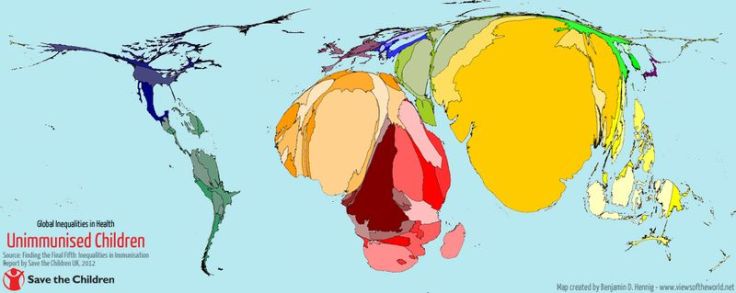
This map shows where the real child vaccination problems are

India and Nigeria, not California.

Vaccinations and public health are in the news lately, mostly with a focus on the United States. But it’s worth taking a look at this map Benjamin Hennig made of where children go unvaccinated on a global basis to help put things in perspective: You can see here that India (the enormous yellow blob) and Nigeria (the large light-orange blog that dominates western Africa) are the two countries that combine very large populations with low immunization rates. The Philippines, Indonesia, Bangladesh, Congo, and Ethiopia also seem like major problem spots. Clearly in most of these places the problem is a lack of financial and institutional resources rather than explicit anti-vaccine sentiment. Insofar as politics are relevant it’s in terms of setting priorities.

Tagsmedical, development.

Source: www.vox.com

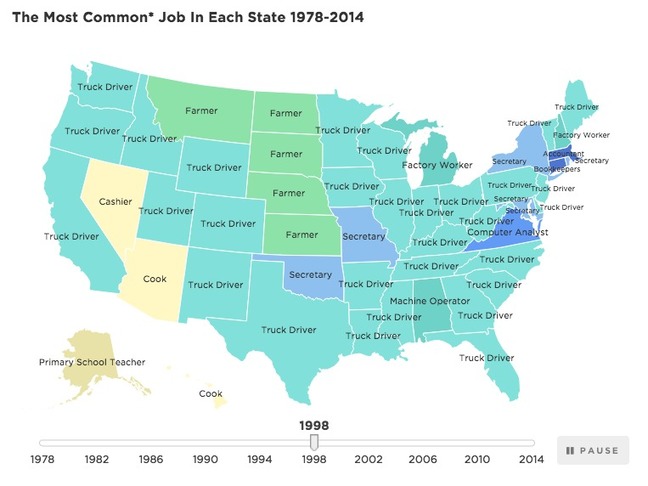
The Most Common Job In Every State

“The jobs picture has changed profoundly since the 1970s. This interactive map and accompanying charts show how those changes played out across the country.”

Tags: economic, labor, USA, transportation, industry.

Source: www.npr.org

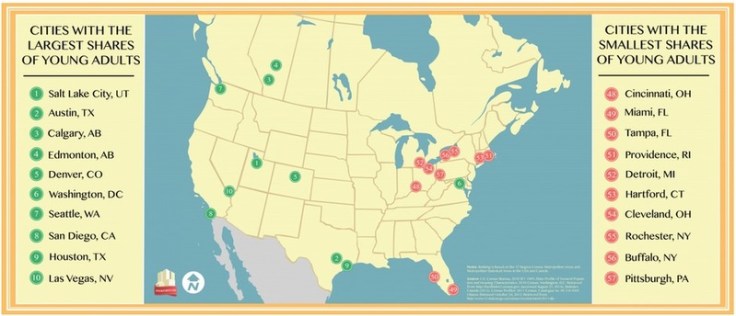
Is Your Neighborhood Changing? It Might Be Youthification, Not Gentrification

One urban planning professor has defined this as a process that occurs in discrete stages.

Much has been made of the wave of millennials moving to cities. In intriguing new work, geographer and urban planner Markus Moos of the University of Waterloo gives the phenomenon a name: “youthification.” Moos defines youthfication as the “influx of young adults into higher density” cities and neighborhoods. And in some ways these neighborhoods are “forever young,” where new cohorts of young people continue to move in as families and children cycle out in search of more space.

Tags: neighborhood, gentrificationurban, place, culture, economic.

Source: www.citylab.com

Blog at WordPress.com.

Up ↑