Search

GEOGRAPHY EDUCATION

Supporting geography educators everywhere with current digital resources.

Category

Uncategorized

Remember the Alamo

“The battle between the Alamo garrison and Mexican President Santa Anna’s forces reads like a Shakespearian tragedy: greatly outnumbered, all the Texan defenders died. Even the men who surrendered were killed, fueling the outrage and critical mass required to swell the Texan army, become an independent republic, and in time choose to be annexed by the United States.”

Source: maps101blog.com

When we talk about sacred space we often think about religious sites first.  Places like the Alamo or Ground Zero can be seen as critical parts of a national identity and as secular sacred spaces.  Powerful social groups carefully construct memorials at places to strengthen a communal identity.  What makes them tricky is they don’t mean the same thing to everyone—even within a cultural group. 

Tagspodcast, Maps 101, historical, place.
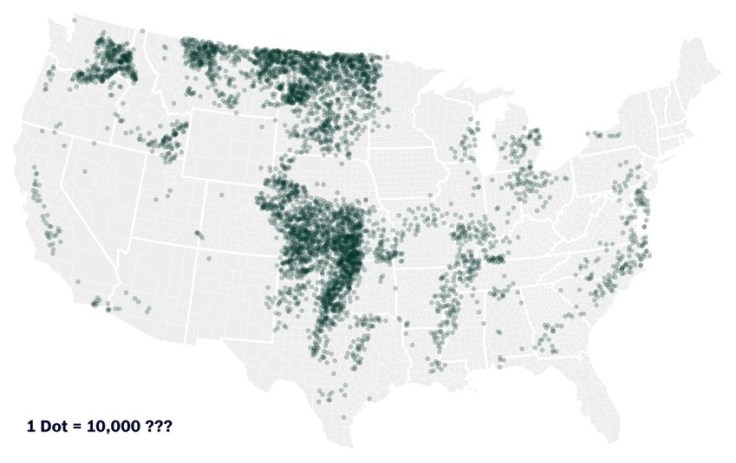
Quiz: Can you name a food just by looking at where it comes from?

I map the food, you tell me what it is.

Source: www.washingtonpost.com

This 12 question quiz is a great way to introduce students to spatial patterns of agricultural products in the United States.  Sometimes just knowing regional stereotypes can be helpful, but being able to make an educated guess about where an agricultural product is comes from requires a basic understanding of economic and climate patterns.  This quiz is a good way to test that knowledge and introduce them to these spatial patterns.    

Tags: triviaspatial, regions, foodeconomicfood production, agriculture.

Saudi Arabia’s Leadership

Source: www.youtube.com

King Abdullah of Saudi Arabia passed away on Jan 23rd and has been replaced by King Salman.  What does that mean for Saudi Arabia?  What will it mean for the region?  The Plaid Avenger has the answers (here are the links for part 2 and part 3).

TagsSaudi Arabiaculturegeopoliticspolitical, Middle East.

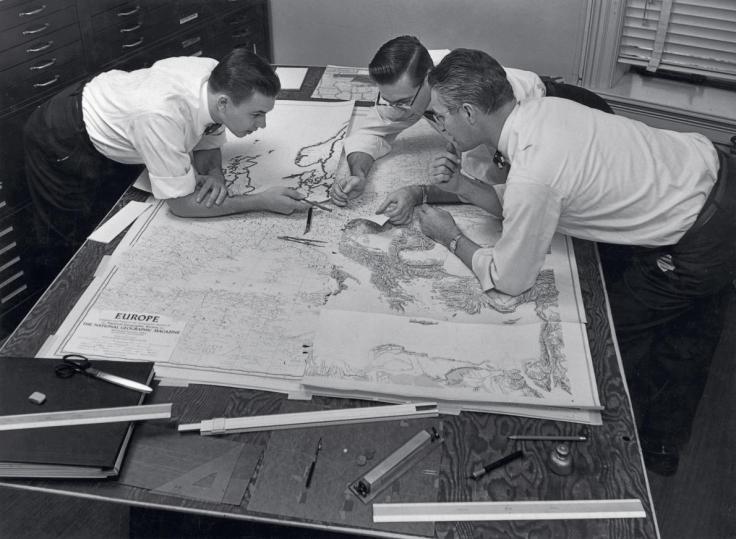
100 Years of National Geographic Maps

Since 1915, National Geographic cartographers have charted earth, seas, and skies in maps capable of evoking dreams.

Source: news-beta.nationalgeographic.com

Maps chart places, but the very act of making them can also reshape how we think about places and alter history.

Tags: historicalmapping, National Geographic.

Images of Human/Environmental Interactions

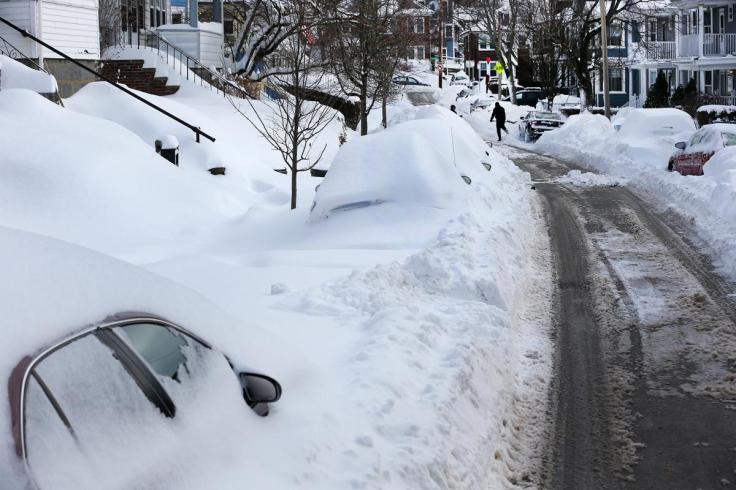
The blizzard of 2015 blasted the region with wind-whipped snow that piled nearly 3-feet high in some places.

As of 1 p.m. Monday, Boston set a new record for snowiest seven-day period in the city’s history with 34.2 inches.

Source: www.bostonglobe.com

Weather is one of the most tangible ways in which the physical environment impacts society.  We depend on sunlight and rainfall, we adapt our behaviors to harsh conditions and we are constantly modifying the our environments by heating and cooling our buildings.  This Henry David Thoreau quote reminds us to acknowledge the powerful influence of the environment and to recognize that technological fixes have their limitations.  “Live in each season as it passes…and resign yourself to the influence of the earth.” –Henry David Thoreau

Question to Ponder: In what ways does the weather shape and influence culture and spatial patterns in your region?  How can we make our communities more handicap accessible during winter storms and other extreme conditions?

Tags: environmentweather and climateenvironment depend, environment adapt, environment modify, disasters.

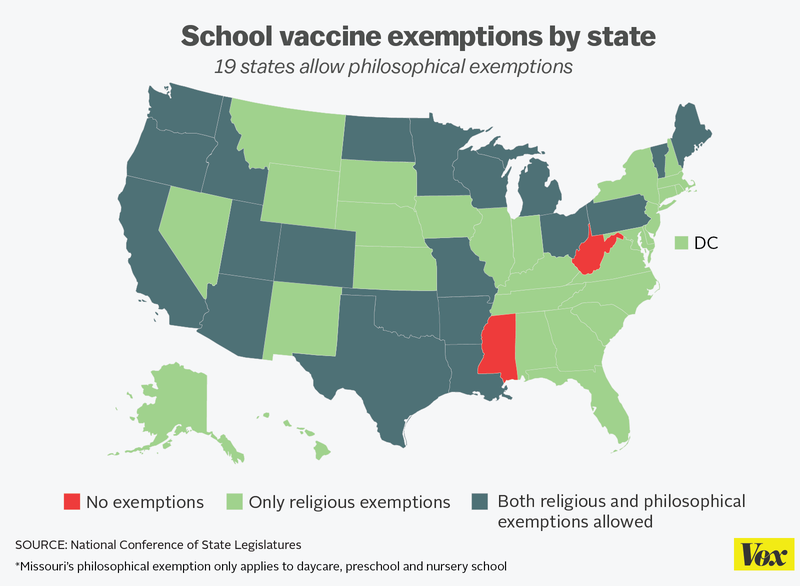
The states with the loosest vaccination laws

vaccine_exemptions_revised.0

The state that leads the country in child vaccination rates probably isn’t the one you think.

Source: www.vox.com

I had measles back in 1977, when I was too young to be vaccinated during an outbreak in the Southern California region.  My father-in-law still lives with the effects of Polio that he contracted when he was a toddler, right around the time of Jonas Salk’s great discovery that lead to the Polio vaccine.  I care about this issue because the effects are personal–but for too many, they’ve never known the realities of a world before vaccines. We collectively have forgotten WHY life expectancy and have steadily gone up over the decades at the same time that infant mortality rates have dropped.  It’s in large part because the nightmarish diseases of yesteryear have been eliminated, if we collectively are all immunized. Unfortunately, this is the discouraging truth (for now): anti-vaxxers are nearly impossible to convince. I hope this current measles outbreak is the tipping point for their to be enough public sentiment to lead to change, because the status quo is not acceptable; 113 countries currently have a better immunization rate for measles than the United States (here is Jon Stewart’s always entertaining rant on the topic). 

 Tagsmedical, diffusion, perspective.

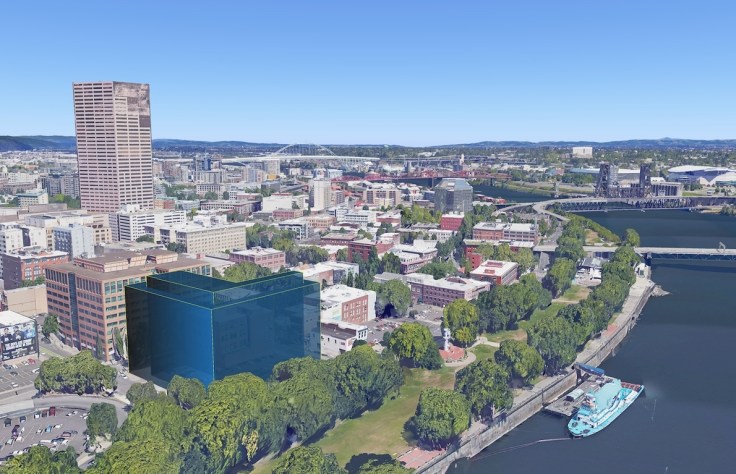
Google Earth Pro is now free

Over the last 10 years, businesses, scientists and hobbyists from all over the world have been using Google Earth Pro for everything from planning hikes to placing solar panels on rooftops. Google Earth Pro has all the easy-to-use features and detailed imagery of Google Earth, along with advanced tools that help you measure 3D buildings, print high-resolution images for presentations or reports, and record HD movies of your virtual flights around the world.

Starting today, even more people will be able to access Google Earth Pro: we’re making it available for free. To see what Earth Pro can do for you—or to just have fun flying around the world—grab a free key and download Earth Pro today.”

Source: google-latlong.blogspot.com

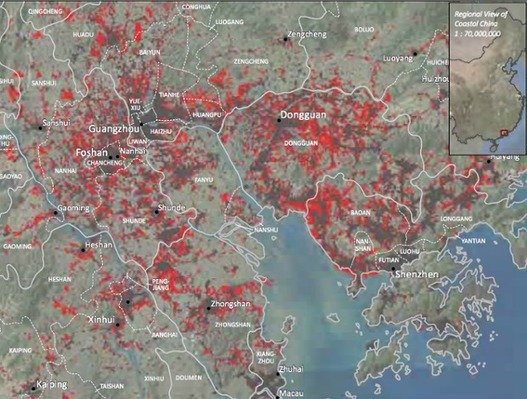
China’s Pearl River Delta overtakes Tokyo as world’s largest megacity

Several hundred million more people are expected to move to cities in East Asia over the next 20 years as economies shift from agriculture to manufacturing and services, according to a World Bank report

Source: www.theguardian.com

Cities in this region have experienced spectacular growth; they are at the heart of China’s manufacturing and exporting boom.  For example, Shenzen was a small city with about 10,000 residents in 1980 but is now a megacity with over 10 million people.  China’s SEZs (Special Economic Zones).  Cities that were once separate entities have coalesced into a large conurbation and if they are counted as one, it’s now the largest metropolitan area.  Cities like London and New York become global cities over hundreds of years–this happened in one generation.  Click here for 5 infographics showing East Asia’s massive urban growth.      

Tags: APHG, urban, industry, manufacturing, economic, unit 7 cities, megacities, China, East Asia.

Folk Culture–Tradition

Source: www.youtube.com

The clip which starts at 0:25 (speaking at 0:50) is an audiovisually rich cultural collage.  Folk cultures are often described as regionally based, nearly homogenous, rural cultures.  These societies are typically dominated by the older generation, traditional, family-based and slow to change.  Folk cultures typically rural, religious, agricultural, family-based and in a word: traditional.  This classic movie’s opening is a good primer for markers of folk cultures and struggles that folk cultures have to maintain there vitality in a globalizing world.  If you continue on in the movie, the actual song Tradition is also rich in explaining how the society maintains itself.  


Tags: Russia, folk cultures, culture, music.

Create a free website or blog at WordPress.com.

Up ↑