“A complete collection of the biggest mudslides and rockslides from around the world.”
This is a terrifying and mesmerizing compliation that shows the raw power of the Earth.
Tags: physical, geomorphology, erosion, landforms.
Source: www.youtube.com
“A complete collection of the biggest mudslides and rockslides from around the world.”
This is a terrifying and mesmerizing compliation that shows the raw power of the Earth.
Tags: physical, geomorphology, erosion, landforms.
Source: www.youtube.com
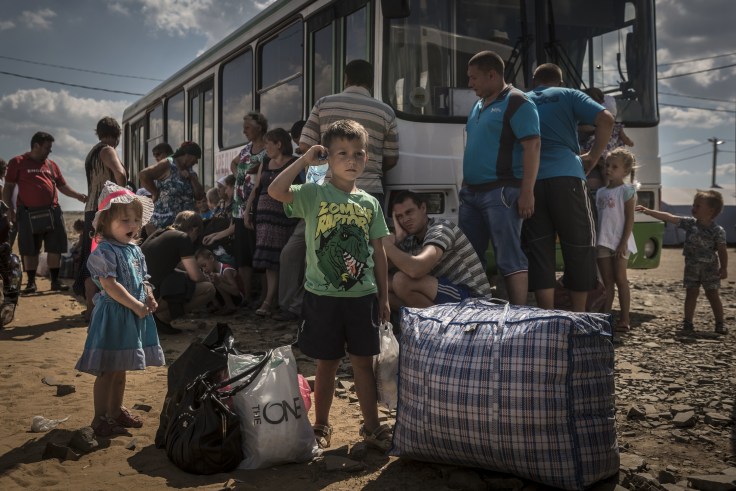
In the latest crisis, tens of thousands are racing to Hungary before a border fence is finished.
Source: www.nytimes.com
Today there are refugees seeking safety throughout the world. There are several regional hot spots of political, ethnic and religious turmoil; many are now asking how the global community should response to the worst refugee crisis in generations (Related article: Migrant or Refugee? There is a difference with legal implications).
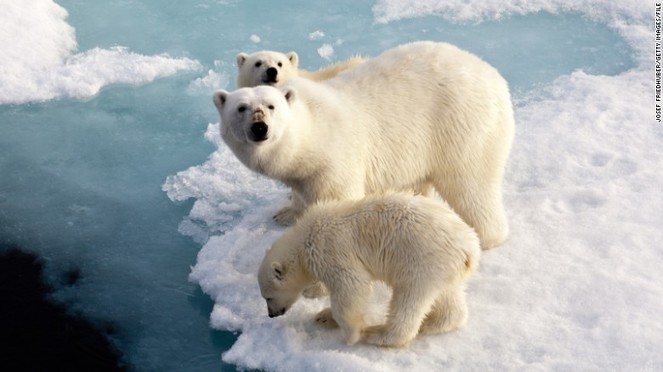
To hear the White House describe Alaska, the state has become the canary in the climate change coal mine, complete with raging wildfires, accelerating ice melt in the arctic, vanishing glaciers and whole villages forced to relocate away from rising seas.
Source: www.cnn.com
Most Alaskans already have shed the Mount McKinley name for over a generation, but as this National Geographic article points out, naming conventions matter and are filled with meaning. Some of you might be wondering how it ever got called Mt. McKinley in the first place, but this action is still causing some political commotion.
Tags: place, language, toponyms, indigenous.
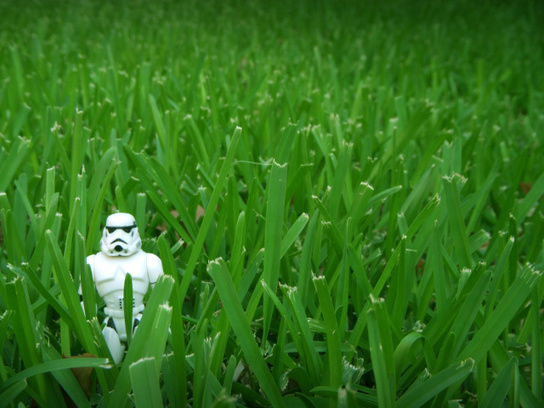
“In communities across America, lawns that are brown or overgrown are considered especially heinous. Elite squads of dedicated individuals have been deputized by their local governments or homeowners’ associations to take action against those whose lawns fail to meet community standards.”
Source: 99percentinvisible.org
This is a great podcast that shows not only the environmental aspects of America’s obsession with well-manicured lawns, it also nicely explored the cultural norms that police our behavior to create the stereotypical suburban landscape. This is my favorite quote from the podcast: “There’s a paradox to the lawn. On the one hand, it is the pedestal on which sits the greatest symbol of the American Dream: the home, which people can ostensibly govern however they wish. And yet—homeowners often have almost no control over how they should maintain their lawn. Grass may be a plant, but a lawn is a designed object.”
Tags: housing, neighborhood, cultural norms, consumption, water, environment, urban ecology, culture.
“When the well’s dry, we know the worth of water.” ~Benjamin Franklin
It was busy today on the Canals in Amsterdam. Especially at the junction Prinsengracht/Leidsegracht.
Tags: Netherlands, transportation, place, neighborhood, landscape, time lapse, video.
Source: www.youtube.com
Could this transportation network and system work everywhere? If not, geography and place are critical factors to shaping the human landscape.
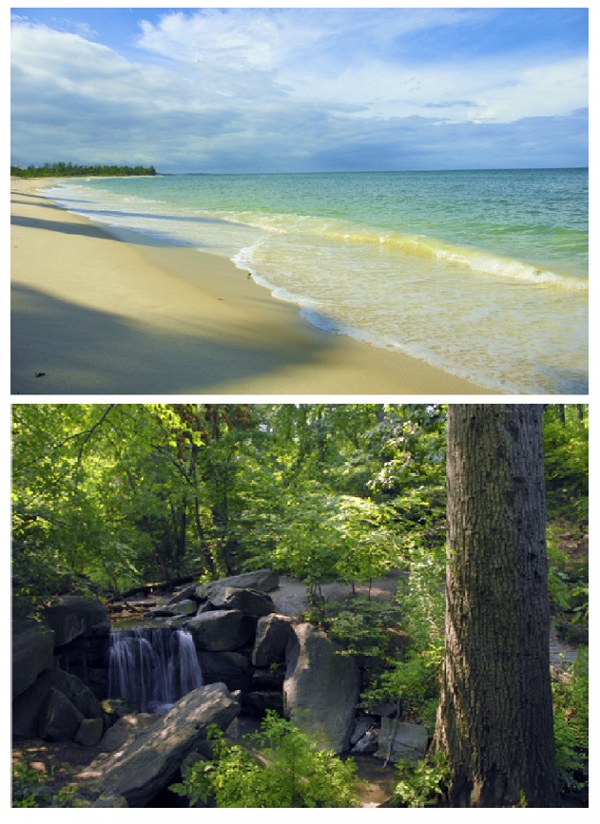
Introvert or extrovert? A quick photo quiz could reveal it all.
Source: www.washingtonpost.com
This psychology study found that introverts and extroverts prefer different landscapes for their vacations, and they may even seek out different environments for a home. There are many geographic implications to this idea, and I’m still chewing on them.
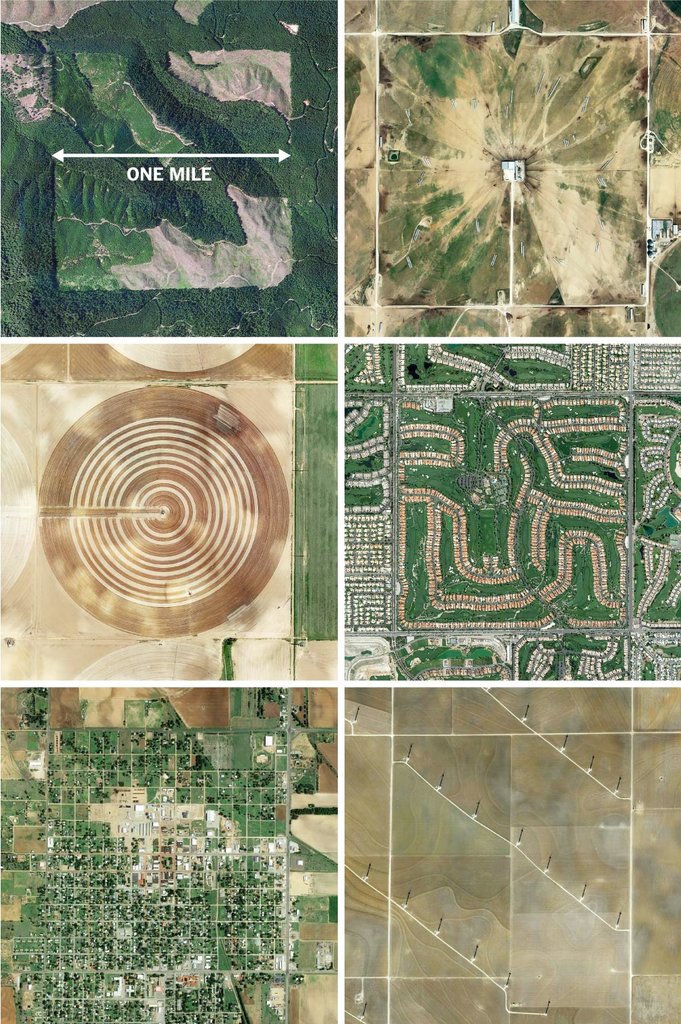
“The images here, taken from the Instagram account @the.jefferson.grid show just a few of the landscapes that can be squeezed into the one-mile squares. The idea behind this sprawling checkerboard emerged after the Revolutionary War. As the United States expanded westward, the country needed a systematic way to divide its newly acquired lands. The original colonies were surveyed using the British system of ‘metes and bounds,’ with parcels delineated using local geography.
That approach doesn’t scale very well, and Jefferson proposed to slice the young United States into gridded plots of land. Jefferson’s idea became a reality in 1785 when it was enacted as the Public Land Survey System. Today his grid covers much of the country, and it is still used to survey federal lands — an idea that shaped the physical landscape of half a continent.”
Tags: images, land use, landscape, social media, planning, spatial, scale, historical.
Source: www.nytimes.com
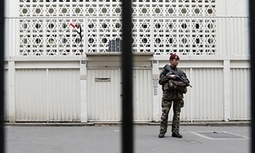
Official figures indicate that over the last two decades the number of antisemitic acts has tripled. Between January and July 2014 official figures show that there were 527 violent antisemitic acts in France as opposed to 276 for the same period in 2013. Meanwhile half of all racist attacks in France take Jews as their target, even though they number less than 1% of the population.
Source: www.theguardian.com
This great, but sobering article was written in January 2015, and unfortunately, the situation has not improved. There is a lot of demographic changes and migration happening in the Western World right now, and this is but one component to larger forces reshaping the Europe. Today many in the French Jewish community are now asking the uncomfortable question: is it time to leave France for good? Antisemitism is not a thing of the past relegated to the World War II chapter of our history textbooks; many French Jewish families were originally from North Africa before they fled in the 1950s and 60s. Now, France is Israel’s largest source of migrants and Europe as a whole has a rapidly declining Jewish population.
Tags: Judaism, religion, Europe, migration, Israel, France, racism, conflict.
As geography teachers return to school they will see their subject continuing to expand at all stages of education. For the fifth year running, GCSE entries have risen. At A-level, geography had the largest percentage increase of all the major subjects in 2015, with candidate numbers rising sharply by 13 per cent, following on from the 19 per cent increase in GCSE in 2013. Enrolment on undergraduate courses is running higher than national averages, and graduating geographers experience some of the lowest unemployment levels of any degree subject. Such positive news is welcome and provides a firm foundation for the introduction of the new GCSE and A-levels from September 2016.
So, what has happened to boost geography over the past 10 years? In short, it’s a powerful mix of sustained advocacy, support from successive governments, independent evaluation and the slow trickle of messages getting through.
Source: www.tes.com
Good news about the state of geography in the United Kingdom. This can serve as a a strategic plan and a vision for revitalizing geography in the United States.



 GEOGRAPHY EDUCATION