Search

GEOGRAPHY EDUCATION

Supporting geography educators everywhere with current digital resources.

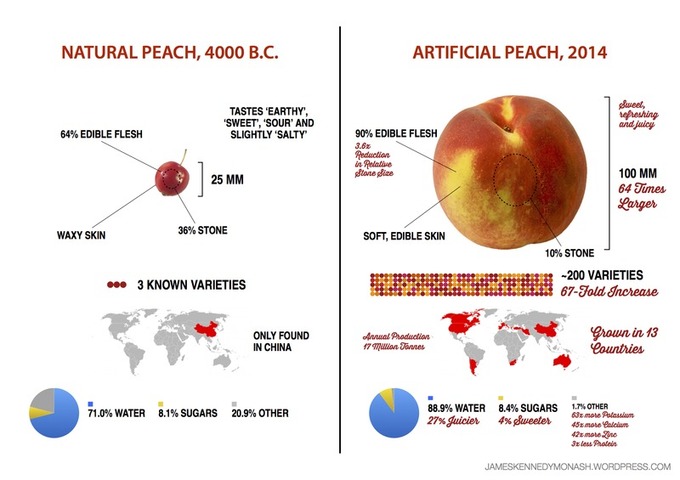
Here’s what 9,000 years of breeding has done to corn, peaches, and other crops

Corn, watermelon, and peaches were unrecognizable 8,000 years ago.

Source: www.vox.com

I think the term ‘artificial’ in the image might be misleading and it depends on your definition of the word.  Humans have been selectively breed plants and animals for as long as we’ve been able to domestic them; that is a ‘natural’ part of our cultural ecology and has lead to great varieties of crops that are much more suitable for human consumption than what was naturally available.  Long before climate change, humans have been actively shaping their environment and the ecological inputs in the systems with the technology that their disposal.  This is a good resource to teach about the 1st agricultural revolution.     

Tags: food, agriculture, consumption, unit 5 agriculture.
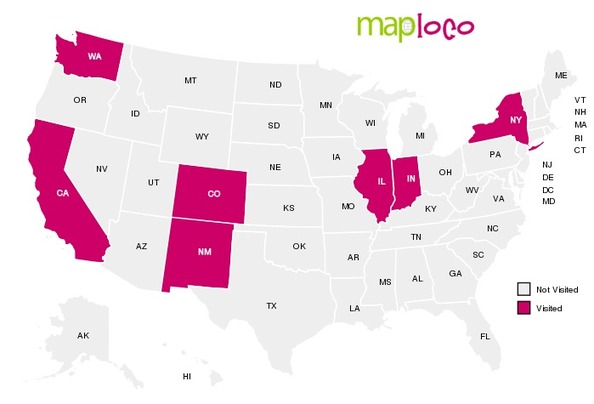
Visited States Map

“Create a Map of all the places you’ve been.”

Source: m.maploco.com

This is an incredibly limited mapping platform, but if all you want to do is put states of the United States into two simple categories (such as ‘states I have visited’ and ‘states I have not visited’), then this works. 

TagsTags mapping, 201, edtech, cartography, mappingUSA.

The Great Mosque of Djenné

The Great Mosque of Djenné, Mali, is a magnet for tourists, but it is increasingly difficult for locals to live a normal life around it.

Source: www.youtube.com

This New York Times short video is an intriguing glimpse into some of the cultural pressures behind having the designation of being an official world heritage site.  The great mosque combined with the traditional mud-brick feel to the whole city draws in tourists and is a source of communal pride, but many homeowners want to modernize and feel locked into traditional architecture by outside organizations that want them to preserve an ‘authentic’ cultural legacy.

Tags: Islam, tourism, place, religion, culture, historical, community, Mali, Africa.

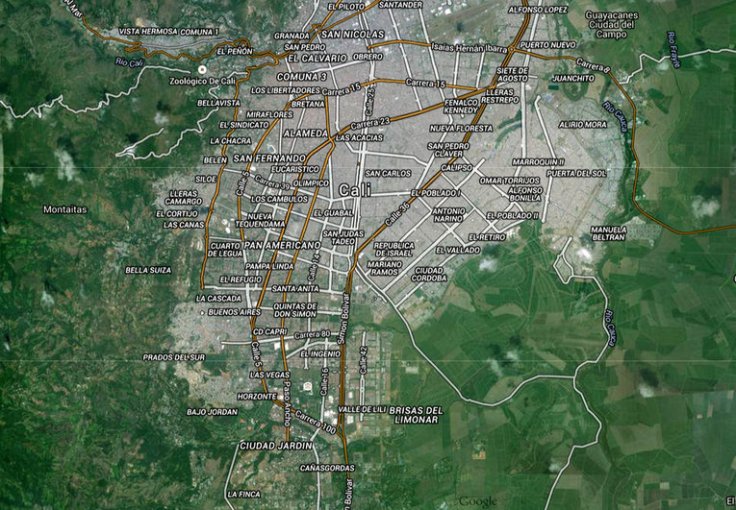
40 Percent Of The World’s Cropland Is In Or Near Cities

Just how much of the world’s cropland can we really call urban? That’s been a big mystery until now.

Now, a study published in the journal Environmental Research Letters has an answer: Somewhere around 1.1 billion acres is being cultivated for food in or within about 12 miles (20 kilometers) of cities. Most of that land is on the periphery of cities, but 16.6 percent of these urban farms are in open spaces within the municipal core.

Source: www.npr.org

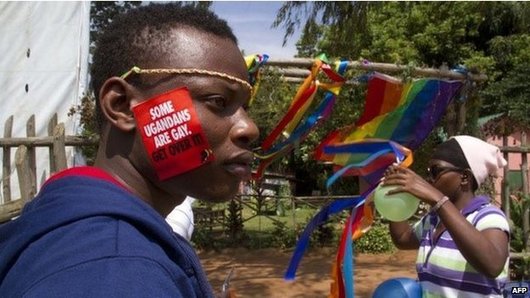
Uganda planning new anti-gay law

“Uganda plans to introduce a new anti-gay law that will withstand any legal challenge, a government minister has told the BBC. It will not explicitly refer to homosexuality, but will rely on the penal code which prescribes a life sentence for ‘unnatural acts’, he said. Activists say the plan is more draconian than anti-gay legislation annulled by the courts in August. The US and other donors cut funding to Uganda in protest against the law. Uganda is a deeply conservative society where homosexual acts are already illegal.”

Tag: sexuality, Uganda.

Source: www.bbc.com

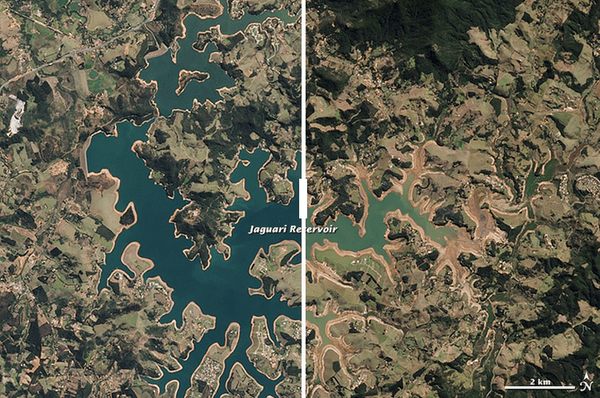
The largest city in Brazil is running dangerously low on water

Thanks to the worst drought in eight decades, millions of people in São Paulo are facing water outages.

Tags: Brazil, urban, water, urban ecology, climate change, environment depend, sustainability, agriculture, food production.

Source: www.vox.com

Kuwaiti cartoonist battles opponents on how to portray Islam to the world

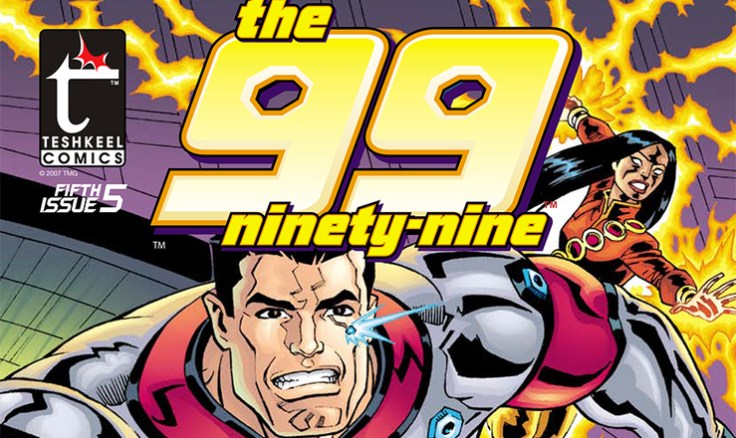
“Naif al-Mutawa, creator of comic book series THE 99, spoke with Al-Monitor about the recent death threat by the Islamic State and how US President Barack Obama’s enemies became his.”

Seven years after the Kuwaiti psychologist and entrepreneur first launched his comic book series based on the 99 attributes of Allah, he’s facing a sudden onslaught of death threats, fatwas and lawsuits (his comic books where highlighted in this TED talk on cultural change in the Islamic World). His US distributor, meanwhile, continues to sit on a TV deal, in part because of pressure from conservative bloggers who object to any positive description of Islam.

Source: www.al-monitor.com

Meandering Stream Time Lapse

The most viral images on the internet, curated in real time by a dedicated community through commenting, voting and sharing.

Source: imgur.com

This is a fantastic way to visualize physical geographic processes. 


Tags physical, fluvial, geomorphology, erosion, landscape.

Power of Place: Boundaries and Borderlands

“This program, Boundaries and Borderlands, introduces the case study approach of the course. Here we examine the borderland region between the regions of North America and Latin America. The first case study, Twin Cities, Divided Lives, follows the story of Concha Martinez as she crosses between the U.S. and Mexico in order to make a life for herself and her children.  The second case study, Operation Hold the Line, follows up the question of cross-border migration raised in the first program. It takes a look at how U.S. border policy is shaping the lives of not only the people living in this borderland region, but in more distant U.S. and Mexican locations as well.”

Source: www.learner.org

This is a not a new resource and I know that many of you are familiar with it, but this is worth repeating for those not familiar with the Annenberg Media’s “Power of Place” video series.  With 26 videos (roughly 30 minutes each) that are regionally organized, this be a great resource for geography teachers that need either a regional of thematic case-study video clip.     

Tagsmigrationregions video, APHG.

Blog at WordPress.com.

Up ↑