Search

GEOGRAPHY EDUCATION

Supporting geography educators everywhere with current digital resources.

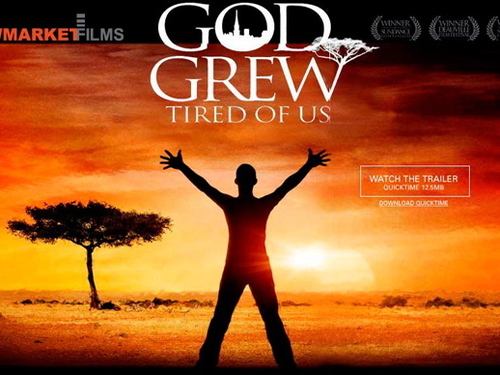
God Grew Tired of Us

The story of the “Lost Boys” of Sudan is a heartbreaking and inspiring tale of youth caught in cultural and geopolitical conflicts and fored to leave their homes. The film God Grew Tired of Us ” tells a moving story of young people overcoming incredible challenges and struggling to improve their own lives and those of family and friends left behind.”  Linked here is a lsson plan from National Geographic “to teach students about concepts of migration, cultural mosaics, sense of place, and forces of cooperation and conflict among communities” using this 90 minute documentary.  The film can be viewed online on HULU as well as other media outlets.  

Tags: culture, Africa, political, conflict, war, migration, development, APHG

See on education.nationalgeographic.com

A Campaign Map, Morphed By Money

NP: Four years ago, Channel One News, the weekday news program for middle and high school kids featured a dynamic area cartogram as a way of making the point that some states have much more electoral weight than others. In that broadcast, the map of the United States, featuring the familiar red and blue states indicating presidential election results, became animated. States with smaller populations squeezed into tiny shapes, while states with large populations expanded. At the time, we didn’t know this kind of map was called an area cartogram; we called it a “squishy map.” It does a nice job of making this case: some states matter more than others when it comes to US presidential elections.


Seeing the map on Channel One also launched me into work that continues with my dissertation. What kind of sense do kids make from complex representations like an area cartogram? In the Channel One broadcast in 2008, the map was presented as part of a sensible lesson about “electoral weight.” With Vanderbilt professors Rogers Hall and Kevin Leander, we wondered if the map made sense to kids and if the argument was strengthened by the map.


Four years later, I’m still working on those questions and others like them. In the mean time, here’s another awesome area cartogram. In this case, NPR’s “It’s All Politics” blogger Adam Cole makes an argument about the advertisement spending of superPACs and other outside groups. Which states matter to these groups? And how much do they spend per voter on these ads? The squishy maps tell the story. Cole has a great video here as well–it’s whimsical and informative. Finally, another move by Cole in these maps is the scaling of elections at the level of the state by popular vote. This means that states that are more contested turn purple (half blue and half red) rather than the color of the winning candidate from the last election.

See on www.npr.org
Interactive Education Comic/App

A graphic novel to entertain, excite, and educate…and with an experimental interactive comic app as well! Plaid power to the people!

Looking to teach geography and world affairs with a flair?  The Plaid Avenger has a new interactive comic book to teach about the geography of Mexico and the geopolitical impacts of the the drug wars in that country.  If you’ve received some value from his work in the past, please consider supporting this endeavor which is pushing the boundaries of educational technologies and platforms.

Tags: Mexico, geography education, edtech, narcotics.

See on www.kickstarter.com

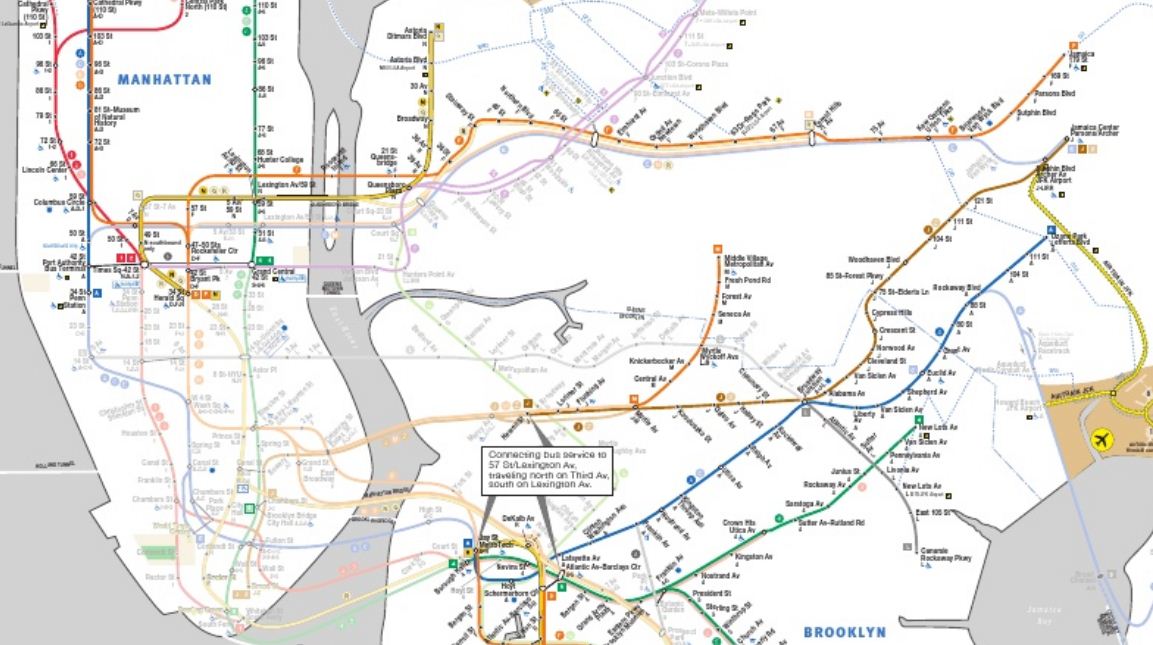
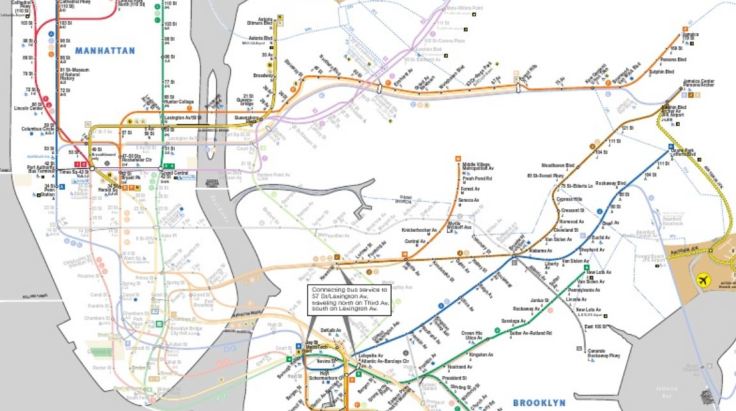
Temporary Transit Map

This map “grays out” the inoperable subway lines in New York City that have been flooded or otherwise damaged during Hurricane Sandy.

See on www.scribd.com

Hurricane Recovery Map Oct 312012

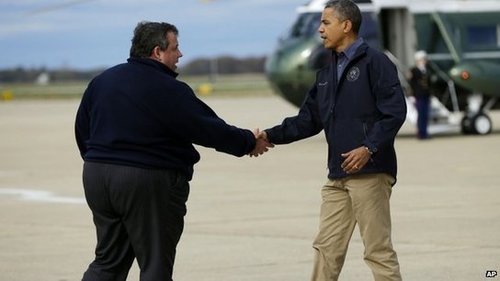
Obama visits storm disaster zone

KT: Obama has visited New Jersey to observe the damages sustained from hurricane Sandy. New Jersey got hit harder than most and has been severly flooded and damaged in several regions.

See on www.bbc.co.uk

Anti-Vehicle Bullying Must Stop

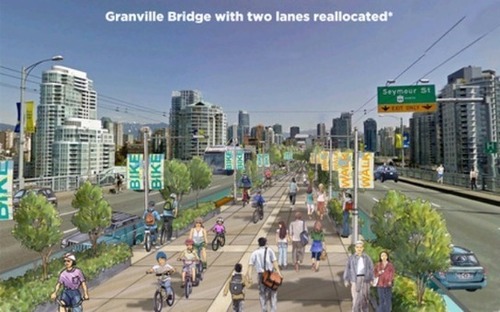
Jerry Dobrovolny, Vancouver’s director of transportation, has a lot of nerve trying to spin a tale that the city’s new transportation plan isn’t “focused on a war on the car.” He should walk across the street from city hall to Yuk Yuk’s comedy club…

Not everyone (especially not the author of the linked editorial) is a fan of Smart Growth and other urban planning paradigms that promote alternative forms of transportation (categorized in the editorial as anti-vehicle bullying).  


Questions to Ponder: Does Vancouver’s planning seem “anti-vehicle” to you?  Are some places “anti-cycling” or “anti-walking?”  What would these places look like? What do you see as the best transportation model for our cities?  

Tags: transportation, urban, planning, sustainability

See on blogs.theprovince.com

The Aftermath of Hurricane Sandy

After cutting a destructive path through the Caribbean, Hurricane Sandy caused extensive damage along the East Coast this week.

While the damage wasn’t as bad as many feared it could have been, place and spatial context are especially important in assessing the impacts of a natural disaster.  This is a excellent collection of the many devastating images as a result of Hurricane Sandy.  To see some more local images, Rhode Island Department of Transportation put this collection together.   

See on www.boston.com

Eurozone unemployment hits record high

The 17-nation bloc had a jobless rate of 11.6 per cent in September, while inflation eased slightly in the last month.

Although some countries in the Eurozone have lower unemployment rates like Austria (4.4%) and Germany (5.4%), more are in the worst collective tailspin since the creation of the common currency.  Spain has the worst unemplyment rate at 25.8% of the adult population out of work.  It has taken a nasty cultural and political turn as resentments and frustrations are boiling over in the Eurozone.  Some are derisively referring to the struggling southern European countries as P.I.G.S. (Portugal, Italy, Greece, Spain). 

Tags: Europe, supranationalism, currency, labor, economic

See on www.aljazeera.com

S African township’s solar-powered cafe

Entrepreneur converts shipping container into mobile internet shop powered entirely by the sun.

This 2-minute video shows how a an enterpreneur has made his business (an internet cafe) self-sufficient, not relying much on external infrastruture.  Modern Africa has advanced beyond what many in the developed world acknowledge and is beyond stereotypes of the ‘Dark Continent.’ 

Tags: Africa, technology, development, video.

See on www.aljazeera.com

Create a free website or blog at WordPress.com.

Up ↑