Hiking to the top of Preikestolen (the Pulpit Rock) near Stavanger, Norway. An amazing and wondrous hike.
For the inner explorer in all of us, this is a geographic dream. Click here to read more about this fantastic climb from a National Geographic explorer.
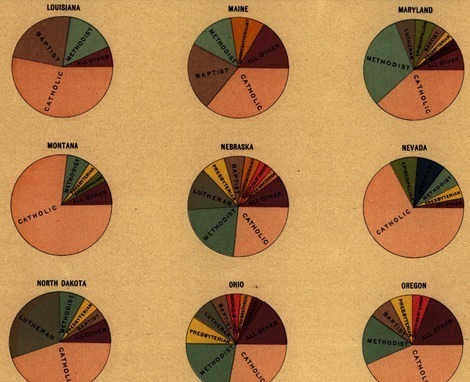
Do you want some inspiration to create a visually stunning – yet fully optimized – data graphic? Well, let’s go back about a 140 years… Handsome Atlas developed by Jonathan Soma of Brooklyn Brainery, provides a stunning new online interface to a large collection of beautiful data visualizations from the 19th century.
TR: Taking into account the age of these visualizations, one has to wonder if they intended them to be used by our generation in this way. I see potential for a “web 2.0” update of these charts to make them interactive . . .
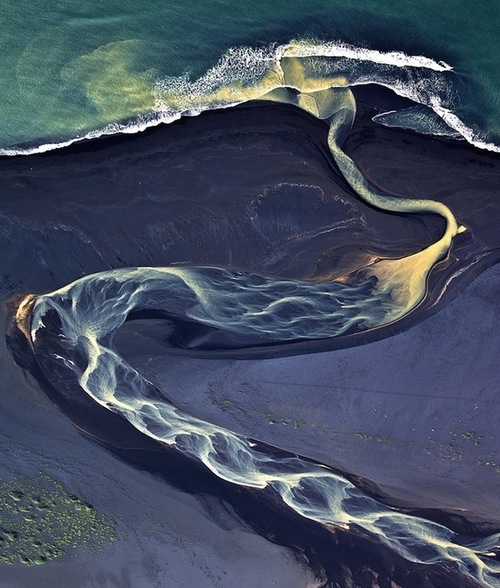
Time and time again, we’re reminded of nature’s beauty. It’s hard to believe, but these photos of real landscapes, not abstract paintings.
Andre Ermolaev, through his photography has captured the beauty of Iceland’s geomorphology. Being on the Mid-Atlantic Ridge, Iceland has abundant volcanic ash which adds rich color to the fluvial systems.
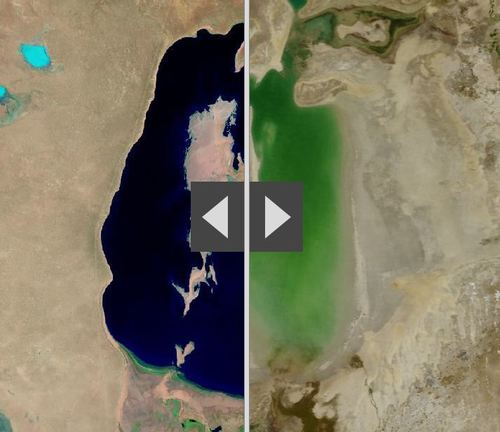
By moving the slider, the user can compare 1990 false-color Landsat views (left) with recent true-color imagery (right). Humans are increasingly transforming Earth’s surface—through direct activities such as farming, mining, and building, and indirectly by altering its climate.
This interactive feature includes 12 places that have experienced significant change since 1990. This is an user-friendly way to compare remote sensing images over time. Pictured above is the Aral Sea, which is and under-the-radar environmental catastrophe in Central Asia that has its roots in the Soviet era’s (mis)management policies.
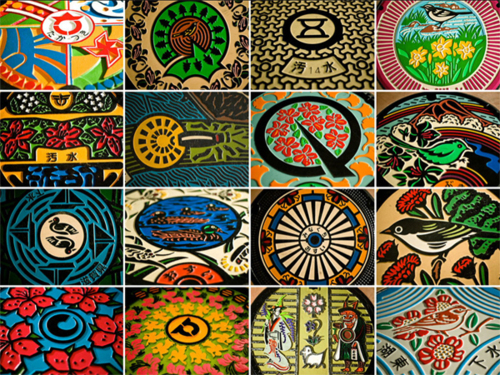
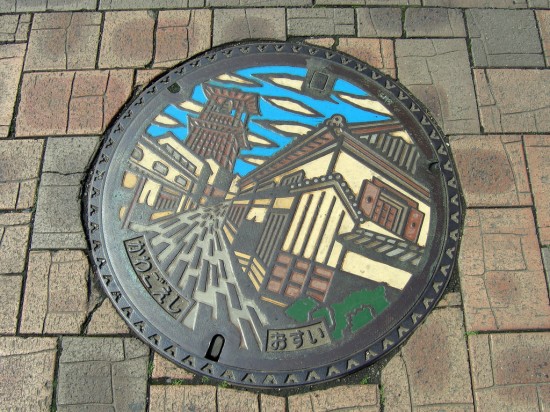
Manhole covers are ubiquitous in the modern urban fabric; they are typically drab and purely utilitarian. In Japan, municipalities take pride in the this ordinary piece of the landscape and convert them into extraordinary works of art that reflect the local people, place and culture.
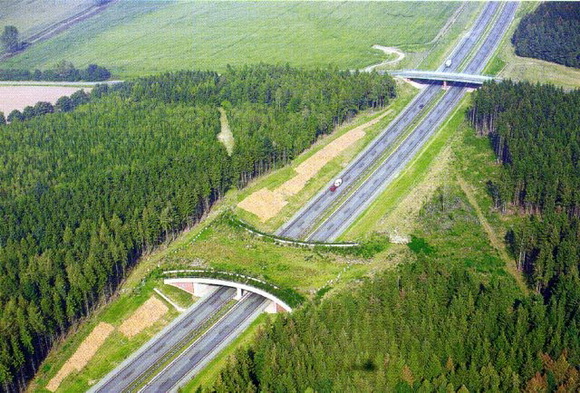
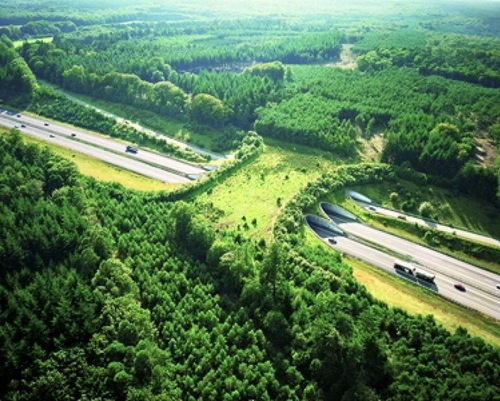
Our modern society depends on greater connectivity between places. Regionalized economies, politics and transportation networks are increasingly integrated with far-flung places now more than ever before. Our biosphere and natural environments are exceptions to this pattern. Wilderness areas are ‘islands’ in an ocean of human controlled environments. We create transportation linkages that unite people economies and cities, but separate herds from there extended habitat.
We’ve all seen road kill on major highways. Species like deer, elk, and grizzly bears and other large-bodied animals need a wide range for numerous ecological reasons. These bridges are an attempt to ameliorate some of the problems that our roads pose for the non-human species that still call Earth home. From a purely economic standpoint, many argue that these bridges save society money given the accidents and property damage that can be avoided.
Learn about the high-tech treasure hunting game being played around the world by adventure seekers! Learn more at http://www.geocaching.com Subscribe to this…
Geocaching is great way to get people outdoors, use geospatial technologies and have fun with the whole family.
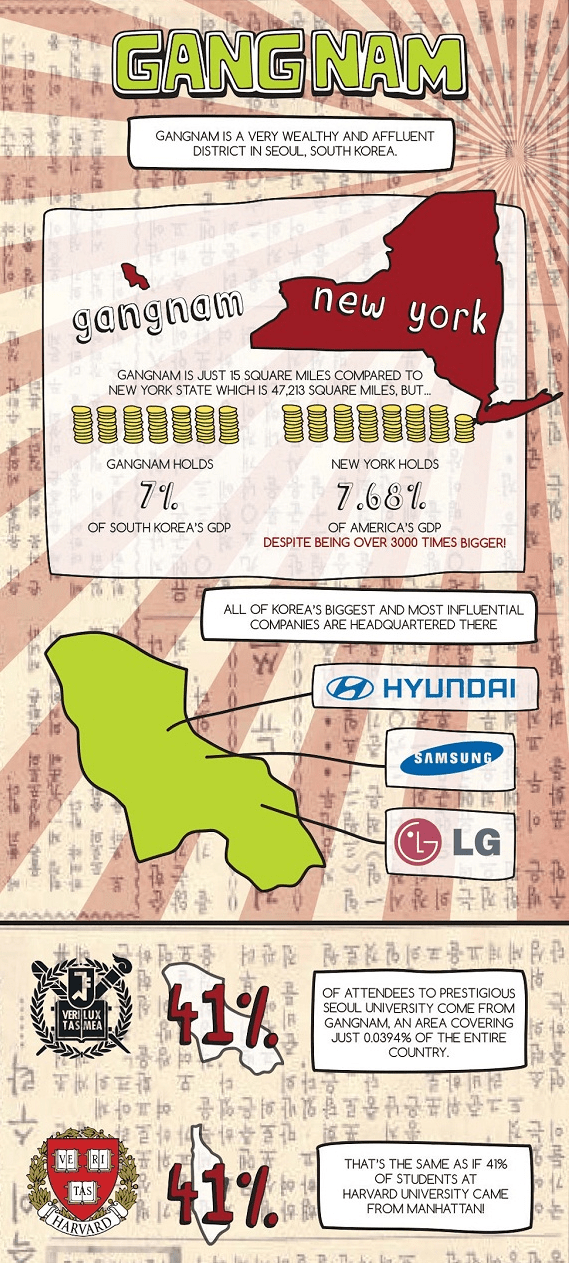
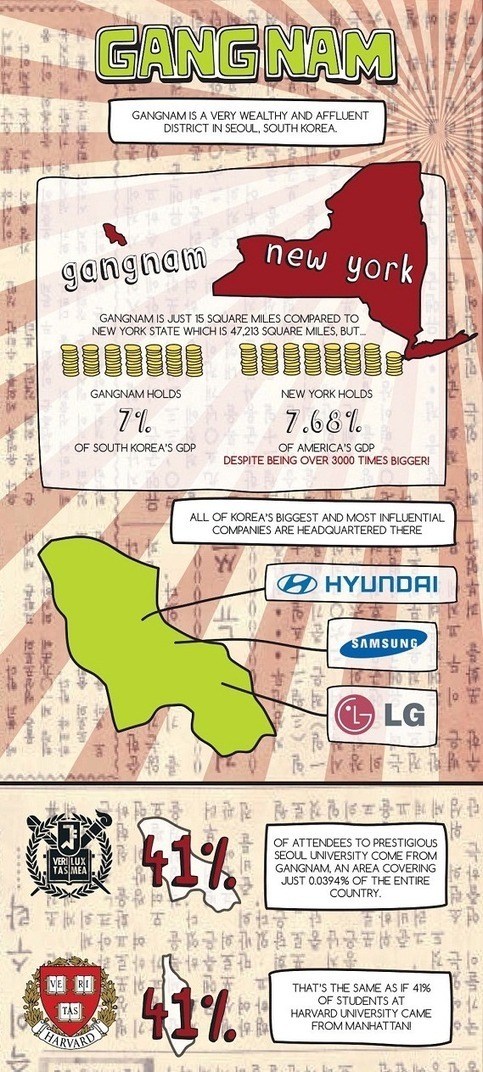
The Gangnam Style! sensation is all over the internet, complete with parodies that both honor and mock the original. This first video is the original, which in a few short months received well ove…
The following link has the video, parodies and infographics to help student explore the meaning behind the cultural phenomenon.
Questions to Ponder: Considering the concept of cultural diffusion, what do we make of this phenomenon? What cultural combinations are seen in this? How has the technological innovations changed how cultures interact, spread and are replicated?
Afghan troops are told that insulting behavior by Americans is an oversight, not a slight.
Cross-cultural interactions can be beautiful when immersed into a new cultural setting and the visitor learns to appreciate it. Unfortunately, it can often lead to clumsy missteps that are born out of ignorance of a new guiding set of cultural norms. Some missteps can lead to great laughter while others can be gravely insulting. The United States military seeks to train U.S. soldiers about Afghan customs, but they are trying a new tactic as well to minimize these issues. The U.S. military has prepared a cultural guide to teach the Afghan soldier that they work with about the curious customs that are part of social interaction in the United States but not considered offensive.