Search

GEOGRAPHY EDUCATION

Supporting geography educators everywhere with current digital resources.

Big U.S. Cities Growing Faster than Suburbs

See on Scoop.it – Geography Education

For the first time in a century, most of America’s largest cities are growing at a faster rate than their surrounding suburbs.


“As young adults seeking a foothold in the weak job market shun home-buying and stay put in bustling urban centers,” this profoundly is changing the demographic processes that create our major urban areas.  “Driving the resurgence are young adults, who are delaying careers, marriage and having children amid persistently high unemployment. Burdened with college debt or toiling in temporary, lower-wage positions, they are spurning homeownership in the suburbs for shorter-term, no-strings-attached apartment living, public transit and proximity to potential jobs in larger cities.”  With home ownership no longer the goal and the suburbs the destination of choice, how with this affect the urban structure of or major metropolitan areas? 

See on www.time.com

Geography for a Flat World

See on Scoop.it – Geography Education

News, Articles and Community for district-level decision makers in K-12 education. Magazine published monthly, with daily news and blogs and online content. Archives available.


I thought I posted this a month ago (at the AP readings when Lili Monk gave me a copy!) but couldn’t find the link.  Geography education isn’t just essential for the social sciences; it’s cross-curricular benefits are well-documented.  I know this is preaching to the choir, but I hope this gives you ‘added ammunition’ in defending geography with administrators.   

See on www.districtadministration.com

Technology and Biological Changes

See on Scoop.it – Geography Education

A pilot study discovered that levels of BPA in pregnant Mennonite women were four times lower than the national median.


This is an interesting article that shows that the technological advancements and the way we choose to live has tangible, measureable effects on our biochemistry. 

See on www.motherjones.com

Technology and Biological Changes

See on Scoop.it – Geography Education

A pilot study discovered that levels of BPA in pregnant Mennonite women were four times lower than the national median.


This is an interesting article that shows that the technological advancements and the way we choose to live has tangible, measureable effects on our biochemistry. 

See on www.motherjones.com

The Endangered Languages Project

See on Scoop.it – Geography Education

The Endangered Languages Project is a website for people to find and share the most up-to-date and comprehensive information about the over 3,000 endangered …


This short video is a great primer for understanding the importance of linguistic diversity.  Why the loss of linguistic diversity (a global phenomenon) related to other themes  on geography, such as political and economic autonomy for minority groups?  Why are so many languages vanishing today?  What forces are creating these emerging cultural patterns?  For more on the project, see: http://www.endangeredlanguages.com/

See on www.youtube.com

Why damming world’s rivers is a tricky balancing act

See on Scoop.it – Geography Education

If we accept that controversial dams will continue to be built for economic benefit, how can we limit their damage on the environment?


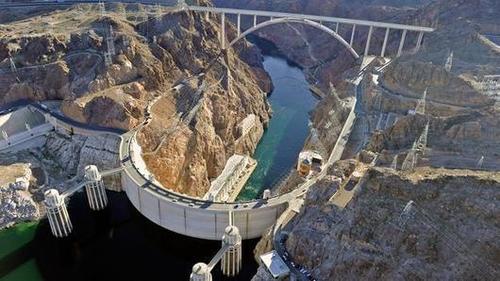
“Of all the ways we have engineered Earth in the Anthropocene, the Age of Man, surely nothing rivals our audacious planetary-wide re-plumbing of the world’s waterways. But is our control of Earth’s arteries causing dangerous clots?”  The human-environmental interaction theme of geography is as readily apparent in this issue as any.  

See on www.bbc.com

Gates: ‘Higher education has not been substantially changed by the Internet’

See on Scoop.it – Social Media Classroom

Bill Gates sounds off on a number of education issues in a recent interview with the Chronicle of Higher Education. He states that higher ed…


While I agree that most institutions have not undergone a fundamental paradigm shift (predominantly still lecture/exam style courses at most colleges) things are changing slowly as more teachers that grew up with these technologies are hitting the classroom.  I’d like to see more of a natural infusion of technology into the classroom so the technology isn’t the entertainment “wow” factor, but supports pedagogy.  How do you use technology in the classroom?  What do you wish you could do?    

See on www.technolog.msnbc.msn.com

Racial Diversity Increases, But Segregation Persists

See on Scoop.it – Geography Education

U.S. census data shows racial diversity is increasing in major cities across the United States. But highly diverse neighborhoods are still rare, newly arrive…

I’ve read within the last few months articles mentioning that segregation in inner city neighborhood are on the rise, and other headlines stating that ethnic diversity within urban areas is at an all-time high.  My first reaction was, “so which is it?”  This research shows how to make sense of both of these trends which seem contradictory.  For more context on this issue, see this Atlantic Cities article.

See on www.youtube.com

India, What Did You Eat Yesterday?

See on Scoop.it – Regional Geography

High inflation, slowing growth and a broken food distribution system mean some are eating less in India. 


While India is often referenced as a rising economic star in the globalizing economy and a destination for outsourced jobs.  Still, these economic developments aren’t influencing all people within India. 

See on india.blogs.nytimes.com

Blog at WordPress.com.

Up ↑