Search

GEOGRAPHY EDUCATION

Supporting geography educators everywhere with current digital resources.

Tag

culture

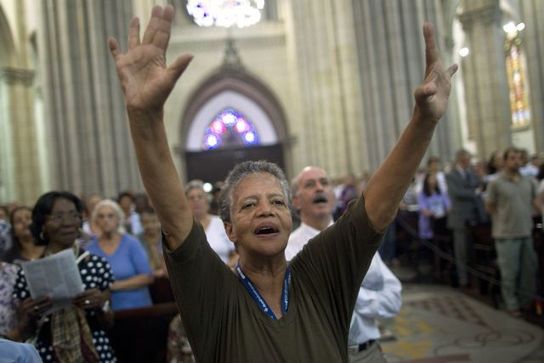
Why the Catholic Church is losing Latin America, and how it’s trying to get it back

“A religious revolution is underway in Latin America. Between 1900 and 1960, 90% of Latin Americans were Catholics. But in the last fifty years, that figure has slumped to 69%, according to a recent survey by the Pew Research Center (from which most of the data in this article are taken). The continent may still be home to 425 million Catholics—40% of the world’s total—but the Vatican’s grip is slipping.”


Tags: culture, religionChristianityMiddle America, South America.

Source: qz.com

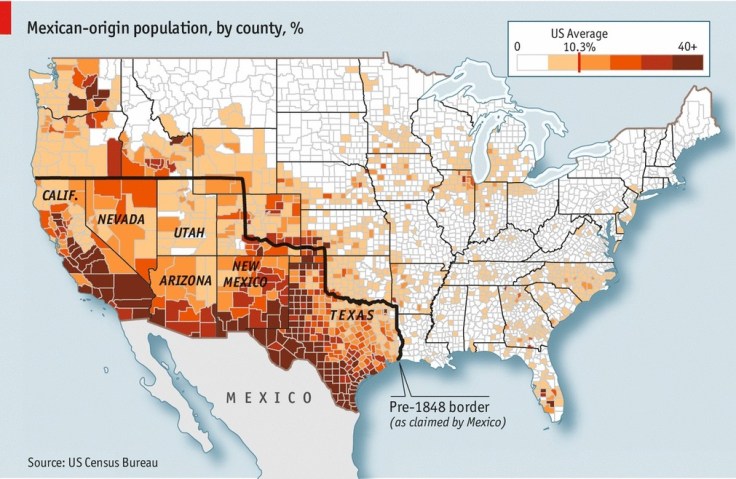
Old Mexico lives on

On February 2nd 1848, following a short and one-sided war, Mexico agreed to cede more than half its territory to the United States. An area covering most of present-day Arizona, California, Nevada, New Mexico and Utah, plus parts of several other states, was handed over to gringolandia. The rebellious state of Tejas, which had declared its independence from Mexico in 1836, was recognised as American soil too. But a century and a half later, communities have proved more durable than borders. The counties with the highest concentration of Mexicans (as defined by ethnicity, rather than citizenship) overlap closely with the area that belonged to Mexico before the great gringo land-grab of 1848. Some are recent arrivals; others trace their roots to long before the map was redrawn. They didn’t jump the border—it jumped them.


Tags: culture, demographics, North Americahistorical, colonialism, borders, political.

Source: www.economist.com

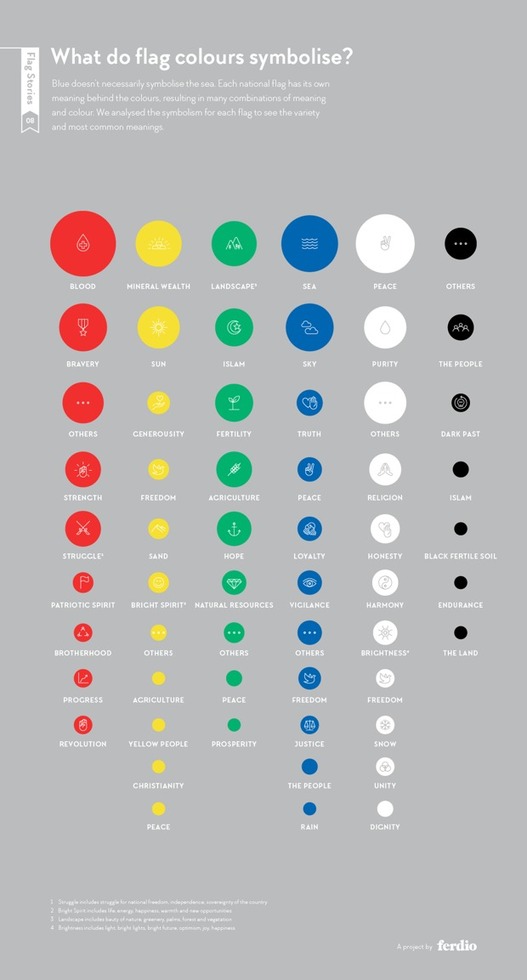
What’s in a Flag’s Design?

A new infographic by a pair of Danish designers has everything you never knew you wanted to know about the world’s flags.


Tags: flag, language, culture.

Source: www.citylab.com

How Islam Created Europe

“For centuries in early and middle antiquity, Europe meant the world surrounding the Mediterranean. It included North Africa, but the swift advance of Islam across North Africa in the seventh and eighth centuries virtually extinguished Christianity there, thus severing the Mediterranean region into two civilizational halves, with the ‘Middle Sea’ a hard border between them rather than a unifying force. Islam is now helping to undo what it once helped to create. A classical geography is organically reasserting itself, as the forces of terrorism and human migration reunite the Mediterranean Basin, including North Africa and the Levant, with Europe.” 

Source: www.theatlantic.com

The title is a bit overstated (aren’t they all in this click-bait driven media age?), but the article shows nicely how regions are cultural constructs that change over time. 


Tags: op-edregions, Europe, historical, Islamreligionhistorical, culture, Christianity.

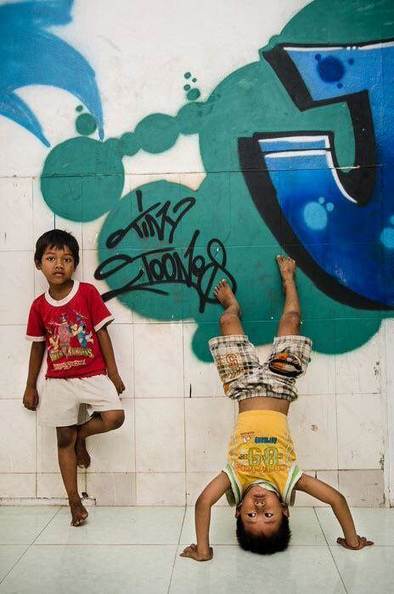
Break Dancing, NGOs, and Global Lives

Deported to Cambodia, Former Gang Member Gets A Second Chance. When Tuy Sobil was deported to Cambodia from the U.S., it was the first time he had ever stepped foot in the Southeast Asian country.

Source: www.nbcnews.com

My students have enjoyed this video about a break-dancing NGO that was created by a former refugee from the United States who was subsequently deported to Cambodia (this article serves as some added background and a follow-up to the story).  This story shows the influence of urban youth culture and various strands of geography in this young man’s global life.


Tags: Cambodia, diffusion, cultureNGOs, globalization.

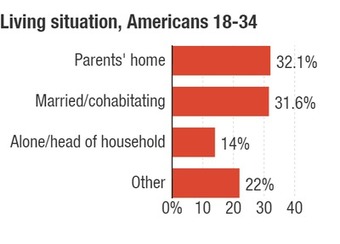
For First Time In 130 Years, More Young Adults Live With Parents Than With Partners

“For the first time in more than 130 years, Americans ages 18-34 are more likely to live with their parents than in any other living situation, according to a new analysis by the Pew Research Center.  Less educated young adults are also more likely to live with their parents than are their college-educated counterparts — no surprise, Pew notes, given the financial prospects in today’s economy.  Black and Hispanic young people, compared with white people, are in the same situation.  But the overall trend is the same for every demographic group — living with parents is increasingly common.  Still, young Americans are still less likely to live with their parents than their European counterparts, Pew says.

Source: www.npr.org

I find that the best statistics have great explanatory power, make sense when placed in the right context, and STILL manage to leave you amazed.  These stats fit that bill for me and as the school year is ending, it’s a milestone that doesn’t mean what it did for generations past.  32.1% of young adults in the U.S live with parents, and 48.1% of young adults in the European Union Union live with parents.   


Questions to Ponder: What are some contributing factors to this trend in the United States and Europe?  What does this say about housing costs, economic, and cultural conditions? 


Tags: socioeconomic, housingstatisticspopulation, cultural norms, culture.
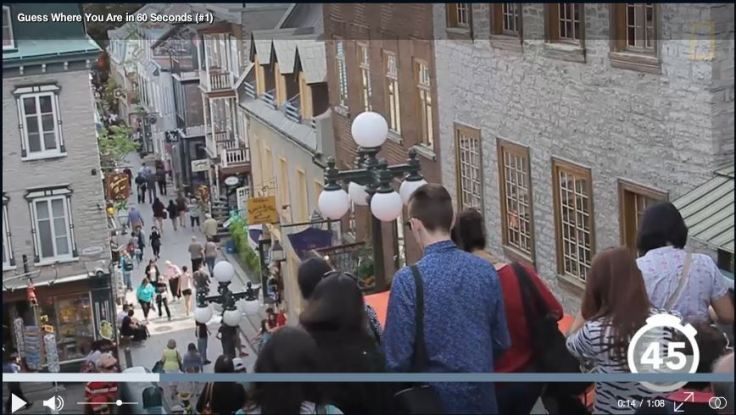
Can You Guess Where You Are in 60 Seconds?

Can you guess where we are taking you today? Here’s a clue: This city’s name translates to “where the river narrows.”

Source: video.nationalgeographic.com

There is a delightfully simple premise to National Geographic video’s newest series: after seeing scenes from the cultural and physical landscapes of a place can you guess where in the world it is?  You can find more resources about this unnamed country (no cheating) here.   

Tags: images, placeculture, landscape, tourism

How religion(s) spread across the world

VIDEO: 5,000 years of religious history in two minutes.

Source: www.businessinsider.com

Short, sweet and to the point–this video is a great way to show the historical geographies of major world religions.  What are the cultural barriers to the diffusion of one of these particular religions?  What geographic factors helped to facilitate the expansion of one of these world religions?  


Tags: religiondiffusion, culture, ChristianityIslamBuddhismHinduismJudaism,
unit 3 culture.


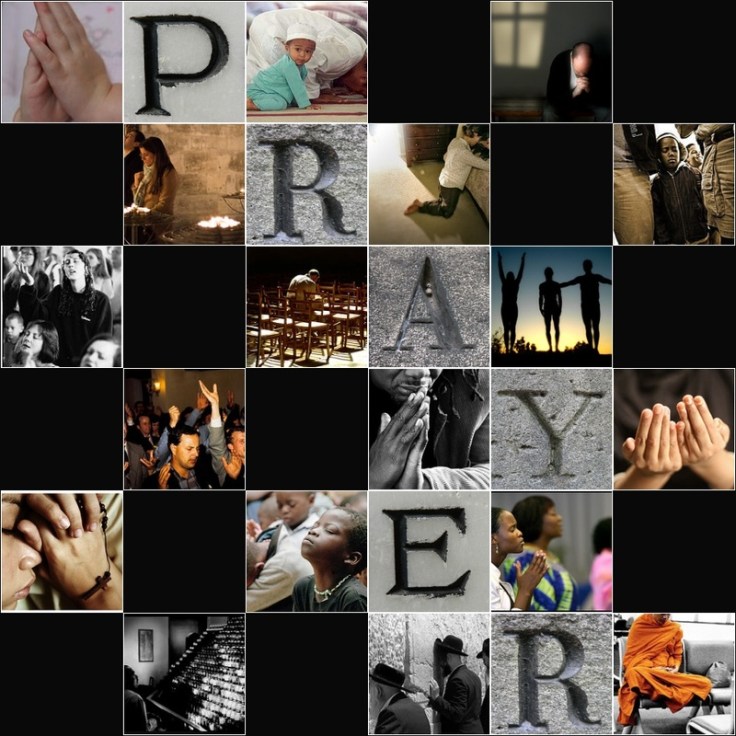
Prayer in Various Global Faiths

Source: www.washingtonpost.com

See how people around the world pray…video examples of prayer and the cultural/spiritual significance are shown highlighting Buddhists, Mormons, and Sikhs.  Place is very important component to prayer for many and the 4th example shows how some use a labyrinth as a tool to commune with the divine.


Tags: religion, culture, Christianity, Buddhism.

Blog at WordPress.com.

Up ↑