Search

GEOGRAPHY EDUCATION

Supporting geography educators everywhere with current digital resources.

Tag

culture

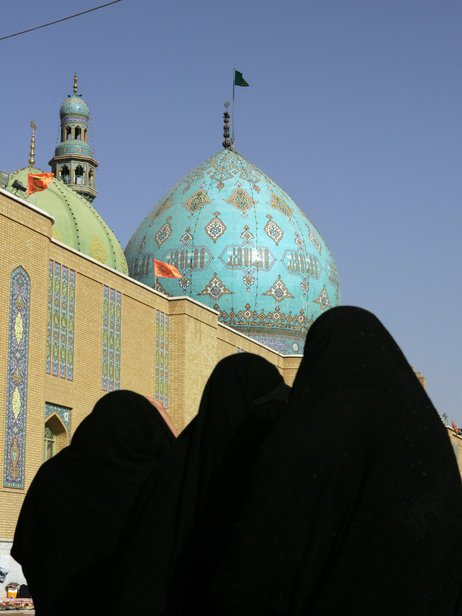
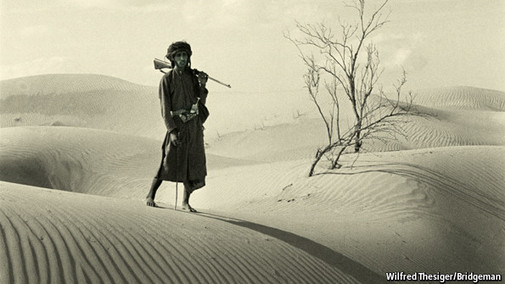
The tragedy of the Arabs

“A THOUSAND years ago, the great cities of Baghdad, Damascus and Cairo took turns to race ahead of the Western world. Islam and innovation were twins. The various Arab caliphates were dynamic superpowers—beacons of learning, tolerance and trade. Yet today the Arabs are in a wretched state. Even as Asia, Latin America and Africa advance, the Middle East is held back by despotism and convulsed by war.  

Pluralism, education, open markets: these were once Arab values and they could be so again. Today, as Sunnis and Shias tear out each others’ throats in Iraq and Syria and a former general settles onto his new throne in Egypt, they are tragically distant prospects. But for a people for whom so much has gone so wrong, such values still make up a vision of a better future.”

Source: www.economist.com

While the title of the article is more inflammatory than I would prefer, the analysis in this article from the Economist does a good job linking the cultural, economic and political struggles in the Middle East.

Tags: political, culture, economic, Islam, MiddleEast.
Beijing’s Facelift

“A government-initiated redevelopment plan will transform one of the oldest neighborhoods in Beijing into a polished tourist attraction.”

Source: www.youtube.com

This 2010 video (and related article) showcases one of China’s urban transformation projects.  Urban revitalization plans are not without critics, especially those who see the cultural transformation of a neighborhood they deem worthy of historical preservation.  This process is occurring all over the world (we’ve recently seen this in Brazil as they were preparing for the World Cup).  This is one of the videos that I’ve put into my interactive map with over 65 geography videos to share in the classroom.
 

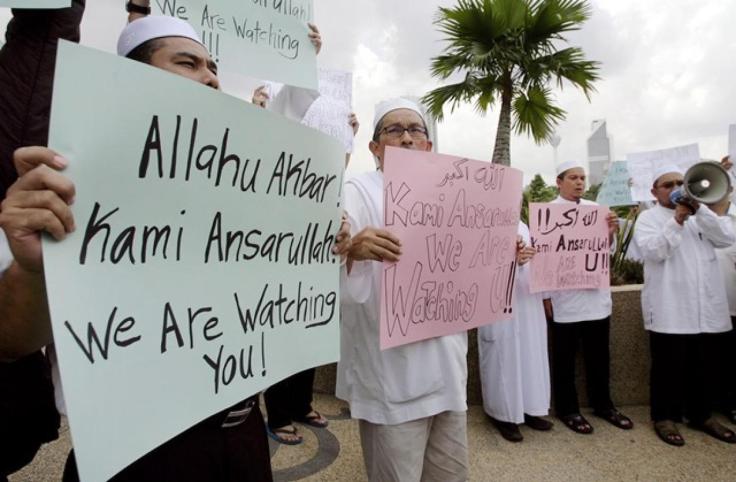
Malaysia’s ‘Allah’ controversy

Is limiting the use of the Arabic word for God a sign of growing intolerance towards minorities?

Source: stream.aljazeera.com

In Arabic, the word Allah means God.  Christian Arabs refer to God as Allah and Arabic versions of the Bible reference Allah.  As Arabic and Islam have diffused in interwoven patterns, the linguistic root and the theological meanings have became intertwined to some.  BBC World and Al-Jazeera have reported on this issue as the Malaysian government has attempted to ban the use of the word Allah to any non-Muslim religious group.  Language and religion just got very political.  

Tags: languagereligion, political, Malaysia, SouthEastAsia, culture, Islam.

The Origins Of The Shiite-Sunni Split

The division between Islam’s Shiite minority and the Sunni majority is deepening across the Middle East. The split occurred soon after the death of the Prophet Muhammad, nearly 1,400 years ago.

Source: www.npr.org

The ghosts of religious wars past are rattling in Iraq; The geography of the Sunni-Shiite division is incredibly important for a good understanding of world regional geography as well as modern geopolitics. This NPR podcast examines the  historical and religious aspects of this split to then analyze the political and cultural implications in the Middle East today.  


Tags: MiddleEast, Islamreligionhistorical, culturepodcast.

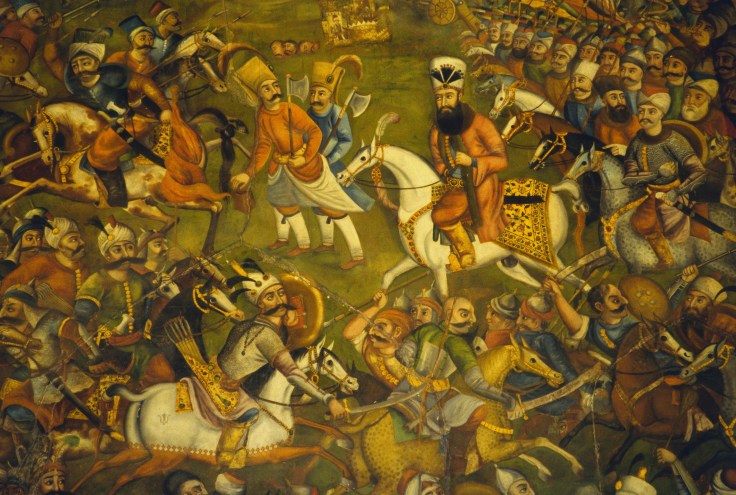
shia-sunni-split2_vert-c54281df26243133666cc54f16e76b6f72cb468f-s3-c85


La Tomatina 2012

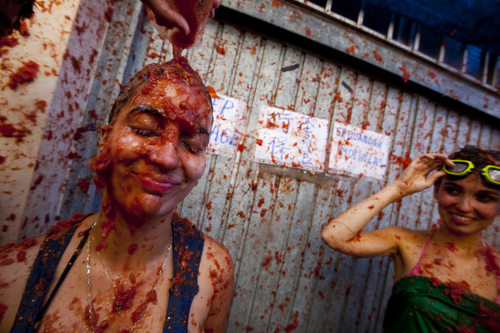
La Tomatina is a festival that is held in the Valencian town of Bunol, located inland from the Mediterranean Sea, that brings together thousands of people for one big tomato fight – purely for fun!

La Tomatina is a cultural festival in Spain that is world renowned for it’s exuberance and playfulness.  This gallery of 26 images shows some of the dynamism and appeal to this extraordinary event where more than 40,000 people engage in the world’s largest foof fight using upwards of 100 tons of tomatoes in the yearly food fight known as ‘La Tomatina.’

Notice the signs for storing backpacks and luggage that are now pastered with tomatoes on the store in the background of the image.  These hastily-composed, informal signs are written in three languages (Spanish, English and Japanese).  What does this tell us about the festival?  Also, notice how the comments section revolves around the concepts of waste, poverty and consumption.

Tags: Europe, foodtourism, seasonal, culture, unit 3 culture, consumption.

See on www.boston.com

Mass Sacrifice Found Near Aztec Temple

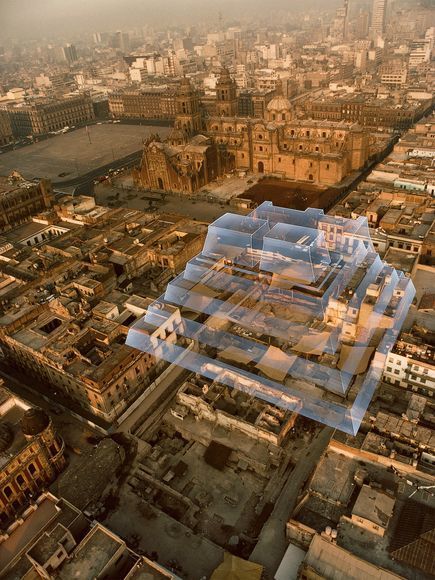
Below street level in Mexico City, archaeologists have found a jumble of bones dating to the 1480s.

In the 1970s, construction workers unearthed numerous archaeological finds as the subway was being constructed.  The Mexican government decided to clear the several block of old colonial buildings to reveal the Templo Mayor, the ancient Aztec religious center.  Not coincidentally, the Spaniards built their religious center in the same place.  During the colonial era, the indigenous residents who spoke Spanish in Mexico City still referred to this portion of the city as la pirámide.  Today more finds such as this one are continuing to help us piece together the past of this immensely rich, multi-layered place filled with symbolic value.

Tags: Mexico, LatinAmerica, historical, images, National Geographic, colonialism, place and culture.

See on news.nationalgeographic.com

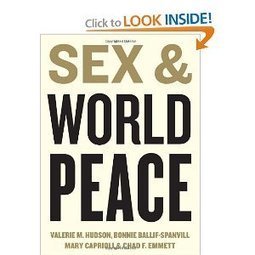
Sex and World Peace

Via Scoop.itGeography Education

Sex and World Peace (9780231131827): Valerie M. Hudson, Bonnie Ballif-Spanvill, Mary Caprioli, Chad F. Emmett

I have not yet had the opportunity to read this book but feel that it touches on some of the core issues in geography today: gender, culture and political stability (plus, it’s just a great title).  The authors of Sex and World Peace explore the relationships between cultural norms regarding gender and political stability and war.  They show that security for women translates to security for the state. According to the authors, they “compare micro-level gender violence and macro-level state peacefulness in global settings…[and] mount a solid campaign against women’s systemic insecurity, which effectively unravels the security of all.”

Written by professors in geography, political science and psychology, Sex and World Peace is the synthesis of years of research produced by the WomanStats project.  For more about this ongoing project and the great database which they have produced (loaded with potential for student projects) see: http://womanstats.org/

Via www.amazon.com

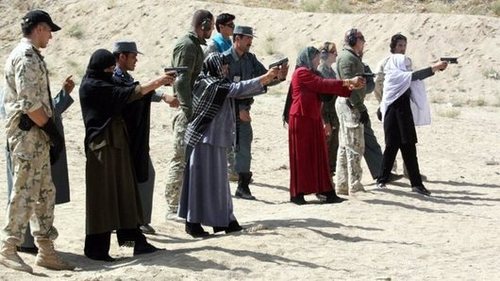
For Afghan Policewomen, Sex Abuse Is A Job Hazard

Via Scoop.itGeography Education
The Afghan security forces now include hundreds of women, but they can face significant risks. In the northern city of Mazar-e-Sharif, policewomen say abuse is widespread and even includes rape by their male colleagues.  

Warning: this podcast is an uncomfortable listen, but truly highlights how different a world it can be for women in countries with rigid gender norms.  Gender norms and public space play a critical role in how many societies think about what is often considered “appropriate” behavior.

Discussion Points: what efforts should be encouraged in Afghanistan to prevent this sort of problem?  WHO should be sponsoring these efforts for them to be most successful? How might a ‘good plan on paper’ backfire if you don’t understand the cultural geography of the region?
Via www.npr.org

The Islamic World’s Quiet Revolution

Via Scoop.itGeography Education
“Forget politics. Muslim countries are poised to experience a new wave of change — but this time it’s all about demographics.”   

For generations the talk about demographics has been that Muslim-majority societies have cultural factors that keep fertility rates high despite the global trend that indicates that fertility rates will drop as societies become more wealthy and developed.  This ‘cultural immunity’ is not as impermeable as was once thought and we are now seeing falling birth rates and fertility rates throughout the Muslim World.  This article is heavy on statistics and charts, which would be a benefit to student as a potential Free Response Question.
Via www.foreignpolicy.com

Blog at WordPress.com.

Up ↑