Search

GEOGRAPHY EDUCATION

Supporting geography educators everywhere with current digital resources.

Tag

diffusion

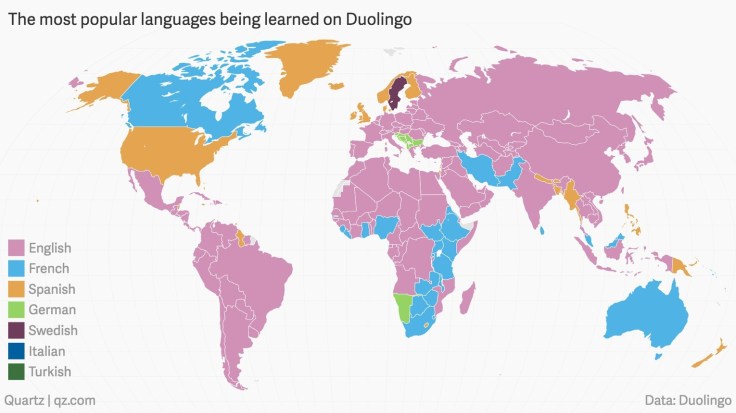
The languages the world is trying to learn, according to Duolingo

If you own a smartphone and are trying to learn a language, you probably have Duolingo. English is far and away the most dominant, with a caveat: For some learners, English is the only language Duolingo offers with translation into their native tongue. That doesn’t change the fact of universal interest in English, though, which Duolingo notes is studied by 53% of its users. Things get more interesting when you look at the second-most popular language by country. There French takes the lead, followed by Spanish, German, and Portuguese.


Tags: language, colonialismtechnology, diffusion, culture, English.

Source: qz.com

Questions to Ponder: What role do colonial history and modern economics play in shaping this linguistic data? How does migration influence patterns in bilingualism?  What is a lingua franca?
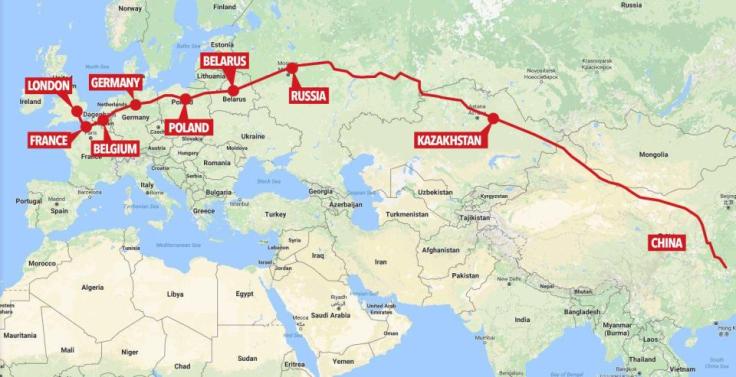
China sends first freight train to London

Time for a long trip along the new silk road.


The train is part of Chinese President Xi Jinping’s vision for ‘One Belt, One Road’ — dubbed by some as the new silk road. It’s China’s infrastructure initiative, which Xi hopes will improve China’s economic ties with Europe, Asia and the Middle East.


Tags: regions, transportationeconomic, globalization, diffusion, industry.

Source: www.cnn.com

Easiest Languages to Learn

“Learning another language is a good thing, but with only a small percentage of Americans, it seems most of us can never dream of achieving this common goal.”

Source: www.youtube.com

This video’s humor isn’t always classroom appropriate, but it conveys several important ideas about languages.  First, languages that are part of the same language family are easier to learn (leading to more cultural diffusion among speakers).  Second, not all languages are equally important on a global scale even if they are similar (some languages are ‘docked’ on this list). This list is specifically for English speakers: 

  1. Dutch
  2. Frisian
  3. Afrikaans
  4. Esperanto
  5. Norwegian
  6. Swedish
  7. Italian
  8. French
  9. Portuguese
  10. Spanish


Tags: language, culture, diffusion.

The Flogsta Scream

“Have you ever felt so stressed out or anxious that you just want to open your window and scream at the top of your lungs?

Well, students in Flogsta, a residential area in the Swedish university town of Uppsala, do just that when the exam pressure gets too overwhelming.  Every night at 10pm Swedish students open their windows and scream for several minutes.”

Source: www.youtube.com

This is an strange a cultural trait as anything you’ll ever see and it is delightfully enjoyable.   Like so many great traditions, no one knows exactly how or when this phenomenon started.


Questions to Ponder:  How does this activity diffuse in Flogsta at night?  How did this activity diffuse to other college towns in Europe?  Why is this a thing?    


Tags: culture, Swedendiffusion.  

The Spice Trade’s Legacy

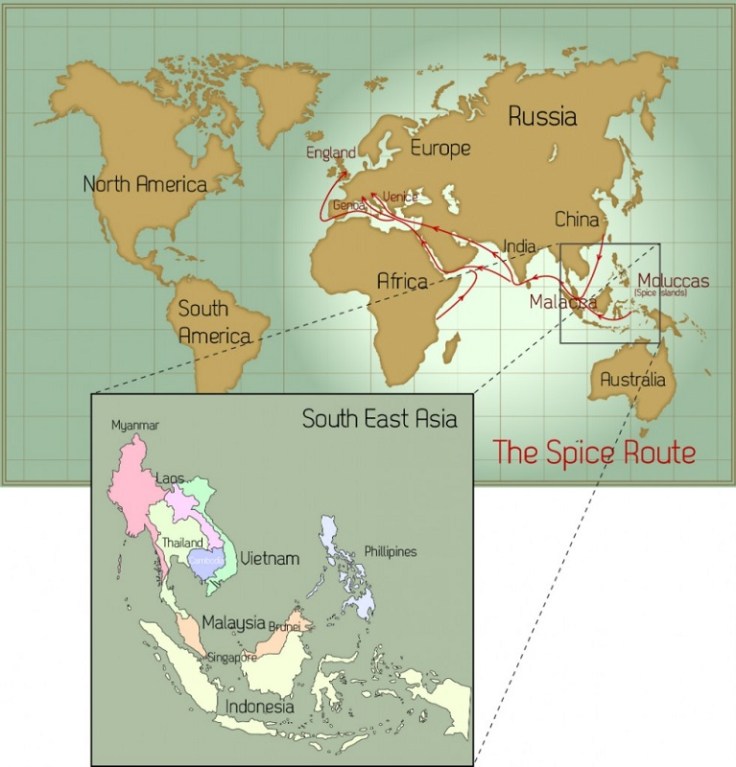
“In its day, the spice trade was the world’s biggest industry. It established and destroyed empires and helped the Europeans (who were looking for alternate routes to the east) map the globe through their discovery of new continents. What was once tightly controlled by the Arabs for centuries was now available throughout Europe with the establishment of the Ocean Spice Trade route connecting Europe directly to South Asia (India) and South East Asia.”

Source: cleanfooddirtygirl.com

The spice trade changed how we eat forever but it did so much more.  The fall of Constantinople to the Ottoman Empire cut off Europe from the vital trade routes to the east and access to the most prized commodities of the day.  What drove European exploration to get around Africa and to cross the Atlantic?  It was to reshape their situation location relative to the economic networks that shaped the emerging global economy.  In essence, the spice trade reshaped the fortunes and trajectories of several major world regions.   


Tags: Southeast Asia, food productiondiffusionglobalization, agriculture, economicindustry, economic, historical, regions.

American football has taken root in Mexico at all levels

“Why is the NFL in Mexico? A visitor to the capital city can sense right away why the league is so bullish on the country’s potential.”


The last time the NFL ventured into Mexico was in 2005, when the Arizona Cardinals beat the San Francisco 49ers in Estadio Azteca. Top-level American football is returning to the same venue in Mexico City on Monday night, when the Houston Texans and Oakland Raiders will face off in a contest that has been sold out since July.

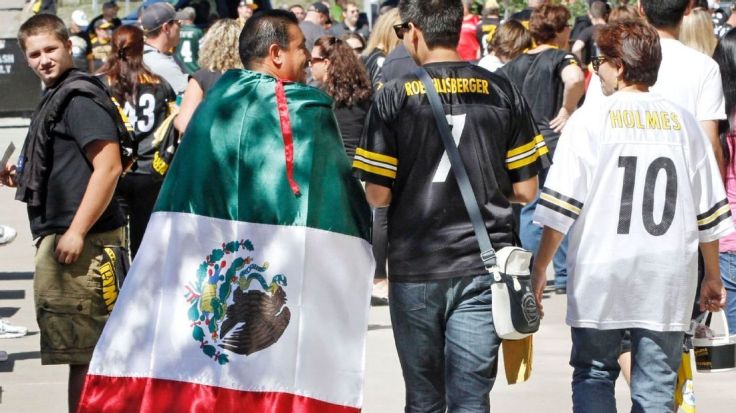
Just don’t assume the 11-year gap is related to a lack of interest. In reality, Mexico is the top international hotbed for American football, with the largest NFL fan base of any country outside the United States. There are more fans of the league in Mexico City than in most actual NFL markets.

But the sport’s popularity in Mexico goes well beyond NFL fandom. From youth leagues that are overtaking soccer in popularity in some parts of the country to a new pro league, American football is a major player south of the border. With that in mind, here’s a closer look at where the sport stands on every level in Mexico and how fans there consume the game.


Tagssport, popular culturediffusion, culture, Mexico, Middle America.

Source: www.espn.com

Growth of underwater cables that power the web

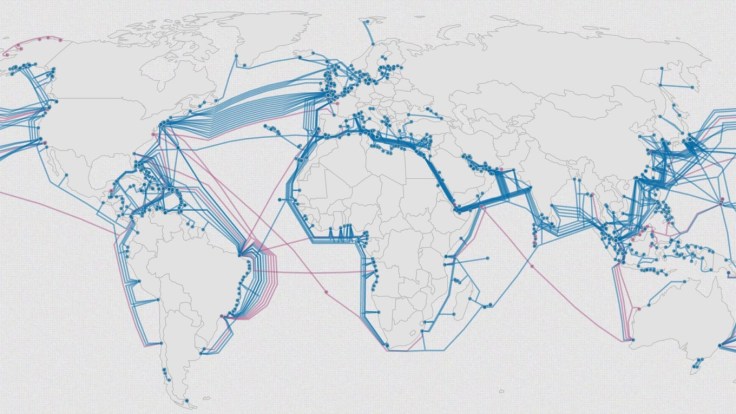
“The map above, created with data from Telegeography, shows how those cables have developed since 1990. Most existing cables were constructed during a period of rapid growth in the mid-2000’s. This was followed by a gap of several years during which companies steadily exhausted the available capacity. Over the last few years, explosive new demand, driven by streaming video, has once again jumpstarted the the construction of new cables.”

Source: qz.com

Twenty years ago, people were still connecting to the internet with a dial-up connection through their modem (if you don’t know what that sounds like, this was once the sound of interconnectivity).  People focus on cell phones, tablets, and cool gadgets when discussing the digital transformation of globalization, but it all rests on the infrastructure of the global connectivity that is mapped out here.  Even still, global trade rests on the back of container ships moving manufactured goods from far-flung factories to major markets.


Tags: technology, globalization, diffusion, industry, economic.

The history of African-American social dance

Why do we dance? African-American social dances started as a way for enslaved Africans to keep cultural traditions alive and retain a sense of inner freedom. They remain an affirmation of identity and independence. In this electric demonstration, packed with live performances, choreographer, educator and TED Fellow Camille A. Brown explores what happens when communities let loose and express themselves by dancing together.

Source: www.youtube.com

Dance is more than just a way to have fun; dance reflects cultural forms of expression and communal identity.  This Ted-Ed talk demonstrates the rich cultural heritage that can be seen in particular cultural traits (such as food, clothing, dance, music, etc.).  This is bound to be a fun, vibrant way to show the how cultural patterns and processes play out using something that young people generally enjoy. 


Tags: culturediffusion, popular culture, music, race, historicalthe South, TED, video.

The great Korean bat flip mystery

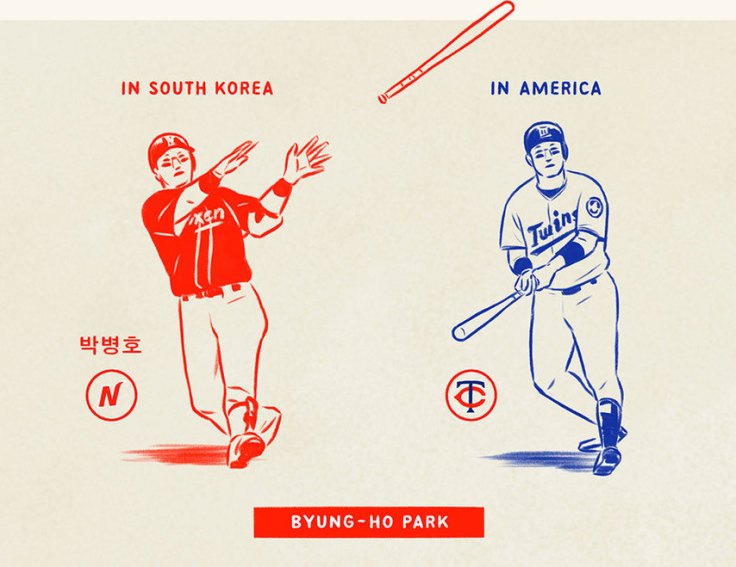
MLB’s code is clear: Flip your bat and you’ll pay. But in South Korea, flips are an art. How does this alternate world exist? And what does it say about us? Writer Mina Kimes trekked across South Korea with illustrator Mickey Duzyj to unravel the mystery.

Source: www.espn.com

There are unwritten rules in Major League Baseball, or in geographic terms, there are are cultural norms that are informally enforced to maintain homogeneity and to prevent  cultural drift.  Jose Bautista’s repuation as a villain has much to do with his rejection of a key MLB unwritten rule–Never ‘show up’ the pitcher by flipping the bat.  In South Korea, typically a country much more associated with cultural traditions of honor and respect than the United States, bat flipping is much more accepted and common (diffusion plays a role in the story–baseball came to South Korea via Japan).  This is an interesting story about South Korean baseball’s cultural norms that might intrigue some sports fans. 


Tags: sport, popular culturediffusion, culturecultural norms, South Korea, East Asia.

Create a free website or blog at WordPress.com.

Up ↑