Search

GEOGRAPHY EDUCATION

Supporting geography educators everywhere with current digital resources.

Tag

environment

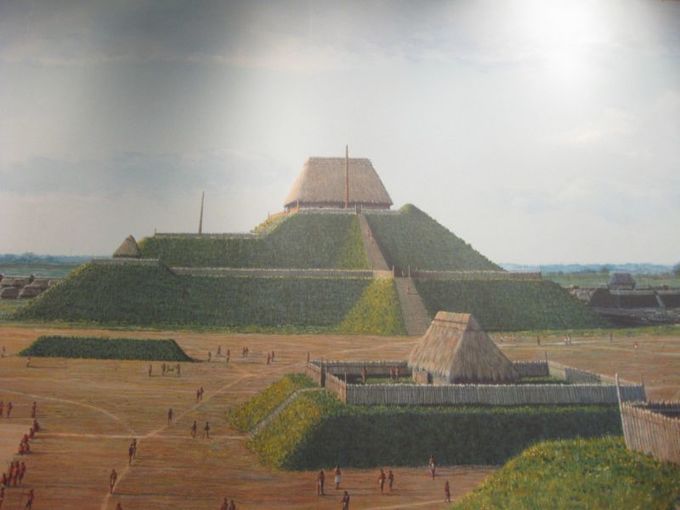
Finding North America’s lost medieval city

Cahokia was North America’s biggest city—then it was completely abandoned. I went there to find out why.

Source: arstechnica.com

The earthen mounds of Cahokia on the flat flood plains must have been the most awe-inspiring demonstration of political power and economic wealth in its day.  Like so many other civilizations before them (and many more in the future?), Cahokia probably declined from too many environmental modifications that led to unforeseen consequences.


Tagsurban ecology, indigenousenvironment, environment modify, historical, North America.

27 stunning satellite images that will change how you see our world – Geoawesomeness

“The images come from the amazing book called “Overview: A New Perspective of Earth”. that just hit the stores around the world. The book is a stunning and unique collection of satellite images of Earth that offer an unexpected look at humanity, derived from the wildly popular Daily Overview Instagram account followed by almost 0.5 million people.”


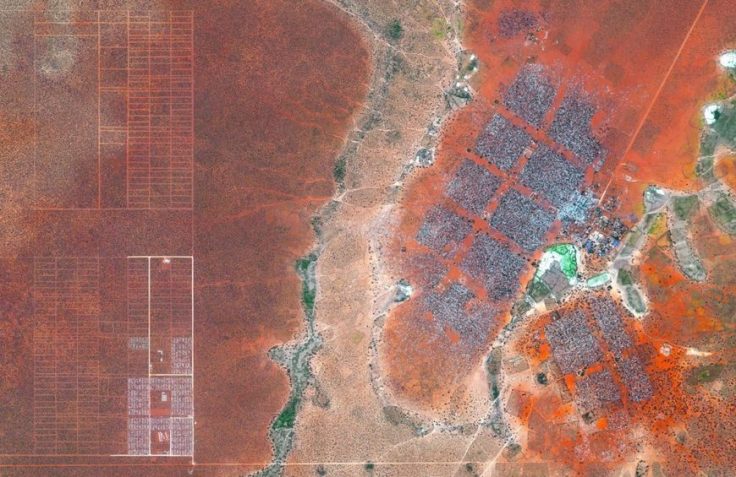
Hagadera, seen here on the right, is the largest section of the Dadaab Refugee Camp in Northern Kenya and is home to 100,000 refugees. To cope with the growing number of displaced Somalis arriving at Dadaab, the UN has begun moving people into a new area called the LFO extension, seen here on the left. Dadaab is the largest refugee camp in the world with an estimated total population of 400,000.

Source: geoawesomeness.com

The Dakota Access Pipeline Map

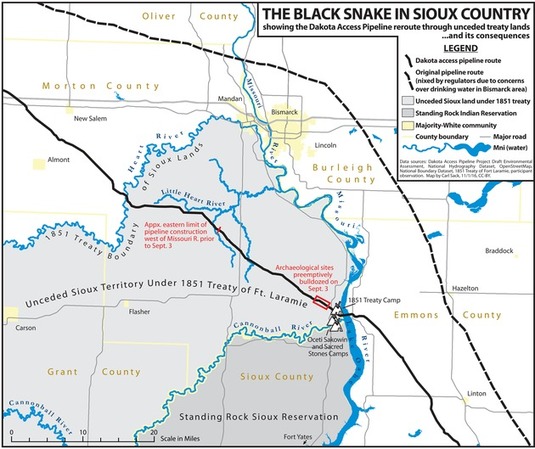
“Thousands of Native Americans and their allies have gathered on unceded Sioux land delimited by the 1851 Treaty of Fort Laramie to try and stand in the way of the “black snake” that could poison the Standing Rock Reservation’s water supply. Many have noted that the pipeline corridor was repositioned from its original route north of Bismarck after white citizens spoke up against the threat a spill would pose to their drinking water ― a threat duly recognized by the U.S. Army Corps of Engineers. Yet the Corps failed its federal mandate for meaningful consultation with the Standing Rock Tribe before signing off on a route that moved the pipeline to their doorstep.”

Source: www.huffingtonpost.com

Maps can tell truths, and maps can be used to obscure other truths. Creating a map, choosing what data to include (and exclude) is an inherently political act.  Maps have the power to convey geographic perspectives that might otherwise be muted.


Tags: industryconflict, economic, energy, resources, environmentindigenous, ecology.

Possibilism: Crash Course #2

“Possibilism, while accepting that physical environments have some affect on the outcomes for human social orders, they’re not the only factor by a long shot. Today, we’re talking about human agency, and the Human Geographers who developed the ideas that make up possibilism. Individuals and groups make the decisions that shape their societies, and while the world sometimes shapes these social orders, people also increasingly affect their world in return.”

Source: www.youtube.com

Just like that first Crash Course video on  environmental determinism, this video on environmental possibilism treats complex ideas in a cut-and-dry manner.  All the videos in Crash Course human geography series have an incredibly quick pace and these particular ideas need nuancing and (for most students) time to frame the factors and issues at hand. So if this is someone’s first introduction to environmental possibilism or determinism, they are likely to be both overwhelmed and given a slanted perspective on the topic.  I’m still holding out hope for when this series reaches the thematic content of human geography instead of the theoretical underpinnings of past geographical philosophies.


Tags: crash course, environmental determinism, environmentAPHG, video.    

Environmental Determinism: Crash Course #1

Today we’re talking about how Human Geography has been practiced in the past, how it hitched its wagon to some really bad ideas, and how that kind of thinking still persists in the world today. Basically, we’re starting with a lesson in how not to Human Geographize. Which I don’t think is a real word.

Source: www.youtube.com

This isn’t exactly what I was hoping for when I heard news of that Crash Course was producing a series of human geography videos, but still has tons of value.  This video on environmental determinism will raise as many questions as it answers.  Personally, I think it is too dismissive of geographers (such as Jared Diamond) than is fair, but there is lot of good in the video and enough in it to feel that this series has some strong potential for the future.  For APHG, it also make be feel optimistic about the future that “we’ve made it to the big leagues” in others eyes and are here to stay.    


Tags: crash course, environmental determinism, unit 1 GeoPrinciples, environmentAPHG, video.    

The Whale’s Tail

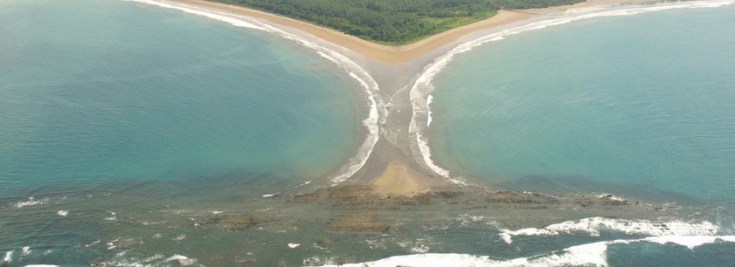
“The Ballena Marine National Park is located in Puntarenas, at the South Pacific coast of Costa Rica.” 

Source: www.ballenainfocenter.com

This National Park in Costa Rica is a delightful example of many things geographic.  Not only is the local biogeography make this a place famous for whales (ballena in Spanish), but the physical geography also resembles a whale’s tail.  This feature is called a tombolo, where a spit connects an island or rock cluster to the mainland. Additionally, there is also a great community of citizen cartographers mapping out this park and the surrounding communities. 


Tagsbiogeography, environment, geomorphology, physicalwater, landforms.

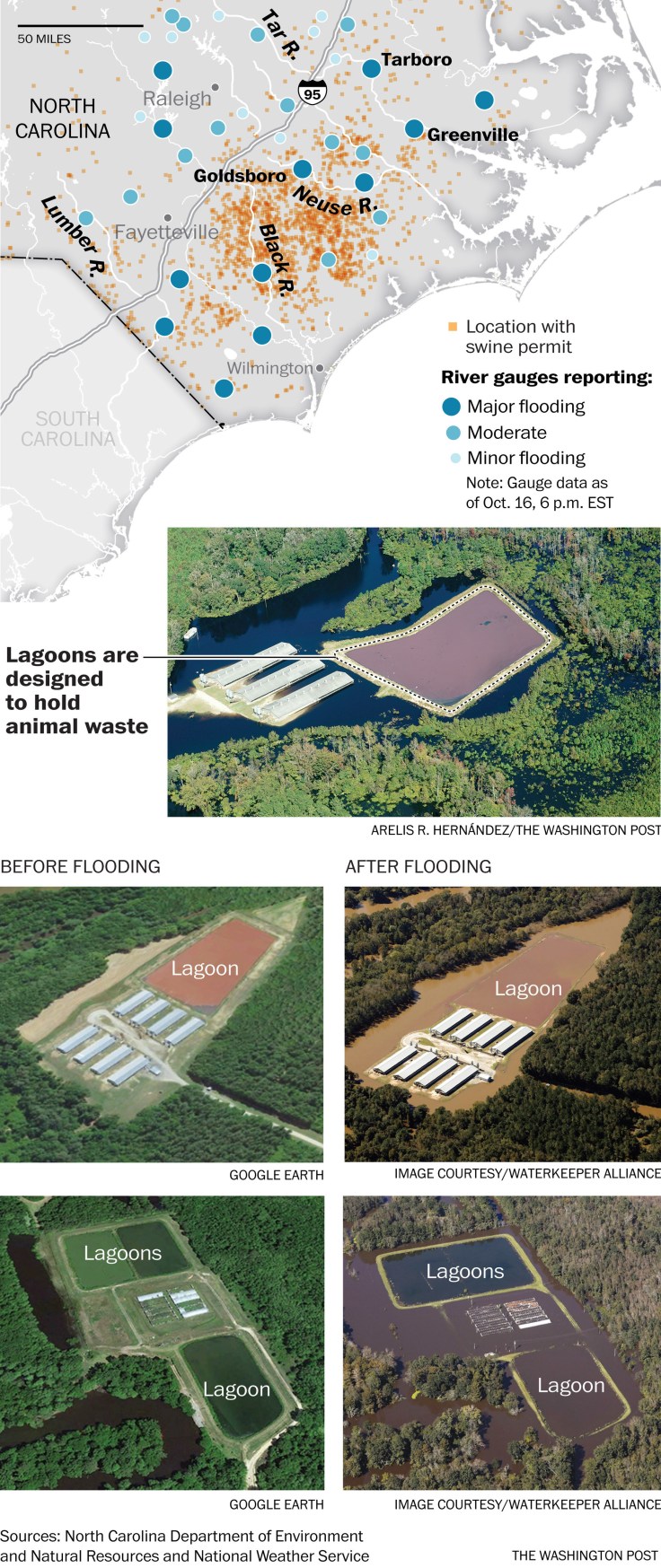
Factory farming practices are under scrutiny again in N.C. after disastrous hurricane floods

As fecal waste and bacteria flow from hog lagoons into the water supply, North Carolina is revisiting a contentious battle between the pork industry, health experts and environmentalists.


In regions where hog farm density is high, there is an overall poor sanitary quality of surface waters. The presence of mass-scale swine and poultry lots and processing plants in a sandy floodplain – a region once dotted by small tobacco farms – has long posed a difficult dilemma for a state where swine and poultry represent billions of dollars a year for the economy. [Past] hurricane’s environmental impact in North Carolina were so severe in part because of the large number of hog lagoon breaches. Following Hurricane Matthew, the department has counted 10 to 12 lagoons that were inundated, with floodwaters topping the berms and spreading diluted waste.


Tags: food, agriculture, agribusiness, unit 5 agriculture, agricultural environment, environment, environment modify, pollution

Source: www.washingtonpost.com

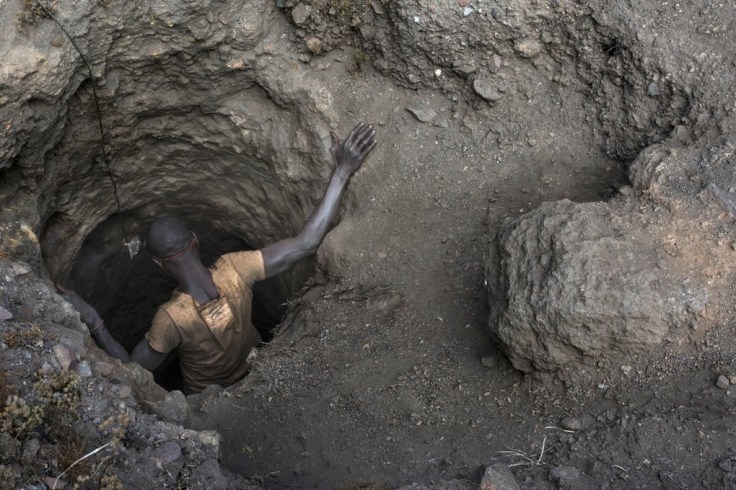
This is where your smartphone battery begins

Workers, including children, labor in harsh and dangerous conditions to meet the world’s soaring demand for cobalt, a mineral essential to powering electric vehicles, laptops, and smartphones, according to an investigation by The Washington Post.

Source: www.washingtonpost.com

The Democratic Republic of the Congo (DRC) is a land rich with minerals and resources vital for high end consumer goods (laptops, cellphones, electric cars, etc.).  This in-depth investigation from the Washington Post of the cobalt mining districts in the DRC (60% of global cobalt production) is incredible.  It has great videos, maps, and an detailed article that cuts across the geographic themes (exploited local labor, global commodity chains, political governance, polluted water supply, medical geography, etc.).  


Just two days ago, the United States pulled the families of all governmental officials out of the DRC amid political turmoil and violence in the streets of Kinshasa, highlighting the fact that the weakness of political institutions in the DRC are a major reason for this situation.  


Tags: Congolaborwatermedical, environmentpollution, political, conflict, resourcespolitical ecology, Africa.

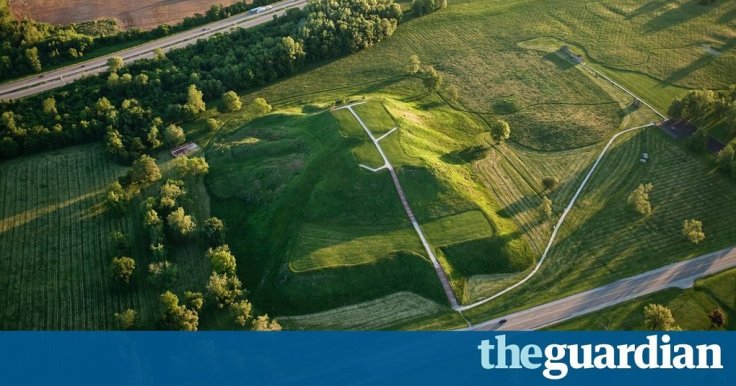
Cahokia – why did North America’s largest city vanish?

Long before Columbus reached the Americas, Cahokia was the biggest, most cosmopolitan city north of Mexico. Yet by 1350 it had been deserted by its native inhabitants the Mississippians – and no one is sure why

Source: www.theguardian.com

This article is the eighth in the “Lost Cities” series (Babylon, Troy, Pompeii, Angkor, Fordlandia, etc.).  The earthen mounds of Cahokia on the flat flood plains must have been the most awe-inspiring demonstration of political power and economic wealth in its day.  Like so many other civilizations before them (and many more in the future?), Cahokia probably declined from too many environmental modifications that led to unforeseen consequences.


Tagsurban ecology, indigenousenvironment, environment modify, historical, North America.

Create a free website or blog at WordPress.com.

Up ↑