Search

GEOGRAPHY EDUCATION

Supporting geography educators everywhere with current digital resources.

Tag

Europe

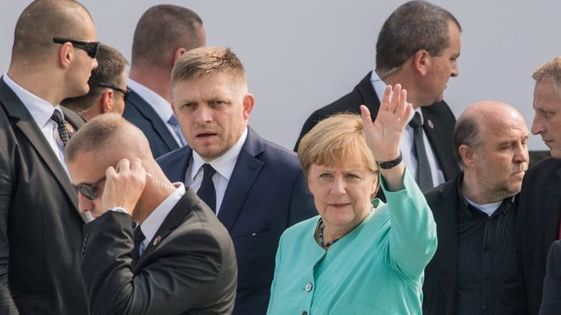
Bratislava EU meeting: Merkel says bloc in ‘critical situation’

The EU is in a “critical situation”, the German chancellor says, as leaders meet to discuss ways to regain trust after the UK’s vote to leave the bloc.

Source: www.bbc.com

Some of this article is focused on the micro-issues of the day, but the larger issues of what is the proper role for an economic supranational organization is front and center.  Should the EU have a military headquarters?  How should the member states respond to the underlying tensions in the Union?  Attached is a video showing residents of EU countries with a wide range of opinions about the organization and what it’s future should be and another video about the major topics on the table.  Given that the politicians there are balancing personal, national, and European interests, it is a sticky wicket (if British phrases are still allowed, even if they are the only member state not invited to the summit).   


Tags: Europe, supranationalism, economic, political, video.

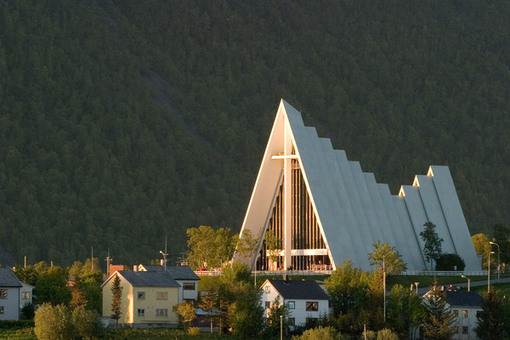
Thousands Leave Norwegian Church as Online Registration Backfires

“15,035 people have ‘unsubscribed’ from the church since Monday.”

Source: www.atlasobscura.com

Europe, the most developed region in the world, is also the most secular region today.  During colonial times, Europeans were spreading Christianity across the globe, but now Christianity is becoming more a part of Europe’s historical landscape.  Secularization can be seen as either the cause or the effect of several other European trends such as declining fertility rates.  Today Europeans have stopped attending mass en masse, and many cathedrals sit empty.  This example for Norway has an amusing twist, but it is rooted in a powerful cultural shift. 


Questions to Ponder: What are other signs of secularization on the cultural landscape?  What would you do with a former sacred site (and an architectural treasure) that is can’t be maintained?


Tags: culturepopular culture, religion, ChristianityNorway, Europe.

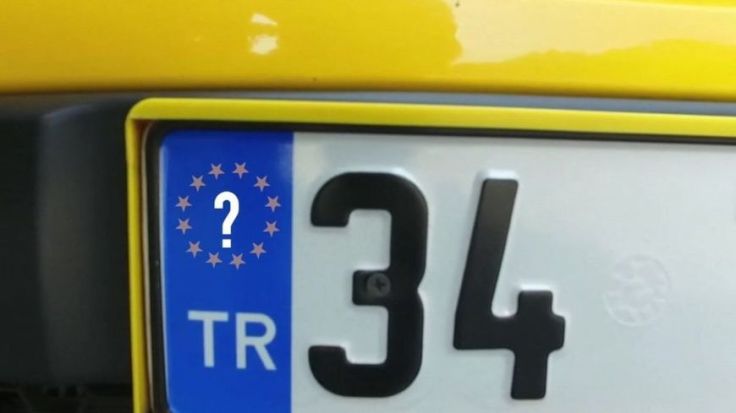
Turkey’s ‘bumpy ride’ into the EU?

“As the UK prepares for what looks like a slow and painful divorce from the European Union, the people of Turkey are wondering how their relationship with Europe will now develop.

The government in Ankara has been seeking to strengthen its case to join the EU, but as Europe grapples with Brexit – is the Turkey’s membership closer or further away?”

Source: www.bbc.com

This video show some of the recent shifts in the always important, often rocky Turkey/EU relationship.   Economically, Turkey has consistently sought greater ties with Europe for the past few decades and Europe keeps Turkey at arms length.    Turkey has applied to join the EU, but that is not going to happen without some massive social restructuring that would take years. 


Tags: EuropeTurkey, supranationalism, economicrefugees, political, video.

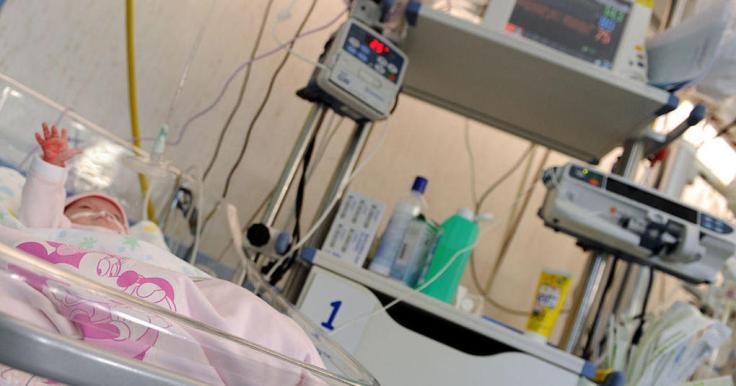
Why Italy’s ‘Fertility Day’ is backfiring

“Facing a low fertility rate (1.4), Italy is holding its first ‘Fertility Day‘ on Sept. 22, which will emphasize ‘the beauty of motherhood and fatherhood’ and host roundtable discussions on fertility and reproductive health. That may seem inoffensive, but the country’s health department is trying to raise awareness with an ad campaign that’s striking many as misguided and, worse, sexist and alarmist.”

Source: www.cbsnews.com

This pro-natalist campaign designed by the health ministry has received near universal criticism (in an attempt to see other perspectives, I searched for a more positive or even neutral article on the topic and came up empty-handed).  Italy’s Prime Minister openly scoffed at the premise of the campaign, and many pundits argue that it shames and pressures women into thinking about personal choices of childbearing as if they were communal responsibilities.  Unlike the infamous ‘Do it For Denmark‘ advertisements that were filled with playful innuendos, or Singapore’s ‘Maybe Baby‘ which highlights the joys of parenthood, this one has more overtones of duty and plays on fear more than those other pro-natalist campaigns.   


Tags:  ItalyEurope, declining populations, population, demographic transition model, modelsunit 2 population. 


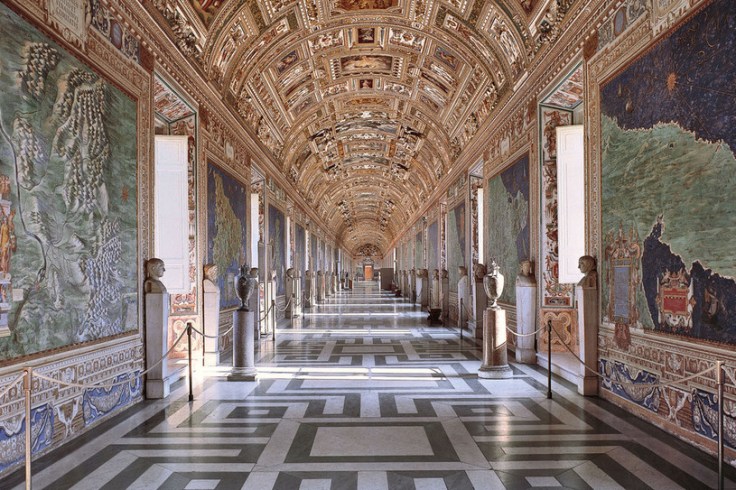
The Vatican’s Gallery of Maps Comes Back to Life

In the 16th century, Pope Gregory assigned the monk and geographer Ignazio Danti to carry out the project. In turn, Danti hired several artistic stars of the day and up-and-comers as well to illustrate the maps, including Girolamo Muziano, Cesare Nebbia and the Flemish brothers Matthijs and Paul Bril. The Brils excelled at landscape paintings—an essential skill for the work.

Source: www.wsj.com

This 4-year restoration project is a great cultural revival, but it also reveals the importance of geographic information.  The Vatican was a great medieval seat of both religious authority and political power.  This attracted prominent visitors from all over Europe and the map gallery served to convey geographic information about the Italian peninsula.  


Tagsart, Italy, historical, Europe, religiontourism, Christianity.

Brexit: Reaction and the Aftermath

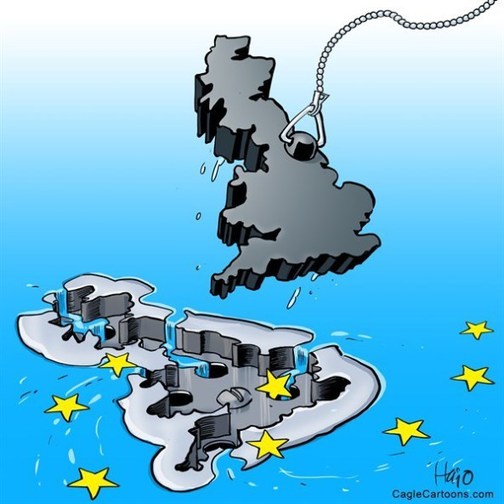
“The reactions to the Brexit have come in from all corners.  Since this was so shocking, newspapers articles that are insightful are using hyperbole in their titles to get our attention (Britain just killed globalization as we know it–Washington Post; Will Brexit mark the end of the age of globalization?–LA Times).  There have also been some excellent political cartoons and memes, so I wanted to archive a few of them here.”  


Tags: Europe, supranationalismglobalization, economic, political, images.

Source: geographyeducation.org

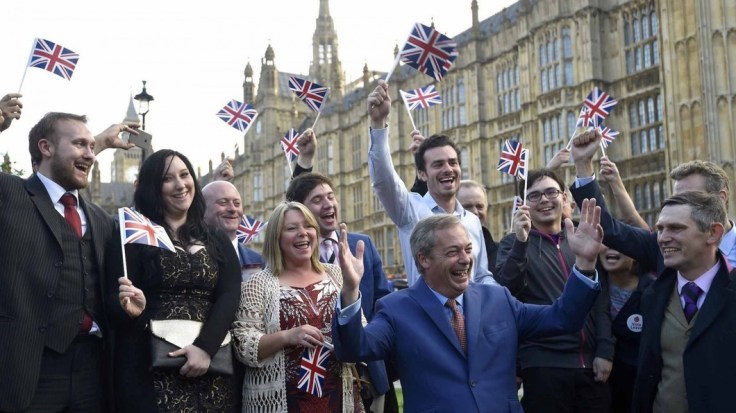
In stunning decision, Britain votes to leave the E.U.

The country opted to become the first ever to leave the 28-member bloc in a result that will send economic and political shockwaves across the globe.

Source: www.washingtonpost.com

The foundations of the European Union have their historical roots in World War II.  To ensure that European countries stop attacking each other, they knit their economies together and cooperated more on political and economic policies.   

The UK has narrowly voted to leave the European Union (52%-48%).  The Brexit (Britain + Exit) was expected to be close, but shows discontent with London.  The ‘Remain’ campaign dominated in London, Scotland and Northern Ireland while the ‘Leave’ campaign found its strength across England and Wales (see maps). 

The fallout of this vote is big and far-reaching.  The first global reaction was financial panic as numerous stock exchanges plummeted.  UK Prime Minister David Cameron will resign.  Already Spain is calling for joint control of Gibraltar (which they’ve wanted anyway) and using this as an opportunity to advance a Spanish agenda.  Many in Scotland chose to stay in the UK in part because they wanted Scotland to remain in the EU.  Another referendum on Scottish Independence feels eminent at this point.       

Still confused?  Here are answers to 9 frequently asked questions about the Brexit as well as a good overview from the Washington Post.


Tags: Europe, supranationalism, economic, political.

How Islam Created Europe

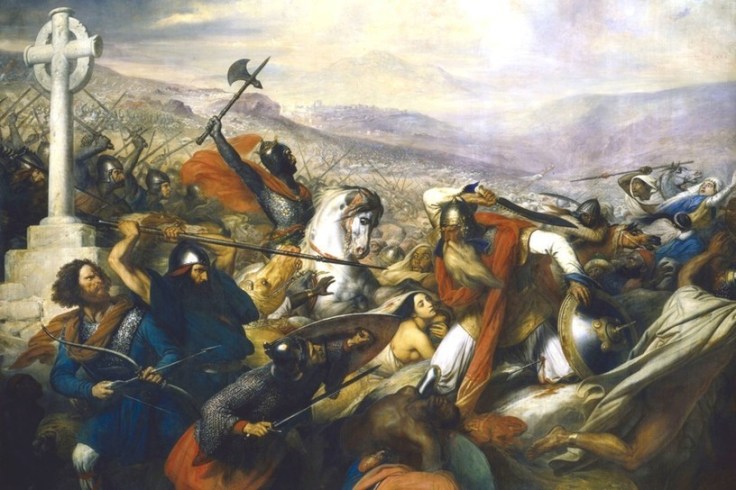
“For centuries in early and middle antiquity, Europe meant the world surrounding the Mediterranean. It included North Africa, but the swift advance of Islam across North Africa in the seventh and eighth centuries virtually extinguished Christianity there, thus severing the Mediterranean region into two civilizational halves, with the ‘Middle Sea’ a hard border between them rather than a unifying force. Islam is now helping to undo what it once helped to create. A classical geography is organically reasserting itself, as the forces of terrorism and human migration reunite the Mediterranean Basin, including North Africa and the Levant, with Europe.” 

Source: www.theatlantic.com

The title is a bit overstated (aren’t they all in this click-bait driven media age?), but the article shows nicely how regions are cultural constructs that change over time. 


Tags: op-edregions, Europe, historical, Islamreligionhistorical, culture, Christianity.

La Tomatina 2012

La Tomatina is a festival that is held in the Valencian town of Bunol, located inland from the Mediterranean Sea, that brings together thousands of people for one big tomato fight – purely for fun!

La Tomatina is a cultural festival in Spain that is world renowned for it’s exuberance and playfulness.  This gallery of 26 images shows some of the dynamism and appeal to this extraordinary event where more than 40,000 people engage in the world’s largest foof fight using upwards of 100 tons of tomatoes in the yearly food fight known as ‘La Tomatina.’

Notice the signs for storing backpacks and luggage that are now pastered with tomatoes on the store in the background of the image.  These hastily-composed, informal signs are written in three languages (Spanish, English and Japanese).  What does this tell us about the festival?  Also, notice how the comments section revolves around the concepts of waste, poverty and consumption.

Tags: Europe, foodtourism, seasonal, culture, unit 3 culture, consumption.

See on www.boston.com

Create a free website or blog at WordPress.com.

Up ↑