Search

GEOGRAPHY EDUCATION

Supporting geography educators everywhere with current digital resources.

Tag

MiddleEast

Pro-Israeli perspective in UNHRC

Source: www.youtube.com

Admittedly, this is not a neutral perspective on the Israeli-Palestinian conflict, but that doesn’t mean it isn’t worth sharing if you properly contextualize the statements.  UN Watch is “a non-governmental organization based in Geneva whose mandate is to monitor the performance of the United Nations by the yardstick of its own Charter.”  UN Watch works to oppose what they see as chronic anti-Israeli bias in the UN.   


Tags: Israel, PalestineNGOs, political, Middle East.

Capital Jerusalem

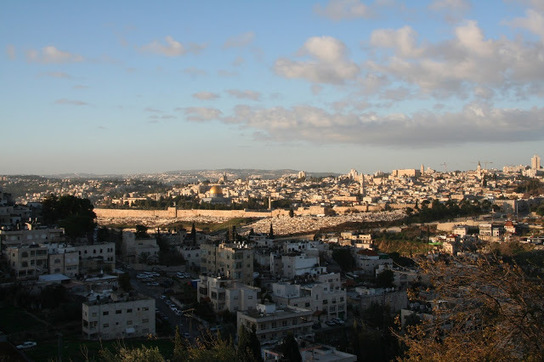
“Because Israel refused to recognize the U.N. plan for an internationalized Jerusalem and because of its annexation of occupied East Jerusalem in 1967, no country in the world has offered legal and diplomatic recognition of Jerusalem as the capital of Israel. Most states, however, have unofficially acknowledged Israel’s sovereignty and actual possession, without recognition of lawful title.”

Source: beitemmett.blogspot.com

That is, until now.  The United States is planning to move it’s embassy from Tel Aviv to Jerusalem, in a move that will have far more reaching implications than the relocation of just about any other embassy on Earth could have, given the geopolitical significance of Jerusalem to the Israeli-Palestinian conflict and the broader international ties.  Below are some resources to contextualize this shift: 


Questions to Ponder: How does this change the status quo at the local, national and international scales?  What might be some of the consequences of this move?  What would you recommend and why?  


Tags: Israel, Palestine, borders, political, Middle East, geopolitics, historical.

Jordanian parliament repeals rape law

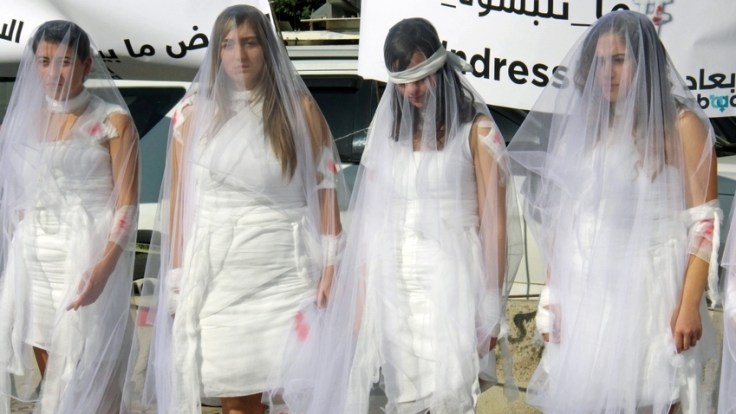
“The Jordanian parliament voted on Tuesday to abolish a provision in the penal code that allows rapists to escape punishment if they marry their victims – a move that is being hailed as ‘historic’ by activists and locals. Article 308 permit[ed] pardoning rape perpetrators if they marry their victims and stay with them for at least three years.  The controversial provision has for decades divided Jordan between those who believe the law is necessary to protect women’s ‘honour’, and others who see it as a violation of basic human rights.”

Source: www.aljazeera.com

Cultural norms and political practices are so often intertwined that understanding local laws means that one has to understand the cultural context within which they were created, and in this case, the cultural processes that led to a political will to change them.  


Tagsculture, cultural norms, gender, MiddleEast, Jordan, political.

Same again: Turkey’s emergency rule

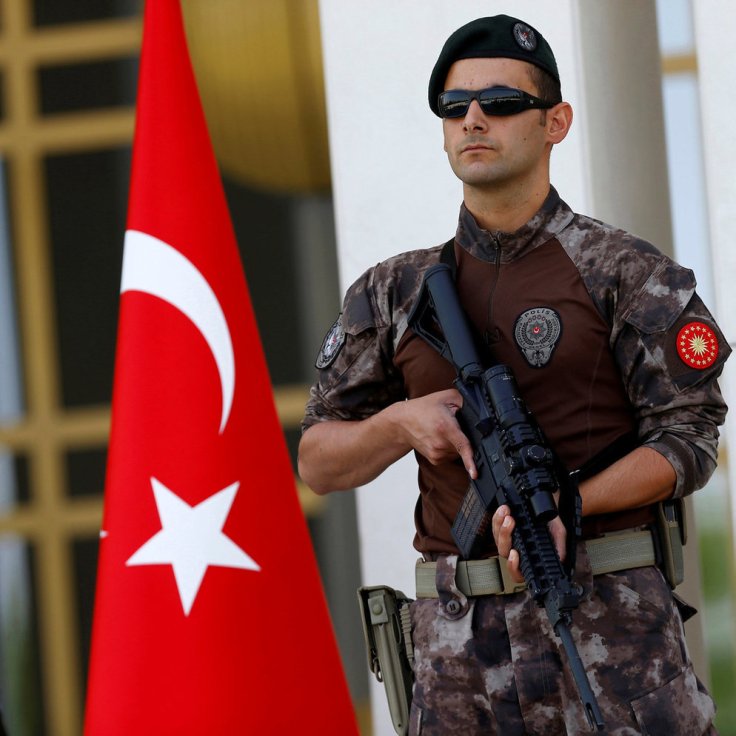
​The state of emergency in place since last summer’s coup attempt against President Recep Tayyip Erdogan resumes today for another three months, following a decision by the country’s security council. Emergency rule has now been extended four times. Over its course, more than 50,000 people have been arrested, and twice as many sacked from government jobs, including over 7,000 dismissals over the past week. On the anniversary of the coup Mr Erdogan said emergency rule would lapse only when “we no longer need to fight terrorism”, and vowed to reinstate the death penalty and “rip off” the coup plotters’ heads. Using the crisis as cover, the government has already locked up leading Kurdish politicians; the secular opposition may be next. Mr Erdogan accuses its leader, who recently led the biggest protest in years, of siding with Turkey’s enemies. The failed coup increasingly resembles a successful one—for the other side.


Tags: politicalMiddleEast, Turkey.

Source: espresso.economist.com

How the 1967 war changed the shape of Israel

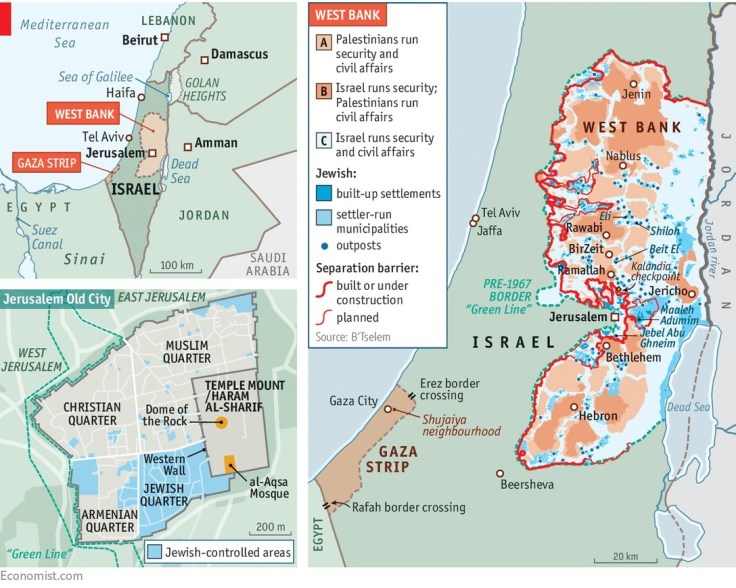
THE SIX-DAY WAR increased Israel’s territory threefold. The “borders of Auschwitz” were gone; the vulnerable nine-mile narrow waist acquired a thick cuirass with the mountains of the West Bank. Israel soon annexed East Jerusalem with some surrounding land; it did the same with the Golan Heights in 1981.


Tags: Israel, Palestine, borders, political, Middle East.

Source: www.economist.com

Syria’s war: Who is fighting and why [Updated]

“After four-plus years of fighting, Syria’s war has killed at least hundreds of thousands of people and displaced millions. And, though it started as a civil war, it’s become much more than that. It’s a proxy war that has divided much of the Middle East, and has drawn in both Russia and the United States. To understand how Syria got to this place, it helps to start at the beginning and watch it unfold.”

Source: www.youtube.com

Over a year ago I posted a previous version of this video highlighting the complexities behind the Syrian war.  Much has happened since then and this updated version adds more detail and includes a very helpful timeline to show how more internal and external forces became involved in the fighting.  This is an incredibly complicated geopolitical situation because of all the regional and international players involved.  


TagsSyria, war, conflict, political, geopolitics.

Hijab: Veiled in Controversy

Hijab is an Islamic concept of modesty and privacy, most notably expressed in women’s clothing that covers most of the body.

Source: www.nationalgeographic.org

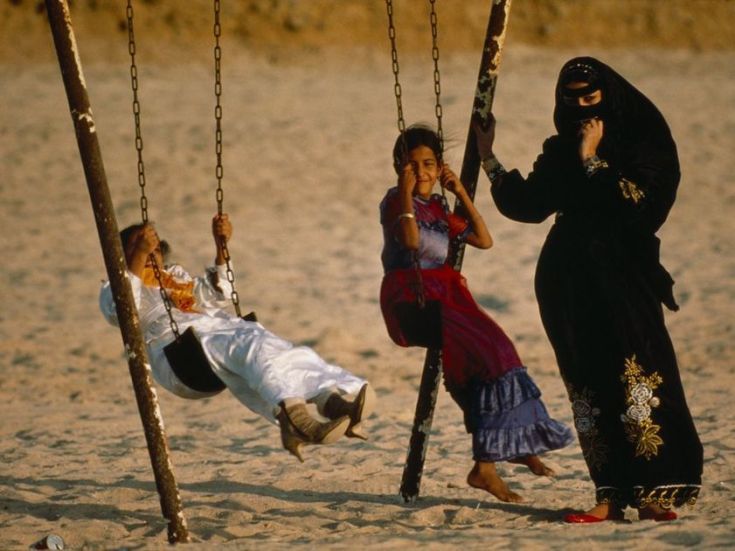
What is the geography of the hijab?  Covering one’s head pre-dates Islam in the Middle East but many associate this practice strictly with Islam and only for women. Read this article (with teaching tips and supplemental resources) for more context on this cultural and religious practice.

Tags: Islam, perspective, religion, culture, National Geographic.

Revised executive order bans travelers from six Muslim-majority countries from getting new visas

The president is expected to sign his new, more limited rule Monday.

Source: www.washingtonpost.com

It’s hard to discuss this topic in detail without a partisan political views.  Underneath all of those opinions are geographic perspective about how the world works as well as geographical imaginations on how things should operate. 


Tags: migrationrefugees, war, political, terrorism, ISISMiddle East, conflict.

Israel Proves the Desalination Era Is Here

One of the driest countries on Earth now makes more freshwater than it needs


Driven by necessity, Israel is learning to squeeze more out of a drop of water than any country on Earth; researchers have pioneered new techniques in drip irrigation, water treatment and desalination. “The Middle East is drying up,” says Osnat Gillor, a professor at the Zuckerberg Institute who studies the use of recycled wastewater on crops. “The only country that isn’t suffering acute water stress is Israel.” That water stress has been a major factor in the turmoil tearing apart the Middle East, but Bar-Zeev believes that Israel’s solutions can help its parched neighbors, too — and in the process, bring together old enemies in common cause.


Tags: drought, water, environment, Israeltechnology, Middle East.

Source: www.scientificamerican.com

Blog at WordPress.com.

Up ↑