Search

GEOGRAPHY EDUCATION

Supporting geography educators everywhere with current digital resources.

Tag

Philippines

Balikbayan Boxes

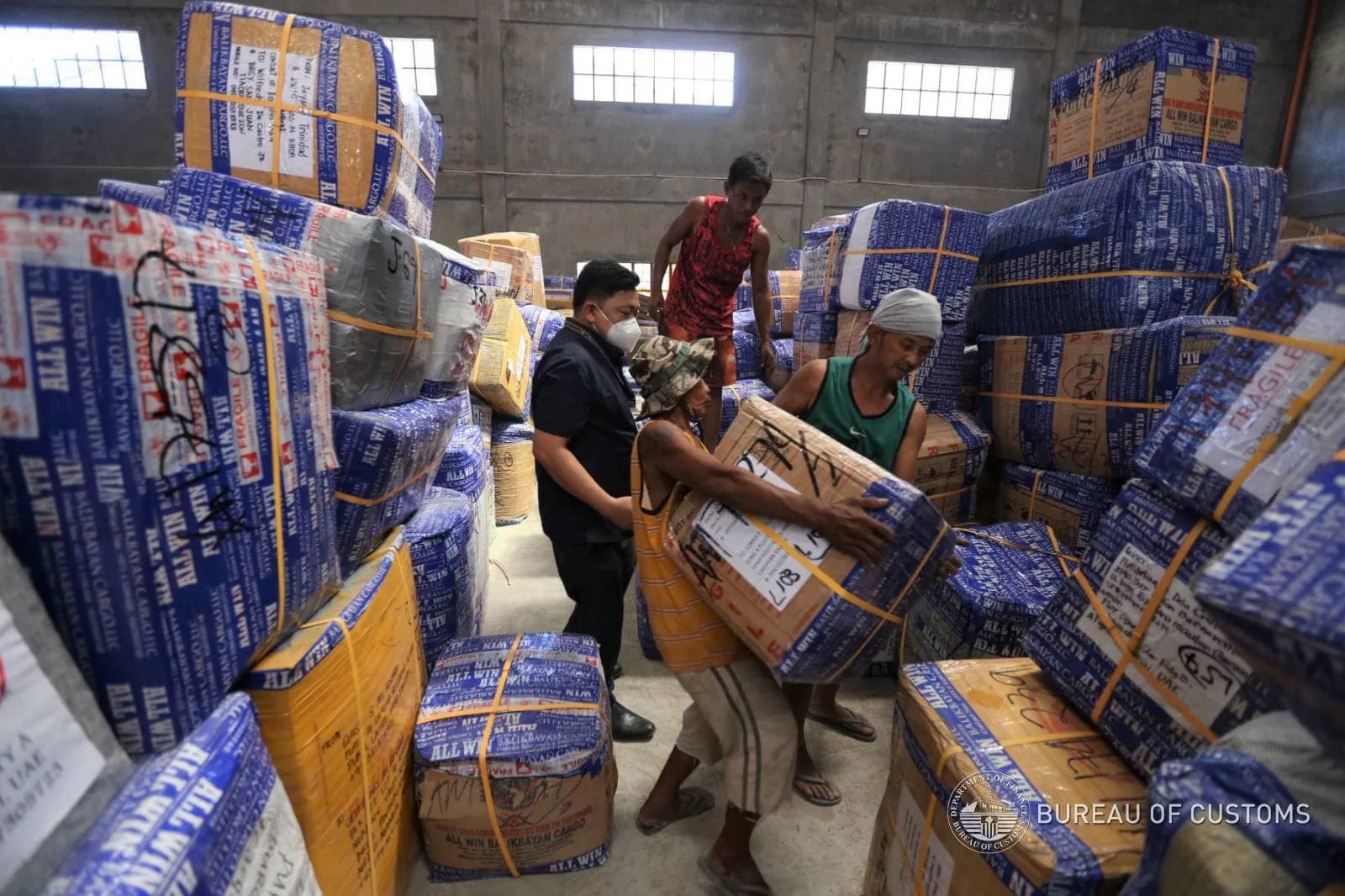
Massive numbers of Balikbayan boxes are sent around Christmastime. SOURCE.

A Balikbayan box is a huge cardboard box (often weighing over 100 pounds) that Filipinos living all over the world send to family members who are still living in the Philippines. The word Balikbayan literally means homecoming in Tagalog. 400,000 thousand of these Balikbayan boxes arrive in the Philippines from around the world per month. But the holiday season is the busiest, with mothers sending to sons, brothers to sisters, and hundreds of thousands waiting in the Philippines for their box.” SOURCE: 99 PI Podcast

The sending of remittances is an important inter-regional economic flow concept and there is no better example than the Philippines. This 99 Percent Invisible podcast is an excellent portrayal of the cultural and economic impacts of the Balikbayan boxes, with a full transcript, good video clips, and nice images.

With unemployment high after WWII, the Philippines made an active economic strategy of remittances by encouraging citizens to work abroad and to send money back home. Filipinos went to the United States, the Middle East, Hong Kong, Singapore and throughout the Pacific. But the government didn’t enter trade agreements to grant them full citizenship in the new country as whole families, but often as individual temporary workers which meant that they always kept one foot (and their heart) in the Philippines. 

Balikbayan means “homecoming” or “return of our people.” The people that left, the Balikbayan, are treated with an elevated status upon returning and often feel a sense of responsibility to those that they left behind.  The Balikbayan boxes are care packages that they send back home to loved ones in the Philippines, but so much more so.  Huge boxes loaded with commercial goods like chocolate, electronics, toothpaste, and yes, SPAM (SPAM is especially loved in the Filipino community for some fascinating cultural and historical reason). Christmas is celebrated for several months in the Philippines and the busiest time for Balikbayan boxes to be sent from all over the world.   

TAGS: Philippines, economic, migration.

Packed with goodies, Balikbayan boxes bring consumer goods to their loved ones.

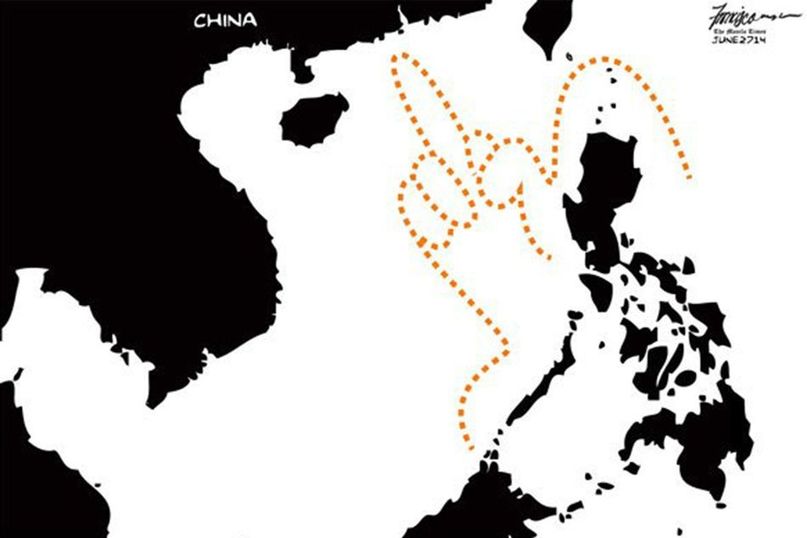
Manila Times Gives China The Finger With Its Own “Nine Dash Line” Map

"The Philippines’ oldest newspaper recently made what could be considered a provocative gesture towards China regarding its notorious nine-dash-line."

Source: saigoneer.com

I’ve shared some more substantial resources about maritime claims in the South China Sea than this flippant political cartoon.  Still, this cartoon beautifully illustrates a geopolitical perspective quite powerfully.  As always, use your own discretion when sharing resources in your own classroom (my college students love this). 


GeoEd Tags: borders, Political, conflict, water, Philippines, China.

Scoop.it Tags: borders, political, conflict, water, PhilippinesChina.


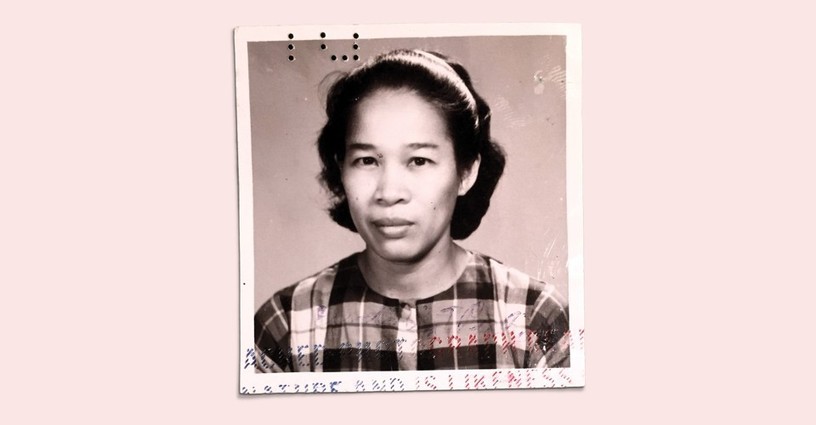
My Family’s Slave

She lived with us for 56 years. She raised me and my siblings without pay. I was 11, a typical American kid, before I realized who she was.


The Spanish Crown eventually began phasing out slavery at home and in its colonies, but parts of the Philippines were so far-flung that authorities couldn’t keep a close eye. Traditions persisted under different guises, even after the U.S. took control of the islands in 1898. Today even the poor can have utusans or katulongs (“helpers”) or kasambahays (“domestics”), as long as there are people even poorer. The pool is deep.

Source: www.theatlantic.com

This article created a huge stir from the moment it was published, especially within the U.S. Filipino community.  Slavery is reprehensible, but to most people today, it is incomprehensible to imagine how one human could ever enslave another.  This story of a Filipino family that brought a ‘domestic worker’ with them to the United States is a riveting tale that offers glimpses into the cultural context of modern-day slavery.  The author was born into this family and it’s a painful tale intermingled with agony, love, cruelty, tenderness, guilt, and growth.  This article is a long read, but well worth it.  You can listen to a 55-minute audio version of the article, or also listen to the NPR 5-minute version.    


Tags: migrationlaborPhilippines, culture.

Blog at WordPress.com.

Up ↑